
Selecting the right clay set for kids in the Philippines involves matching the physical properties of the modeling material with your child’s developmental stage and motor skills. The ideal art medium should challenge their creativity without causing frustration or presenting safety hazards. From ultra-soft sensory doughs for toddlers to advanced polymer clays for older children, matching the material to the child’s age ensures a safe, engaging, and educational crafting experience.
In the Philippine market, parents can choose from a wide variety of domestic and imported clay sets. These sets range from budget-friendly options under ₱150 to comprehensive crafting kits priced above ₱1,000. Understanding the differences in drying times, toxicity, clean-up requirements, and tool designs will help you make an informed purchase that supports your child’s creative journey.
How to Match Clay Sets to Your Child's Developmental Stage
Choosing a clay set for kids requires looking beyond the bright packaging to evaluate how the material aligns with a child’s physical and cognitive abilities. At different stages of childhood, the purpose of playing with clay shifts dramatically. Introducing a material that is too firm or requires complex tools can frustrate a younger child, while giving a simple play dough to an older child may lead to quick boredom.
Products mentioned in this guide
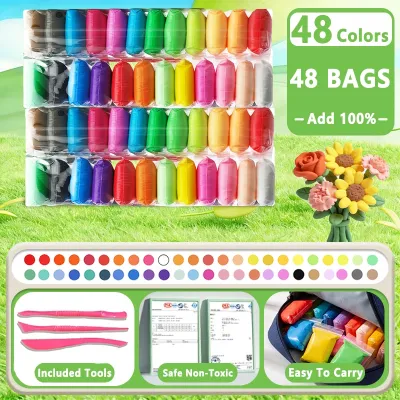
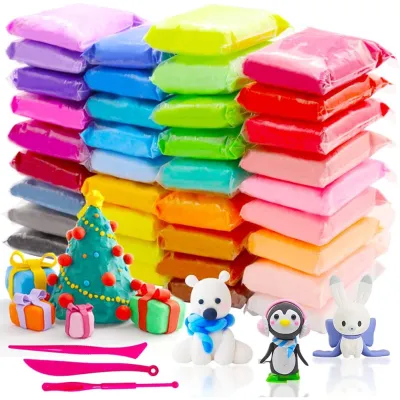
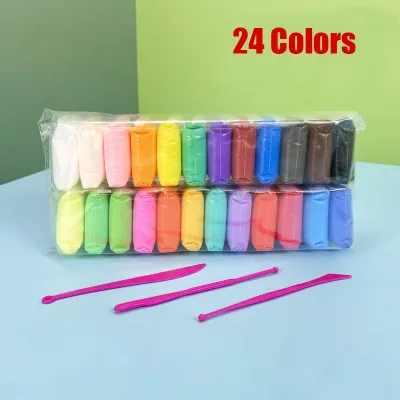
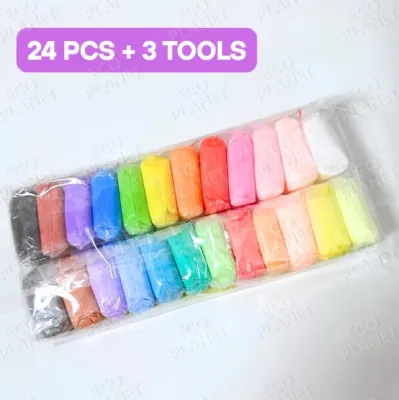
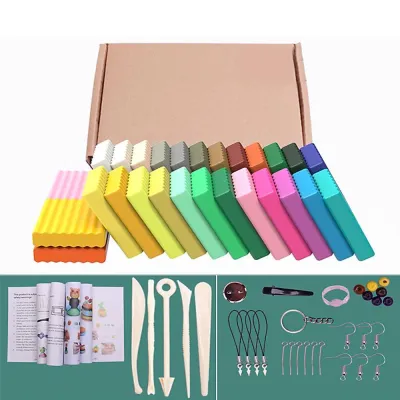
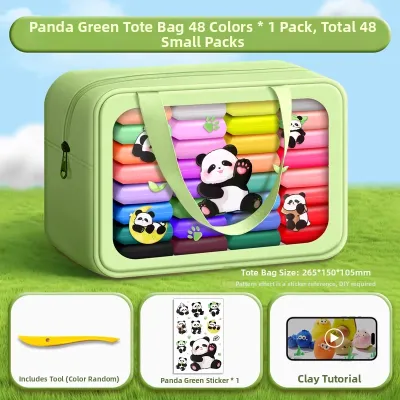
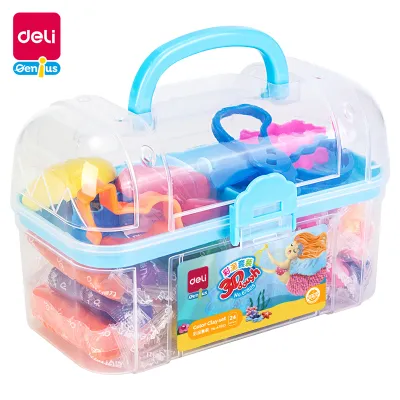
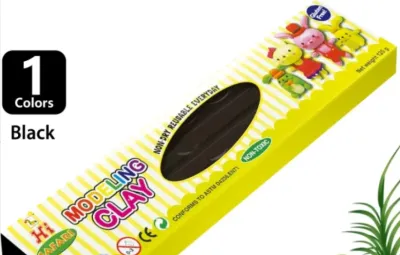
Prices are valid at publication and may change. Please refer to the product page for the latest price.
Safety is the primary consideration when matching clay to age. Toddlers naturally explore their environment through touch and taste, making non-toxic, taste-safe, and choke-proof options mandatory. As children transition into preschool, their hand muscles strengthen, allowing them to roll, flatten, and join pieces together. By the time they reach school age, children possess the focus and fine motor control needed to sculpt detailed figures, work with specialized tools, and preserve their creations through curing.
This developmental progression moves from basic sensory exploration to structured, detail-oriented crafting. By understanding where your child sits on this spectrum, you can select a clay set that provides the exact level of resistance and versatility they need to build confidence and coordination.
Best Clay Types for Toddlers (Ages 1–3): Sensory Play and Safety
For toddlers, playing with clay is entirely about sensory exploration and building foundational hand strength. At this stage, children use their whole hands to squeeze, pat, and poke the material. The best clay sets for this age group feature ultra-soft, highly pliable doughs that require very little physical pressure to shape.

Recommended Clay Categories
- Ultra-Soft Play Dough: These water-based doughs are exceptionally pliable and designed specifically for small hands that are still developing grip strength.
- Lightweight Modeling Compounds: These non-greasy, pillowy materials offer a unique tactile experience and do not stick to small fingers.
Key Features to Look For
- High Washability: Toddlers are messy crafters, so look for formulas that easily wash out of clothing, table surfaces, and skin with simple soap and water.
- Bright Primary Colors: Simple, high-contrast colors like red, blue, and yellow help reinforce color recognition during play.
- Slow-Drying Formulas: Toddlers often leave their dough uncovered mid-play, so choose formulas that resist drying out quickly when exposed to the air.
Tools and Accessories
- Chunky Stamps: Large plastic stamps with easy-to-grip handles allow toddlers to press patterns into the clay using their palms.
- Simple Extruders: Large syringes or plunger-style tools let toddlers push dough through templates to create simple shapes, building hand-eye coordination.
- Blunt Rollers: Wide, textured rolling pins without small moving parts help toddlers practice bilateral coordination.
Safety Boundaries
- Choking Hazard Avoidance: Ensure the set contains no small plastic parts, cutters, or decorative beads that could fit inside a toilet paper roll.
- Non-Toxic Certifications: Always verify that the packaging displays recognized safety seals, such as ASTM D-4236 or EN71, indicating the product is non-toxic.
- Age-Grade Markings: Look for clear labels indicating the product is suitable for children under three years old.
Parental Role
- Active Supervision: Always sit with your toddler during play to prevent them from putting the clay in their mouths.
- Guided Physical Play: Show your child how to poke holes with their fingers, squeeze the clay between their palms, and roll simple logs to build hand strength.
Top Clay Choices for Preschoolers (Ages 4–5): Shaping and Imagination
Preschoolers are developing refined fine motor skills and a growing imagination. They are no longer just poking and squeezing; they are beginning to plan and construct recognizable 3D shapes, such as animals, food items, and simple buildings. Clay sets for this age group should offer slightly more resistance to help hold structural shapes.
Recommended Clay Categories
- Standard Reusable Modeling Clay: Often wax- or oil-based, this clay never dries out, allowing preschoolers to rebuild their creations infinitely.
- Basic Air-Dry Clay: A lightweight, water-based clay that dries to a firm, matte finish within 24 to 48 hours without needing an oven.
- Firm Play Dough: Slightly denser than toddler dough, this material holds detailed molds and cookie-cutter shapes much better.
Key Features to Look For
- Color-Mixing Potential: Materials that blend easily allow preschoolers to learn color theory firsthand by mixing primary colors to create secondary shades.
- Moderate Drying Times: For air-dry variants, look for options that remain workable for at least an hour, giving the child ample time to adjust their creations.
- Airtight Storage Containers: Reusable tubs or zip-top bags are essential for keeping water-based clays fresh for future play sessions.
Tools and Accessories
- Plastic Safety Knives: Blunt, serrated plastic cutters allow preschoolers to practice cutting motions safely.
- Child-Safe Cookie Cutters: Simple geometric and animal shapes help children understand boundaries and spatial relationships.
- Basic Molds: Press-in molds help children create detailed textures, like brick walls or animal fur, with minimal effort.
Developmental Benefits
- Hand-Eye Coordination: Using tools to cut, roll, and stamp clay refines the small muscles in the hands and wrists.
- Spatial Planning: Building simple 3D structures teaches children how to balance shapes and understand structural stability.
- Cause-and-Effect: Blending yellow and blue clay to make green provides a concrete lesson in cause-and-effect and physical transformation.
- Buying Checklist: Before purchasing, verify that the air-dry clays do not require heat curing and that all cutting tools are blunt and entirely made of plastic.
Ideal Clay Kits for School-Age Kids (Ages 6+): Detail and Advanced Crafts
By age six, children have developed the finger dexterity and patience required for detailed, multi-step crafting. They are often interested in creating permanent items, such as miniature figurines, charms, jewelry, and functional home decor. Clay sets for older kids should prioritize detail retention and post-cure durability.
Recommended Clay Categories
- Polymer Clay: A plastic-based modeling material that remains soft and workable until baked in a home oven, curing into a hard, durable plastic.
- Advanced Air-Dry Clay: High-quality, resin- or paper-based clays that dry to a very hard, lightweight finish suitable for painting.
- Pottery and Ceramic Kits: Air-dry or bakeable earthenware clays that introduce children to traditional pottery techniques.
Key Features to Look For
- High Detail Retention: The clay must hold fine lines, textures, and sharp edges without slumping or melting at room temperature.
- Post-Cure Workability: Look for clays that can be sanded, carved, painted with acrylics, and sealed with varnish after they have hardened.
- Structural Integrity: The material should resist cracking as it dries or bakes, ensuring the longevity of complex projects.
Tools and Accessories
- Fine Sculpting Tools: Double-sided plastic or wooden tools with needle points, ball ends, and ribbon loops for carving details.
- Wire Armatures: Thin, flexible wire inserts that provide internal support for tall or delicate figurines, preventing them from drooping.
- Acrylic Paints and Sealants: Small pots of water-based acrylic paint and clear gloss or matte glazes to finish cured projects.
Project Ideas
- Custom Jewelry: Rolling clay into beads, baking them, and threading them onto elastic cords to make bracelets and necklaces.
- Detailed Figurines: Sculpting characters from books, games, or movies using wire armatures for support.
- Trinket Bowls: Rolling out clay slabs, draping them over small bowls to shape, and painting intricate patterns once dry.
Safety and Supervision
- Oven Baking: Polymer clay requires baking at specific temperatures (usually between 110°C and 130°C). An adult must handle the oven-baking process entirely.
- Ventilation: Ensure the crafting area and the baking kitchen are well-ventilated to prevent the buildup of mild fumes from heated polymer clay.
- Tool Safety: While sculpting tools are generally safe, some sets include wire cutters or pointed metal tools that require initial parental guidance.
Safety, Allergies, and Cleanup: What Parents Must Verify
Managing a clay crafting space involves understanding the ingredients of the materials and establishing a clear cleanup routine. Because children interact closely with these products, verifying safety standards and protecting your home surfaces will prevent unnecessary stress.
Allergy Checks
- Gluten and Wheat: Many commercial play doughs are made using wheat flour as a primary binder. If your child has celiac disease or a severe wheat allergy, look for labeled gluten-free alternatives made from rice, soy, or cornstarch.
- Scented Additives: Some modeling compounds include artificial fragrances to make them smell like fruit or sweets. These can trigger skin irritation or allergic reactions in children with sensitive skin.
Toxicity and Ingestion
- Accidental Ingestion: If a child swallows a small amount of certified non-toxic clay, monitor them and offer water. Because non-toxic clays are not food-grade, ingesting large quantities can cause mild stomach upset. If this occurs, or if the clay is of unknown origin, consult your pediatrician immediately.
- Safety Seals: Never buy clay that lacks a clear safety certification. Look for the "AP Non-Toxic" seal from the Art and Creative Materials Institute (ACMI) or the European CE mark.
Surface Protection
- Craft Mats: Lay down a silicone baking mat or a dedicated plastic craft mat before opening any clay set. This prevents oils and dyes from staining wooden tables or getting trapped in tile grout.
- Wax Paper: For polymer clay, which can react with and damage certain finished wood or plastic surfaces over time, work on a sheet of wax paper or a smooth ceramic tile.
Cleanup Routines
- Carpets and Rugs: If wet clay gets pressed into a carpet, do not scrub it. Allow the clay to dry completely, then break it apart with a blunt tool and vacuum up the dry crumbs. Any remaining pigment can be dabbed with a damp cloth and mild dish soap.
- Clothing: Let wet clay spots dry before brushing off the excess. Wash the garment in warm water according to the manufacturer's care label.
- Hair: If clay gets stuck in hair, apply a small amount of baby oil or olive oil to break down the binders, gently work the clay out with your fingers, and wash with shampoo.
Storage Practices
- Preventing Dehydration: In the humid tropical climate of the Philippines, water-based air-dry clays can dry out unexpectedly if exposed to air currents from fans or air conditioners. Store these clays in airtight plastic containers.
- The Damp Paper Towel Trick: If a water-based clay feels slightly dry but is still workable, wrap it in a damp paper towel and seal it in a zip-top bag overnight to restore its moisture balance.
- Oil-Based Clay Storage: Keep oil- and wax-based modeling clays away from direct sunlight and heat sources, such as windows or appliances, to prevent them from softening or melting.
Smart Shopping Checklist for Online Clay Orders
When browsing online marketplaces or local craft store websites in the Philippines, it is easy to be overwhelmed by the sheer volume of options. Use this practical checklist to ensure the clay set you add to your cart is safe, high-quality, and worth the investment.
Reading the Label
- Verify Age Ratings: Check the product description or packaging photos for clear age recommendations (e.g., "Ages 3+" or "Not suitable for children under 36 months").
- Confirm Certifications: Look for clear photographic evidence of safety certifications on the box. Avoid listings that do not show the back of the packaging or lack clear ingredient descriptions.
Evaluating the Kit Contents
- Assess Tool Quality: Ensure the included tools are made of thick, durable plastic without sharp flashing or rough edges that could scratch young skin.
- Check Clay Quantities: Review the total weight of the clay provided. Some sets feature large, elaborate plastic playsets but only include tiny, single-use packets of clay.
Checking Seller Credibility
- Official Brand Storefronts: Purchase from verified brand stores or established local stationery and craft retailers to guarantee you are receiving genuine, non-toxic products rather than unregulated counterfeits.
- Read Customer Reviews: Look for reviews from local buyers that mention how the clay arrived, whether it was dried out upon receipt, and how well it held up during play.
Understanding Shipping Constraints
- Tropical Heat Transit: In the Philippines, delivery vans can reach high temperatures during transit. Wax-based modeling clays may soften, and air-dry clays in poorly sealed packaging may sweat or begin to cure. Choose sellers that package their items securely, and inspect the clay immediately upon arrival for any signs of heat damage or moisture loss.
Frequently Asked Questions (FAQ)
Can I bake air-dry clay in the oven to make it dry faster?
No, you should never bake air-dry clay in an oven. Air-dry clay is water-based and designed to dry slowly at room temperature through natural evaporation. Applying artificial heat from an oven or microwave causes the outer layer of the clay to dry and shrink too quickly while the interior remains wet. This rapid, uneven drying leads to severe cracking, warping, bubbles, and in some cases, burning or scorching of the material. To speed up the drying process safely in humid Philippine weather, place the sculpted item in a well-ventilated room near a gentle electric fan or a dehumidifier, turning the piece occasionally to ensure even exposure to the air.
Is polymer clay safe for kids to use?
Polymer clay is safe for children to handle and sculpt, provided they have reached an age where they no longer put objects in their mouths (typically ages six and older). The raw clay is non-toxic when used according to the manufacturer’s instructions. However, because polymer clay requires heat to cure, an adult must always manage the oven-baking process. It is also important to note that cured polymer clay is porous and is not food-safe. It should never be used to make bowls, plates, cups, or utensils that will come into direct contact with food or beverages. Always have children wash their hands thoroughly with soap and water after working with raw polymer clay.
How do I revive modeling clay that has become too hard?
The method for reviving hard modeling clay depends entirely on its base ingredients. For water-based play doughs and basic air-dry clays that have lost their moisture, add a few drops of warm water and knead the material thoroughly until it regains its pliability. If it remains stiff, wrap it in a damp paper towel and seal it in an airtight container for several hours. For oil- or wax-based modeling clays that do not dry out but harden in cool temperatures, warm the clay using the heat of your hands. Knead it continuously, or place the clay in a sealed, waterproof plastic bag and submerge it in warm (not hot) water for a few minutes to soften the wax binders.

Community discussion
Share your experience or ask a question. Comments are reviewed before publication.