
Selecting the perfect clay set for kids in the Philippines requires balancing creative potential, physical development, and household practicalities. Tactile play is a cornerstone of early childhood learning, helping children develop fine motor skills, spatial awareness, and creative confidence. However, a material that delights an eight-year-old artist can easily frustrate a toddler, while a compound designed for toddlers may lack the structural integrity needed for advanced school projects.
In the Philippine climate, ambient humidity and indoor environments play a massive role in how modeling materials behave. High tropical humidity can extend the drying time of water-based air-dry clays, while air-conditioned rooms can rapidly sap moisture from reusable doughs. Understanding these material characteristics, along with your child’s current developmental stage, ensures that your investment in creative play is both safe and rewarding.
When searching for a clay set for kids, parents are often faced with an overwhelming array of choices in local department stores, specialized stationery shops, and online marketplaces. By focusing on safety certifications, age-appropriate textures, and cleanup requirements, you can select a modeling medium that matches your child’s physical abilities and keeps your home clean.
Products mentioned in this guide
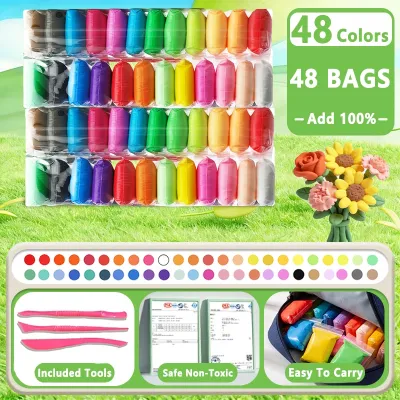
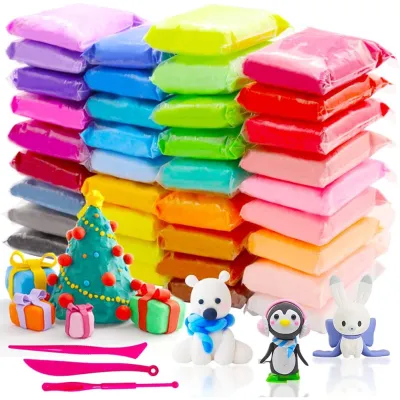

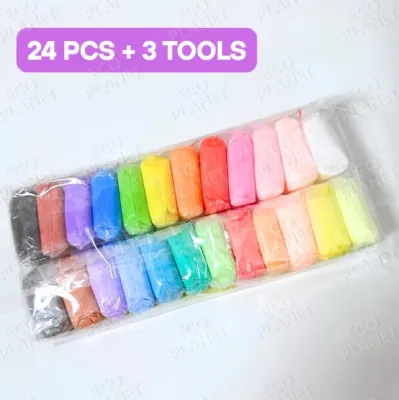
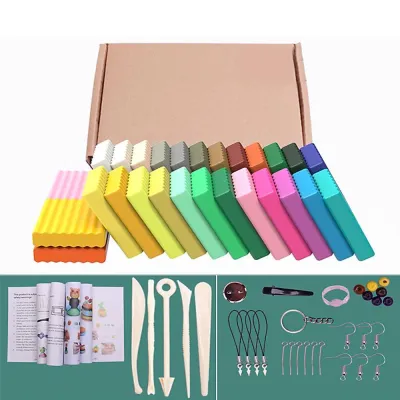
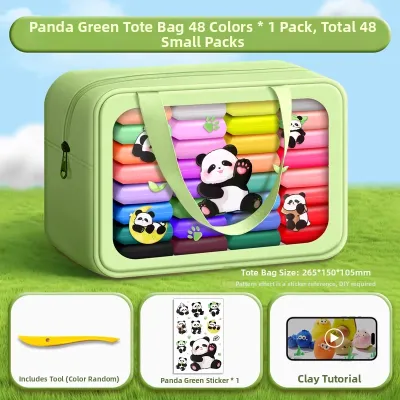
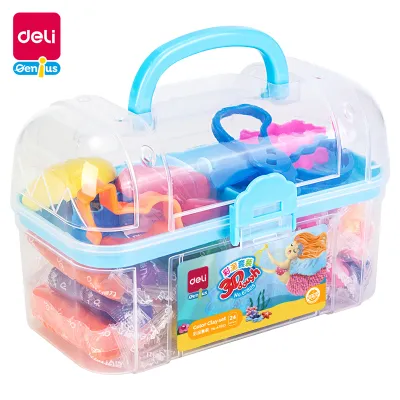
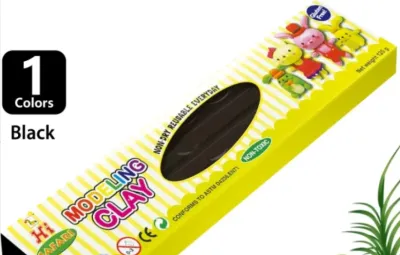
Prices are valid at publication and may change. Please refer to the product page for the latest price.
How to Match Clay Sets to Your Child's Developmental Stage
Children interact with modeling materials in vastly different ways as they grow. To make an informed choice, it helps to view clay play through the lens of developmental milestones. For toddlers, the primary objective is sensory exploration and building basic hand strength. They do not require complex tools or the ability to create realistic figures; instead, they benefit from soft, pliable doughs that respond easily to squeezing, pulling, and pounding.
As children transition into the preschool years (ages 4 to 6), their imaginative play becomes more structured. Preschoolers begin to recognize shapes, experiment with color mixing, and use simple tools to cut, roll, and stamp. They are capable of translating their thoughts into simple three-dimensional objects, such as basic animals, vehicles, or play food. For this stage, lightweight foam clays and themed play sets with molds are exceptionally engaging.
By the time children reach school age (7 years and older), they possess the fine motor control and patience required for detailed sculpting. They can plan multi-step projects, understand proportions, and work with materials that dry permanently. These older kids thrive with traditional air-dry clays, professional-grade modeling doughs, and polymer clays that allow them to preserve their creations through painting and sealing.
Beyond age-appropriate textures, understanding the core categories of modeling materials is essential. Reusable modeling dough is typically wheat-based, highly pliable, and designed for temporary play. Lightweight foam clay consists of tiny micro-beads suspended in a water-soluble binder, drying to a soft, bouncy texture. Air-dry clay is a water-based medium that hardens naturally without heat, while polymer clay is a synthetic material that requires oven curing to set permanently.
Before making any purchase, parents should always inspect product packaging for age-grading labels and non-toxic safety seals. Look for international standards such as the AP (Approved Product) seal from the Art and Creative Materials Institute, EN71 certification for European safety standards, or ASTM D-4236 compliance. These markings verify that the formulation has been evaluated for toxicological hazards, providing peace of mind for household use.
Best Clay Set Features for Toddlers (Ages 1–3): Sensory Play and Basic Motor Skills
The toddler stage is characterized by rapid physical growth and sensory discovery. When selecting a clay set for kids in this age bracket, look for compounds with an ultra-soft, pillowy texture. Toddlers have developing hand muscles and can easily become frustrated by stiff, professional-grade clays. The material should yield instantly to their touch, allowing them to experience the satisfaction of squishing and molding without physical strain.

Color selection for toddlers should be kept simple and vibrant. Large, individual portions of primary colors—red, yellow, and blue—are far better than complex multi-colored kits. These bright hues stimulate visual development and provide early opportunities for color recognition. Tools should also be limited to a few chunky, oversized plastic pieces. Large stampers with easy-to-grip handles, thick rolling pins, and simple extruders help toddlers practice their palmar grasp without risk of pinching.
Safety is the absolute priority for children under three, as they are still in the oral phase of development and frequently explore objects by tasting them. Parents must carefully verify non-toxic certifications on all modeling materials. Additionally, traditional modeling doughs are often made from wheat flour, water, and salt, which poses a severe risk to children with wheat allergies or celiac disease. If your child has gluten sensitivities, seek out labeled gluten-free alternatives made from rice or soy flour.
Active adult supervision is mandatory during toddler play sessions. Even non-toxic, food-grade doughs can present choking hazards if swallowed in large clumps or if the set contains small, detachable plastic parts. Choose sets that feature solid, single-piece molds and tools. Managing the inevitable taste-testing phase involves gently redirecting the child’s attention and choosing doughs with a high salt content, which naturally deters ingestion through an unappealing, bitter taste.
Ideal Clay Sets for Preschoolers (Ages 4–6): Shape Building and Fine Motor Control
Preschoolers are developing refined fine motor skills, including the pincer grasp and bilateral hand coordination. This age group is ready for clay sets that include a wider variety of child-safe tools. Plastic rolling pins with textured patterns, cookie-cutter-style molds, safety scissors, and basic sculpting knives allow them to experiment with cutting, shaping, and stamping. These activities strengthen the hand muscles required for early writing and scissor-cutting in school.
At this stage, children transition from random squeezing to intentional creation. They enjoy themed kits that spark imaginative play, such as baking sets, dinosaur excavation scenes, or animal safari kits. These sets provide a structured starting point while leaving room for open-ended customization. Preschoolers also begin to grasp the concept of color mixing, delighting in the discovery that blending yellow and blue dough produces green.
Lightweight foam clay is an exceptional choice for preschoolers. This material is incredibly soft and easy to manipulate, sticking to itself easily while leaving no sticky residue on small hands or play tables. Foam clay is highly elastic, allowing kids to pull it into long strands without tearing. Because it dries to a lightweight, slightly flexible, and bouncy state, finished projects do not break easily when dropped—a common occurrence with active preschoolers.
When introducing tools to preschoolers, choose items made from durable, BPA-free plastics with rounded edges. Avoid any metal tools or plastics with sharp points. Show your child how to stabilize the clay with one hand while using a tool with the other, which builds essential coordination. Themed accessories should be large enough to handle easily but detailed enough to produce recognizable shapes, keeping the child motivated and engaged.
Recommended Clay Sets for School-Age Kids (Ages 7+): Detailed Sculpting and Patience
School-age children are capable of conceptualizing complex projects and working patiently toward a finished goal. For this group, look for clay sets that feature traditional air-dry clay or professional-grade modeling compounds. These materials allow for intricate detailing, smooth finishes, and permanent preservation. School-age kids can handle finer details, such as sculpting facial features on figurines, creating realistic miniature foods, or building small architectural models.
To support this advanced level of crafting, sets should include specialized sculpting tools. Wooden or plastic modeling knives, wire loop tools for carving away excess material, smoothing sponges, and fine-tip detailing brushes are highly beneficial. Additionally, older kids can learn to use armatures—internal support structures made of aluminum wire, foil, or wooden dowels—to prevent tall or top-heavy sculptures from collapsing or warping as they dry.
Working with permanent mediums teaches valuable lessons in project planning and patience. Unlike reusable dough, air-dry clay requires 24 to 48 hours to cure completely, depending on the thickness of the piece and the local humidity. Children must learn to plan their workflow, construct their pieces in stages, and wait for the material to dry before applying finishing touches. This multi-step process fosters concentration and a sense of long-term achievement.
While older children can work more independently, safety considerations remain important. Some advanced sculpting sets may include sharper plastic or metal tools that require responsible handling. Parents should establish a dedicated crafting space, such as a desk protected by a silicone mat, to prevent damage to household furniture. If your child plans to paint or seal their finished air-dry pieces, ensure they work in a well-ventilated area, and handle any aerosol sealants or heavy-duty acrylics with adult assistance.
Quick Comparison: Matching Clay Materials to Age Groups
To help you quickly identify the best modeling material for your child’s age, safety needs, and your household cleanup preferences, refer to the comparison table below.
| Clay Material Type | Best Age Group | Drying/Hardening Properties | Tool Requirements | Cleanup Ease |
|---|---|---|---|---|
| Reusable Modeling Dough | Ages 1–3 | Remains soft in airtight storage; air-dries to a crusty finish if left out. | Chunky plastic stamps, large rolling pins. | High; dry crumbs can be vacuumed or swept up easily. |
| Lightweight/Foam Clay | Ages 4–6 | Air-dries to a flexible, spongy texture within 24 hours. | Basic plastic molds, rolling pins, plastic cutters. | Excellent; non-sticky, leaves no residue on surfaces. |
| Air-Dry Clay | Ages 7+ | Hardens permanently at room temperature in 24–48 hours. | Sculpting knives, wire loops, sponges, water. | Moderate; requires wiping surfaces with a damp cloth. |
| Oven-Bake Polymer Clay | Ages 8+ (with adult supervision) | Requires baking in a home oven at low temperatures to cure. | Metal or plastic detail tools, acrylic rollers. | High; non-sticky but can leave oily residue; requires hand washing. |
Note: Always refer to the manufacturer’s packaging for specific drying times, baking temperatures, and age recommendations before starting a project.
Safety, Allergens, and Cleanup: A Parent’s Pre-Purchase Checklist
Before purchasing a clay set for kids, establishing a clear safety and maintenance checklist can prevent accidents and preserve your home’s surfaces. Begin by carefully reading the product packaging. Look for certified non-toxic labels such as the AP seal or ASTM D-4236 compliance, which guarantee the material is safe for skin contact. If your child has known food allergies, review the ingredient list; wheat-based doughs can trigger reactions in gluten-sensitive children, while some alternative doughs may contain soy or dairy derivatives.
Cleanup strategies vary depending on the type of clay used. For traditional reusable modeling dough, the easiest way to clean up spills on carpets or fabrics is to let the dropped pieces dry completely. Once hardened, the dough can be easily brushed out of the carpet fibers with a stiff brush and vacuumed away. Trying to wipe wet, sticky dough off a fabric surface often smears the pigment and embeds the material deeper into the fibers.
For water-based air-dry clays, keep a damp microfiber cloth and a small bowl of water on the work surface. The water helps smooth out cracks during sculpting, while the damp cloth makes it simple to wipe away clay dust and residue from hands and tables before it dries. If working with polymer clay, be aware that it can leave an oily residue on porous wooden tables. Always protect your furniture with a silicone baking mat, a sheet of wax paper, or a plastic table cover.
Proper storage is vital to extending the lifespan of reusable clays and preventing premature drying. In the warm, humid climate of the Philippines, organic, wheat-based doughs can occasionally develop mold if stored in damp conditions for extended periods. Conversely, air-conditioned rooms can dry out open dough rapidly. Always store reusable doughs and foam clays in airtight containers immediately after play. If the original packaging does not seal tightly, transfer the material to zip-top bags or small food-grade plastic tubs with silicone gaskets.
Frequently Asked Questions (FAQ)
Is air-dry clay safe for toddlers?
Traditional air-dry clay is generally not recommended for toddlers under the age of three. Although many commercial brands are labeled non-toxic, the physical properties of air-dry clay pose several risks for very young children. The material has a high clay-to-water ratio, making it sticky and adhesive when wet, which can cause distress if it gets stuck to a toddler’s skin, hair, or clothing. Furthermore, toddlers frequently put items in their mouths; swallowing air-dry clay can lead to choking or mild digestive blockages as the material absorbs moisture and expands slightly. The dried pieces can also break into small, sharp fragments that pose a physical hazard. For toddlers, stick to soft, reusable modeling doughs specifically formulated for early childhood play.
How can I revive dried-out modeling dough?
You can often revive slightly dried-out, reusable modeling dough by adding moisture back into the compound. Start by adding a few drops of clean water directly to the dough and kneading it thoroughly to distribute the moisture. If the dough is highly dehydrated and stiff, wrap it completely in a damp paper towel, place it back inside its airtight plastic container, and seal the lid tightly. Let it sit undisturbed overnight. The next day, remove the paper towel and knead the dough until it regains its soft, pliable texture. If the dough has turned completely rock-hard, crystallized, or developed visible mold spots—which can happen in humid tropical environments—it cannot be safely restored and should be discarded immediately.
Do I need an oven for kids' clay projects?
Whether you need an oven depends entirely on the type of clay your child is using. Reusable modeling doughs and lightweight foam clays do not require any heat treatment; they either remain pliable or dry naturally at room temperature. Traditional water-based air-dry clays also cure completely on their own within 24 to 48 hours without any baking. Only polymer clays require baking in a conventional home oven to cure and harden permanently. Because polymer clay must be baked at precise temperatures (typically between 110°C and 130°C) and can emit mild plasticizer fumes during the curing process, this step must always be performed exclusively by an adult using proper oven thermometers, never by children.

Community discussion
Share your experience or ask a question. Comments are reviewed before publication.