
The best file boxes for organizing folders and binders must balance precise internal dimensions, structural load capacity, and environmental resistance. Finding the right storage solution requires looking beyond simple aesthetics to evaluate how well a box handles the physical weight of paper and the ambient humidity of a tropical climate. Whether you are archiving tax documents, organizing school binders, or keeping active client folders within arm’s reach, selecting a box with the correct sizing, material composition, and structural reinforcement ensures your documents remain pristine and accessible.
Core Sizing and Capacity Requirements
When selecting a file box, the first and most critical step is verifying that your documents, folders, and binders will actually fit inside without bending or warping. Standard letter-sized documents measure 8.5 by 11 inches, while legal-sized documents measure 8.5 by 14 inches. However, hanging folders and manila folders add extra width and height due to their hanging rods and indexing tabs. A standard letter-sized file box typically requires an internal width of at least 12 inches to allow folders to slide smoothly, while legal-sized documents demand an internal width of at least 15 inches.
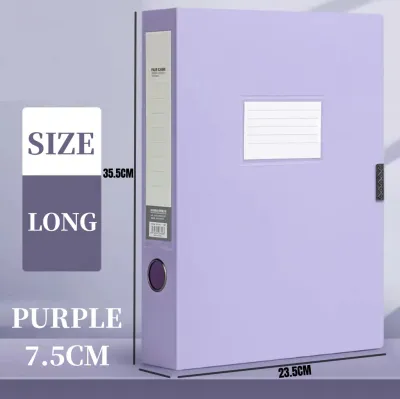
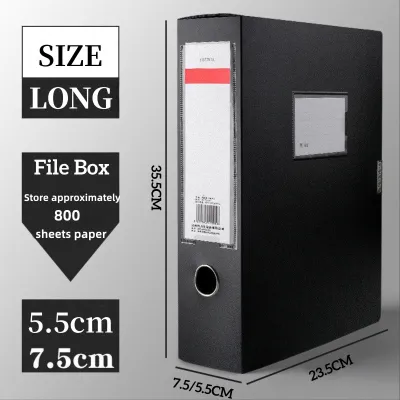
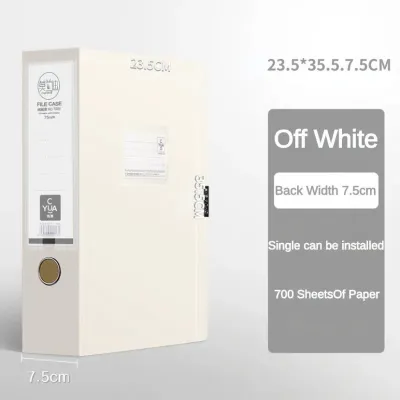
Ring binders present an entirely different sizing challenge because they are significantly bulkier than loose folders. A standard 2-inch ring binder actually has a spine width of nearly 3 inches and a depth of 11.5 inches due to the D-ring or round-ring mechanism. If you try to store these in a standard file box designed only for letter folders, the binder spines will protrude or force the box walls to bow outward. To accommodate binders, look for boxes with extra depth (at least 12 to 13 inches internally) and a height that allows the lid to close completely without pressing down on the binder tops.
Products mentioned in this guide
Prices are valid at publication and may change. Please refer to the product page for the latest price.
Paper is deceptively heavy, and underestimating the weight capacity of a file box can lead to structural failure. A single ream of standard 80gsm copy paper weighs approximately 2.5 kilograms. A fully packed letter-sized file box can easily weigh between 15 to 20 kilograms, while a box filled with heavy-duty ring binders can exceed this. When selecting a box, check the manufacturer’s rated weight capacity and look for double-walled bottoms and reinforced corners to prevent the bottom from dropping out when the box is lifted.
Recommended File Box Designs for Ring Binders
For active workspaces where binders are retrieved multiple times a day, open-top file crates or desktop organizers are highly efficient. They eliminate the step of removing a lid and allow binder spines to remain visible for quick identification. However, for long-term storage or high-dust environments, lidded designs are essential. If choosing a lidded box for binders, ensure the lid is deep enough to clear the top of the binder tabs and rings without compressing them.

Because binders concentrate weight in specific spots, especially along their rigid bottom edges, they can easily puncture or wear down thin box materials. High-quality binder boxes feature double-walled cardboard or thick molded plastic bases. Reinforced plastic or metal corners help distribute the weight evenly when boxes are stacked, preventing the lower boxes from collapsing under the concentrated load of the binders above.
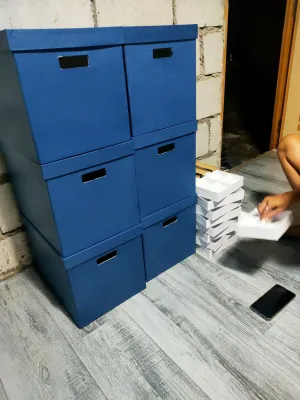
Lifting a dense box of binders requires secure, comfortable handles. Cheap cut-out handles on single-walled cardboard boxes are notorious for tearing under heavy loads. Look for boxes with reinforced, plastic-lined handle cut-outs or molded external handles. The handles should be positioned high enough on the box sides to maintain balance while carrying, but low enough to avoid compromising the structural integrity of the upper rim.
Recommended File Box Designs for Standard Folders
Often referred to as banker’s boxes, standard record storage boxes are the gold standard for archiving flat folders and loose documents. They typically feature separate or attached flip-top lids that keep dust out while allowing easy access. These boxes are designed to hold either letter-sized folders facing one direction or legal-sized folders facing the other, making them highly versatile for general office archiving.
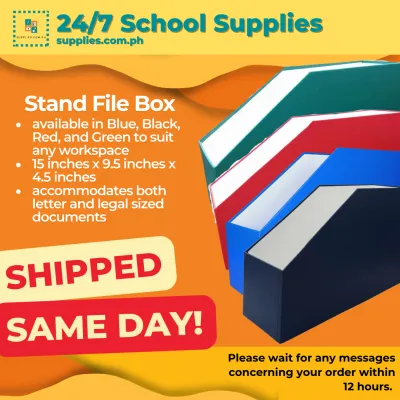
For active, daily-use folders, magazine-style holders or step-file boxes are much more practical than deep storage boxes. These open-front designs sit on your desk or shelf, keeping folders upright and immediately accessible. Step-file boxes feature tiered compartments that prevent folders from slipping behind one another, ensuring that labels remain visible at all times.
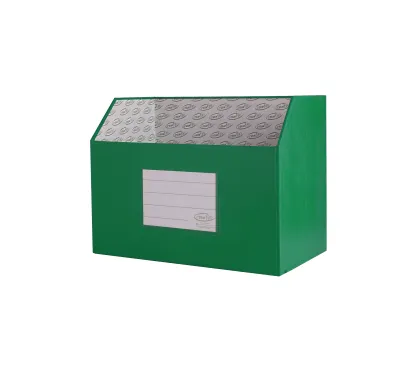
Efficient organization relies heavily on clear labeling. Look for file boxes that feature pre-printed labeling grids on multiple sides, allowing you to identify the contents regardless of how the box is oriented on a shelf. Some premium plastic or fabric boxes include clear plastic index windows where you can slide in custom printed labels. Utilizing different colored boxes for different departments or document types further speeds up retrieval times.
Material Choices for Different Storage Environments
Corrugated cardboard is the most cost-effective and traditional material for file boxes. It is lightweight, highly recyclable, and breathable, which helps prevent moisture from becoming trapped inside the box in dry, climate-controlled offices. However, in the humid tropical climate of the Philippines, standard cardboard can absorb ambient moisture over time, leading to softening, sagging, and potential mold growth. If using cardboard in non-air-conditioned spaces, ensure the boxes are kept off the floor and away from exterior walls.
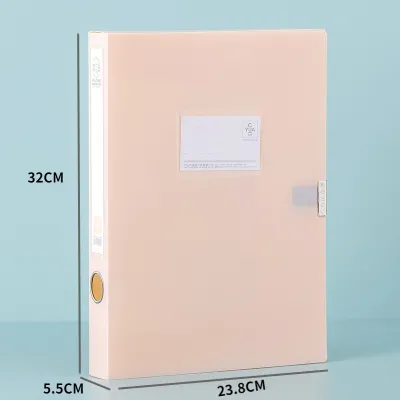
For environments prone to high humidity, dust, or occasional water exposure, plastic file boxes are the superior choice. Polypropylene is highly durable, water-resistant, and easy to wipe clean with a damp cloth. Plastic boxes often feature secure, latching lids that protect documents from pests and moisture. They are ideal for home offices, warehouses, or storage rooms in tropical regions where humidity levels fluctuate throughout the year.
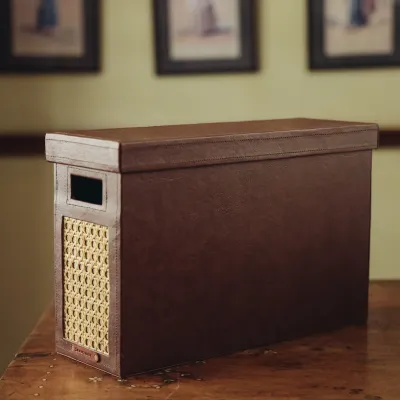
If you require maximum durability and a modern aesthetic for an active office, metal or wire mesh file boxes are excellent options. Wire mesh designs offer high visibility, allowing you to see exactly what folders are inside without opening the box, and they do not trap dust or moisture. Solid metal boxes provide exceptional security and structural strength, making them suitable for heavy-duty industrial environments or high-traffic offices where boxes are subjected to rough handling.
Building Your Shortlist: Features to Verify Before Buying
Before browsing online marketplaces or visiting local stationery stores, measure your largest binder or folder. Note the height, width, and depth, including any protruding tabs or rings. Compare these measurements against the internal dimensions listed by the manufacturer, rather than the external dimensions, which often include lids, handles, and wheels.
If you plan to stack your file boxes to save floor space, verify their stacking weight rating. Look for boxes with interlocking lid designs that prevent the top box from sliding off. In terms of budget, high-quality cardboard boxes typically range from ₱150 to ₱400 each, while durable plastic utility file boxes can range from ₱500 to over ₱1,500. Investing in a sturdier box upfront prevents the costly damage of collapsed stacks and ruined documents.
Many file boxes, especially cardboard and fabric models, ship flat-packed to save on shipping costs. Review the assembly instructions to ensure they do not require complex tools or adhesives. For premium plastic or metal boxes, check if the manufacturer offers a warranty against cracking or structural failure, which provides peace of mind for long-term organizational investments.
Frequently Asked Questions (FAQ)
Can I store hanging folders in a standard record storage box?
Yes, but you must verify if the box has built-in features to support them. Standard record storage boxes often have molded inner ridges or pre-cut slots designed to hold the metal hangers of hanging folders. If the box lacks these built-in rails, you will need to purchase a separate metal or plastic hanging folder frame that fits inside the box to keep your folders suspended and sliding smoothly.
How do I prevent cardboard file boxes from sagging over time?
To prevent sagging, always distribute weight evenly within the box, placing the heaviest items at the bottom. Avoid overfilling the box to the point where the sides bow outward, and leave a small gap of about one inch at the top so the lid rests flat without pressure. Additionally, keep cardboard boxes off concrete floors by placing them on plastic pallets or metal shelving, and maintain a stable indoor humidity level to prevent the cardboard from absorbing moisture and losing its structural integrity.

Community discussion
Share your experience or ask a question. Comments are reviewed before publication.