
Finding the best hospital sticker label options for your bullet journal in the Philippines depends on matching your specific journaling style—whether that is tracking chronic illnesses, managing nursing school schedules, or designing vintage medical spreads—with the right sticker material and adhesive strength. In a tropical climate where high humidity can affect both paper tension and adhesive longevity, choosing the correct sticker type ensures your layouts remain intact and legible over time. From functional tracking sheets to decorative pastel graphics, selecting the right medical-themed stickers can transform your health logs into visually engaging and highly organized records.
Using stickers to document medical appointments, daily medications, and symptom patterns helps reduce the cognitive load of health tracking. Instead of writing repetitive notes, a single well-placed icon can convey complex information at a glance. By understanding the material properties, cutting styles, and layout scales available on the market, you can build a functional stationery kit that supports your physical well-being and creative expression.
How to Choose Medical-Themed Stickers for Your Bullet Journal
Material Compatibility
Matching your sticker material to your journal’s paper weight is crucial for maintaining a clean, professional-looking notebook. Washi paper stickers are thin, semi-translucent, and highly porous, allowing them to blend seamlessly into standard paper without adding bulk to your journal. They are easy to tear by hand and can usually be repositioned if you make a mistake during layout setup.
Products mentioned in this guide
Prices are valid at publication and may change. Please refer to the product page for the latest price.
In contrast, PET (polyethylene terephthalate) and vinyl stickers are thick, completely waterproof, and highly durable. While they offer vibrant color reproduction and sharp details, their non-porous surfaces require specialized writing instruments, as standard water-based gel pens will smear on them. Before applying heavy vinyl or PET stickers, verify your bullet journal’s paper density; notebooks with thinner paper (around 80 GSM) may sag or warp under the weight of multiple plastic stickers, whereas thicker papers (120 GSM to 160 GSM) handle them with ease.
Cutting Styles
Stickers generally come in two primary cutting formats: die-cut and kiss-cut. Die-cut stickers are individually sliced through both the sticker material and the backing paper, resulting in single, loose pieces. These are excellent for large, decorative focal points on monthly cover pages or for tucking into journal pockets to use on the go.
Kiss-cut stickers are supplied on a larger sheet where only the top sticker layer is cut, leaving the backing paper intact. This format is highly organized and portable, keeping dozens of tiny medical icons neatly aligned in one place. For daily tracking and weekly planning, kiss-cut sheets are highly efficient because they allow you to peel off small icons quickly without dealing with loose backing scraps.
Adhesive Strength
Adhesive formulations dictate how permanent your layouts will be. Removable adhesives are ideal for temporary scheduling, such as noting tentative doctor consultations, physical therapy sessions, or laboratory tests that might be rescheduled. These light glues allow you to lift and move the sticker without tearing the underlying paper fibers.
Permanent adhesives, often found on utility labels and high-gloss vinyl stickers, form a strong bond with the paper almost instantly. Use permanent stickers for historical medical logs, vaccine records, or yearly symptom trackers that must remain securely in place for years. In the high humidity of the Philippines, low-quality adhesives can degrade or slide, so choosing reputable stationery brands with stable acrylic-based adhesives prevents your layouts from peeling at the corners.
Size and Scale
Most bullet journals in the Philippines utilize a standard A5 size with a 5mm dot grid pattern. When shopping for a hospital sticker label, always verify the product dimensions listed by the seller. Decorative stickers that are too large will quickly crowd your daily spreads, leaving little room for actual writing.
For functional tracking, look for micro-icons and small labels measuring between 5mm and 12mm. Icons of this size fit perfectly within a single dot grid square, allowing you to align medical symbols neatly alongside your text. Larger decorative elements, such as vintage anatomical drawings or retro hospital illustrations, are best reserved for monthly dividers or dedicated health overview pages where they can serve as artistic anchors.
Best Cute and Kawaii Hospital Sticker Labels
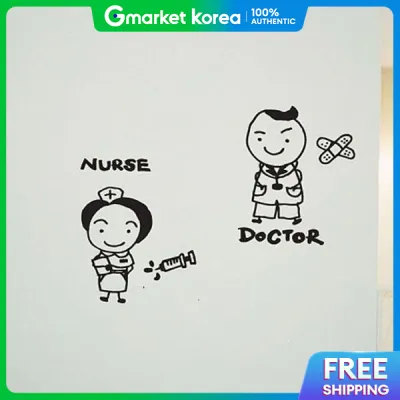
Cartoon Nurse and Doctor Character Stickers
Character-driven medical stickers feature chibi-style healthcare professionals, friendly animals dressed in scrubs, and animated first-aid kits. These playful designs are highly effective at softening the serious, sometimes stressful tone of health tracking. Incorporating a smiling cartoon character into a daily pain log or medication tracker can make the routine of documentation feel less like a chore and more like a positive habit.

These stickers are particularly useful for marking workout achievements, mental health check-ins, or successful hydration days. When selecting character stickers, it is important to check the opacity of the printing. Lower-grade stickers often have semi-transparent white areas, which allow the dark dot grids or black ink lines of your journal to show through, making the characters look muddy. Look for high-opacity matte paper or white vinyl backings to keep the colors vibrant.
Pastel Medical Equipment and Pill Stickers
Pastel medical stickers present clinical tools—such as stethoscopes, pill blister packs, thermometers, and bandages—in soft, aesthetic color palettes like lavender, mint, blush pink, and baby blue. These designs are perfect for creating visually cohesive spreads that do not feel overly clinical or sterile. They allow you to maintain a soft, calming aesthetic throughout your journal while still recording essential health data.
These soft-toned stickers integrate beautifully with the mild highlighter markers popular among Filipino students and planners. You can color-code your health metrics by matching a pastel pink pill sticker with a pink highlighter stroke to represent morning medications, and a light blue stethoscope sticker for afternoon vitals. To ensure a clean finish, inspect the print quality and cutting registration of the sheets; high-quality pastel stickers should have crisp, clean edges without any pixelation or off-center white borders.
Best Vintage and Minimalist Medical Stickers
Retro Anatomy and Botanical Medical Labels
For nursing students, medical professionals, and those who appreciate a classic aesthetic, vintage medical stickers offer a sophisticated alternative to cartoon designs. These stickers typically feature detailed illustrations of skeletal structures, anatomical hearts, antique apothecary bottles, and historical botanical remedies. They add an academic, vintage charm to your journal pages, turning your health tracking into a work of art.
To create a cohesive vintage spread, pair these detailed illustrations with sepia, black, or dark forest green inks. Writing your entries with a fountain pen or a fine-point gel pen on cream-colored paper complements the antique feel of the stickers. When purchasing retro stickers, look for a genuine, fibrous washi paper texture; a matte, slightly textured surface enhances the historical look, whereas an artificially glossy laminate can make vintage designs look cheap and modern.
Minimalist Line-Art Hospital Icons
Minimalist line-art stickers feature simple, clean drawings of medical symbols, such as a single-line cross, a basic syringe outline, or a minimalist hospital building. These stickers prioritize functional simplicity, making them ideal for minimalist planners who prefer clean layouts with plenty of white space. They convey the necessary information instantly without drawing too much attention away from your written notes.
These icons are highly effective for rapid logging and compact weekly spreads where space is limited. Because they lack heavy color fills, they do not overwhelm your pages or clash with your existing color schemes. Before applying line-art stickers, verify the contrast of the printed lines; the black or dark grey ink should be sharp and opaque so that the thin lines remain easily readable against both bright white and cream-colored notebook papers.
Best Functional Hospital Labels for Health Tracking
Pre-Printed Text Labels
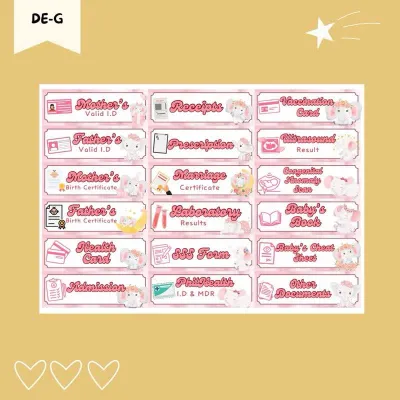
Pre-printed text labels are designed specifically to save time during your weekly or monthly setup. These stickers feature clean, highly legible typography with common medical terms such as “Meds,” “Symptoms,” “Vitals,” “Appointments,” “Doctor,” and “Sleep.” Using these pre-made headers eliminates the need to repeatedly handwrite the same titles, ensuring your health logs look uniform and organized.
When choosing text-based labels, pay close attention to the font size and style. The lettering should be large enough to read easily at a glance but small enough to fit within your standard column widths. Sans-serif fonts offer a modern, clean look that is highly legible, while delicate script fonts add a touch of elegance to your tracking pages.
Writable Blank Labels
Writable blank labels are shaped like medical clipboards, blank prescription slips, or pill bottles with empty white spaces in the center. These stickers allow you to customize your tracking by writing specific dosages, doctor names, blood pressure readings, or symptom severity scores directly onto the sticker. They combine the visual appeal of a decorative sticker with the utility of a blank notepad.
These labels are excellent for highlighting critical medical information that you might need to reference quickly, such as emergency contact numbers or specific medical instructions. By placing this information inside a dedicated, medical-themed border, you ensure it stands out from the rest of your daily journal entries.
Pen Compatibility
Before committing to a full page layout, always test your writing instruments on a spare corner of your writable stickers. Standard gel pens, fountain pens, and water-based fine-liners work perfectly on porous washi paper, drying quickly without smudging. However, if your writable labels are made of PET, vinyl, or heavily coated glossy paper, water-based inks will bead up on the surface and smear easily.
For non-porous sticker materials, use oil-based ballpoint pens, permanent fine-liners, or multi-surface markers. Allowing the ink to dry for a few seconds before touching the page prevents accidental smudging. If you prefer using fountain pens or gel pens, stick exclusively to uncoated paper or matte washi stickers to ensure fast drying times.
Color-Coding Systems
Implementing a color-coding system with your functional medical labels makes interpreting your health data effortless. You can purchase multi-pack sticker sheets that offer the same functional icons in various colors, assigning a specific meaning to each hue. This visual organization allows you to assess your health trends over a month without reading every individual entry.
For example, you can assign red or bright orange stickers for urgent symptoms and emergency doctor visits, blue for routine health check-ups, yellow for preventative care like vitamins, and green for physical therapy or exercise. This systematic approach turns your bullet journal into an intuitive health dashboard that is both beautiful and highly functional.
Where to Buy Hospital-Themed Stickers in the Philippines
Local Stationery and Craft Shops
Visiting physical stationery boutiques and craft stores in major Philippine cities—such as Metro Manila, Cebu, and Davao—allows you to inspect the stickers in person before buying. This hands-on experience is invaluable for checking the exact paper texture, assessing the adhesive tackiness, and confirming the true scale of the icons against your physical journal. Many local specialty shops curate unique selections from independent Filipino artists, offering designs tailored specifically to the local planning community.
Online Craft Marketplaces and E-commerce Platforms
For a wider variety of niche medical themes, online marketplaces and e-commerce platforms offer extensive catalogs from both local creators and international distributors. You can find specialized sticker sheets designed for nursing students, medical professionals, and chronic illness warriors by using specific search terms like “medical planner stickers” or “hospital icon stickers.” Shopping online also allows you to compare different design styles and sheet sizes from the comfort of your home.
Seller Verification
Because you cannot physically inspect products when shopping online, verifying the seller’s credibility is essential. Always read the customer reviews and look for photo uploads from buyers in the Philippines. These real-life photos provide a more accurate representation of the sticker colors, cutting precision, and overall sheet size than the stylized digital mockups provided by the seller.
Shipping and Logistics
The tropical climate and high humidity in the Philippines mean that paper products can easily absorb moisture or warp during transit if not packaged correctly. When ordering stickers online, especially from overseas sellers, check reviews to see how they package their items. Reliable sellers ship their sticker sheets inside rigid cardboard mailers or with thick backing boards inside sealed plastic sleeves, protecting your stationery from bending, creasing, and moisture damage during delivery.
Tips for Applying and Removing Stickers in Bullet Journals
Application Tools
Precision is key when placing tiny medical icons onto a 5mm dot grid. Using your fingers can block your view of the grid lines, leading to crooked or misaligned stickers. Instead, use a pair of fine-tip craft tweezers to hold the sticker by its edge. This tool allows you to place the sticker exactly where you want it before pressing it down, ensuring your layouts remain neat and perfectly aligned.
Safe Removal
If you need to remove a sticker from your journal, doing so too quickly can tear the delicate paper fibers of your page. For washi paper stickers, gently slide the tip of your tweezers under one corner and lift slowly. For PET or vinyl stickers, peel the material back very slowly at a low angle, keeping the sticker almost flat against the page as you pull to minimize tension on the paper.
Repositioning
While high-quality washi paper stickers are generally designed to be repositionable, repeated peeling and resticking will weaken the adhesive bond. This is especially true in humid environments, where dust and moisture can quickly collect on the exposed glue. To ensure your stickers stay flat and secure, try to finalize your layout placement before pressing down firmly on the sticker surface to activate the adhesive.
Frequently Asked Questions (FAQ)
Will hospital stickers leave residue on my bullet journal pages?
High-quality washi paper stickers typically use mild, acrylic-based pressure-sensitive adhesives that are designed to peel off cleanly without leaving any sticky residue behind. These are highly safe for delicate journal papers. However, cheaper vinyl or PET stickers with aggressive permanent adhesives can leave a tacky residue or even tear the paper fibers if you attempt to remove them. To protect your journal, always perform a quick test by applying and removing a single sticker on an unused index or swatch page at the back of your notebook.
Can I write on PET medical stickers with a fountain pen?
Standard PET medical stickers are made of a plastic-based, non-porous material, which means they cannot absorb liquids. If you attempt to write on them with a fountain pen or water-based gel pen, the ink will bead up on the surface, pool, and smudge easily when touched. If you want to write on your stickers with a fountain pen, you must look specifically for uncoated paper stickers or matte washi paper. For standard PET stickers, stick to oil-based ballpoint pens or permanent fine-line markers to ensure your writing dries instantly and does not smear.

Community discussion
Share your experience or ask a question. Comments are reviewed before publication.