
The best magic water coloring books for preschoolers in the Philippines are those that combine durable, thick cardboard pages, leak-proof ergonomic pens, and engaging educational themes. These books offer a mess-free alternative to traditional paints and markers, making them incredibly popular among Filipino parents who want to foster creativity without the cleanup hassle. A high-quality magic book that uses water reveal technology allows young children to paint with pure water, watch vibrant colors magically appear, and then reuse the pages once they dry. This innovative approach to early childhood art supplies provides a bridge between sensory play and early writing skills, all while keeping your home’s walls, tables, and floors perfectly clean.
In a tropical environment like the Philippines, where indoor play is common during the rainy season and hot afternoons, finding engaging, screen-free activities is essential. Water-reveal books serve as an excellent solution, capturing a child’s attention with instant visual feedback. By understanding what features make these books durable and educational, you can select the perfect options that will withstand daily use by energetic preschoolers.
Developmental and Practical Benefits of Water Reveal Books
Introducing water-reveal books into a child’s daily routine offers a wide range of developmental advantages that go far beyond simple entertainment. For parents and educators, the most immediate benefit is the entirely mess-free nature of the activity. Because the accompanying pens are filled only with clean water, there is zero risk of permanent ink stains, crayon marks, or paint spills on clothing, upholstery, walls, or wooden floors. This dramatically reduces the stress associated with creative play, allowing parents to encourage independent artistic exploration without constant, anxious supervision.
Products mentioned in this guide
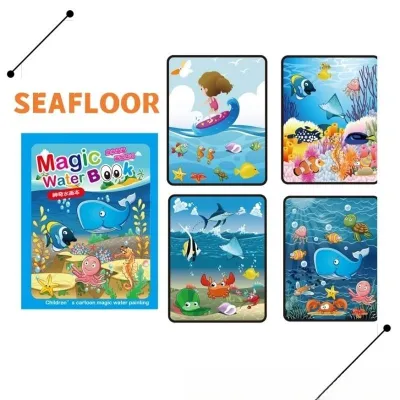
Prices are valid at publication and may change. Please refer to the product page for the latest price.
From a physical development standpoint, maneuvering a water pen is an excellent way for toddlers and preschoolers to build fine motor skills. Gripping the pen helps young children develop their hand muscles and finger coordination, transitioning them from a primitive palmar grasp to a more mature digital grasp. This physical practice directly prepares their hands for the demands of holding traditional pencils and crayons when they enter formal schooling. The smooth gliding action of the wet fiber tip on the treated page provides helpful tactile feedback, making it easier for small hands to control their strokes.
These books also serve as a practical tool for cognitive development by demonstrating the concept of cause and effect. When a child drags the wet pen tip across the white page, vibrant colors and hidden illustrations instantly appear. This immediate visual feedback teaches preschoolers that their physical actions have direct, predictable consequences. As the water slowly evaporates and the images fade back to white, children are introduced to the concepts of change, evaporation, and temporary states, sparking natural curiosity and scientific thinking.
Finally, the reusability of water-reveal books makes them an exceptionally cost-effective and sustainable choice for early childhood education. Traditional coloring books are single-use items; once a page is colored, it cannot be undone, leading to a constant need for replacement. In contrast, a single water-reveal book can be painted, dried, and repainted dozens or even hundreds of times. For budget-conscious Filipino families, this longevity represents a smart investment in early learning materials that will not quickly end up in the waste bin.
Key Features to Look for in a Magic Book
When shopping for a magic book that utilizes water-reveal technology, evaluating specific design and material features will ensure you purchase a product that is both durable and highly functional. Not all water coloring books are constructed equally, and understanding these key dimensions will help you make an informed choice.

Page Material and Thickness The overall durability of a water coloring book depends heavily on the quality of its pages. Cheaply made books often use thin paperboard that absorbs water too quickly, leading to warping, bubbling, and eventual tearing of the white water-reactive film. To ensure longevity, look for books constructed from thick, multi-layered cardboard pages (at least 1.5mm to 2mm thick) with heavily laminated edges. This robust construction prevents water from seeping into the inner paper fibers, keeping the pages flat and intact even after repeated wetting. Additionally, prioritize books with sturdy plastic or metal spiral bindings. Spiral bindings allow the book to lay completely flat on a table or floor, which prevents the pages from flipping back on their own and ensures an even application of water.
Water Pen Design The water pen is the primary tool your child will interact with, making its design crucial for both safety and usability. Look for pens with ergonomic, chunky barrels that are easy for small, developing hands to grip securely. The pen must feature a secure, reverse-thread screw mechanism to open the water reservoir; this design prevents clever toddlers from accidentally unscrewing the pen and spilling water all over themselves. The tip of the pen should be made of a high-density polyester fiber that glides smoothly across the page. Avoid pens with overly soft or loosely packed fiber tips, as these can quickly fray or get pushed entirely into the plastic barrel by enthusiastic preschoolers.
Drying Speed and Reusability The time it takes for a page to dry and return to its original white state is a critical factor in maintaining a preschooler’s interest. In the warm and humid climate of the Philippines, drying speeds can vary significantly depending on indoor conditions. High-quality books feature advanced hydrophobic coatings that dry within 5 to 10 minutes under standard indoor conditions. To verify the performance of a new book, you can perform a simple trial at home: lightly moisten a small corner of a page with a damp cloth and observe how quickly the color fades. A fast-drying page ensures that by the time your child finishes coloring the last page of the book, the first page is already dry and ready to be colored again.
Educational vs. Entertainment Themes Choosing the right theme depends on your child’s current learning goals and interests. For structured learning, select books that feature alphabet tracing, number counting, shape matching, or simple word recognition. These educational designs use the water-reveal element to make learning letters and numbers feel like a fun game rather than a chore. If your goal is to encourage imaginative play and vocabulary development, opt for story-based or freeform doodle themes featuring animals, vehicles, marine life, or fantasy scenes. These open-ended designs allow children to narrate their own stories as they reveal different characters and hidden elements on each page.
Best Types of Magic Water Coloring Books to Consider
To find the best fit for your home or classroom, it is helpful to understand the different formats of water-reveal products available in the Philippine market. Each type serves a specific play style, environment, and age group.
Reusable Cardboard Water Reveal Books
This is the most common and widely available format, characterized by rigid, board-book style pages bound by a heavy-duty spiral spine. These books typically feature four to six double-sided pages, each containing detailed scenes or tracing exercises. Many models include a built-in plastic storage tray on the front cover, providing a dedicated space to keep the water pen secure when the book is closed.
These books are best suited for structured table-top play, desk activities, and classroom environments. The rigid cardboard pages provide a solid, self-supporting surface, allowing children to color comfortably on their laps, in a car seat, or on a soft couch without needing a hard desk. Because the cardboard is highly resistant to bending, this format is exceptionally durable and can withstand the rough handling of younger toddlers who are still learning to respect physical books.
However, these books do have some limitations. Because of the thick cardboard construction and the plastic pen tray, they are relatively heavy and bulky. They can take up a significant amount of space in smaller diaper bags or preschool backpacks, making them slightly less convenient for quick outings where space is limited.
Soft Fabric and Water Drawing Mats
Water drawing mats offer a larger, highly flexible alternative to traditional books. These products consist of a large polyester or nylon mat with a water-resistant plastic backing that protects your floors from dampness. The center of the mat features a large white drawing surface that reveals a multi-colored background when wet, and the outer border is often decorated with letters, numbers, and simple drawing guides.
This format is ideal for active toddlers, collaborative play sessions between siblings, and large-scale arm movements that support gross motor development. Because the mat is made of soft fabric, there are no sharp edges, hard bindings, or heavy pages that could cause injury or get damaged during rough play. Multiple children can sit around the mat together, sharing the drawing space and practicing cooperative play.
The primary limitation of fabric mats is the space they require. They must be laid out on a flat floor or a very large table, which may not be practical in smaller living rooms or apartments. Additionally, because the fabric holds more moisture than cardboard pages, these mats generally take longer to dry completely and must be hung up to air-dry before they can be folded and stored away without trapping unpleasant odors.
Compact Travel-Friendly Water Books
Designed specifically for families on the go, travel-friendly water books are lightweight, compact, and highly portable. These books often feature soft, water-resistant fabric covers with a secure hook-and-loop or zippered closure to keep the pages protected. Many models also include a fabric or elastic tether that attaches the water pen directly to the book spine, ensuring that the pen never gets lost during transit.
These compact books are perfect for keeping preschoolers entertained during long car rides, domestic flights, or while waiting at a restaurant or doctor’s office. The integrated design ensures that all components stay together, and the smaller page dimensions make it easy for a child to hold and color the book entirely within their lap.
The main trade-off with travel-friendly books is the smaller drawing area, which can sometimes frustrate older preschoolers who prefer more expansive canvases for detailed coloring. Additionally, because these books are frequently folded, packed, and unpacked, the seams and edges of the pages may experience faster wear and tear compared to their rigid cardboard counterparts.
Safety Boundaries and Care Instructions for Water Books
While water-reveal books are generally considered some of the safest art supplies available, proper safety checks and maintenance routines are essential to protect your child and prolong the lifespan of the product.
Pre-Purchase Safety Checks Before purchasing any water coloring book, always examine the packaging for critical safety information. Verify the manufacturer’s recommended age grading; most water-reveal books are rated for children aged 18 months or older, while some with smaller pen designs are rated for ages 3 and up. Check the water pen carefully to ensure there are no small, easily detachable parts, such as loose caps or removable fiber tips, which could pose a serious choking hazard for young children who still tend to mouth objects. Look for recognized safety standard marks on the label, such as the EN71 certification or the ASTM D-4236 designation, which indicate that the product has undergone rigorous safety testing.
Mold Prevention The warm, highly humid climate of the Philippines creates an ideal environment for mold and mildew growth, which can quickly ruin paper-based toys. To prevent mold, never close a water book while the pages are still damp. After your child finishes playing, prop the book open like an accordion on a flat surface in a well-ventilated room, preferably under a ceiling fan or near an air conditioner. Allow the pages to dry completely—until they are 100% dry to the touch—before closing the book and storing it away. Stacking wet books or storing them in airtight plastic bins while damp will trap moisture, leading to dark mold spots, unpleasant odors, and the degradation of the water-reactive coating.
Pen Maintenance Proper pen maintenance prevents bacterial buildup and ensures a smooth, continuous water flow. Empty the water reservoir of the pen after every play session rather than leaving stagnant water inside for days. If the fiber tip becomes dirty, dusty, or clogged, gently rinse it under cool, clean running water. Never use soap, harsh chemical cleaners, or hot water to clean the pen tip, as these substances can break down the synthetic fibers and permanently damage the water-flow mechanism. If the tip becomes slightly frayed, you can gently reshape it with your fingers while it is still damp.
When to Discard Regularly inspect your water books and pens for signs of wear and tear that could compromise safety or usability. Discard the book immediately if you notice the cardboard layers beginning to peel apart, as this can expose sharp, hardened glue edges or allow children to tear off and swallow pieces of the cardboard. You should also replace the water pen if the plastic casing cracks, leaks, or if the fiber tip becomes so worn down that the plastic housing of the pen scratches the delicate coating of the book pages.
When to Transition from Water Books to Traditional Coloring
Water-reveal books are a fantastic developmental stepping stone, but eventually, your preschooler will show signs of readiness for traditional coloring mediums. Recognizing these cues will help you introduce new art supplies at the right developmental moment.
Signs of Readiness Observe your child’s physical skills and behavior during play to determine if they are ready for the next step. If your preschooler has developed a refined pincer grasp (holding the water pen with their thumb and fingers rather than a closed fist), they have the physical control required for traditional crayons and colored pencils. Behavioral signs include a clear desire to keep their artwork permanently rather than watching it fade away, and a complete cessation of the tendency to put toys, pens, or non-food items in their mouth. If your child begins to express frustration that their colorful drawings disappear after a few minutes, it is a strong indicator that they are ready for permanent coloring mediums.
Next Steps in the Stationery Progression When transitioning away from water books, choose toddler-friendly art supplies designed to support their developing hand mechanics. Excellent initial choices include:
- Jumbo Beeswax Crayons: These are easy for small hands to hold and require very little physical pressure to leave vibrant, colorful marks on paper.
- Washable Dot Markers: These offer a low-mess way for children to explore bold colors and hand-eye coordination through stamping motions.
- Thick Triangular Colored Pencils: The unique triangular shape naturally guides a child's fingers into the correct tripod grip, preventing hand fatigue and promoting proper writing posture.
Concurrent Use During Transition You do not need to replace water-reveal books overnight. Instead, use them concurrently with traditional supplies to ease the transition. Keep water books readily accessible for independent play, quiet time, or travel, where mess-free convenience is highly valuable. Reserve traditional crayons, markers, and paper for supervised table activities where you can guide their technique and manage any potential mess. This balanced approach allows your child to enjoy the best of both worlds while building confidence in their artistic abilities.
Frequently Asked Questions (FAQ)
Can I use regular tap water in magic water pens?
Yes, clean, room-temperature tap water is perfectly suitable for filling magic water pens. You should avoid using hot water, as it can warp the plastic pen body or weaken the adhesive holding the fiber tip in place. Additionally, never mix liquid watercolors, food coloring, or ink into the pen reservoir. These substances will permanently stain the water-reactive white coating on the pages, permanently ruining the reusable reveal mechanism.
How long does it take for a magic water book page to dry?
Under standard indoor conditions, a magic water book page typically takes between 3 to 10 minutes to dry completely and return to its original white state. The exact drying speed depends heavily on ambient humidity levels (which are naturally higher in the Philippines), the thickness of the page coating, and how heavily the child saturated the page with water. Placing the open book near a fan or in an air-conditioned room can significantly speed up this process.
Are water reveal books suitable for children under two years old?
While the water-activated pages themselves are non-toxic and safe, the accompanying water pens often present a choking hazard for children under two years old due to small parts like the pen cap or the removable tip. Parents should strictly adhere to the manufacturer’s age recommendations, which are usually set at 18 months or 3 years and above. Continuous adult supervision is always mandatory when toddlers are playing with these books to ensure they do not chew on the pen or swallow small components.

Community discussion
Share your experience or ask a question. Comments are reviewed before publication.