
Painting rubber shoes is an excellent way to customize your footwear, restore worn-out midsoles, or express your personal style. However, rubber is one of the most challenging materials to paint because of its smooth, non-porous surface and its constant flexing during movement. To achieve a vibrant design that does not peel, crack, or flake off after a single walk, choosing the correct paint formulation is essential. While specialty shoe paints engineered with flexible resins offer the most reliable adhesion, standard acrylics mixed with flexible mediums can also deliver successful results when prepared and applied correctly. Fabric paints, though highly flexible, face unique bonding challenges on non-porous rubber surfaces and often require careful heat-setting considerations.
In tropical climates like the Philippines, high humidity and ambient heat play a significant role in how paint cures on rubber. Excess moisture in the air can prolong drying times and interfere with the chemical bonding process, making proper surface preparation and paint selection even more critical. Understanding how different paint types interact with rubber will help you select the right materials for your project, ensuring your custom design remains intact through daily wear, sudden rain showers, and humid conditions.
Why Rubber Surfaces Challenge Standard Paints
Rubber is physically engineered to be highly flexible, durable, and resistant to moisture. These exact qualities, which make rubber excellent for shoe soles, toe caps, and midsoles, also make it incredibly difficult for standard paints to grip. Unlike canvas, leather, or wood, rubber is completely non-porous. It lacks the microscopic fibers or open pores that allow liquid pigments to sink in and establish a mechanical bond. Instead, paint must adhere entirely to the outermost surface of the material.
Products mentioned in this guide
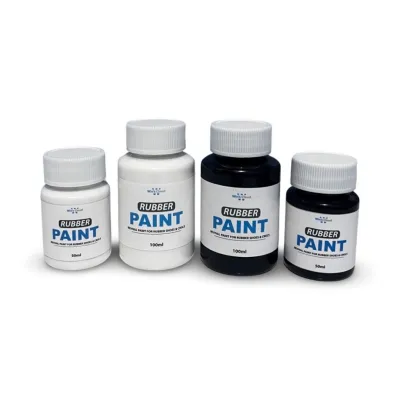
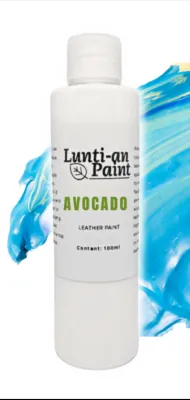
Prices are valid at publication and may change. Please refer to the product page for the latest price.
When you walk, your shoes undergo constant bending, stretching, and compression. Every step forces the rubber to flex, particularly at the toe box and along the sides of the sole. If you apply a standard paint that dries into a rigid, inflexible film, the paint cannot stretch along with the rubber. The resulting stress causes the paint layer to fracture, leading to immediate cracking, flaking, and peeling.
To prevent this premature wear, you must look beyond basic color selection and carefully evaluate the physical properties of the paint film. Checking manufacturer labels for explicit mentions of flexibility, adhesion specifications, and material compatibility is a vital first step. In humid environments, a paint film that lacks proper adhesion is also highly susceptible to moisture trapping, which can cause the paint to bubble and lift from the rubber surface over time.
Evaluating Acrylic, Fabric, and Specialty Paints
When searching for the right coloring agent, you will generally choose among three main candidates: standard acrylics, fabric paints, and specialty shoe paints. The performance of these options depends heavily on their specific chemical formulations, the use of specialized additives, and the application of compatible topcoats, rather than just the broad category name printed on the bottle.

Each paint type has its own set of chemical behaviors, drying characteristics, and bonding requirements. To determine which option is best for your specific pair of sneakers or boots, it is necessary to evaluate how each formulation behaves on a non-porous, highly flexible rubber substrate.
Acrylic Paints
Standard acrylic paints are highly popular in arts and crafts due to their vibrant pigments, water solubility, and ease of use. However, when applied directly to rubber, standard acrylics typically dry into a relatively hard, plastic-like film. Without modification, this rigid layer is highly prone to cracking as soon as the shoe bends. To make acrylic paint viable for rubber surfaces, you must mix it with a flexible medium, such as a fabric medium or a specialized polymer additive, which alters the acrylic’s molecular structure to allow for stretching.
When shopping for acrylics, always check the product labels for terms like “multi-surface,” “flexible,” or specific “adhesion” claims. Some premium multi-surface acrylics are formulated with softer acrylic polymers that offer superior grip on smooth surfaces. Even with these modified formulas, thorough surface preparation and the application of a dedicated primer are essential to give the smooth rubber enough texture for the paint to grip effectively.
Fabric Paints
Fabric paints are specifically engineered to remain highly flexible, stretchable, and washable after they dry. This makes them highly appealing for wearable items that experience constant movement. However, fabric paints are chemically designed to bond with porous, woven textiles like cotton, canvas, or polyester. They work by soaking into the fibers of the fabric and locking around them as they cure.
Because rubber is completely non-porous, fabric paint cannot penetrate the surface. Instead, it sits on top of the rubber, which can severely limit its ability to cure and bond properly. Additionally, many fabric paints require heat setting—using an iron, a heat gun, or a commercial dryer—to fully cure and achieve maximum durability. You must verify whether your specific rubber shoes can safely tolerate the high temperatures required for heat setting without warping, melting, or releasing toxic fumes.
Specialty Shoe and Rubber Paints
Specialty shoe paints are engineered specifically for the demands of footwear customization and restoration. These premium formulations typically feature advanced acrylic-polyurethane blends, flexible resins, and specialized solvents designed to bite into synthetic materials, leather, and rubber. They are formulated to stretch and compress repeatedly without losing their bond, making them the most reliable choice for high-flex areas like midsoles and toe caps.
Before purchasing a specialty shoe paint, check the manufacturer’s technical data sheet or product label to ensure it is compatible with the specific type of rubber on your shoes. Some formulations are optimized for leather and require an additional adhesion promoter or a specific rubber primer to bond with vulcanized rubber or synthetic outsoles. These specialty systems often work best as a complete multi-step process, requiring dedicated prep solutions, deglazers, and flexible topcoat finishers to achieve a professional-grade, long-lasting bond.
Preparation and Application Steps for Lasting Adhesion
The secret to a successful paint job on rubber shoes lies almost entirely in the preparation phase. Even the highest-quality specialty paint will peel if applied to a dirty, oily, or unprepared surface. Start by thoroughly cleaning the rubber parts of the shoes using a mild detergent and warm water to remove surface dirt, mud, and grime. After rinsing, wipe down the rubber areas with rubbing alcohol or a specialized leather preparer and deglazer. This step is crucial for removing factory mold release agents, oils, and invisible protective coatings that manufacturers apply to rubber to keep it shiny.
Once the surface is completely clean and dry, you need to create a mechanical grip. Use a fine-grit sandpaper, such as 400-grit or 600-grit, to gently scuff the smooth rubber surface. This scuffing process creates microscopic scratches that give the paint a textured surface to hold onto. Be careful not to sand too aggressively, as you only want to dull the shine of the rubber rather than alter its shape or texture. Wipe away any sanding dust with a dry microfiber cloth before proceeding.
When applying the paint, the golden rule is to work in multiple thin layers rather than one or two thick coats. Thick layers of paint dry unevenly, trap moisture, and are highly prone to cracking and peeling. Use a soft-bristled brush or an airbrush to apply a very thin first coat, which may look patchy or semi-transparent. Allow this layer to dry completely before applying the next. In the humid tropical climate of the Philippines, curing times can be significantly longer than the manufacturer’s standard estimates; allow extra time between coats to ensure the paint is dry to the touch and not tacky before proceeding.
Testing Paint Compatibility on Your Specific Shoes
Because rubber formulations vary widely across different shoe brands and models—ranging from natural vulcanized rubber to synthetic thermoplastic rubbers—it is impossible to guarantee how a specific paint will react without testing. Before committing your entire design to the shoe, always perform a patch test on a hidden or less visible area. Excellent spots for testing include the inner arch of the sole, the lower edge of the heel, or the portion of the rubber tongue that is covered by the laces.
Apply your chosen preparation method, paint, and sealant to this small test patch and allow it to cure fully according to the manufacturer’s instructions, which typically takes 24 to 48 hours. Once cured, perform a manual “bend test” by firmly flexing, twisting, and squeezing the painted rubber area. Observe the test patch closely under bright light to see if the paint film cracks, creases, lifts, or flakes off during movement.
If the paint remains tacky after the recommended curing time, if it cracks during the bend test, or if the rubber surface itself begins to soften, discolor, or degrade during the preparation phase, stop the process immediately. These signs indicate a chemical incompatibility between the paint, the prep solvent, and the specific rubber compound of your shoes. In such cases, consult the paint manufacturer’s technical support or switch to a different paint formulation or primer designed specifically for highly sensitive synthetic rubbers.
Frequently Asked Questions (FAQ)
Can I use a clear sealant to protect painted rubber shoes?
Yes, applying a clear sealant is highly recommended to protect your painted design from scuffs, dirt, and water, but you must choose the correct type. You must use a flexible, non-yellowing acrylic or polyurethane sealant specifically designed for footwear or flexible plastics. Standard craft varnishes, rigid clear coats, or aerosol spray sealants meant for wood or metal will dry hard and brittle, causing the underlying paint to crack as soon as the shoe bends. Always apply the sealant in thin, even layers and allow it to cure completely to ensure maximum protection and flexibility.
How do I remove paint from rubber shoes if I make a mistake?
If you make a mistake during the painting process, check the paint manufacturer’s official instructions for removal or correction first. For wet paint, you can usually wipe it away quickly with a damp cloth or a cotton swab dipped in rubbing alcohol. For fully cured paint, you may need to use a mild solvent like isopropyl alcohol or a specialized shoe paint remover. Always test any solvent or mechanical scraping tool on a hidden spot first, as harsh chemicals like acetone can melt, discolor, or permanently degrade certain types of synthetic rubber.

Community discussion
Share your experience or ask a question. Comments are reviewed before publication.