
The best pencil set for kids learning to write features thick, triangular barrels and soft 2B or HB graphite, which naturally guide small hands into a proper grip while minimizing writing fatigue. Selecting the right writing tool is a crucial first step in a child’s educational journey, as the physical design of a pencil directly impacts how easily they master letter formation and develop hand strength.
Why Pencil Design Matters for Early Handwriting
Developing the physical coordination required for handwriting is a complex developmental milestone for young children. When children first transition from using their whole hand to grasp thick crayons to using individual fingers for a pencil, they must build strength in the small muscles of their hands and wrists. The standard target for comfortable, efficient handwriting is the “tripod grip,” where the pencil is held between the thumb and index finger while resting on the middle finger. This finger configuration allows for precise, fluid movements of the pencil tip without straining the larger muscles of the hand or arm.
Using a poorly designed or ill-fitting pencil can severely hinder this developmental process. If a pencil is too thin, too slippery, or requires too much downward pressure to write, young children often overcompensate by gripping the barrel with excessive force. This “death grip” leads to rapid hand fatigue, finger cramping, and physical discomfort. Over time, this discomfort can cause children to develop poor writing posture, such as slouching over their desks or bending their wrists at awkward angles, which can turn writing practice into a source of frustration and anxiety.
Products mentioned in this guide
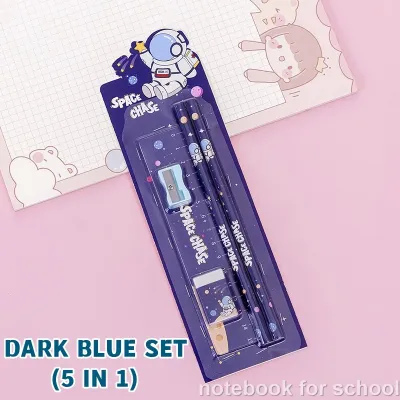
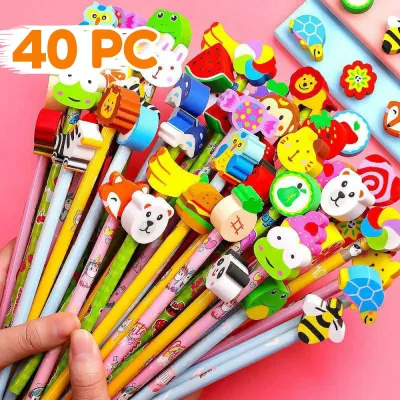
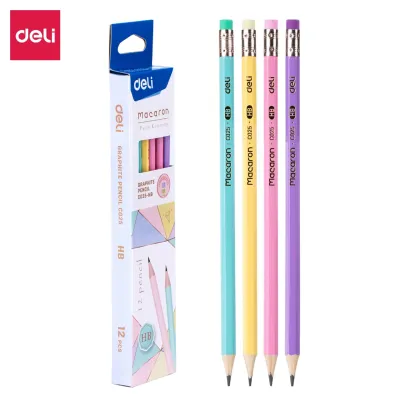
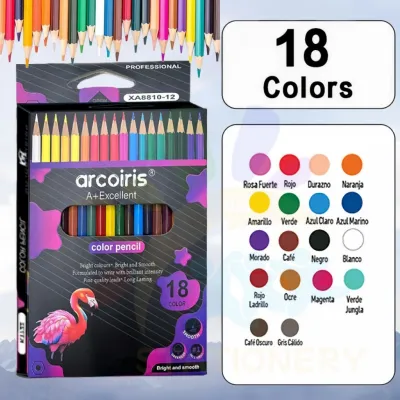
Prices are valid at publication and may change. Please refer to the product page for the latest price.
The transition from holding thick crayons to using structured, narrower writing tools must be managed carefully. Preschoolers and kindergarteners are still developing their fine motor skills, and their hand bones are not yet fully formed. Introducing a standard, thin adult pencil too early can cause them to revert to a primitive, fist-like grasp because their fingers cannot comfortably wrap around a narrow barrel. By choosing a pencil set designed specifically for early learners, you provide a physical bridge that supports their natural developmental progression and helps them build confidence.
In tropical climates like the Philippines, where high humidity and warm temperatures are common, children’s hands can easily become sweaty during writing practice. A glossy, round pencil can quickly become slippery, forcing the child to squeeze even tighter to maintain control. This makes the ergonomic design of the pencil barrel even more critical, as a non-slip texture or a structured shape can prevent slipping and reduce the muscular effort required to write comfortably.
Essential Features to Check Before Buying a Pencil Set
When shopping for a beginner pencil set, it is important to look past colorful packaging and focus on the physical specifications of the tools. Evaluating these key features will ensure you select a set that truly supports your child’s learning process:

- Barrel Thickness and Shape: For children aged three to five, look for jumbo-sized pencils with a barrel diameter of approximately 9 mm to 10 mm. For children aged six to eight, a slightly slimmer but still substantial diameter of around 8 mm is appropriate. In terms of shape, triangular barrels are highly recommended because their three flat sides naturally guide the fingers into a proper tripod position. Avoid perfectly round barrels, as they offer no physical cues for finger placement and easily roll off flat surfaces.
- Graphite Hardness: Pencils are graded on a scale of hardness, with "H" indicating hard leads and "B" indicating soft, dark leads. Standard school pencils are typically HB, which is a medium grade. For beginners, however, 2B graphite is highly beneficial. Soft 2B lead deposits a rich, dark line with minimal downward pressure, allowing children who are still developing hand strength to write legibly without pressing so hard that they tear the paper.
- Wood Quality and Sharpening: High-quality beginner pencils are usually crafted from premium, straight-grained woods such as incense cedar or basswood. These materials shave away smoothly and evenly in a sharpener, leaving a clean, splinter-free surface. Cheap, low-grade wood tends to splinter or crack along the grain, which can expose sharp edges that prick sensitive fingers. Additionally, high-quality wood holds the graphite core securely, preventing internal breakages that cause the lead to fall out repeatedly during sharpening.
- Included Accessories: Many beginner pencil sets are bundled with helpful accessories, such as specialized jumbo sharpeners, soft silicone grips, and high-quality erasers. Ensure that any included sharpener features a sharp, durable steel blade designed specifically for the diameter of the pencils in the set. The erasers should be soft and non-abrasive to prevent tearing the paper during corrections.
To verify the quality of a pencil set before committing to daily use, you can perform a few simple, observable tests. To check lead smoothness, have your child draw continuous loops on a sheet of paper; the pencil should glide effortlessly without catching, scratching, or requiring heavy pressure. To test erasability, draw a few firm lines on a scrap piece of the child’s school paper and use the included eraser to clear them. A high-quality eraser should lift the graphite cleanly in two or three gentle strokes without leaving dark, smudged streaks or wearing through the paper fibers.
In terms of cost, beginner pencil sets are highly accessible. Basic triangular pencil sets typically range from ₱100 to ₱250, while premium imported ergonomic kits that include dedicated dual-hole sharpeners and reusable silicone grips can range from ₱300 to ₱600. Investing in a high-quality set ensures that the wood does not warp or split in humid conditions, protecting your investment and providing a consistent writing experience.
Best Pencil Types for Building a Proper Tripod Grip
Different children have different ergonomic needs depending on their age, hand size, and fine motor development. Understanding the three primary categories of beginner pencils will help you select the most effective design for your child’s specific stage of learning.
Triangular Barrel Pencils
Triangular barrel pencils feature a three-sided profile rather than the traditional hexagonal or round shape. This design is specifically engineered to provide a physical guide for finger placement.
- Ideal Use Case: These pencils are perfect for kindergarten and early elementary school students who are learning to transition from a whole-hand grasp to a refined finger grasp, or for children who tend to wrap their thumbs awkwardly over their fingers.
- Benefits: The three flat surfaces of a triangular pencil correspond directly to the three contact points of a proper tripod grip: the thumb, the index finger, and the middle finger. When a child picks up a triangular pencil, their fingers naturally align along the flat sides, which reduces the need for constant verbal corrections from parents or teachers. Additionally, the flat sides prevent the pencil from rolling off school desks, keeping the child focused on their work.
- Limitations: While highly effective for most beginners, triangular pencils can feel restrictive or uncomfortable for children who have already developed an alternative but functional and comfortable grip, such as a quadrupod grip. Forcing a child to change a functional grip that does not cause them pain or fatigue can sometimes lead to unnecessary frustration.
Jumbo or Thick Barrel Pencils
Jumbo pencils feature a significantly larger diameter and a thicker graphite core than standard writing tools, making them much easier for very small hands to hold.
- Ideal Use Case: These are best suited for toddlers and preschoolers (ages two to four) who are making their first attempts at drawing and writing, as well as children with weaker hand muscles or delayed fine motor coordination.
- Benefits: The thick barrel provides a generous surface area that is easy to grasp without requiring highly developed finger coordination. Because the hand muscles do not have to contract tightly to hold a thick pencil, muscle strain and hand fatigue are greatly reduced. The thick graphite core is also highly durable and resistant to breaking under the heavy, uneven pressure typical of very young writers.
- Limitations: Jumbo pencils can be too bulky and heavy for older children or those with exceptionally small hands, which can lead to awkward wrist angles and restricted movement. Furthermore, they require a specialized jumbo-sized sharpener, which is not always included in standard school kits and can be difficult to find in local stationery stores.
Standard Pencils with Add-on Silicone Grips
These sets combine standard-sized hexagonal or round pencils with removable, soft silicone sleeves that slide over the barrel to provide ergonomic support.
- Ideal Use Case: This option is ideal for older children who are transitioning to standard-sized pencils but still need extra tactile feedback, finger grooves, or cushioning to maintain a proper grip.
- Benefits: Silicone grips are highly customizable and can be moved from one pencil to another as they wear down or run out of lead. They provide a soft, comfortable cushion that prevents blisters and finger fatigue during longer writing sessions. Many models feature molded finger pockets or physical ridges that gently force the fingers into the correct tripod position, helping to build muscle memory.
- Limitations: The primary drawback is that removable grips can slide, twist, or tear if they are not perfectly sized for the specific pencil diameter. They can also become a major source of distraction in a classroom setting, as children may spend more time playing with, removing, or swapping the colorful silicone pieces than actually practicing their handwriting.
Pencil Features to Avoid for Beginner Writers
To prevent your child from developing poor writing habits or experiencing physical discomfort, it is equally important to know which pencil features to avoid when shopping:
- Overly Thin or Standard Adult-Sized Barrels: Standard yellow hexagonal pencils are designed for adult hands or older children with fully developed fine motor control. For a young beginner, these thin barrels are incredibly difficult to grasp securely, often leading to a tight, cramped "claw" grip that causes rapid hand fatigue and joint strain.
- Hard Graphite Grades (H, 2H, etc.): Pencils with hard leads require significant downward pressure to leave a legible mark on the paper. Since young children do not yet have the hand strength or coordination to apply consistent pressure, using hard lead forces them to press down with extreme effort. This not only tears the paper but also causes severe hand fatigue and frustration, making writing practice a painful chore.
- Novelty or Heavily Decorated Pencils: While pencils adorned with cartoon characters, glitter, holographic wraps, or dangling plastic charms are appealing to children, they are highly impractical for learning. The plastic wraps can make the barrel incredibly slippery—especially in warm, humid climates—while large, top-heavy charms disrupt the balance of the pencil, forcing the child's hand to work harder to maintain control.
- Poor-Quality, Hard Erasers: Many cheap beginner pencils come topped with hard, pink rubber erasers that are abrasive and dry. When a child tries to erase a mistake, these hard erasers often smudge the graphite across the page, leave dark streaks, or tear the paper entirely. This ruins the child's work and can be incredibly discouraging for a young learner who is trying their best.
Setting Up a Comfortable Writing Environment
While choosing the right pencil is essential, the physical environment where your child practices writing plays an equally important role in their development. A comfortable, supportive workspace helps prevent physical fatigue and allows the child to focus entirely on their handwriting.
- Proper Seating Posture: Ensure your child is seated at a child-sized table and chair where their feet can rest flat on the floor or on a sturdy footstool. Their knees should be bent at a comfortable 90-degree angle, and their elbows should rest easily on the table surface without their shoulders being hunched or shrugged. The paper should not be kept perfectly straight; instead, tilt it slightly (about 20 to 30 degrees) to the left for right-handed children, or to the right for left-handed children, to allow the writing hand to move naturally across the page without smudging the graphite.
- Lighting and Paper Choice: Adequate, shadow-free lighting is essential to prevent eye strain and maintain focus. Position the desk lamp on the opposite side of the child's writing hand (e.g., on the left side for a right-handed writer) so their hand does not cast a shadow over their work. For paper, select wide-ruled paper with clear top, bottom, and dotted middle lines. This visual structure helps beginners understand letter heights and spacing. The paper should have a slightly textured surface to provide tactile feedback as the pencil glides over it, which helps the child feel the resistance and control their strokes better.
- Fine Motor Warm-Ups: Before asking a child to sit down and write, spend two to three minutes doing simple, fun hand exercises to activate and warm up their finger muscles. You can have them squeeze a soft stress ball, use plastic tweezers to transfer small pom-poms or beads between bowls, or roll and pinch modeling clay into small shapes. These low-risk activities build hand strength, improve finger isolation, and increase dexterity, making the transition to holding a pencil much smoother and more comfortable.
Frequently Asked Questions (FAQ)
When should a child transition from jumbo to standard pencils?
A child is typically ready to transition from jumbo to standard pencils when they demonstrate consistent finger isolation and can hold a standard-sized barrel without wrapping their entire hand around it. Look for observable signs of readiness, such as the ability to draw detailed shapes or write small letters with control, and a noticeable reduction in hand fatigue during longer drawing or writing sessions. If they can maintain a stable tripod grip on a slightly thinner triangular or hexagonal pencil without reverting to a fist-like grasp, they are ready to make the switch.
Are mechanical pencils suitable for kids learning to write?
Mechanical pencils are generally not recommended for children who are in the early stages of learning to write. The thin graphite leads used in mechanical pencils (typically 0.5 mm or 0.7 mm) break easily under the heavy, uneven pressure that beginners naturally apply. This constant breakage can be highly frustrating and disruptive to the learning flow. Furthermore, mechanical pencils lack the tactile feedback of wooden pencils, which shorten as they are used and sharpened, helping children understand the physical relationship between the tool and the page. The clicking mechanisms can also become a major distraction.
How do I clean and maintain silicone pencil grips?
To clean and maintain reusable silicone pencil grips, slide them off the pencils and wash them gently by hand using warm water and a small drop of mild dish soap. Use a soft cloth to wipe away any accumulated dirt, oils, or graphite dust. Avoid using harsh chemical cleaners, alcohol, or boiling water, as these can degrade the silicone material and cause it to lose its elasticity or tear. Allow the grips to air-dry completely in a well-ventilated area before sliding them back onto the pencils; putting them back on while damp can trap moisture, causing the grip to slip during use or promote mold growth.

Community discussion
Share your experience or ask a question. Comments are reviewed before publication.