
Selecting the right modeling clay set requires balancing your child’s physical coordination with their creative maturity. The ideal set matches their developmental stage, providing enough resistance to build hand strength without causing frustration. While a simple sensory tub is perfect for a toddler, older children require structured kits with specialized tools to keep them engaged.
When exploring options like classic Hasbro sets or a vibrant blooms playdoh kit, understanding how different compounds and accessories align with specific age brackets ensures a safe, educational, and highly engaging play experience. By matching the physical properties of the clay to your child’s current motor skills, you can transform simple playtime into a foundation for spatial reasoning and artistic expression.
How to Match Modeling Clay Sets to Your Child's Developmental Stage
Children interact with modeling compounds differently as they grow, moving from basic tactile exploration to complex, three-dimensional engineering. In the earliest stages, usually around age two, play is entirely sensory. Toddlers use a palmar grasp—using their whole fist—to squeeze, poke, and squash the dough. This repetitive action strengthens the intrinsic muscles of the hand, which are crucial for later tasks like writing and using utensils. At this stage, the clay serves as a low-resistance medium that responds immediately to their touch, providing instant feedback.
Products mentioned in this guide
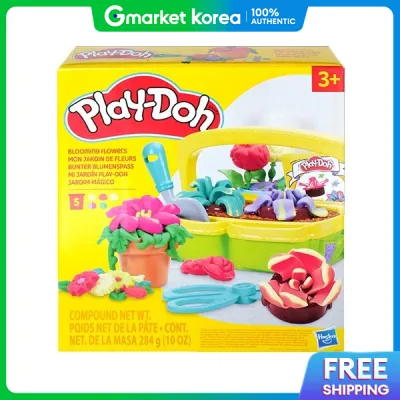
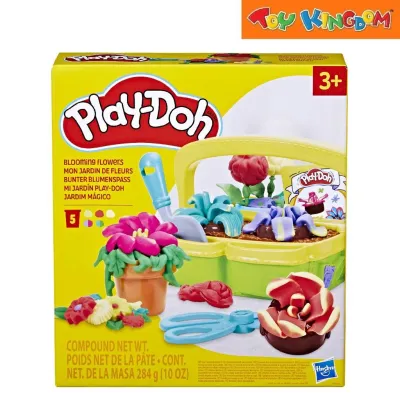
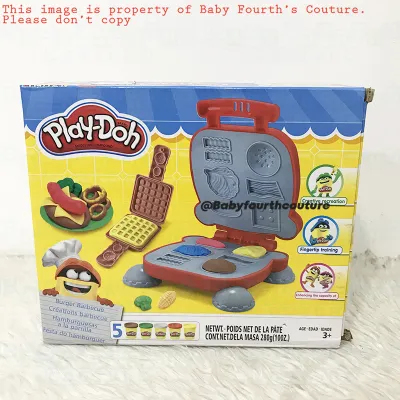
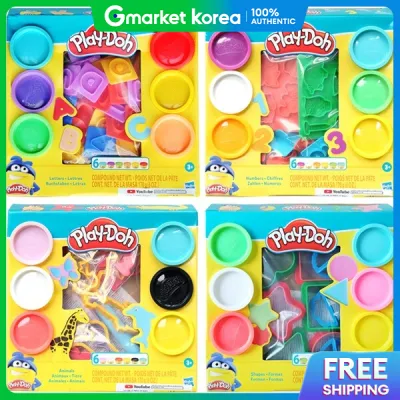
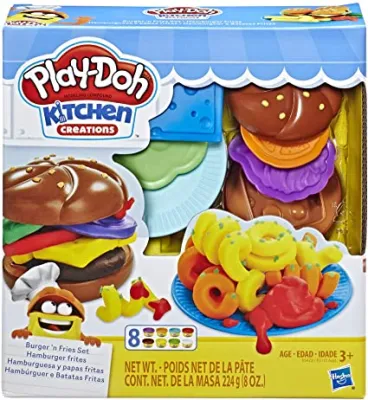
Prices are valid at publication and may change. Please refer to the product page for the latest price.
As children transition into the preschool years (ages four to five), their fine motor skills refine. They begin to use their fingers independently, transitioning from squeezing to rolling, pinching, and flattening. This is the stage where bilateral coordination develops, as they use one hand to hold a tool and the other to stabilize the clay. Their cognitive play shifts from purely physical manipulation to symbolic play, where a flattened green circle represents a leaf, or a rolled brown cylinder becomes a tree trunk. Selecting sets with simple, intuitive tools helps bridge this gap between imagination and physical creation.
By the time children reach early school age (ages six to eight), they possess the hand-eye coordination required for multi-step projects and detailed sculpting. They can follow visual instructions, plan their creations in advance, and understand how to join separate pieces of clay securely. Their focus shifts toward realism, proportion, and structural stability, requiring compounds that can hold their shape without drooping.
Safety remains a primary consideration across all developmental stages. For children under the age of three, small plastic accessories, stamps, and molds present significant choking hazards. Additionally, traditional reusable modeling compounds, including classic brands and blooms playdoh options, are typically wheat-based. If gluten sensitivity or wheat allergies are a concern in your household, always verify the ingredient list on the packaging before purchase. Furthermore, the high salt content in these reusable doughs makes them unpalatable and potentially harmful if ingested in large quantities, necessitating constant supervision for younger children.
Top Play-Doh and Blooms Playdoh Picks by Age Group
To help you navigate the vast array of creative kits available in toy stores and online marketplaces, we have categorized the top modeling sets by age and skill level. This segmentation ensures the tools and compounds provided are neither too simple to hold interest nor too complex to use successfully.

Best for Toddlers (Ages 2-3): Sensory Exploration and Basic Motor Skills
For the youngest creators, the primary goal of clay play is sensory feedback and muscle development. Toddlers do not need detailed molds or complex mechanisms; instead, they benefit most from exceptionally soft, highly pliable compounds that respond to gentle pressure. Look for starter packs that feature large, chunky accessories designed for tiny hands. Rolling pins with wide handles, oversized stamps, and simple, blunt cutters allow toddlers to practice grip and coordination without becoming frustrated.
Basic color packs containing three or four primary colors are ideal for this age group. These sets allow toddlers to explore the physical properties of the dough—tearing it apart, rolling it into balls, and flattening it with their palms. Simple, large-scale extruders that push out thick, spaghetti-like strands are also highly engaging, as they demonstrate cause-and-effect relationships using minimal physical strength.
At this stage, avoid any sets that include small decorative parts, intricate plastic molds, or thin cutting tools. These accessories are difficult for toddlers to manipulate and can easily be placed in the mouth. Stick to basic, non-toxic, high-moisture doughs that remain soft during extended play sessions, and ensure all plastic tools have rounded, burr-free edges.
Best for Preschoolers (Ages 4-5): Imaginative Play and Tool Mastery
Preschoolers thrive on role-play and narrative-driven activities. During this stage, themed playsets become highly effective tools for learning. Sets that mimic real-world scenarios—such as kitchen creations, construction sites, or floral gardens—spark storytelling and cooperative play. For instance, a blooms playdoh set featuring botanical molds, flower cutters, and leaf stamps allows preschoolers to construct their own garden scenes while learning about nature and color combinations.
Introducing tools like rolling pins, safety scissors, and simple plunger-style extruders helps develop bilateral hand coordination. Using safety scissors to cut clay snakes teaches children how to coordinate their dominant and non-dominant hands simultaneously, a skill directly transferable to paper crafting in preschool. Multi-color packs are particularly valuable here, as they provide a practical medium for teaching color theory, allowing children to observe firsthand how mixing blue and yellow dough creates green.
When purchasing for this age group, opt for sets that offer a balance of open-ended dough and structured molds. While themed presses are excellent for starting a story, children should still have plenty of free dough to create their own unique characters and structures, preventing their play from becoming overly repetitive or rigid.
Best for Early School Age (Ages 6-8): Complex Creations and Detailing
Children in this bracket are ready to tackle multi-step projects that require patience, precision, and structural planning. They enjoy replicating detailed objects and building three-dimensional scenes. Sets designed for this age group should feature advanced tools, such as multi-hole extruders for creating realistic hair or grass, detailed texture mats that mimic wood or stone, and fine-tipped sculpting sticks for carving facial features or intricate patterns.
Kits that combine modeling clay with structural bases, plastic chassis, or cardboard backdrops are excellent for introducing basic engineering concepts. For example, building a clay vehicle over a plastic wheel-and-axle base teaches children about balance, weight distribution, and functional design. These multi-part projects encourage children to plan their steps, wait for certain elements to dry if necessary, and assemble components in a logical sequence.
To support this advanced play, look for sets that include step-by-step visual guides. These instructions help children build confidence as they learn techniques for creating realistic proportions, blending gradients, and constructing stable bases for taller figures.
Best for Older Kids (Ages 9+): Advanced Sculpting and Mixed Media
Older children often transition away from reusable play doughs toward semi-permanent or permanent artistic mediums. At this stage, the focus shifts to creating lasting art pieces, jewelry, or detailed miniatures. Advanced modeling kits that utilize air-dry clay or polymer clay are highly appropriate here. These materials allow for much finer detailing, sanding, painting, and sealing once cured.
Sculpting kits for older kids should include professional-style tools, such as wire loop tools for carving away excess material, ball-tipped styluses for smoothing surfaces, and flexible metal scrapers. Introducing armature wire or aluminum foil cores teaches young artists how to build internal support structures for complex, gravity-defying sculptures.
When introducing these advanced mediums, it is vital to discuss the material specifications with your child. Air-dry clays require careful monitoring of drying times and shrinkage rates, as pieces can crack if they dry too quickly in hot, dry environments. Polymer clays, on the other hand, require precise oven baking to cure, a step that must always be supervised by an adult to prevent overheating and the release of fumes.
Key Features to Check Before Buying Any Clay or Modeling Set
To ensure you are getting the best value and performance from your purchase, evaluate the following technical and material specifications before buying:
- Material Composition: Understand the differences between modeling mediums. Reusable starch-based doughs (like traditional Play-Doh) are non-toxic, soft, and designed for repeated use, making them perfect for younger children. Air-dry clays are lightweight, water-based, and cure at room temperature, making them ideal for permanent crafts. Polymer clays are synthetic, oil-based materials that require heat curing, offering high durability and detail retention for older hobbyists.
- Tool Quality and Safety: Inspect the plastic accessories included in the kit. High-quality tools are made from thick, BPA-free plastics with smooth, rounded edges. Avoid cheap sets with thin, brittle plastic tools that can snap under pressure, leaving sharp edges that could cause injury.
- Packaging and Storage: Reusable clay requires airtight storage to prevent moisture loss. Look for sets that include durable, screw-top tubs or snap-lock containers. In the humid, tropical climate of the Philippines, high-quality seals are doubly important: they prevent the clay from drying out in air-conditioned rooms, while also protecting the moist dough from absorbing excess environmental humidity or attracting household pests when stored in non-air-conditioned spaces.
- Value Assessment: When comparing sets, calculate the price per gram or ounce of the actual modeling compound rather than focusing solely on the size of the box. Many budget-friendly sets feature large, elaborate plastic structures but contain only a tiny amount of actual clay, forcing you to purchase refills almost immediately. A balanced set should offer a generous amount of compound alongside a few high-quality, reusable tools.
For reference, basic starter kits in the local market generally range from ₱300 to ₱600, while larger, highly detailed themed sets or premium imports can range from ₱800 to ₱1,500 or more.
Safe Play, Maintenance, and Storage Tips
To maximize the lifespan of your modeling clay and maintain a clean, safe play space, implement these practical maintenance and storage strategies:
- Storage and Reviving: Always store reusable dough in its original airtight container immediately after play. If the dough is left out and begins to dry, crumble, or develop a white, salty crust, you can easily restore its pliability. Add a few drops of clean water to the container, seal it, and let it sit for a few hours. Afterward, knead the dough thoroughly until the moisture is evenly distributed. In highly humid areas, avoid adding too much water at once, as this can make the compound sticky and prone to mold growth.
- Cleanup Strategies: If clay gets ground into carpets, rugs, or clothing, do not attempt to scrub or wash it while it is wet, as this will only smear the pigment deeper into the fibers. Instead, let the clay dry completely. Once hardened, use a stiff-bristled brush to break the dried clay into loose crumbs, then vacuum the area thoroughly. For stubborn residues on washable fabrics, soak the item in warm, soapy water after brushing away the bulk of the dried compound.
- Safety Boundaries: Establish clear rules for clay play. Ensure children wash their hands thoroughly before and after playing to keep the dough clean and remove any salt or color residue from their skin. Active adult supervision is essential, especially when children are using tools with pointed tips, scissors, or when working with polymer clays that require oven baking. If a child has a known wheat allergy, seek out alternative soy-based or wax-based modeling compounds to prevent accidental allergic reactions during sensory play.

Community discussion
Share your experience or ask a question. Comments are reviewed before publication.