
Selecting an ideal ribbon with print is an art that transforms a simple package into a memorable presentation. The right pattern acts as a visual cue, hinting at the thoughtfulness of the gesture before the box is even opened. To achieve this, you must balance the design of the print with the physical characteristics of the ribbon, ensuring the final look matches the occasion, the recipient, and the wrapping material.
How to Match Ribbon Designs to Your Gift's Tone
Establishing the tone of your gift is the first step in choosing the right printed ribbon. A gift’s presentation should reflect its purpose, whether it is a formal corporate token or a playful birthday surprise. For highly formal occasions, such as a business milestone or a high-end wedding, subtle and minimalist prints—like delicate metallic pinstripes or tone-on-tone branding—convey sophistication without overwhelming the recipient. Conversely, casual gifts for close friends or children welcome vibrant, high-contrast patterns that spark immediate joy.
The recipient’s age, personal style, and the event’s setting also dictate the design direction. A youthful birthday party calls for bright, energetic prints, while an anniversary gift for an older relative might benefit from classic, understated motifs. If you are preparing giveaways for a tropical outdoor gathering, choosing prints that reflect natural elements can harmonize beautifully with the environment.
Products mentioned in this guide
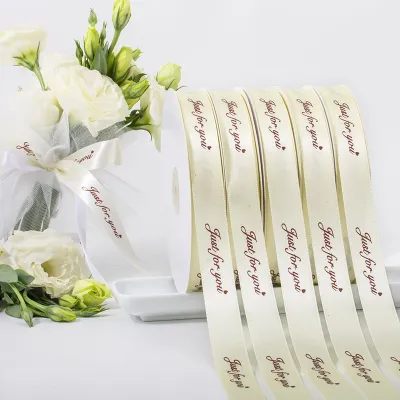
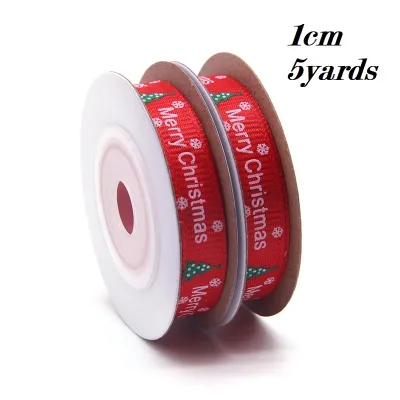
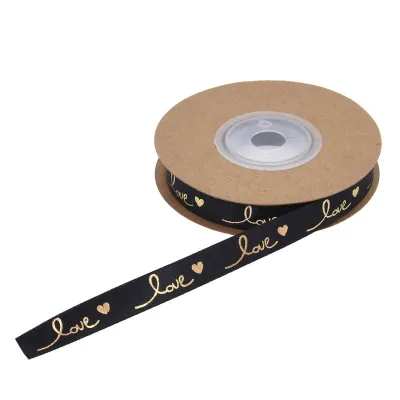
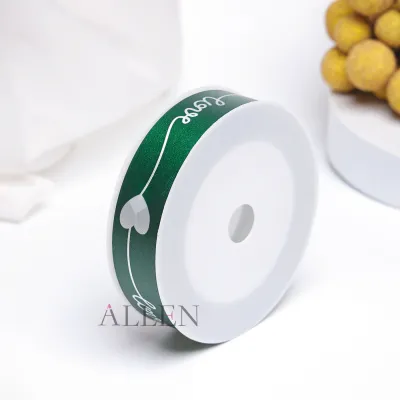
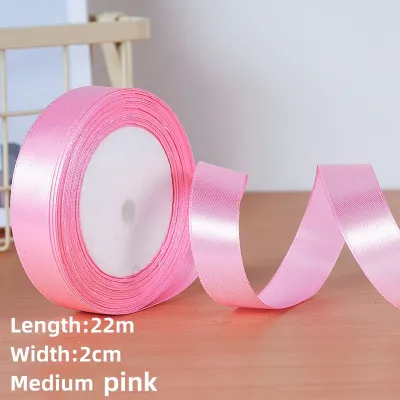
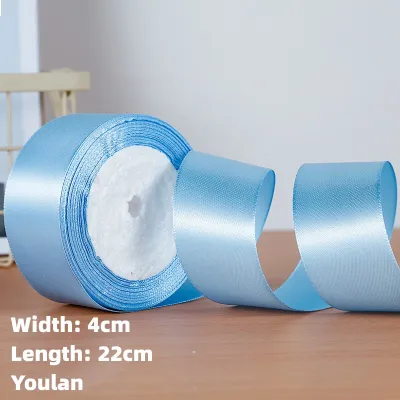
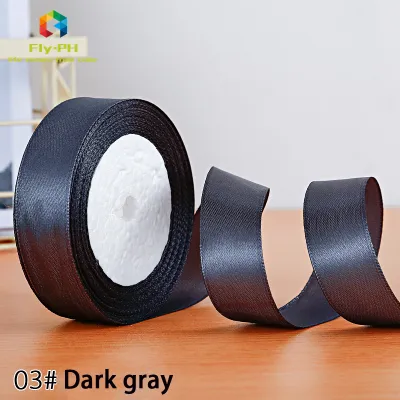
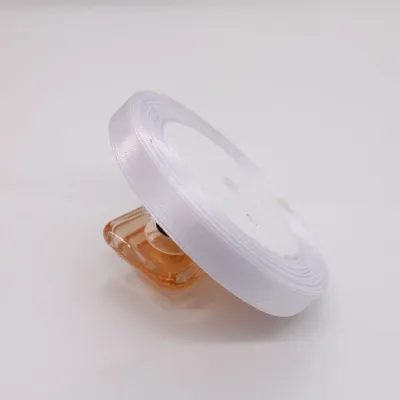
Prices are valid at publication and may change. Please refer to the product page for the latest price.
Finally, you must balance the visual weight of the ribbon pattern against your wrapping paper. A busy, multi-colored print on a highly patterned paper creates visual chaos, making it difficult for the eye to focus. To prevent this, pair intricate ribbon prints with solid-colored or lightly textured papers. This contrast ensures that the printed design remains legible and serves as the focal point of the package.
Recommended Ribbon with Print Styles for Every Occasion
Different print styles serve distinct gifting purposes, acting as the visual voice of your present. By understanding the strengths and limitations of each design category, you can quickly narrow down the most suitable options for your specific wrapping project.

Floral and Botanical Prints
Floral and botanical prints bring a touch of organic elegance and softness to gift wrapping. These designs feature delicate leaves, blooming petals, vines, or watercolor garden scenes printed along the fabric. They are exceptionally well-suited for occasions that celebrate growth, care, and new beginnings, such as Mother’s Day, bridal showers, spring weddings, and wellness-themed gift baskets.
To make botanical prints shine, pair them with solid-colored wrapping paper in complementary earthy or pastel tones. A sage green leaf print ribbon looks stunning against a matte cream or soft blush paper background. This combination allows the fine details of the print to stand out without competing for attention.
However, botanical designs have their limitations. They can feel overly casual or gender-specific, making them less suitable for strict corporate environments or highly formal, black-tie events. If you must use a botanical print for a professional gift, opt for a highly stylized, single-color leaf motif on a dark, high-quality satin ribbon to maintain a polished look.
Geometric and Abstract Patterns
Geometric and abstract patterns offer a modern, structured aesthetic that appeals to contemporary tastes. These prints include clean lines, repeating chevrons, polka dots, grids, and bold color blocks. They are an excellent choice for tech gadgets, modern home decor items, housewarming presents, and gender-neutral gifts where traditional floral or festive designs might feel out of place.
When wrapping with geometric ribbons, focus on clean lines and sharp box edges. These patterns pair exceptionally well with solid, neutral-toned wrapping papers like charcoal gray, navy blue, or crisp white. The structured nature of the print complements the architectural shape of a well-wrapped box, creating a highly professional and intentional appearance.
The primary limitation of geometric prints is their potential to feel cold or impersonal. For highly sentimental gifts, romantic gestures, or traditional family milestones, a rigid geometric pattern can lack the warmth and emotion that other designs naturally convey. In these instances, softening the geometric print with a warm color palette can help bridge the gap.
Seasonal and Holiday Motifs
Seasonal and holiday motifs are designed to capture the specific spirit of a festive period. From snowflakes and holly leaves for Christmas to pumpkins for Halloween and hearts for Valentine’s Day, these ribbons instantly communicate the theme of the celebration. They are highly effective for holiday gift exchanges, seasonal party favors, and festive community giveaways.
To maximize their impact, coordinate these ribbons with traditional holiday color schemes and matching gift bags. For example, a red satin ribbon printed with gold stars pairs beautifully with deep green wrapping paper, creating an instant festive association.
The obvious drawback of seasonal prints is their strict time-bound nature. A ribbon covered in reindeer is unusable for a mid-year birthday or a summer wedding. This requires careful inventory management; purchasing large quantities of highly specific holiday prints can lead to unused stock sitting in your storage drawers for a year, where tropical humidity might degrade the adhesive or fabric quality over time.
Typography and Text-Based Designs
Typography and text-based ribbons feature printed words, phrases, quotes, or specific greetings like “Congratulations,” “Happy Birthday,” or “Specially for You.” These designs add a literal voice to your gift, making them excellent for milestone celebrations, graduations, retirements, or encouragement gifts where the message is central to the gesture.
Legibility is the most critical factor when using text-based ribbons. You must ensure that the printed text contrasts sharply with both the ribbon’s base fabric and the wrapping paper underneath. For instance, white text on a dark navy ribbon wrapped around a light gray box ensures the message is easily readable from a distance.
The limitation of typography ribbons lies in their specificity. The printed message must align precisely with the occasion; using a “Happy Anniversary” ribbon for a graduation gift is a glaring mismatch. This specificity limits the reusability of leftover ribbon rolls, so it is wise to purchase these in smaller, project-specific quantities rather than bulk rolls.
Material and Width Checks Before You Buy
Before purchasing a ribbon with print, you must verify its physical specifications to ensure it behaves correctly during the wrapping process. The material, width, and edge finishing directly impact how well the print is displayed and how easily the ribbon can be tied into your desired shape.
The base material determines the clarity of the print and the overall texture of the presentation. Grosgrain ribbon features a ribbed texture that holds ink exceptionally well, resulting in sharp, durable prints that resist smudging. Satin ribbon offers a luxurious, glossy finish, but its smooth surface can sometimes cause fine print details to appear slightly softer or less defined. Cotton ribbon provides a rustic, matte look that is highly suitable for eco-friendly or artisanal gifts, though the print may have a slightly faded, vintage appearance. In warm, humid climates like the Philippines, cotton and grosgrain tend to maintain their structure better than lightweight satin, which can go limp when exposed to moisture in the air.
Width selection must be proportional to the size of the gift box. Narrow ribbons (around 6mm to 15mm) are ideal for small jewelry boxes, delicate perfume bottles, and compact party favors. Medium widths (20mm to 38mm) are the most versatile, fitting standard shirt boxes and medium-sized gift packages. Wide ribbons (50mm and above) are necessary for large hampers, bulky boxes, and corporate gift baskets to ensure the ribbon does not look lost on the package.
Finally, check the edge finishing of the ribbon. Wired edges contain thin, flexible wires along the sides, which are essential for creating voluminous, complex bows that hold their shape during transport. Unwired edges are softer and more pliable, making them the preferred choice for flat tying, simple knots, and wrapping techniques where the ribbon must lie completely flat against the box.
Pairing Prints with Wrapping Paper: A Quick Guide
Combining a printed ribbon with wrapping paper requires a thoughtful approach to color, texture, and scale. If the patterns on both the paper and the ribbon are too similar in size, they will compete for attention and create visual clutter.
To achieve a balanced look, utilize scale contrast. If your wrapping paper features a large, bold pattern, pair it with a solid ribbon or a ribbon with a very small, micro-print design. If your wrapping paper is a solid color or has a subtle, non-competing texture, you can safely use a bold, large-scale printed ribbon as the primary design element.
| Wrapping Paper Style | Recommended Ribbon Print | Visual Effect | Best For |
|---|---|---|---|
| Solid Color | Bold Geometric or Large Floral | High contrast, focal point | Birthdays, modern gifts |
| Subtle Texture (e.g., Linen) | Delicate Typography or Fine Botanical | Elegant, tactile, sophisticated | Weddings, corporate gifts |
| Bold Pattern | Minimalist Stripe or Solid Accent | Balanced, structured, clean | Festive holidays, kids' parties |
| Kraft/Brown Paper | Rustic Cotton Botanical or White Text | Organic, artisanal, warm | Eco-friendly gifts, local crafts |
When budgeting for your wrapping supplies, high-quality printed ribbons typically range from ₱150 to ₱450 per roll depending on the material and length. Investing in a few versatile solid papers and a curated selection of printed ribbons is often more cost-effective than buying dozens of different patterned papers, as the ribbon can easily redefine the entire look of the package.
Frequently Asked Questions (FAQ)
Can I use a printed ribbon on a patterned wrapping paper?
Yes, you can successfully pair a printed ribbon with patterned wrapping paper by applying the rule of scale contrast. Ensure that the scale of the print on the ribbon is significantly different from the scale of the pattern on the paper. For example, if the wrapping paper has large, wide-spaced floral illustrations, choose a ribbon with a tight, small-scale geometric print or a simple, thin repeating text. Additionally, keep the color palette cohesive by selecting a ribbon that shares at least one dominant color with the wrapping paper to tie the entire presentation together.
How do I keep the print from fading on fabric ribbons?
To preserve the quality and color of the print on fabric ribbons for future reuse, proper storage is essential. Store your ribbon rolls in a cool, dry place away from direct sunlight, as prolonged UV exposure can fade the ink and weaken the fabric fibers. Keep them in airtight plastic containers to protect them from dust and high tropical humidity, which can cause moisture damage or color bleeding. Always check the manufacturer’s label for specific care instructions; most printed ribbons are not designed for machine washing and should only be spot-cleaned gently with a damp cloth if they become soiled.

Community discussion
Share your experience or ask a question. Comments are reviewed before publication.