
Selecting the perfect shark sticker for your bullet journal involves balancing visual appeal with physical compatibility. A sticker that looks stunning on a screen might bleed, peel, or overwhelm your page if it does not match your journal’s paper weight and grid layout. To build a cohesive ocean theme, you must evaluate three primary factors: material composition, physical dimensions, and adhesive strength.
Your choice of material determines how well the sticker integrates with your writing instruments and other decorative elements like washi tape. Meanwhile, matching the scale of the sticker to your journal’s grid prevents your weekly or monthly spreads from becoming cluttered. By understanding these core elements, you can confidently select stickers that enhance your planning experience without compromising the structural integrity of your journal pages.
Quick Guide to Choosing Shark Stickers
When planning an ocean-themed layout, your stickers should serve both aesthetic and functional purposes. The ideal shark sticker must adhere smoothly to your paper, resist the curling effects of ambient humidity, and fit naturally within your existing planning grids. Choosing the wrong material can lead to smudged ink or warped pages, which disrupts the clean look of your journal.
Products mentioned in this guide
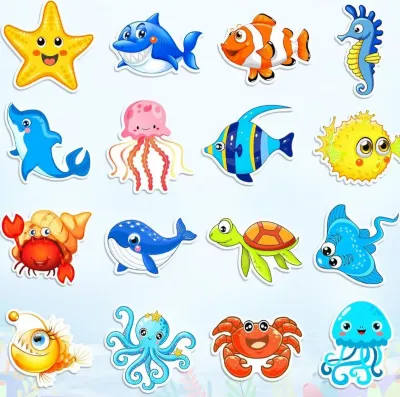
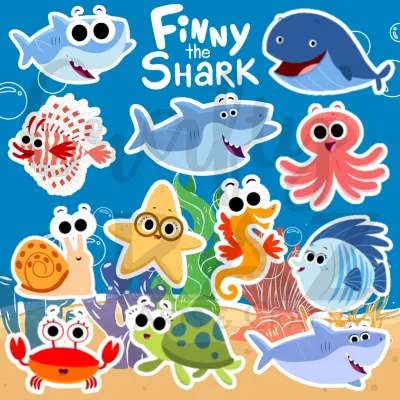
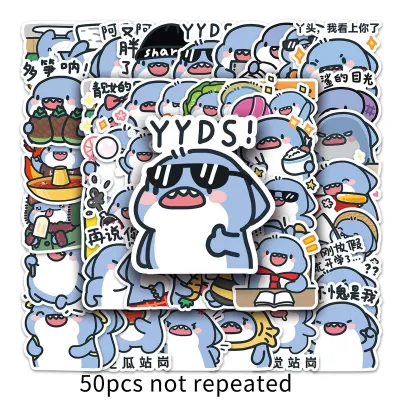
Prices are valid at publication and may change. Please refer to the product page for the latest price.
To achieve a balanced design, consider how the sticker style matches your overall theme. A playful, cartoonish layout benefits from soft, pastel-colored stickers, while a scientific or minimalist layout requires precise, realistic illustrations. By aligning the sticker’s physical properties with your visual goals, you can create a durable and beautiful marine spread.
Key Features to Evaluate Before Buying
Before adding any shark sticker to your collection, it is essential to understand the technical specifications of the materials used. The two most common materials you will encounter in the stationery world are transparent polyethylene terephthalate (PET) and washi paper. Each material offers distinct advantages and limitations depending on how you plan to use them in your spreads.

Transparent PET Stickers
Transparent PET stickers are made from a durable, plastic-like material that offers excellent water resistance and durability. Because the borders of these stickers are completely clear, they blend seamlessly into the page, making the shark illustrations appear as if they were printed directly onto the paper. This transparency makes PET stickers ideal for layering over watercolor washes, colored backgrounds, or other stickers without creating bulky, visible edges. However, because PET is non-porous, it does not accept water-based inks, meaning you cannot write over these stickers with standard gel pens or fountain pens.
Washi Paper Stickers
Washi paper stickers are crafted from traditional Japanese paper fibers, giving them a soft, matte texture that mimics the feel of your journal pages. These stickers are slightly translucent, allowing hints of the underlying grid or text to show through, which adds a beautiful, integrated look to your layouts. Unlike PET, washi paper is highly porous and writable, making it compatible with almost any pen, including gel pens, ballpoints, and fine liners. Washi stickers are also easy to tear by hand, allowing you to create textured, rustic edges for a more organic, journal-style aesthetic.
Size and Scale Compatibility
The scale of your stickers must match the layout of your bullet journal, which typically utilizes a 5mm dot grid. A massive 8cm shark sticker might look magnificent, but it can easily consume an entire daily log or weekly column, leaving little room for actual writing. For functional layouts, look for smaller accent stickers ranging from 1.5cm to 3cm, which fit comfortably within two to six grid squares. Larger stickers are best reserved for monthly cover pages, mood tracker backdrops, or dedicated artistic spreads where writing space is not a priority.
Cutting Styles: Die-Cut versus Kiss-Cut
Stickers are generally packaged in two formats: individual die-cut pieces or kiss-cut sheets. Die-cut stickers are sliced completely through both the sticker and the backing paper, resulting in individual, loose pieces. These are excellent for precise placement and collecting, but they can be challenging to peel if you do not have fine tweezers or long fingernails. Kiss-cut sheets feature multiple designs on a single backing page, where only the top sticker layer is cut. This format keeps your collection organized, prevents small stickers from getting lost, and makes peeling quick and effortless during busy planning sessions.
Adhesive Properties and Paper Safety
A high-quality sticker should adhere firmly to your page without curling at the edges, yet remain gentle enough not to damage the paper if you need to reposition it. Standard bullet journal papers, ranging from 80gsm to 160gsm, react differently to various adhesives. Look for stickers labeled as repositionable or removable if you like to adjust your layouts as you work. High-tack permanent adhesives can tear the delicate fibers of lower-weight papers if you attempt to peel them off, so a gentle trial on an inconspicuous corner of your journal is always recommended before committing to a full layout.
Popular Shark Sticker Styles for Ocean Themes
The visual style of your shark stickers sets the entire tone of your bullet journal spread. Whether you prefer a playful, lighthearted aesthetic or a sophisticated, scientific look, there is a design style to match your creative vision.
Cute and Kawaii Designs
If you want your bullet journal to feel cheerful and inviting, kawaii shark stickers are an excellent choice. These designs typically feature chibi-style sharks with oversized eyes, round bodies, and friendly, expressive faces. You might find whimsical illustrations of hammerhead sharks wearing tiny hats, or whale sharks floating alongside pastel bubbles. The color palette for kawaii stickers usually leans toward soft pastels, including baby blue, mint green, blush pink, and pale yellow. These stickers are perfect for daily mood trackers, habit trackers, or casual weekly spreads where the goal is to bring a smile to your face during a busy day.
Realistic and Educational Illustrations
For a more mature, nature-focused aesthetic, realistic and educational shark stickers offer a stunning alternative. These stickers often feature anatomically correct illustrations, vintage scientific drawings, or delicate watercolor paintings of various shark species, such as great whites, tiger sharks, and reef sharks. The color schemes are typically grounded in natural tones, featuring deep navy blues, slate grays, sandy beiges, and seafoam greens. These designs work beautifully for monthly cover pages, marine biology study logs, or sophisticated summer-themed spreads that celebrate the natural beauty of the ocean.
Minimalist and Silhouette Styles
If you prefer a clean, uncluttered planner layout, minimalist and silhouette shark stickers provide a subtle touch of the ocean without distracting from your tasks. These stickers consist of simple black, navy, or white outlines, or solid geometric silhouettes of sharks in motion. Because they lack complex details and bright colors, they blend effortlessly into functional trackers, minimalist weekly columns, and professional layouts. They allow you to maintain a cohesive ocean theme while keeping your focus entirely on your productivity and daily to-do lists.
How to Style Shark Stickers in Your Bullet Journal
Integrating shark stickers into your bullet journal is about more than just pasting them onto a blank page. To create a visually stunning and cohesive ocean theme, you can use various styling techniques that blend your stickers with other stationery elements.
Creating Immersive Underwater Scenes
To make your shark stickers look like they are swimming through the depths of the ocean, start by creating a soft background wash. If your journal has thick paper (120gsm to 160gsm), you can apply a light watercolor wash or use water-soluble brush pens blended with a water brush. Once the background is completely dry, layer your transparent PET shark stickers over the wash. To add depth, place larger, darker shark stickers in the foreground and smaller, lighter silhouettes in the background. Complete the scene by adding wave-patterned washi tape along the bottom of the page and drawing tiny bubbles with a white gel pen or a fine-point metallic liner.
Functional Layout Integration
Stickers can serve practical purposes in your bullet journal beyond simple decoration. You can use small shark stickers as custom bullet points for your daily task lists, or place them at the top corners of your pages to act as visual tabs for quick navigation. In a habit tracker, a tiny shark sticker can represent a completed day of drinking water, exercising, or studying. For savings trackers, you can draw a deep-sea treasure chest and place shark stickers around it, adding a sticker every time you reach a specific financial milestone, making your progress visual and engaging.
Color Coordination and Palette Matching
A cohesive spread relies heavily on a well-planned color palette. When styling your shark stickers, choose writing pens, brush markers, and highlighters that match the dominant colors of your stickers. For a classic deep-sea theme, pair realistic shark stickers with navy blue, indigo, and slate gray ink. For a tropical reef theme, combine your stickers with vibrant teal, seafoam green, and sandy gold accents. Using a consistent color palette across your headers, grid lines, and task icons ensures that your stickers look like an intentional part of the design rather than an afterthought.
Where to Buy and What to Check on Product Pages
Finding the perfect shark stickers requires navigating online stationery shops and craft marketplaces. Because you cannot physically touch or see the stickers before purchasing, you must carefully analyze product pages to ensure you receive high-quality items that meet your expectations.
Navigating Online Marketplaces
When searching for unique shark stickers, explore specialized online stationery boutiques and independent artist marketplaces. These platforms often feature hand-drawn, exclusive designs that you will not find in mass-market retail stores. Look for listings that offer sticker sheets or curated sticker packs, which provide a variety of coordinating designs at a reasonable price point, typically ranging from ₱30 to ₱150 per sheet.
Verifying Dimensions and Scale
One of the most common mistakes when buying stickers online is misjudging their actual size based on close-up product photos. To avoid receiving stickers that are too large or too small for your journal, always check the written dimensions in the product description. If the dimensions are not clearly listed, look for product photos that show the sticker sheet held in a hand, placed next to a standard pen, or positioned beside a coin. This visual comparison gives you a realistic understanding of how the stickers will fit within your journal’s grid.
Analyzing User Reviews and Photos
Before finalizing your purchase, scroll down to the customer review section and look for user-uploaded photos. These real-life images are invaluable for verifying the true color representation, print clarity, and paper texture of the stickers. Digital mockups provided by sellers can sometimes appear brighter or more saturated than the physical product. User photos will show you exactly how the colors look under natural lighting and whether the print lines are sharp or blurry.
Reviewing Packaging and Shipping Policies
Stickers are delicate paper products that can easily bend, crease, or warp during transit, especially when shipped through standard postal services. Check the seller’s packaging policies to ensure they ship their sticker sheets with a rigid cardboard backing or inside a stiff, bend-resistant envelope. Additionally, if you live in a highly humid tropical climate like the Philippines, ensure the packaging protects the stickers from moisture during shipping, as excess humidity can compromise the adhesive backing before the product even arrives at your doorstep.
Frequently Asked Questions (FAQ)
Can I write on shark stickers with gel pens?
Whether you can write on your shark stickers depends entirely on the material. Matte washi paper stickers have a porous, paper-like texture that easily absorbs ink, making them highly compatible with gel pens, ballpoints, and fine liners without smudging. On the other hand, transparent PET stickers have a smooth, plastic-like surface that does not absorb water-based inks. If you attempt to write on a PET sticker with a standard gel pen, the ink will pool on the surface and smear easily. For plastic or PET stickers, it is best to use a permanent, oil-based marker or a specialized multi-surface pen.
How do I store leftover sticker sheets to prevent curling?
To maintain the flatness and adhesive quality of your leftover sticker sheets, store them in a cool, dry place away from direct sunlight. In tropical regions with high humidity, such as the Philippines, moisture in the air can cause the paper backing of sticker sheets to warp and curl, which can eventually degrade the adhesive. To prevent this, keep your sticker sheets flat inside rigid plastic sleeves, a dedicated sticker book, or a sealed folder. Adding a small packet of silica gel to your storage container is an excellent way to absorb excess moisture and keep your stickers in pristine condition.
Are transparent PET stickers visible on dark journal paper?
Transparent PET stickers rely on the color of the underlying paper to make their designs stand out. Because the material is completely clear, any light-colored or pastel details in the sticker design will blend into dark backgrounds, making them virtually invisible on black, navy, or dark gray journal paper. Only the dark outlines or highly saturated colors of the PET sticker will remain visible. If you love using dark or kraft paper in your bullet journal, it is best to choose opaque washi paper stickers or stickers with a solid white backing, which will remain vibrant and fully visible regardless of the page color.

Community discussion
Share your experience or ask a question. Comments are reviewed before publication.