
For young crafters, a blank notebook is a canvas of infinite possibilities, and nothing brings those pages to life quite like the perfect set of stickers. Whether you are documenting daily school activities, keeping a personal diary, or designing elaborate scrapbook layouts, choosing the right designs helps express your unique personality. Finding high-quality stickers for kids girl that combine vibrant artwork with excellent paper compatibility is the first step toward building a beautiful, lasting creative outlet.
The world of paper crafting offers an incredibly diverse range of sticker styles, from whimsical pastel characters and vintage botanical prints to sleek holographic patterns and highly functional habit trackers. Matching these sticker themes to the specific purpose of your notebook—such as a structured daily planner, an artistic mood board, or a memory-keeping photo album—ensures that every layout feels cohesive and visually balanced. With the right selection of designs, journaling becomes more than just writing; it transforms into an immersive, tactile art form that you can look back on for years to come.
What to Look for When Buying Stickers for Journals
Selecting the ideal stickers involves looking beyond their surface designs to evaluate how they will perform on paper over time. Because journals are handled frequently, carried in bags, and subjected to varying environmental conditions, understanding the technical specifications of different sticker types will save you from common crafting frustrations like peeling edges or bulky, warped pages.
Products mentioned in this guide
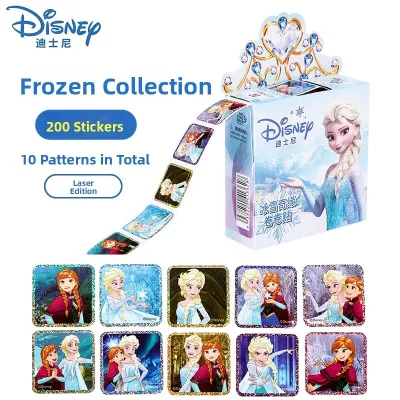
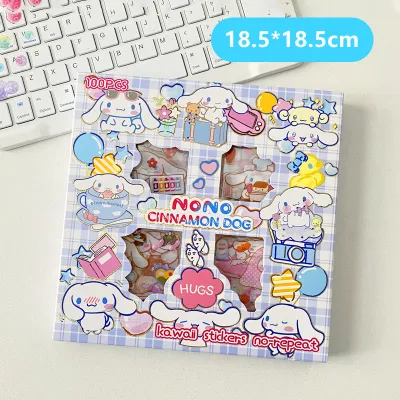
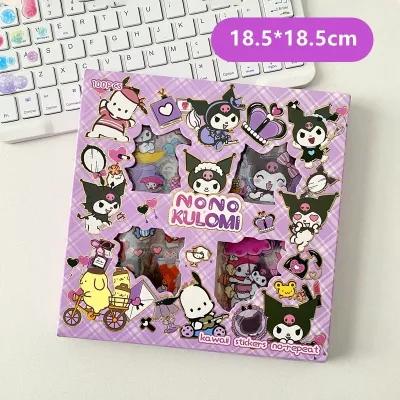
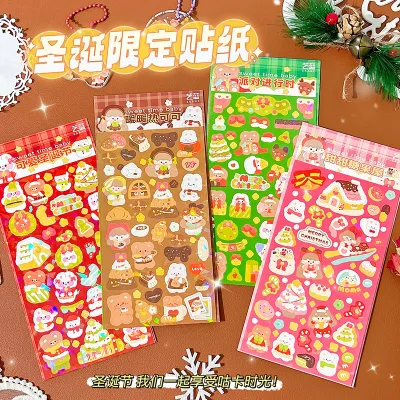
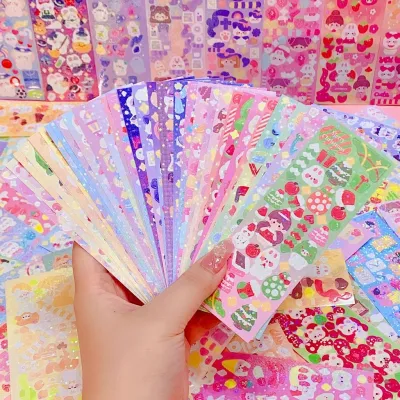
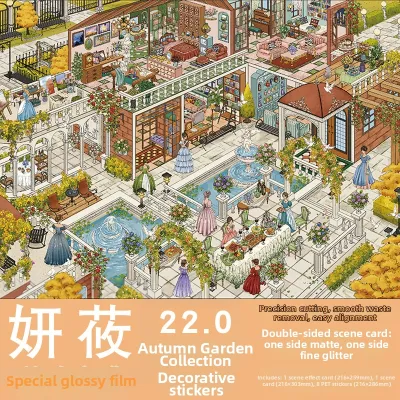
Prices are valid at publication and may change. Please refer to the product page for the latest price.
Adhesive Type
Sticker adhesives generally fall into two categories: permanent and repositionable. Permanent adhesives are designed to bond securely to paper fibers almost instantly, making them the superior choice for scrapbooks and long-term memory keeping where you want the design to remain intact for decades. Repositionable adhesives, often found on high-quality washi paper stickers, allow you to peel the sticker off and move it multiple times without tearing the notebook page or leaving sticky residue behind. This mistake-friendly adhesive is highly recommended for planners, daily logs, and beginners who are still experimenting with page layouts.
Cut Style
Understanding how stickers are cut helps you plan your storage and application methods. Die-cut stickers are individual pieces cut precisely to the shape of the design, complete with their own backing paper. They are highly tactile, fun to collect, and easy to share with friends, though peeling the backing off small die-cuts can sometimes require patience. Kiss-cut stickers are supplied on a larger sheet where only the top sticker layer is cut through, leaving the backing sheet intact. Kiss-cut sheets are incredibly convenient for bulk storage, keep themed designs organized together, and allow for quick, effortless peeling during busy crafting sessions.
Size and Scale
To maintain a balanced layout, always match the physical dimensions of your stickers to the size of your notebook. For standard A5 journals (approximately 5.8 by 8.3 inches), you have the creative freedom to use medium-to-large focal stickers ranging from two to three inches without crowding out your handwriting. If you prefer more compact formats like B6 or pocket-sized notebooks, look for mini sticker sheets featuring designs that are one inch or smaller. Using oversized stickers in a small notebook can quickly overwhelm the page, leaving little to no room for actual writing or photo placement.
Paper Weight and Opacity
The weight and opacity of your stickers dictate how they interact with the underlying page elements. Thicker, opaque paper stickers are excellent for covering up writing mistakes, messy ink splatters, or printed grid lines that you want to hide. However, they add noticeable physical bulk to your notebook, which can cause the spine to flare open as you fill the pages. Transparent or ultra-thin stickers, such as those made from PET plastic or fine washi paper, blend seamlessly into the page surface, creating a beautiful flat finish that looks as though the artwork was printed directly onto the paper.
Most Popular Sticker Themes and How to Use Them
Exploring different thematic styles allows young journalers to experiment with varied aesthetics, changing the mood of their pages from day to day. By understanding the unique design elements of each popular theme, you can create gorgeous, balanced layouts that tell a story.

Kawaii and Cute Character Stickers
The enduring charm of kawaii design lies in its ability to bring a sense of joy and playfulness to any journal page. Characterized by soft pastel color palettes, clean outlines, and expressive faces, this theme features adorable motifs such as smiling boba cups, chubby sleeping animals, magical girls, and cheerful anthropomorphic clouds. These designs are incredibly popular among younger crafters because they make the daily routine of journaling feel warm and inviting.
To make the most of kawaii stickers, try using them as visual indicators for your daily moods or emotional state. Placing a tiny, cheerful strawberry sticker next to a diary entry instantly conveys a positive day, while a sleepy, blanket-wrapped character can represent a cozy afternoon of rest. You can also use larger character stickers as playful focal points at the bottom of a page, letting them anchor your text blocks and fill empty spaces with vibrant color.
Floral, Botanical, and Nature Designs
For those who prefer a more organic, calming, or vintage-inspired aesthetic, botanical and nature themes offer timeless versatility. This category includes delicate watercolor wildflowers, trailing green ivy vines, pressed ferns, detailed mushrooms, and celestial moon phases. The soft, natural tones of forest greens, warm terracottas, and dusty pinks create a grounding backdrop that pairs beautifully with handwritten reflections.
One of the most effective ways to use botanical stickers is as functional page borders and dividers. Long, flexible vine or leaf stickers can be placed along the outer margins of your pages or used to separate different sections of a single entry. You can also layer small clusters of watercolor flowers around the corners of printed photos or memorabilia, framing your memories in a way that feels organic and elegant without distracting from the central subject.
Animals and Wildlife Illustrations
Animal stickers capture a wide range of artistic styles, making them suitable for journalers of all ages and interests. On one end of the spectrum, you will find highly stylized, cartoonish pets like playful kittens, corgis, and pandas that bring immediate energy to a page. On the other end are highly detailed, vintage-style scientific illustrations of birds, butterflies, woodland creatures, and marine life, which lend a sophisticated, exploratory feel to your layouts.
If you are building a travel memory book or documenting a weekend trip to a local nature park, detailed wildlife stickers can act as beautiful illustrative accents that complement your narrative. For pet owners, creating a dedicated pet appreciation page filled with playful cat or dog stickers, paw prints, and handwritten stories about your pet’s quirks is a wonderful way to preserve those precious everyday moments.
Retro, Y2K, and Aesthetic Patterns
Perfect for older kids, preteens, and teenagers who love building highly styled, mood-board layouts, the retro and Y2K aesthetic is all about bold self-expression. This theme embraces vibrant neon colors, holographic finishes, checkerboard patterns, nostalgic tech icons like floppy disks and old-school computers, and dreamy celestial elements. It often incorporates a collage style, where stickers are layered heavily to create rich, textured backgrounds.
To master this aesthetic, try layering patterned geometric stickers over solid-colored or grid-patterned washi tapes. You can place a metallic or holographic star sticker directly on top of a torn piece of brown kraft paper to create an eye-catching contrast between rustic and futuristic textures. This style thrives on controlled chaos, so do not be afraid to overlap your stickers, combine contrasting color schemes, and mix modern designs with vintage-style typography.
Functional and Inspirational Stickers
While decorative stickers add beauty, functional and inspirational designs bring structure and motivation to your daily routine. This essential category includes colorful habit trackers, weather icons, daily checklist boxes, date flags, and uplifting quote stickers. These tools are particularly beneficial for school-aged journalers, helping them develop organizational skills, track personal goals, and maintain a consistent journaling habit.
You can easily integrate functional stickers into your weekly layouts to keep your schedule visually engaging. For instance, placing a small raincloud sticker next to your daily date helps you log the weather at a glance, while a colorful habit tracker sticker allows you to visually check off your reading or study hours with a satisfying swipe of a pen. Intersperse these functional elements with small, motivational quote stickers to provide a gentle boost of encouragement whenever you open your notebook.
Sticker Materials and Finishes: Choosing the Right Texture
The material of a sticker determines not only how it looks on the page but also how it feels to the touch and how it interacts with your writing instruments. Selecting the right texture ensures that your stickers complement, rather than hinder, your writing process.
- Matte Paper: This classic, non-reflective material is the most common choice for traditional scrapbooking. Because it has a paper-like texture, you can easily write directly on top of matte stickers using standard gel pens, ballpoint pens, or water-based markers without worrying about the ink smearing. It gives your pages a soft, organic look that blends beautifully with standard notebook paper.
- Glossy and Vinyl: Known for their high color saturation and glossy sheen, vinyl stickers are incredibly durable and resistant to water and tearing. However, their slick surface makes them very difficult to write on with standard pens, often requiring specialized permanent markers. They are best used as purely decorative accents or outer cover decorations rather than background layers for writing.
- Transparent (PET): Made from a thin, clear plastic film, PET stickers feature printed designs with completely transparent backgrounds. When applied to a page, the borders disappear entirely, making the artwork look like a seamless part of the paper. They are ideal for layering over handwritten text, grid lines, or patterned background papers without blocking them out completely.
- Holographic and Glitter: These specialty finishes catch the light to reveal shifting rainbow colors or sparkling textures. Because they are highly eye-catching, they should be used selectively as focal points on your page—such as highlighting a major milestone, a birthday entry, or a title card—to prevent your layout from becoming visually cluttered or overwhelming.
- Washi Paper: Crafted from traditional Japanese paper fibers, washi stickers are semi-translucent, incredibly thin, and easy to tear by hand. They feature a gentle, low-tack adhesive that makes them highly repositionable, allowing you to adjust your layouts easily. Washi stickers have a beautiful, soft matte texture that layers elegantly, making them a staple for any journaling enthusiast.
To help you quickly compare these options and choose the best material for your next layout, refer to the comparison table below:
| Material | Best Use Case | Writeability | Repositionability |
|---|---|---|---|
| Matte Paper | Daily journaling, writing labels, background layering | Excellent (most pens work perfectly) | Low (prone to tearing if peeled) |
| Glossy & Vinyl | Cover decorations, water bottles, bold focal accents | Poor (requires permanent markers) | Very Low (strong permanent bond) |
| Transparent (PET) | Layering over text, seamless botanical layouts | Poor (ink will smear easily) | Moderate (can peel if done carefully) |
| Holographic | Title pages, celebrating special milestones | Poor (slick, non-porous surface) | Low (rigid material resists peeling) |
| Washi Paper | Border designs, delicate layering, mistake-friendly layouts | Good (works well with ballpoint/pencil) | High (easy to peel and move) |
How to Store and Protect Your Sticker Collection
As your love for scrapbooking grows, so will your sticker collection. Keeping your stickers organized and protected from environmental damage ensures that they remain in pristine, usable condition whenever inspiration strikes.
Organization Methods
Maintaining an organized collection makes the creative process much more enjoyable, as you can easily find the exact design you need without rummaging through piles of loose sheets. For kiss-cut sticker sheets, clear plastic binder sleeves are an exceptional solution; they allow you to flip through your collection like a book, organizing your sheets by color, theme, or brand. If you prefer individual die-cut stickers, using a multi-compartment accordion folder or small, labeled plastic storage boxes keeps your designs sorted by category (such as animals, florals, or quotes) while remaining highly portable for crafting sessions with friends.
Climate Protection
Stickers are highly sensitive to environmental factors, and this is especially true in tropical regions like the Philippines, where high humidity and warm temperatures are common. Excessive moisture in the air can cause sticker backing paper to curl, weaken the adhesive, or even cause sheets to stick together prematurely. To preserve your collection, always store your stickers in a cool, dry place away from direct sunlight, which can fade vibrant colors over time. Placing a few small silica gel packets inside your storage boxes or binder pockets is an incredibly effective, low-cost way to absorb excess moisture and keep your stickers perfectly flat and sticky.
Handling Tips
When working with delicate, intricate, or very small stickers, using your fingers can sometimes lead to torn edges or ruined adhesive. The natural oils on your fingertips can transfer to the sticky backing, reducing its bonding strength over time. To ensure precise placement and keep your stickers clean, consider using a pair of fine-tip crafting tweezers or a small plastic spatula tool. These tools allow you to pick up, position, and smooth down even the most delicate die-cut designs with absolute precision, ensuring a flawless, professional-looking finish on every journal page.
Frequently Asked Questions (FAQ)
Are washi stickers better than vinyl for journaling?
For traditional paper-based journaling, washi stickers are generally superior to vinyl. Washi paper is semi-translucent, incredibly thin, and features a gentle adhesive that allows you to reposition the sticker without tearing your notebook pages. It also lies completely flat, preventing your journal from becoming excessively bulky. Vinyl stickers, while highly durable and waterproof, are much thicker, heavier, and feature a strong permanent adhesive that can easily warp or rip delicate journal paper if you try to adjust its placement.
How do I remove stickers from a journal page without tearing the paper?
If you need to remove a stubborn or permanently bonded sticker from your journal, you can use a hairdryer set to a low, warm heat setting. Hold the hairdryer a few inches away from the page for ten to fifteen seconds to gently warm and soften the adhesive backing. Once the adhesive is warm, slowly and carefully peel the sticker back at a sharp, flat angle, rather than pulling straight up. Avoid using high heat or rushing the process, as excessive heat can warp delicate paper fibers or cause the ink on the page to smudge.
What size stickers work best for A5 and B6 notebooks?
For standard A5 notebooks, medium-to-large stickers measuring between two and three inches work beautifully as central focal points or decorative headers, leaving plenty of room for writing. For more compact B6 or pocket-sized journals, it is best to stick to smaller, intricate designs that are one inch or less in size. Using smaller stickers in compact formats ensures that your pages remain visually balanced and functional, preventing the layout from looking overcrowded or leaving you with no space to write.

Community discussion
Share your experience or ask a question. Comments are reviewed before publication.