
Selecting the right stickers for kids’ journaling and school craft projects involves balancing ease of peeling, safe adhesive strength, and paper compatibility. For internal journal pages, lightweight paper and repositionable washi stickers work best because they lie flat and do not bulk up the notebook. For external school projects, such as decorating plastic folders or water bottles, durable and water-resistant vinyl stickers are the superior choice.
In tropical climates like the Philippines, high humidity can quickly degrade low-quality adhesives, causing stickers to curl, slide off, or turn into a sticky, dust-attracting residue. Choosing the right sticker material ensures that creative school projects and personal diaries remain intact throughout the school year. Understanding the physical properties of different sticker types helps parents and educators select options that support children’s development without damaging their school supplies.
What to Look for in Stickers for Kids' Crafts and Journals
Adhesive Strength
Two main categories of adhesive dominate the sticker world: repositionable and permanent. Repositionable adhesives, often found on washi paper and light paper stickers, allow children to peel and stick multiple times without tearing the page. This is highly beneficial for young kids who are still developing their spatial awareness and layout planning skills. Permanent adhesives, on the other hand, form a strong bond within minutes and are ideal for long-term craft displays, poster boards, and external notebook covers that undergo daily wear and tear.
Products mentioned in this guide
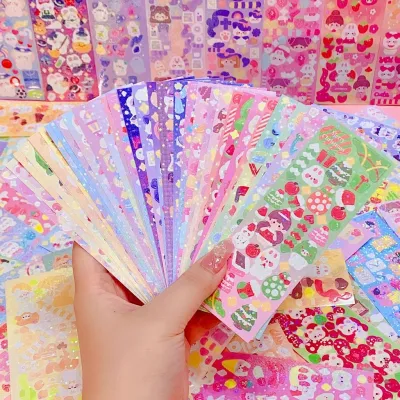
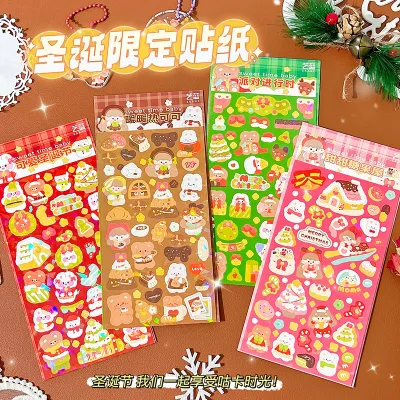
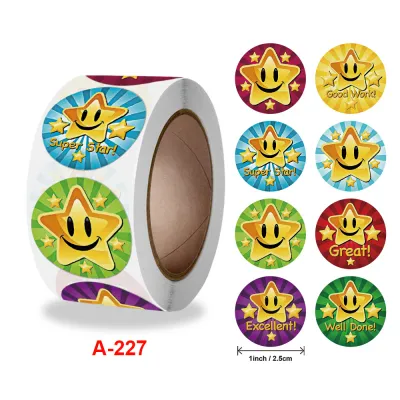

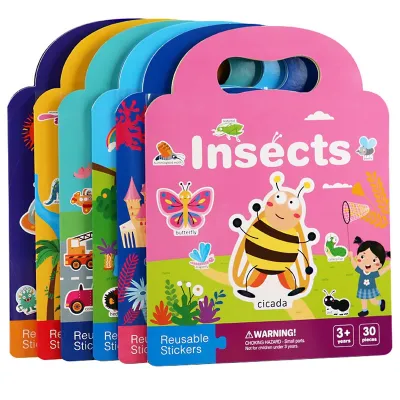
Prices are valid at publication and may change. Please refer to the product page for the latest price.
Material Safety and Paper Care
When choosing stickers for long-term preservation, such as memory books or personal journals, acid-free materials are essential. Acidic adhesives and papers react with the air and the notebook pages over time, leading to yellowing, brittle paper, and faded ink. Ensure the product packaging explicitly states “acid-free” or “photo-safe” to keep children’s early writings and drawings pristine for years. Furthermore, look for non-toxic certifications like ASTM D-4236 or EN71, especially for younger kids who might put stickered fingers in their mouths.
Ease of Peeling
Fine motor skills are still developing in early childhood, making the physical act of peeling stickers a potential point of frustration. Stickers with split-back or scored liners—where the backing paper is cut down the middle—are significantly easier for small hands to separate. Alternatively, kiss-cut sheets that leave a wide margin of backing paper around the sticker edge allow children to grip the border and lift the sticker independently, boosting their confidence and fine motor coordination.
Surface Compatibility
Adhesives behave differently depending on the surface texture and material composition. Smooth, non-porous surfaces like plastic folders, laminated book covers, and glass jars require strong, flexible adhesives like those on vinyl stickers to stay secure. Conversely, porous surfaces like standard notebook paper, construction paper, and cardboard absorb adhesives more readily, making lightweight paper or washi stickers the most compatible option to prevent bleed-through or structural damage to the page.
Best Sticker Formats for Journaling and Classroom Projects
Standard Paper and Vinyl Stickers
Standard paper stickers are the workhorse of classroom activities and basic journaling. Because they are thin and flat, they blend seamlessly into the pages of a notebook without adding bulk or preventing the book from closing properly. A major advantage of paper stickers is their writeability; kids can easily write names, dates, or small notes directly onto the sticker surface using standard ballpoint pens, colored pencils, or gel pens. This makes them highly functional for labeling school subjects or dating journal entries.

Vinyl stickers offer a completely different set of benefits, centered around durability and resilience. Made from synthetic polymers, vinyl stickers are water-resistant and highly resistant to tearing, making them the default choice for personalizing items that get wet or handled frequently, such as lunchboxes, water bottles, and umbrella handles. However, their stiffness and thickness make them less suitable for the inside of lightweight journals, as they can cause the pages to bunch up and may eventually lift at the corners when the book is flexed.
Puffy and 3D Foam Stickers
Puffy and 3D foam stickers feature a raised, cushioned design that provides immediate visual and tactile feedback. For toddlers and younger elementary students, the physical sensation of pressing down on a soft, squishy sticker is highly engaging and helps reinforce sensory development. These stickers are excellent for stand-alone craft projects, such as handmade greeting cards, classroom posters, and decorative picture frames where dimension adds to the artistic appeal.
Despite their charm, puffy stickers present distinct challenges when used inside journals, planners, or school notebooks. The added thickness prevents the book from laying flat, making it difficult to write on subsequent pages. Over time, the pressure of a closed notebook can cause the raised edges of puffy stickers to indent or even tear the opposite page. If kids insist on using them in a diary, placing a thick sheet of cardstock or a plastic page protector between the pages when the book is closed can help mitigate this damage.
Washi Paper and Semi-Transparent Stickers
Washi stickers, crafted from traditional Japanese paper fibers, are highly favored in the journaling community for their soft texture and aesthetic versatility. Their primary functional benefit is their gentle, repositionable adhesive, which allows children to peel them off and adjust their placement without ripping the delicate paper underneath. This makes washi stickers incredibly forgiving for beginners who are learning how to align borders or design balanced journal layouts.
Semi-transparent stickers, often made from thin Polyethylene Terephthalate (PET) plastic, offer a sleek, modern alternative. Because they are transparent, they allow underlying text, grid lines, or watercolor washes to show through, creating a beautiful layered effect. Kids can use PET stickers to overlay decorative elements directly on top of their written school notes or calendar grids without obscuring the important information underneath, making them excellent tools for functional school planning.
Sticker Rolls and Reward Stickers
Sticker rolls are a staple in both classrooms and busy homes due to their high volume and ease of dispensing. Typically featuring repetitive motivational designs—such as stars, smiley faces, or encouraging words—rolls allow teachers and parents to quickly distribute rewards without managing multiple loose backing sheets. The continuous format also makes rolls highly efficient for classroom art projects where students need a large volume of uniform shapes to create borders, patterns, or mosaic-style art.
For children’s personal journaling, sticker rolls can be used to create consistent decorative borders along the edges of pages. Because they are usually printed on lightweight paper with a medium-strength adhesive, they stick quickly and stay flat. The simplicity of pulling a single sticker off a continuous roll also helps younger children practice their hand-eye coordination without the distraction of a large, overwhelming sticker sheet.
Choosing the Right Themes and Sizes for Different Age Groups
Educational vs. Aesthetic Themes
The choice between educational and purely aesthetic themes depends largely on the project’s primary goal. For school assignments, science posters, and learning activities, stickers featuring alphabets, numbers, geometric shapes, or geographical maps serve as excellent visual aids that reinforce classroom lessons. For personal journals and creative writing, aesthetic stickers featuring cartoon characters, nature scenes, animals, or hobby icons allow children to express their unique personalities and emotional states, making the writing process feel more personal and rewarding.
Size Considerations for Motor Skills
Selecting the appropriate physical size of a sticker is crucial for preventing frustration and supporting motor development. Toddlers and preschoolers, who are still mastering the pincer grasp, benefit most from larger, chunky stickers (typically two inches or larger) that are easy to hold and manipulate. As children transition to middle childhood and their fine motor skills refine, they can comfortably handle smaller, more intricate stickers. Older students often prefer tiny icon stickers to mark specific events, homework deadlines, or mood trackers in their daily planners.
Functional Stickers
For older students managing heavier academic workloads, functional stickers become valuable organizational tools. Label stickers, date indicators, and colorful subject tabs help students categorize their notebooks, organize loose handouts, and track homework assignments. Using stickers to color-code different school subjects—such as green for Science, blue for Mathematics, and red for English—helps students quickly locate their materials in their backpacks, streamlining their daily school routines.
Quick Comparison of Sticker Types for Kids
To help you quickly identify the ideal sticker format for your child’s next creative endeavor, the table below compares the key features of the most common sticker types.
| Sticker Format | Best Use Case | Journal-Friendliness (Bulk/Flatness) | Peeling Ease for Kids | Writeability (Can you write on it?) |
|---|---|---|---|---|
| Paper | Classroom crafts, labeling, daily journaling | High (Very flat, adds no bulk) | Moderate (Requires some care) | Yes (Excellent with most pens) |
| Vinyl | Water bottles, lunchboxes, outdoor gear | Low (Stiff, can cause page bunching) | Easy (Thick and tear-resistant) | No (Requires permanent markers) |
| Puffy / Foam | 3D posters, card making, tactile play | Low (Prevents notebook from closing flat) | Very Easy (Chunky and easy to grip) | No (Uneven, soft surface) |
| Washi | Scrapbooking, layering, layout planning | High (Ultra-thin, blends into paper) | Moderate (Delicate, can tear if rushed) | Yes (Best with ballpoint pens) |
| PET / Transparent | Planning, overlaying text, aesthetic layering | High (Very thin, smooth finish) | Moderate (Hard to see backing edge) | No (Ink smears on plastic surface) |
Encouraging kids to mix different formats—such as using flat paper stickers for writing captions and a few washi strips for borders—creates a dynamic, multi-textured page without compromising the structural integrity of their journals.
Tips for Storing and Applying Kids' Stickers
Storage Solutions
Proper storage is essential for maintaining the adhesive quality and color vibrancy of stickers, especially in warm and humid environments. High humidity can cause the backing paper of sticker sheets to curl, which exposes the adhesive to air and dust, eventually drying it out. To prevent this, store sticker sheets flat inside plastic clear-book binders, pocket folders, or specialized sticker storage books. Keep these storage containers in a cool, dry place away from direct sunlight, which can fade the vibrant colors and melt the adhesive backing.
Application Tools
While younger children should rely entirely on their fingers to develop grip strength, older kids and teenagers working on highly detailed journal layouts can benefit from using basic application tools. Lightweight plastic tweezers or small craft spatulas allow for precise placement of tiny icon stickers without leaving fingerprint smudges or oil residue on the adhesive. These tools also make it easier to lift and reposition delicate washi stickers without tearing the corners, teaching older kids patience and precision in their craftwork.
Testing Adhesives
Before allowing children to apply highly adhesive stickers to expensive school textbooks, archival journals, or painted bedroom furniture, perform a quick test. Apply a small sticker or a corner of a sticker sheet to a piece of scrap paper or an inconspicuous area of the target surface. Observe how easily it peels off after a few minutes; if it tears the paper or leaves a heavy, sticky residue, restrict those specific stickers to temporary craft projects or non-porous materials like plastic folders.
Frequently Asked Questions (FAQ)
Are vinyl stickers safe to use on school notebooks?
Yes, standard vinyl stickers are safe and highly durable for decorating the external covers of school notebooks, plastic folders, and binders. Their water-resistant nature protects them from spills, sweat, and daily handling, ensuring the designs remain vibrant throughout the school year. However, they are not recommended for the internal paper pages of a notebook. The stiffness of vinyl prevents the pages from turning smoothly, and the thick edges can catch on other sheets, potentially causing the paper to tear or the sticker to peel off over time.
How can I remove sticker residue from craft materials?
To remove stubborn sticker residue without damaging your craft materials, start with the gentlest, dry methods first. Rubbing the residue firmly with a clean pencil eraser or rolling it off with a clean finger often lifts the adhesive from paper and cardboard without causing damage. For non-porous surfaces like plastic folders, glass jars, or metal rulers, apply a tiny drop of cooking oil or baby oil to a cloth and gently rub the sticky spot until it dissolves. Always check the manufacturer’s care instructions for your school supplies before applying any liquids, and avoid using harsh chemical solvents on paper, cardboard, or painted surfaces to prevent permanent staining or warping.
What is the difference between die-cut and kiss-cut stickers?
The primary difference lies in how the backing paper is cut during manufacturing, which directly impacts how easy the sticker is to peel. Die-cut stickers are cut through both the sticker material and the backing paper, resulting in individual, custom-shaped pieces that are often used for giveaways or water bottle decoration. Kiss-cut stickers are only cut through the top sticker layer, leaving the backing paper completely intact. This leaves a border of backing paper around the sticker, making it much easier for small hands to get a grip on the edge and peel the sticker off without bending or tearing the design.

Community discussion
Share your experience or ask a question. Comments are reviewed before publication.