
Finding the right files organizer storage for your home is not about buying the most expensive box on the shelf; it is about matching your specific document types with the correct physical protection and accessibility levels. A single filing cabinet rarely fits the diverse needs of a modern household. While a heavy-duty, fire-resistant pouch is indispensable for irreplaceable vital records, a lightweight expanding folder is far more practical for managing active monthly bills, medical prescriptions, or school forms.
To build an effective home filing system, you must first categorize your paperwork by how often you use it and how devastating its loss would be. By selecting specialized storage solutions for different categories of documents, you can protect your family’s most important papers from environmental damage, keep daily administrative clutter off your desks, and ensure you can find any document in seconds during an emergency.
Assess Your Home Document Storage Needs
Before purchasing any filing equipment, take stock of the paperwork currently scattered around your living space. Household documents generally fall into three distinct categories: vital records, active files, and archival items. Vital records include birth certificates, marriage contracts, land titles, passports, and insurance policies. These are highly sensitive, difficult to replace, and require maximum security. Active files consist of utility bills, ongoing medical treatments, school report cards, and current tax year documents that you need to access regularly. Archival items are historical records, such as tax returns from previous years, closed contracts, or old academic transcripts, which you must keep for legal or sentimental reasons but rarely need to view.
Products mentioned in this guide
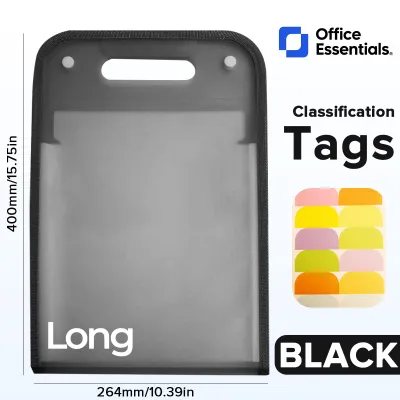
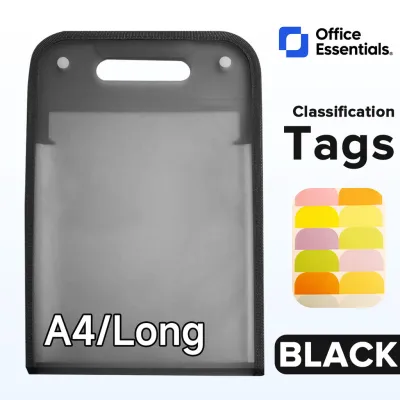
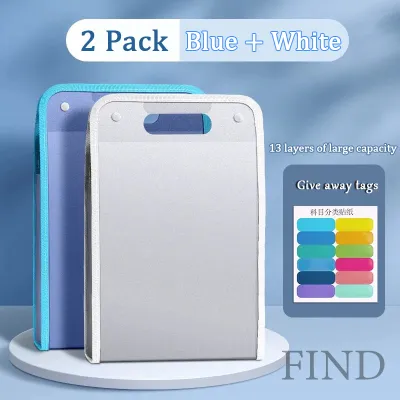
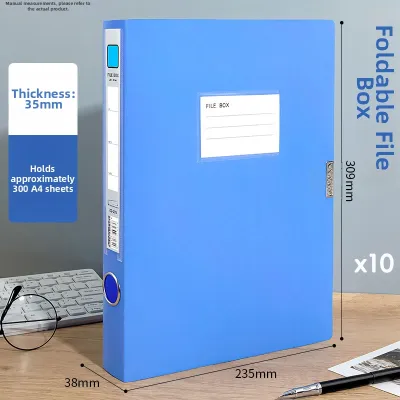
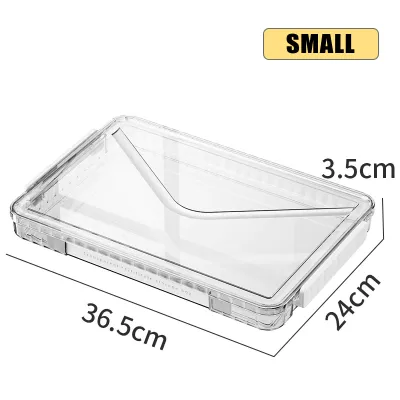
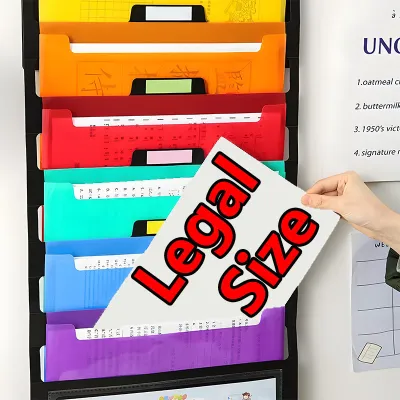
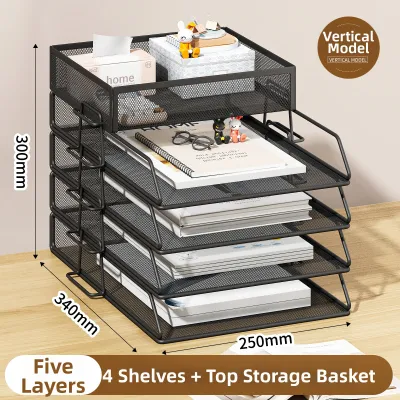
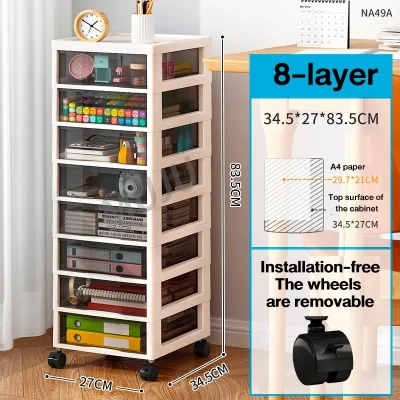
Prices are valid at publication and may change. Please refer to the product page for the latest price.
Next, evaluate where you plan to keep these organizers. If you have deep desk drawers, hanging file inserts might be the most space-efficient choice. If you rely on open bookshelves, rigid boxes or decorative magazine files will keep your documents upright and tidy. For those living in smaller spaces, portable folders that can be tucked away in a closet or under a bed are highly practical.
Environmental factors play a critical role in document preservation, especially in tropical climates like the Philippines. High relative humidity can cause paper fibers to soften, making them highly susceptible to mold, mildew, and yellowing. Dust accumulation can degrade paper over time, while pests such as silverfish, termites, and cockroaches actively feed on paper and organic adhesives. Furthermore, the risk of localized flooding or heavy rain during typhoon season means that storing important documents on or near the floor is highly risky. Your choice of storage materials must directly address these environmental challenges.
Best Types of Files Organizer Storage for Different Home Needs
Different household scenarios require distinct physical structures to balance security, capacity, and ease of access. Matching your documents to the right category of organizer ensures that your daily administrative tasks remain smooth while your most valuable papers are shielded from unexpected disasters.

Fireproof and Waterproof Document Bags
Fireproof and waterproof document bags are specialized protective pouches designed specifically for irreplaceable vital records. These bags act as a primary line of defense for items like property deeds, passports, birth certificates, and emergency cash. They are built to withstand extreme temperatures and resist water ingress, giving you peace of mind that your most critical papers will survive a household emergency or a severe tropical storm.
When evaluating these bags, look closely at the material specifications on the product label. High-quality options typically feature a silicone-coated fiberglass exterior, which prevents itchy fiberglass particles from transferring to your hands while providing excellent heat resistance. Pay close attention to the closure mechanism; a combination of a water-resistant zipper covered by a secure hook-and-loop flap offers far better protection against water spray and smoke than a simple zipper alone.
While these bags offer superior physical protection, they have clear limitations. They are not designed for daily document sorting or storing large volumes of paper, as they lack internal dividers and can become bulky when overfilled. For the best results, use these bags as protective sleeves for your absolute most critical documents, and store the entire bag inside a home safe or an elevated, secure closet shelf.
Expanding File Folders and Accordion Files
Expanding file folders, often called accordion files, are multi-pocket organizers designed for active or semi-active household documents. If you need to organize medical records for different family members, track vehicle registration papers, or keep current-year tax documents separate, an expanding folder is an exceptionally practical tool. They allow you to group related papers together while keeping them easily accessible.
When shopping for an expanding folder, prioritize durability and ease of categorization. Look for models made from thick, flexible polypropylene, which resists moisture and tearing much better than standard paperboard. Reinforced fabric gussets along the sides are highly recommended, as plastic-only seams tend to split when the folder is filled to capacity. Ensure the folder features built-in tabbed dividers with clear plastic inserts, allowing you to create custom labels for each pocket.
Keep in mind that expanding folders can become heavy and difficult to close if you try to pack too many sheets into a single pocket. Overstuffing can stretch the elastic bands or crack the plastic snap closures, leaving your documents vulnerable to falling out. Additionally, because standard plastic folders are not completely airtight, they are not suitable for long-term archival of highly sensitive papers unless you use acid-free paper inserts to prevent chemical degradation over the years.
Archival Storage Boxes and Magazine Files
Archival storage boxes and upright magazine files are designed for long-term storage and shelf organization of bulky, historical, or completed documents. These solutions are ideal for storing old tax returns, completed property contracts, historical family records, or even childhood drawings that you want to preserve. They keep your shelves looking neat while protecting papers from dust and direct sunlight.
For true archival preservation, you must verify the chemical composition of the storage container. Standard cardboard boxes contain acids and lignin that transfer to paper over time, causing your documents to turn yellow, brittle, and eventually disintegrate. Look for boxes explicitly labeled as “acid-free” and “lignin-free.” If you prefer plastic storage, heavy-duty polypropylene boxes with tight-fitting lids provide excellent protection against dust, moisture, and pests.
While archival boxes are excellent for high-volume storage, they require dedicated shelf or closet space. Their rigid structure makes them impractical for quick daily retrieval or emergency evacuation. If you choose upright magazine files for active reference, place them on sturdy shelves away from open windows to prevent dust accumulation and wind damage.
Desktop Sorters and Drawer File Inserts
Desktop sorters and drawer file inserts are designed for highly active, short-term document management. If you struggle with incoming mail, pending utility bills, school permission slips, or active home renovation receipts cluttering your kitchen counter, a desktop sorter provides an immediate, visible holding zone. These organizers keep your daily administrative tasks organized and top-of-mind.
Before purchasing a desktop sorter or a drawer insert, you must measure your workspace carefully. Verify that the slots or hanging rails are compatible with standard local paper sizes, such as A4 and Letter. For drawer inserts, measure the depth, width, and height of your desk drawers to ensure a snug fit. Hanging file folders are particularly useful because they slide smoothly along metal rails, allowing you to flip through active files without removing the entire folder from the drawer.
Because desktop sorters are open to the environment, they offer virtually no protection against accidental spills, dust, pests, or unauthorized viewing. They are meant strictly for temporary holding and processing. To maintain an organized home, make it a habit to clear out your desktop sorter weekly, moving processed papers to permanent storage or shredding them.
Essential Features to Verify Before Purchasing
To ensure your chosen files organizer storage performs effectively and fits seamlessly into your home, verify several physical and material specifications before making a purchase. Taking the time to check these details will save you from the frustration of bent documents or broken closures.
- Paper Size Compatibility: In the Philippines, household documents come in several standard sizes, including A4 (210 x 297 mm), Letter (8.5 x 11 inches), and Legal or "Long" folder format (8.5 x 13 inches). Many imported organizers are designed strictly for US Letter or A4 sizes. If you try to store local legal-sized documents or long folders in these organizers, the edges will stick out, bend, or prevent the organizer from closing. Always check the exact internal dimensions of the product.
- Material Durability: Polypropylene (PP) is highly recommended for home organizers because it is lightweight, water-resistant, and easy to wipe clean. If you prefer paper-based organizers for environmental reasons, look for heavy-duty kraft paper or dense pressboard, but be aware that these materials require extra protection from humid air. Avoid thin, brittle plastics that can crack easily when dropped or exposed to warm temperatures.
- Closure Security: The type of closure determines how well the organizer protects your documents from dust, pests, and accidental spills. Zippers provide the most secure seal, making them ideal for portable bags and expanding files. Elastic bands are highly convenient for quick access but can lose their elasticity over time in warm, humid climates. Snap buttons offer a firm lock but can be difficult to close if the folder is packed to its limit.
- Portability vs. Stability: If you need an organizer that you can quickly grab during an emergency evacuation, look for lightweight designs with reinforced carrying handles. If your primary goal is neat shelf storage, prioritize rigid boxes with flat, stable bases that allow for safe vertical stacking without collapsing under weight.
Setting Up and Maintaining Your Home Filing System
An organizer is only as effective as the system you use to maintain it. To prevent your files organizer storage from becoming a chaotic dumping ground, establish a simple, consistent routine for sorting and preserving your paperwork.
Begin by creating a clear labeling system. Use color-coded labels or tabs to distinguish between different categories of documents—for example, red tabs for vital medical records, blue tabs for financial documents, and green tabs for property files. Write clear, legible titles on each tab, or use a label maker for a clean, uniform look. For complex systems, place a master index sheet at the very front of the organizer, listing exactly what documents are stored in each section.
Schedule a regular purging routine to keep your physical storage manageable. Once a year, perhaps during spring cleaning or at the start of the new year, go through your organizers and discard outdated papers. Shred expired insurance policies, old utility bills, and duplicate receipts. Recycling or shredding unnecessary documents frees up valuable physical space and ensures that your organizers only contain relevant, important information.
Finally, pay close attention to where you store your physical organizers. Keep them in elevated, dry areas of your home, at least a foot off the floor, to protect them from potential water leaks, floor-cleaning moisture, or minor flooding. Avoid placing storage boxes directly against exterior concrete walls, as these walls can sweat and transfer moisture to the back of your organizers, leading to mold growth. Choose an interior closet, a dry cabinet, or a dedicated shelf away from direct sunlight to prevent paper yellowing and material degradation.
Frequently Asked Questions (FAQ)
Should I keep digital copies of my important physical documents?
Yes, creating digital backups is an excellent way to ensure you always have access to your information, especially when traveling or in the event of an emergency. You can use a mobile scanning app or a dedicated document scanner to save high-resolution copies of your papers to a secure cloud storage service or an encrypted external hard drive. However, keep in mind that digital copies do not replace the legal necessity of keeping original physical documents. Government agencies, financial institutions, and courts typically require original, physical paper documents—such as notarized contracts, land titles, and birth certificates—to verify their authenticity.
How do I protect my paper documents from humidity and pests?
To protect your paper documents from tropical humidity and pests, place several silica gel packets inside your storage boxes or expanding folders to absorb ambient moisture and prevent mold growth. Avoid storing your document organizers directly on the floor or pressed against exterior concrete walls, which can transfer dampness. If your primary organizer is not completely airtight, consider placing it inside a larger, sealed plastic bin with a rubber gasket lid. This secondary layer of defense is highly effective at keeping out dust, high humidity, and destructive pests like silverfish, termites, and cockroaches.

Community discussion
Share your experience or ask a question. Comments are reviewed before publication.