
Finding the right white pen set for dark surfaces requires balancing ink opacity, tip precision, and paper compatibility. Standard white pens often appear translucent or streaky on black cardstock and dark scrapbook elements. This guide breaks down the specific ink formulations and nib types needed for high-contrast writing, helping you match the right pen set to your specific crafting scenarios and verify product claims before purchasing.
When working on dark backgrounds, the contrast of your writing depends entirely on how the ink sits on top of the paper fibers. Unlike dark inks that sink into light-colored sheets, white ink must remain on the surface to stay visible. If the ink is too thin, the dark paper absorbs it, leaving a faint, gray streak instead of a crisp, bright line. Understanding how different pen designs and ink types interact with your paper is the first step to achieving clean, vibrant results in your journals, cards, and scrapbooks.
Understanding Ink and Tip Requirements for Dark Surfaces
To achieve a striking contrast on dark paper, you must look closely at the ink formulation. Pigment-based gel inks, acrylic paint inks, and water-based pigment inks behave differently on dark surfaces. Gel inks use a water-based suspension that carries heavy white pigments, usually titanium dioxide, which settles on top of the paper to create a solid line. Acrylic and paint-based inks offer even higher opacity, forming a thin, plastic-like layer over the paper fibers that completely blocks out the dark background.
Products mentioned in this guide
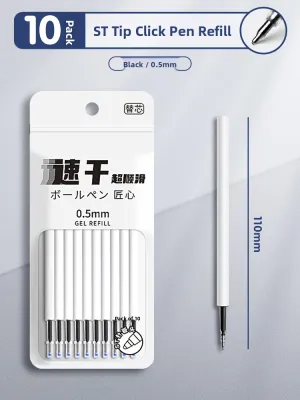
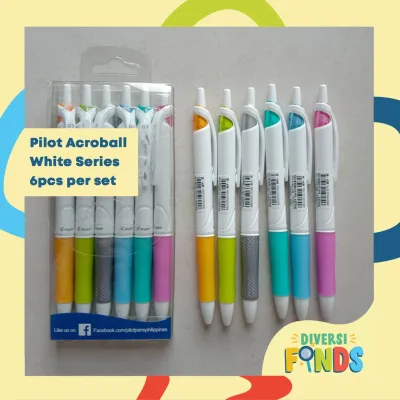
Prices are valid at publication and may change. Please refer to the product page for the latest price.
The choice of nib or tip type determines the precision and style of your strokes. Fine liners and extra-fine plastic tips are excellent for detailed illustrations, tight handwriting, and intricate patterns. Bullet tips, usually made of durable felt or fiber, provide a consistent line weight that is ideal for bold lettering and filling in shapes. Brush tips, which can be made of flexible felt or individual synthetic bristles, allow you to vary your line width based on pressure, making them a popular choice for modern calligraphy and expressive art.
Before purchasing a white pen set, always check the manufacturer’s specifications regarding surface compatibility and paper weight. Highly absorbent, thin papers can pull the moisture out of the ink too quickly, causing feathering or bleeding. Heavier cardstock, especially sheets with a smooth or slightly coated finish, keeps the pigment on the surface, allowing the white ink to dry with high opacity and minimal distortion.
Choosing the Right White Pen Set by Craft Scenario
Different creative projects demand distinct ink behaviors and physical pen characteristics. A pen that excels at quick note-taking in a dark-themed journal might not have the opacity or flexibility required for formal calligraphy on thick black cardstock. Matching your pen set to your specific crafting scenario ensures that the ink flows smoothly, dries without smudging, and lasts throughout your project.

Dark Paper and Daily Journaling
For daily journaling in dark-paper notebooks, consistency and drying speed are your primary concerns. You need an ink that flows immediately upon contact with the page without requiring constant priming. Because journal pages are turned frequently, checking the manufacturer’s claims regarding drying time is essential to prevent accidental smudging. In humid tropical climates, such as in the Philippines, ink can take slightly longer to dry, making quick-drying gel formulations highly desirable.
Fine to medium tip sizes, ranging from 0.5mm to 0.8mm, are ideal for standard handwriting. These sizes provide enough ink flow to remain highly visible on dark paper while keeping your letters sharp and legible. Before writing a long entry, always test the pen on a back page of your journal to verify how the paper weight and texture handle the ink.
Black Cards and Calligraphy
Creating elegant invitations, place cards, or greeting cards on black cardstock requires a pen set that delivers high opacity and line variation. Calligraphy and decorative lettering rely on the contrast between thin upstrokes and thick downstrokes. Flexible brush nibs or medium bullet tips allow you to achieve these dynamic transitions smoothly, provided the ink formulation can keep up with the varying speed and pressure of your hand.
Because cardstock is typically thicker and more textured than standard journal paper, the ink must be highly opaque to stand out against deep black backgrounds. Look for paint-based or highly pigmented acrylic markers that lay down a solid, chalk-like layer. Always test your selected pen on a scrap piece of the exact cardstock you plan to use to check for feathering or bleeding, which can ruin the clean edges of your lettering.
Scrapbooking and Mixed Media
Scrapbooking often involves writing over a variety of challenging surfaces, including glossy photographs, printed stickers, and textured cardstock. For these mixed-media applications, you need a white pen set with exceptional adhesion. Standard gel pens often bead up or slide off non-porous surfaces like photo paper, so specialized acrylic paint pens or multi-surface permanent markers are usually necessary.
Precision tips, such as 0.7mm extra-fine paint markers, are invaluable for adding highlights to illustrations and writing captions directly onto photo borders. When preserving memories, verify the manufacturer’s specifications for lightfastness and acid-free properties to ensure your writing will not fade over time. Additionally, check that the ink is smudge-resistant once fully cured, especially if the scrapbook pages will be handled frequently.
Key Features to Check Before Buying
When shopping for a white pen set on local online marketplaces or at your neighborhood stationery store, evaluating specific product features on the packaging will save you time and frustration. Whether you are investing ₱150 in a basic starter set or over ₱1,000 in professional-grade markers, identifying the exact ink formulation is crucial. Acrylic paint markers offer high opacity and work on almost any surface, but they require priming, whereas gel pens are more convenient for quick writing but may require multiple layers on highly absorbent papers.
Next, examine the tip material and durability. Felt and fiber tips are prone to fraying if used repeatedly on rough, textured paper or heavy cardstock. If you plan to work on rough surfaces, look for metal-sleeved plastic tips or durable ballpoint mechanisms that resist wear. The drying time is another critical factor; check if the manufacturer specifies a quick-dry formula, which is especially helpful for preventing smudges.
Finally, consider the practical aspects of ownership, such as shelf life and storage requirements. Check the packaging for clear instructions on whether the pens must be stored horizontally or vertically, as improper storage can lead to premature drying or pigment separation, rendering the pens unusable before you can finish your project.
Tips for Writing and Maintaining White Pens on Dark Paper
To get optimal performance and the longest lifespan from your white pen set, proper maintenance is key. For paint-based or pigment-heavy pens, always follow the manufacturer’s priming instructions. This usually involves shaking the pen thoroughly with the cap on to distribute the heavy white pigments evenly, then gently pressing the tip down on a scrap piece of paper until the ink begins to saturate the nib. Avoid pressing too hard, as this can deform the tip or cause a sudden flood of ink.
Store your white pens horizontally whenever possible. Because white ink relies on heavy pigments like titanium dioxide, storing them vertically can cause the pigment to settle at the bottom of the barrel, clogging the tip, or at the top, leaving the initial strokes watery and translucent. Keeping them flat ensures a consistent mixture of pigment and binder every time you write.
During long crafting sessions, paper fibers can accumulate on the nib, especially when writing on textured cardstock. Gently wipe the tip with a damp, lint-free cloth or a scrap piece of paper to remove these fibers and prevent clogging. If the ink flow stops or the pen dries out prematurely, check the manufacturer’s troubleshooting guide or consult the retailer for advice.
Frequently Asked Questions (FAQ)
Why does my white pen skip or write faintly on black paper?
A white pen may skip or write faintly if the heavy pigments inside the ink have settled or separated. For paint-based markers, this is often resolved by shaking the pen vigorously and priming the nib on scrap paper. If you are using a gel pen, the ballpoint may be clogged with dried ink or paper fibers, which can be cleared by scribbling gently on a rough surface. Additionally, some dark papers have waxy or glossy coatings that repel water-based inks, preventing the pen from laying down a continuous line.
Can I use standard white gel pens on dark cardstock?
Standard white gel pens can be used on dark cardstock, but their performance depends heavily on the paper’s absorbency and the ink’s pigment concentration. Standard gel pens are often designed for light accents or highlighting existing drawings rather than writing solid, opaque text on deep black backgrounds. For primary text, titles, or large lettering, specialized opaque markers or acrylic paint pens are generally more effective, as they deposit a thicker, more solid layer of pigment that completely masks the dark paper underneath.

Community discussion
Share your experience or ask a question. Comments are reviewed before publication.