
Finding the right white tela for background use in photography and video production depends on balancing opacity, wrinkle resistance, and portability. While there is no single fabric that excels in every shooting environment, muslin offers excellent portability and a classic matte texture, polyester provides unmatched wrinkle resistance for on-the-go shoots, and heavy cotton or canvas delivers the ultimate opacity for permanent studio setups. Understanding how these materials interact with studio lighting and tropical environmental conditions will help you select the ideal textile for your creative workflow.
When setting up a studio in the Philippines, environmental factors like high humidity and ambient heat also play a role in how fabrics drape, stretch, and age. Selecting a backdrop is not just about finding a clean white sheet; it requires evaluating how the fabric handles light bounce, how easily it can be cleaned, and whether it requires constant maintenance before every shoot. By analyzing the physical properties of each fabric type, you can avoid common pitfalls like unwanted shadows, hot spots, and hours spent steaming out stubborn creases.
Key Factors for Choosing a White Backdrop Fabric
Opacity
Opacity is the most critical factor when choosing a white background fabric. A thin or loosely woven fabric will allow light to pass through, revealing the outline of your background stands, wall textures, or any equipment placed behind the setup. When shooting against a backlit window or under bright studio strobes, low opacity can ruin an exposure by creating distracting silhouettes. To check for opacity before purchasing, hold the fabric up to a bright light source; if you can clearly see the shape of your hand or objects behind it, the material will require a secondary backing or a higher thickness to perform well as a backdrop.
Products mentioned in this guide
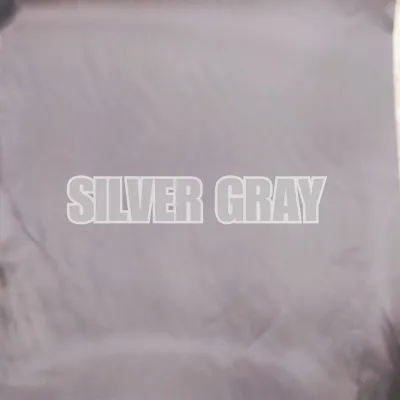
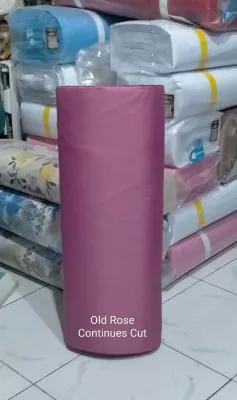

Prices are valid at publication and may change. Please refer to the product page for the latest price.
Wrinkle Resistance
Wrinkles and creases catch light and cast tiny shadows, disrupting the seamless, high-key white look often desired in commercial photography and video. Natural fibers like cotton and linen are highly prone to creasing when folded or packed into a gear bag, requiring significant prep time with a garment steamer on set. Synthetic fibers, particularly polyester, possess excellent elastic recovery, allowing them to bounce back to a smooth state even after being tightly folded. Balancing the organic drape of natural fibers against the low-maintenance convenience of synthetics is a primary decision point for any photographer.
Light Diffusion
How a fabric diffuses light determines the softness of your background and the presence of hot spots. A ideal white backdrop should have a completely matte finish that scatters light evenly across its surface, preventing harsh reflections or glare. Fabrics with a satin, silk, or cheap synthetic sheen will reflect light directly back into the camera lens, creating bright spots that are difficult to correct in post-processing. The weave density also affects diffusion; a tighter, brushed weave helps blend light smoothly, while a coarse, open weave can create a visible texture under close-up shots.
Portability and Setup
Your shooting style dictates whether you need a lightweight, highly packable fabric or a heavy-duty material. Mobile photographers who shoot on-location portraits, events, or corporate headshots need lightweight fabrics that fold down into compact gear bags and can be supported by lightweight, portable background stands. Conversely, permanent commercial studios benefit from heavy, thick fabrics that hang flat under their own weight and do not shift when subjects walk on them. Heavy fabrics require robust support systems, such as heavy-duty C-stands and sandbags, to ensure safety on set.
Material Breakdown: Muslin, Cotton, Polyester, and Canvas
Evaluating the physical characteristics and practical trade-offs of the four most common backdrop fabrics will help you narrow down your options based on your specific production environment.

Muslin
Muslin is a lightweight, plain-weave cotton fabric that has long been a staple in professional photography studios. Its characteristic loose weave gives it a soft, non-reflective matte texture that diffuses light beautifully, making it highly effective for portraiture where a soft background is desired. However, this loose weave also means that lightweight muslin can be somewhat translucent when backlit, meaning you may need to position it against a solid wall or use a black backing cloth to maintain a pure white look.
Because muslin is made of natural cotton fibers, it creases very easily when folded. Managing these wrinkles requires either a dedicated garment steamer on set or choosing pre-washed, textured muslin options that embrace a slightly crinkled, rustic look rather than a perfectly seamless white. Muslin is best suited for quick portrait setups, travel photography, and creative shoots where a subtle, organic texture is preferred over a sterile, high-key digital white.
Cotton and Canvas
Heavy cotton and canvas represent the heavyweights of the backdrop world, offering maximum opacity and structural durability. Canvas is a extremely dense, tightly woven fabric that completely blocks background light, ensuring that no stands or wall imperfections show through your shot. This density makes it highly durable and resistant to wear and tear, which is essential for full-body portraits, fashion shoots, and videography where models are constantly walking, jumping, or posing on the fabric sweep.
The primary drawback of canvas and heavy cotton is their weight and tendency to hold deep, stubborn creases. Once folded, canvas requires intensive steaming or professional ironing to return to a smooth state, making it highly impractical for mobile setups. Additionally, the sheer weight of a large canvas backdrop can bow standard background crossbars, requiring heavy-duty support systems. Canvas is best utilized in permanent or semi-permanent studio setups where it can remain rolled on a wall-mounted roller system rather than folded.
Polyester and Blends
Polyester and polyester-cotton blends are the modern solution for fast-paced, low-maintenance photography and video production. Synthetic polyester fibers are highly resilient, meaning they resist wrinkling and creasing even when stuffed into a compact carrying bag for extended periods. This makes setup incredibly fast, allowing you to hang the backdrop and begin shooting immediately without spending thirty minutes steaming the fabric on set.
While polyester is highly convenient, users must be cautious about light reflection. Low-quality synthetic fabrics can have a slight plastic sheen that reflects direct, harsh studio lights, resulting in unwanted glare or hot spots. When sourcing polyester, look for brushed polyester, tension fabric, or high-quality matte blends designed specifically for photographic use. Polyester is the ideal choice for frequent travel, event photo booths, and videographers who need a clean, reliable background with minimal preparation time.
Quick Comparison Matrix for Backdrop Fabrics
| Fabric Type | Opacity Level | Wrinkle Tendency | Light Diffusion | Ideal Setup |
|---|---|---|---|---|
| Muslin | Moderate | High | Excellent (Matte) | Portable portraits, creative shoots |
| Heavy Cotton | High | High | Very Good | Permanent studios, full-body shots |
| Canvas | Very High | Very High | Good (Slight texture) | Permanent commercial studios |
| Polyester | Moderate to High | Low | Good (Check for sheen) | Travel, events, fast-paced video |
| Polyester Blend | High | Low to Moderate | Very Good | Hybrid studio and on-location use |
When purchasing fabric by the meter from local textile shops or online marketplaces, keep in mind that specific performance depends heavily on the manufacturer’s weave density and thickness. Always check the product specifications for the fabric’s weight, often measured in GSM (grams per square meter). A higher GSM (typically 200 GSM or above) indicates a thicker, more opaque fabric that will drape better and block more light, regardless of the material type.
Decision Framework: Which White Tela Fits Your Needs?
To choose the right white tela for background use, evaluate your primary shooting style, location constraints, and equipment setup against these common scenarios:
- Choose Muslin if: You are a portrait or fine-art photographer who values a soft, organic, non-reflective texture, shoots primarily headshots or half-body portraits, and has the time to steam the fabric or prefers a slightly textured, classic look.
- Choose Canvas or Heavy Cotton if: You operate a dedicated, permanent studio space, frequently shoot full-body fashion or commercial product photography, possess heavy-duty background stands or wall-roller systems, and require absolute opacity to block out background elements.
- Choose Polyester if: You are a mobile photographer, event coordinator, or videographer who travels frequently between locations, needs a fast setup with minimal prep time, and wants a smooth, wrinkle-resistant background that can be easily folded and packed.
Before finalizing your purchase on any online marketplace, verify the seller’s return policy and examine user-submitted photos in the review section. Online product listings often use digital mockups that display a perfect, glowing white, but customer photos will reveal the true color temperature (ensuring it is a neutral white rather than a warm cream or cool blue) and show how the fabric drapes under real-world lighting conditions.
Care, Storage, and Maintenance Tips
Proper maintenance is essential to preserve the clean, bright white color of your backdrop and extend its usable lifespan. Always refer to the manufacturer’s care label before washing. Natural cotton and muslin backdrops can shrink significantly if washed in hot water or dried on high heat, so gentle machine washing in cold water and air drying is generally recommended. For synthetic polyester, a standard cool wash cycle works well, but avoid high heat settings in the dryer to prevent the synthetic fibers from warping or static buildup.
Storage methods play a massive role in minimizing future prep time. Instead of folding heavy cotton or canvas backdrops, roll them tightly around heavy-duty cardboard tubes or PVC pipes. Rolling prevents deep creases from forming and allows you to store the fabric upright in a corner or on a rack. In humid tropical climates, store your fabrics in a dry, well-ventilated area, and consider placing silica gel packets inside your storage bags or bins to absorb excess moisture and prevent the growth of mold, mildew, and yellow spots.
When removing wrinkles on set, use a professional garment steamer while the fabric is hung on its support stand, pulling the fabric taut from the bottom to help release the creases. If you must iron the fabric, set the iron temperature according to the specific fiber type. Be exceptionally cautious with polyester and synthetic blends; always start on a low heat setting and test a small, inconspicuous corner first. Stop immediately if you notice any signs of melting, scorching, or a shiny residue, as excessive heat can permanently damage synthetic fibers.
Frequently Asked Questions (FAQ)
Can I use a regular white bedsheet as a photography background?
While a regular white bedsheet can work in an emergency, it is generally not recommended for professional results. Bedsheets are typically designed for comfort and breathability, meaning they have a lower thread count and thinner weave than purpose-built photographic backdrops. This low opacity allows light to leak through, making background stands visible. Additionally, many bedsheets have a slight sateen or polished finish that reflects studio lights, creating distracting hot spots and uneven exposures.
How do I prevent my white fabric backdrop from turning yellow over time?
White fabrics can turn yellow due to exposure to dust, ambient moisture, direct sunlight, and chemical residues from detergents. To prevent yellowing, store your clean backdrop in a dark, dry place inside a breathable fabric garment bag rather than a sealed plastic bin, which can trap moisture. Avoid using harsh chlorine bleach during washing, as it can damage the fibers and cause a chemical yellowing effect over time; instead, use mild detergents and consider a specialized fabric whitener if recommended by the manufacturer.
What size white tela should I buy for full-body portraits?
For full-body portraits, you need a fabric that is wide enough to accommodate your subject’s movement and long enough to sweep down the wall and onto the floor. A standard recommendation is a width of at least 2.5 to 3 meters (approximately 8 to 10 feet) and a length of 5 to 6 meters (approximately 16 to 20 feet). This length provides enough fabric to hang from a standard 2.4-meter stand while leaving a generous 2.5 to 3-meter sweep on the floor for the subject to stand on without exposing the floor-wall seam.

Community discussion
Share your experience or ask a question. Comments are reviewed before publication.