
Selecting the ideal wrapping paper for a flower bouquet is the defining step that transforms a simple bunch of stems into a professional, cohesive floral arrangement. The best wrapping paper is not a single universal material; rather, it is a strategic combination of water-resistant barriers, structural supports, and decorative outer sheets that complement the specific flowers you are arranging. In tropical climates like the Philippines, where high humidity and warm temperatures can accelerate wilting and weaken paper fibers, choosing materials that balance moisture control with structural integrity is essential. By understanding how different papers interact with water, weight, and light, you can create stunning presentations that remain crisp and beautiful from the florist’s table to the recipient’s home.
Key Factors When Selecting Bouquet Wrapping Paper
Before purchasing wrapping materials, you must evaluate the physical characteristics of your bouquet and the environment where it will be displayed or transported. The first consideration is the physical scale of the arrangement. Heavy, long-stemmed flowers require thick, high-tensile papers that will not buckle under pressure, while delicate, short-stemmed blooms look best in soft, layered sheets that do not overwhelm their natural scale. Measuring your bouquet’s maximum height and diameter helps you determine whether you need standard square sheets, typically measuring 58 centimeters by 58 centimeters, or larger continuous rolls.
Moisture management is the most critical functional factor in floral design. Because cut flowers require constant hydration, their stems are often wrapped in damp cotton, placed in water tubes, or pre-soaked before assembly. If your wrapping paper lacks water resistance, any moisture escaping from the stems will quickly seep into the outer layers, causing unsightly water spots, ink bleeding, and structural collapse. In highly humid environments, even ambient moisture in the air can soften untreated papers, making a waterproof inner barrier or a naturally water-resistant outer wrap non-negotiable.
Products mentioned in this guide
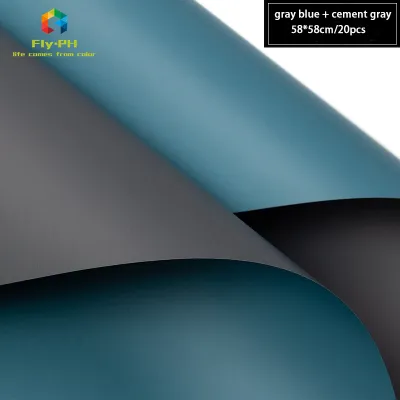
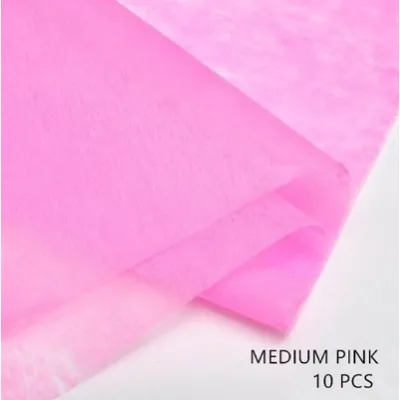
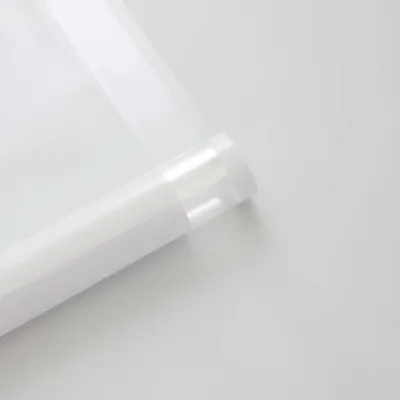

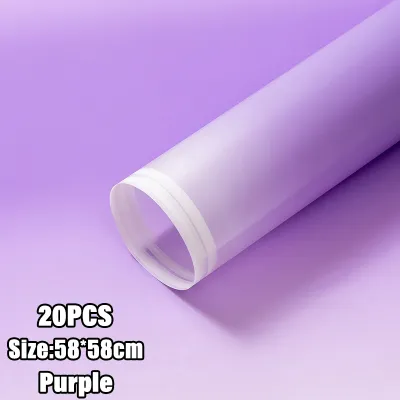
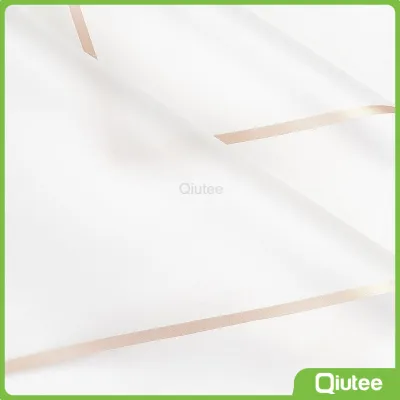
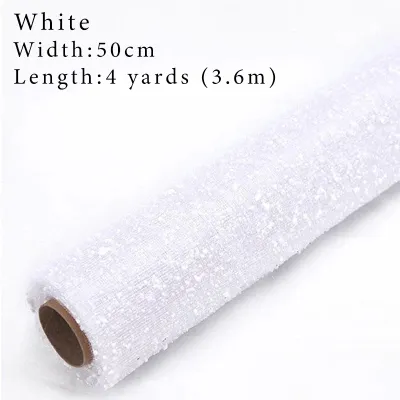
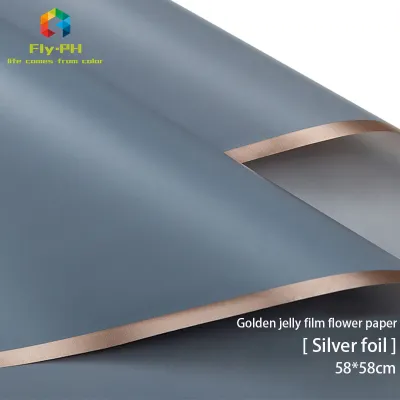
Prices are valid at publication and may change. Please refer to the product page for the latest price.
The aesthetic goal and the specific occasion also dictate your material choice. A rustic wedding bouquet calls for earthy, textured papers that evoke a natural, hand-picked feel, whereas a formal anniversary arrangement benefits from the sleek, light-diffusing qualities of frosted films. Additionally, consider the transport journey of the bouquet. If the arrangement must survive a long commute in a vehicle, the wrapping paper must be durable enough to resist creasing, tearing, and friction damage during handling.
Top Wrapping Paper Types for Flower Arrangements
Different wrapping papers offer distinct physical properties, ranging from complete transparency and absolute water resistance to rich, organic textures and high opacity. To achieve a professional look, florists often layer multiple paper types to leverage the unique strengths of each material.

The following matrix compares the primary material properties of common bouquet wrapping papers to help you select the right combination for your project:
| Material Type | Opacity Level | Water Resistance | Texture & Feel | Primary Structural Role |
|---|---|---|---|---|
| Kraft Paper | High (Opaque) | Low (Absorbent) | Coarse, matte, stiff | Outer structural support |
| Frosted Film | Medium (Translucent) | High (Waterproof) | Smooth, velvety, flexible | Voluminous outer layering |
| Cellophane | None (Transparent) | High (Waterproof) | Glossy, slick, crinkly | Inner moisture barrier |
| Tissue Paper | Low (Semi-sheer) | Very Low (Fragile) | Soft, delicate, light | Inner cushioning & volume |
Kraft Paper
Kraft paper is the premier choice for rustic, artisanal, and minimalist floral presentations. Made from wood pulp through a chemical process that preserves strong fibers, kraft paper provides exceptional stiffness and tensile strength. This structural rigidity makes it highly effective for supporting heavy, top-heavy blooms that require a firm frame to stay upright. Its natural, unbleached brown tone offers a neutral, organic backdrop that makes the vibrant greens and bright petals of your flowers stand out without visual competition.
However, standard kraft paper is highly absorbent and possesses virtually no inherent water resistance. When exposed to wet stems or condensation, it quickly absorbs water, leading to dark stains and a rapid loss of structural integrity. To prevent the paper from becoming soggy and tearing during transit, you must always line the interior of the kraft paper with a waterproof barrier, such as clear cellophane, to isolate the wet stems from the dry outer wrap.
Frosted and Korean-Style Wrapping Paper
Frosted and Korean-style wrapping papers have revolutionized modern floral design with their elegant, semi-translucent appearance. Typically made from thin, flexible polypropylene or specialized treated plastics, these papers feature a velvety, matte finish that beautifully diffuses light. This light-diffusing quality softens the edges of the bouquet, creating a romantic, high-end aesthetic that is highly popular for modern celebrations.
Beyond their visual appeal, frosted papers are highly water-resistant, making them exceptionally durable in humid tropical climates. They do not weaken, tear, or stain when exposed to water droplets, allowing you to mist the bouquet to keep the blooms fresh without ruining the packaging. Because they are flexible yet hold their shape well when folded, they are ideal for creating the voluminous, multi-layered, fanned-out pleats characteristic of contemporary Korean-style floral arrangements.
Cellophane and Waterproof Films
Cellophane and clear plastic films serve as the functional backbone of any successful flower wrap. These completely transparent, non-porous materials are entirely waterproof, making them indispensable for containing moisture at the base of the bouquet. Whether you are wrapping stems in wet paper towels, securing a water bag around the cut ends, or using wet floral foam, a layer of cellophane ensures that water remains trapped around the stems and away from your decorative outer papers.
While clear cellophane is primarily used as a hidden, protective inner liner, patterned, tinted, or iridescent films can also serve as decorative outer layers. When used on the exterior, these films catch the light and add a playful, modern shimmer to the arrangement. However, because cellophane is highly crinkly and lacks the soft drape of paper, it is best paired with other materials to avoid a cheap or overly plastic appearance.
Tissue and Crepe Paper
Tissue and crepe papers are delicate, lightweight materials used primarily to add texture, depth, and soft color accents to the interior of a bouquet. Tissue paper is incredibly thin and semi-sheer, making it perfect for bunching up to create a soft, pillowy cushion around delicate flower heads. Crepe paper, characterized by its crinkled, stretchable texture, offers a unique tactile quality and can be gently shaped or ruffled along the edges to mimic natural petals.
Because these papers are extremely thin and uncoated, they have no structural strength and will disintegrate almost instantly upon contact with water. Consequently, they should never be used as the primary outer wrap for a heavy or wet bouquet. Instead, utilize them as decorative inner layers to fill empty spaces, protect fragile blooms from rubbing against stiffer outer papers, or add a subtle pop of contrasting color deep within the arrangement.
Matching Paper Styles to Flower Types and Aesthetics
Creating a visually harmonious bouquet requires matching the physical properties and style of your wrapping paper to the specific flowers you are arranging. Delicate, soft-petaled blooms such as tulips, peonies, and ranunculus require gentle handling and a complementary soft aesthetic. Wrapping these fragile flowers in stiff, heavy kraft paper can crush their petals and overwhelm their delicate forms. Instead, pair them with soft, translucent frosted films or layers of delicate tissue paper. These materials provide a gentle, cushioned cradle that protects the blooms while enhancing their airy, romantic appearance.
In contrast, robust, heavy, or large-scale arrangements featuring sunflowers, long-stemmed roses, or lilies demand highly structured wrapping materials. A large bunch of sunflowers wrapped in thin tissue paper will quickly sag and lose its shape. For these bold, heavy flowers, utilize heavy-weight kraft paper or multiple layered sheets of thick frosted plastic. These materials provide the necessary physical support to keep the heavy flower heads upright and spaced correctly, ensuring the bouquet retains its intended shape during transport and display.
Color coordination is another vital element of the design process. When selecting paper colors, you can choose between a contrasting palette or a monochromatic scheme. A contrasting palette—such as wrapping bright yellow sunflowers in deep blue or charcoal gray paper—creates a vibrant, eye-catching pop that emphasizes the shape of each individual flower. Conversely, a monochromatic or analogous color scheme—such as pairing soft pink roses with blush pink or pale lavender frosted paper—creates a cohesive, elegant, and calming aesthetic. As a general rule, neutral paper tones like white, cream, gray, and natural brown are highly versatile options that complement almost any flower variety without clashing.
Essential Wrapping Supplies and Accessories
To construct a secure, professional-looking wrapped bouquet, you need a selection of essential stationery and floral tools alongside your wrapping paper. Before you even begin applying the outer paper, the structural base of the bouquet must be firmly secured. Floral tape, binding wire, and waterproof stem wraps are critical for holding the stems in the desired spiral or parallel arrangement. Securing the stems first ensures that the bouquet does not shift or fall apart while you are folding and layering the wrapping paper around it.
Once the paper is folded and positioned, you will need finishing touches to conceal the binding points and add a polished look. Ribbons made of satin, organza, or grosgrain add a luxurious, elegant touch to formal bouquets, while natural jute twine, raffia, or cotton cords perfectly complement the rustic aesthetic of kraft paper. When tying the ribbon, ensure it is wrapped tightly around the narrowest part of the bouquet’s neck to hold the paper pleats firmly in place.
Finally, clean, precise cuts are essential for a professional finish. Using dull household scissors can tear or fray the edges of your wrapping paper, especially when cutting through multiple layers of thick kraft paper or slippery plastic films. Invest in a pair of sharp, dedicated stationery scissors or a sharp craft knife. Clean edges not only look more professional but also prevent plastic films from splitting or tearing further during handling.
Frequently Asked Questions (FAQ)
Can I use regular gift wrapping paper for flower bouquets?
Standard gift wrapping paper is generally not recommended for flower bouquets because it is designed for dry gifts and lacks water resistance. When exposed to the moisture from wet flower stems or condensation, standard paper will quickly absorb water, leading to unsightly dark stains, ink bleeding, and structural tearing. If you wish to use a specific pattern or design found only on standard gift wrap, you must isolate it completely from any moisture. Always wrap the wet stems securely in a waterproof cellophane or plastic liner before applying the outer gift wrapping paper to prevent water from contacting the paper.
How many sheets of wrapping paper do I need for one bouquet?
The number of sheets required depends on the size of the bouquet and the desired volume of the presentation. For a standard, medium-sized bouquet using the popular fanned-out layering technique, you will typically need one inner waterproof sheet (such as cellophane) and two to four outer decorative sheets. Before purchasing or cutting your paper, measure the maximum width and stem length of your bouquet. Standard pre-cut sheets of Korean-style wrapping paper usually measure around 58 by 58 centimeters, which is generally sufficient to cover a medium arrangement with elegant, overlapping folds.
What is the best way to keep wrapped flowers fresh during transport?
To maintain flower freshness and prevent wilting during transport, you must ensure the stems have continuous access to moisture. Before wrapping, secure a water source at the base of the stems, such as individual plastic water tubes or a small plastic bag filled with damp cotton or a small amount of water, sealed tightly around the stems with floral tape. During transit, keep the bouquet upright to prevent water from leaking out of the protective barrier. Additionally, avoid placing the wrapped bouquet in direct sunlight, hot car trunks, or directly in front of air conditioning vents, as extreme temperatures and rapid airflow will accelerate dehydration and cause condensation to build up inside plastic wraps.

Community discussion
Share your experience or ask a question. Comments are reviewed before publication.