
Finding the right notes organizer is a balancing act between flexibility, capacity, and ease of use. The most suitable system depends on whether you prioritize archiving massive volumes of documents, rearranging pages on the fly, or enjoying a lightweight, lay-flat writing experience. By understanding how binders, disc-bound systems, and traditional ring-bound notebooks function, you can select a setup that keeps your thoughts structured without adding unnecessary friction to your daily routine.
In tropical climates like the Philippines, where high humidity can affect paper stiffness and durability, the physical mechanism of your organizer plays an even larger role. Softened paper can tear more easily under stress, making the choice of binding and paper weight critical for long-term durability. Comparing these three popular systems allows you to make an informed decision for your school, office, or personal planning needs.
How Binder, Disc-Bound, and Ring-Bound Mechanisms Differ
Standard ring binders rely on a rigid spine housing a metal or plastic ring mechanism that opens and closes via tension triggers. These rings typically come in O-ring or D-ring shapes. The O-ring is circular, meaning pages ride along a curved track, while the D-ring is mounted on the back cover, allowing pages to lie flat on a straight edge. Because the spine is rigid and wide, binders are designed to stand upright on shelves, acting as centralized hubs for large volumes of documents.
Products mentioned in this guide

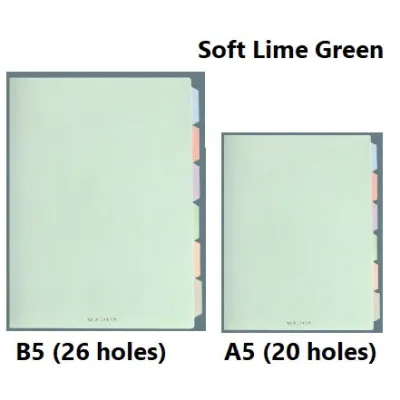
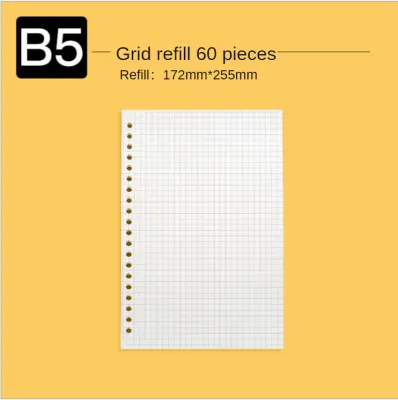
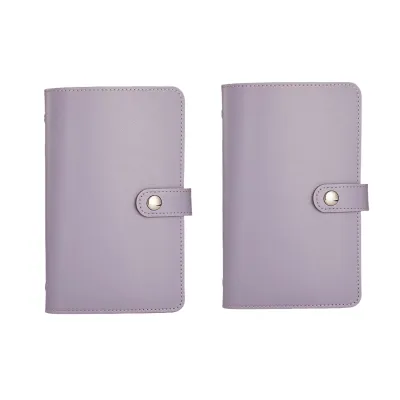
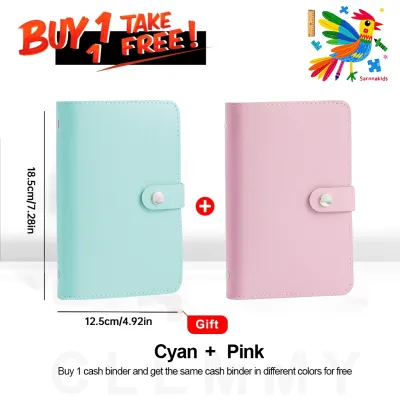
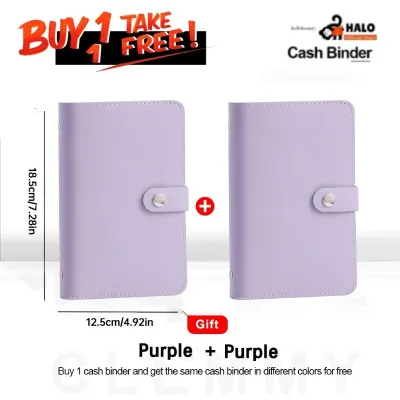
Prices are valid at publication and may change. Please refer to the product page for the latest price.
Disc-bound systems take a completely different approach by eliminating the traditional spine and rings entirely. Instead, they use individual, interlocking circular discs with raised rims. The paper features specialized, mushroom-shaped punches along the edge that slip over the rims of these discs. This design allows you to pull pages out and press them back in at any position without opening a mechanical latch. The system is highly modular, as you can swap out the discs for larger or smaller sizes to adjust the notebook’s thickness.
Spiral and wire ring-bound notebooks represent a highly permanent and straightforward option. These organizers use a continuous plastic or metal coil (spiral-bound) or a series of individual twin-loop metal wires (wire-bound) threaded through a row of closely spaced circular or square holes. Unlike binders or disc-bound systems, traditional ring-bound notebooks are not designed for easy page removal or insertion. Once a page is torn out along the perforation, it cannot be cleanly reinserted, making this system a fixed-record format.
Key Trade-Offs: Capacity, Portability, and Page Management
When evaluating capacity, standard binders offer the highest maximum capacity. A large D-ring binder can comfortably hold hundreds of sheets of paper, making it excellent for archival storage or comprehensive subject folders. However, this capacity comes at the cost of portability. Binders are bulky, heavy, and difficult to slide into a standard backpack, often requiring dedicated desk space.

Disc-bound systems offer a middle ground, balancing capacity with a highly customizable footprint. If you only need to carry your active notes for the week, you can use small, half-inch discs to keep the profile slim. If your workload expands, you can transfer those same pages onto one-inch or two-inch discs. The main trade-off is page-turning smoothness. Because the paper relies on friction-fit mushroom punches, turning pages on a disc-bound system can sometimes feel slightly catchy or stiff compared to the smooth glide of a metal ring.
Ring-bound notebooks excel in portability and writing comfort. Because the binding is compact and flexible, you can fold the cover completely backward to save desk space—a major advantage when working on small lecture hall desks or in crowded coffee shops. Furthermore, because there are no large rings or discs protruding in the center, your hand encounters less obstruction when writing near the binding edge. The limitation is rigid page management: you cannot rearrange your notes, meaning you must write chronologically or dedicate separate notebooks to different topics.
Checking Paper Compatibility and Refill Availability
Before committing to a system, it is essential to verify the availability and cost of paper refills and accessories. Standard binders are the most universally compatible. They use widely standardized hole patterns, such as the common two-hole or three-hole configurations, as well as multi-ring formats. You can easily find compatible loose-leaf paper, plastic sheet protectors, and tab dividers at any local office supply store, often at very affordable prices.
Disc-bound systems, by contrast, rely on proprietary or highly specialized punch profiles. To add your own paper, you must purchase a dedicated disc-bound paper punch, which can be a significant upfront investment. Additionally, because the mushroom-shaped punches require precise dimensions to grip the discs securely, using paper that is too thin can lead to pages falling out. It is wise to check manufacturer specifications and opt for heavier paper weights, typically 100 gsm or higher, to ensure the punches do not tear under regular use.
For traditional ring-bound notebooks, refills are not an option since the binding is permanent. Instead, you must purchase entirely new notebooks once the pages are filled. While this eliminates the need to shop for loose refills, it means you must continuously buy complete units. When shopping locally, compare the cost of high-quality ring-bound notebooks against the long-term cost of buying loose-leaf packs for a binder or specialized refills for a disc-bound system.
Decision Framework: Which Notes Organizer Fits Your Workflow?
To choose the right notes organizer, align the system’s strengths with your daily workflow and organizational habits.
Choose a standard binder if your primary goal is high-capacity archiving, long-term document protection, and structured filing. Binders are highly suitable for storing completed school semesters, tax documents, or reference manuals that you do not need to carry around daily. They keep papers pristine and allow you to use plastic sheet protectors to shield important documents from dust and humidity.
Choose a disc-bound system if you want a highly modular, hybrid experience that combines the portability of a notebook with the flexibility of a binder. This system is highly suitable for planners, creative writers, and project managers who constantly rearrange sections, insert printed templates, or swap out calendar pages. It allows you to maintain a slim profile on the go while retaining the ability to archive older pages at home.
Choose a ring-bound notebook if you prefer a lightweight, ready-to-use format that requires zero setup or maintenance. If you simply want to open a notebook, write your notes in chronological order, and fold the cover back to save space, a traditional spiral or wire-bound notebook is a highly practical and cost-effective choice.
Always verify first if your preferred paper dimensions, ruling styles (such as dotted, grid, or lined), or specialized planner inserts are readily available for your chosen mechanism. If you enjoy using specific fountain pen inks or heavy markers, check the paper specifications of the refills to ensure they offer sufficient bleed resistance and drying speed before making a bulk purchase.
Frequently Asked Questions (FAQ)
Can I convert standard hole-punched paper to a disc-bound system?
Standard circular holes do not have the necessary mushroom-shaped neck to lock onto disc-bound spines securely. If you attempt to place standard hole-punched paper into a disc-bound notebook, the pages will slide out immediately. To convert standard paper, you must use a specialized disc-bound punch that cuts the correct mushroom profile over or alongside the existing holes, or use adhesive adapter strips designed for disc systems.
Do D-ring binders hold more paper than O-ring binders?
Yes, D-ring binders generally hold more paper than O-ring binders of the same nominal size. Because the D-ring is mounted on the back cover rather than the spine, the paper stack sits flat against a straight edge, utilizing the available space more efficiently. To ensure you get the capacity you need, always check the manufacturer’s specific ring diameter and recommended sheet capacity labels rather than relying solely on the spine width.

Community discussion
Share your experience or ask a question. Comments are reviewed before publication.