
Choosing the right file fastener depends on document thickness, how often you need to edit the pages, and your storage environment. In a busy office, school, or home workspace, selecting between board clips, paper clips, and staples can mean the difference between a perfectly preserved archive and a cluttered, damaged stack of papers. Each tool serves a distinct organizational purpose, balancing holding power against physical footprint and paper preservation.
To build an efficient filing system, you must match the physical characteristics of your documents with the mechanical strengths of your fasteners. Using the wrong tool can lead to torn pages, lost sheets, or bulky folders that refuse to close. By understanding how these three common office supplies function under different conditions, you can streamline your workflow and protect your important records.
Identifying Your Filing Needs
Before reaching into your desk drawer for a fastener, take a moment to evaluate the specific physical and organizational conditions of your documents. The first and most obvious factor is document thickness. A stack of three sheets requires a completely different binding approach than a fifty-page financial report. Forcing a small fastener onto a thick stack will damage both the tool and the paper, while using an oversized clamp on a few sheets is inefficient and bulky.
Products mentioned in this guide
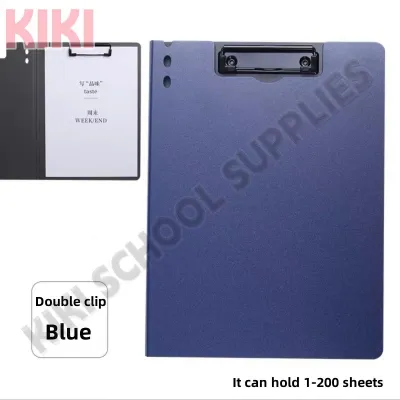
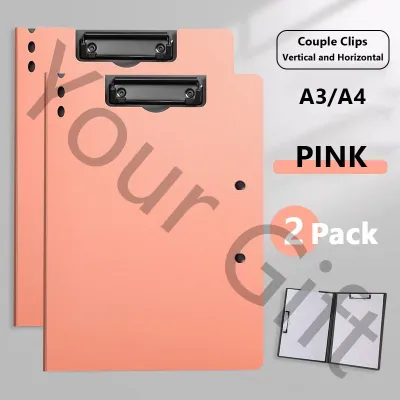
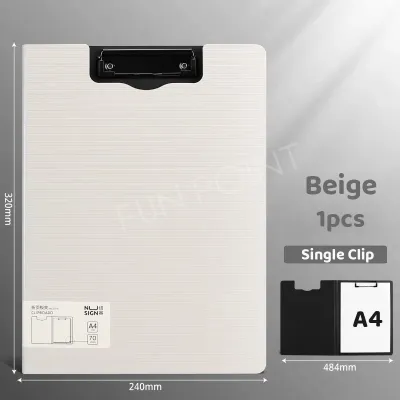
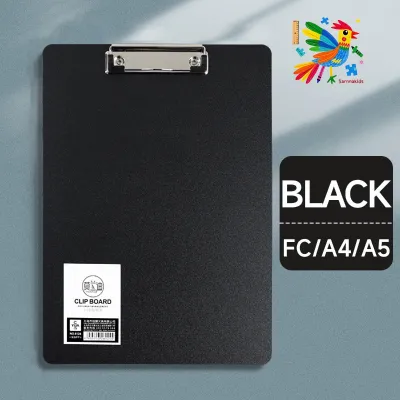
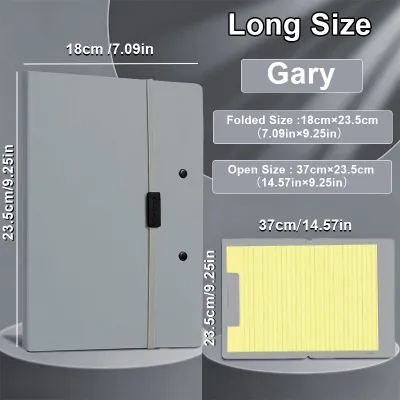
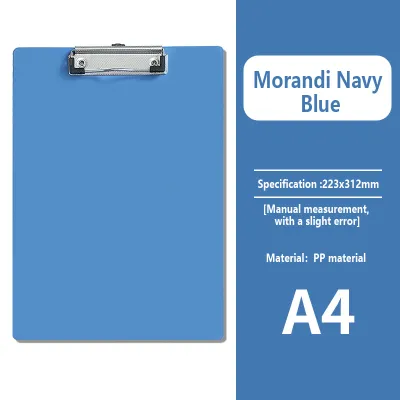
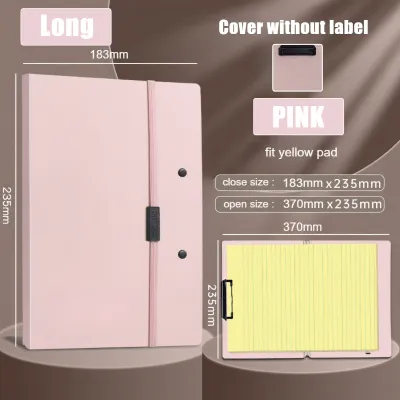
Prices are valid at publication and may change. Please refer to the product page for the latest price.
Next, consider how often you will need to update, add, or remove pages from the file. Active working drafts, student portfolios, and invoice stacks often require daily adjustments. If you choose a permanent binding method for these files, you will waste time constantly removing and replacing fasteners, which quickly degrades the paper quality. Conversely, finalized records like tax filings, signed contracts, or completed school projects benefit from a secure, non-reusable hold that prevents accidental loss.
Your primary storage method also dictates your choice of fastener. Files destined for flat folders, hanging filing cabinets, or tight archival boxes must remain as flat as possible to maximize space. If your storage system relies on vertical filing, bulky fasteners can cause folders to lean, slide, or catch on one another. Additionally, in tropical climates like the Philippines, high relative humidity can accelerate the degradation of certain materials, making environmental factors a key consideration for long-term storage.
Finally, think about the long-term preservation of the paper surface. Important certificates, historical documents, or official legal records must remain free of punctures, tears, and rust stains. Some fasteners grip the paper using friction and tension, while others physically pierce the fibers. Identifying whether your documents are temporary working papers or permanent archives will help you narrow down the safest fastening method.
Board Clips: Heavy-Duty and Reusable Fastening
Board clips, often referred to as binder clips or foldback clips, utilize spring-steel tension to clamp papers together securely. These fasteners are designed for heavy-duty tasks, offering an exceptionally strong grip that can hold thick document sets together without slipping. Because they rely entirely on external clamping force, they do not pierce or cut the paper, keeping the edges of your documents intact even under high tension.

One of the greatest advantages of board clips is their complete reusability and ease of removal. The metal wire handles can be folded forward to open the clamp, allowing you to add or remove pages in seconds. Once the handles are folded back, they lay flat against the document stack, or they can be removed entirely for a semi-permanent, tamper-resistant bind. This flexibility makes them highly suitable for active project files, thick reference manuals, and manuscripts that undergo frequent revisions.
However, the robust design of board clips comes with a notable physical limitation: a bulky profile. The triangular steel body of the clip adds significant thickness to the binding edge of your documents. When you stack multiple files fastened with board clips inside a drawer or box, the left side of the stack becomes much higher than the right. This uneven distribution of bulk can quickly exhaust your filing cabinet space and cause folders to spill over.
To get the most out of these fasteners, always check the manufacturer specifications for exact page capacity limits and clamp widths. Forcing a board clip beyond its intended capacity can permanently stretch the spring steel, reducing its gripping power and causing it to slip off the paper. Using a clip that is too large for a thin stack can also cause the metal edges to pinch and crease the paper unnecessarily.
Paper Clips: Flexible and Surface-Safe Grouping
Paper clips are the standard choice for temporary, low-volume document grouping. Operating on the principle of torsion, a paper clip bends slightly to slide over the edges of a few sheets of paper, holding them together with gentle friction. They are incredibly easy to apply and remove, making them the go-to tool for sorting daily mail, grouping receipts, or keeping school handouts organized before they are filed away.
Because they do not pierce the paper, paper clips preserve the original surface of your documents perfectly. When you slide a paper clip off a stack, the pages remain clean and unmarked, which is essential for documents that need to be scanned, photocopied, or presented to clients. Their flat, low-profile design also means they add virtually no bulk to your files, allowing them to slide easily into standard envelopes, flat folders, or plastic sleeves.
Despite their convenience, paper clips have clear limitations when it comes to security and capacity. They are only suitable for thin document sets, typically holding between two and ten sheets reliably. If you attempt to clip too many pages together, the metal wire will bend permanently, losing its tension and sliding off. Furthermore, paper clips are prone to snagging on adjacent documents inside a filing cabinet, which can accidentally pull unrelated files together or cause pages to detach and get lost.
In humid environments, standard bare metal paper clips pose a significant risk to paper preservation. Over time, moisture in the air causes the metal to oxidize, leaving permanent, unsightly brown rust stains on your documents. To prevent this, look for vinyl-coated, plastic, or stainless-steel paper clips, which provide a protective barrier against moisture while still offering the same flexible, surface-safe grouping.
Staples: Permanent and Compact Binding
Staples provide a permanent, highly secure method for binding documents together. Using a mechanical stapler, a small metal wire is pushed through the paper fibers and folded over on the underside, locking the pages into a tight, unyielding unit. This permanent nature makes staples the ideal choice for finalized records, multi-page contracts, and official reports where page order must be strictly preserved and individual sheets must not be lost.
The primary advantage of stapling is its incredibly compact, low-profile footprint. Unlike board clips, staples add almost zero thickness to the edge of a document stack. This flat binding style maximizes space in high-volume filing cabinets, allowing you to pack folders tightly without creating uneven, sliding stacks. For archival storage where space is at a premium, stapling remains one of the most efficient options available.
However, this permanence comes with a trade-off in flexibility. Removing a staple requires a dedicated staple remover, and the process inevitably leaves small holes in the paper. If done carelessly, removing a staple can easily tear the corners of your documents, damaging important text or signatures. This makes staples highly unsuitable for active working drafts or files that require regular updates, page additions, or frequent scanning.
Additionally, standard office staplers have strict physical limits regarding maximum page thickness. Attempting to staple a stack that exceeds the stapler’s capacity will result in bent, jammed staples that fail to secure the pages. For thicker documents, you must either switch to a heavy-duty stapler with longer staple legs or choose an alternative fastening method like board clips to avoid damaging your equipment and papers.
Fastener Comparison Matrix
To help you quickly evaluate which fastening method fits your current task, the table below compares board clips, paper clips, and staples across key practical dimensions.
| Fastener Type | Relative Page Capacity | Reusability | Paper Damage Risk | Storage Profile | Ideal Use Case |
|---|---|---|---|---|---|
| Board Clip | High (Thick stacks) | Excellent (Fully reusable) | Low (No punctures) | Bulky (Adds edge thickness) | Active thick reports, manuals, and temporary heavy binding |
| Paper Clip | Low (Thin sets) | Good (Reusable if not bent) | Low (Risk of rust stains) | Flat (Space-efficient) | Temporary sorting, drafts, and mail grouping |
| Staples | Low to Medium | Poor (Requires removal tool) | Medium (Leaves holes/tears) | Very Flat (Highly compact) | Finalized records, tax filings, and permanent archives |
Decision Framework: Choosing Your File Fastener
To make the final choice for your office or study space, apply these simple conditional rules based on your specific filing scenario:
- Choose board clips if you are handling thick reports, active project files, or manuscripts that require frequent page updates. They provide the heavy-duty holding power you need without damaging the paper surface, making them perfect for documents that are still in progress.
- Choose paper clips if you are grouping thin drafts, sorting daily mail, or organizing temporary handouts that will eventually be separated. They offer a flat, space-saving profile that slides easily into folders without leaving permanent marks or holes.
- Choose staples if you are finalizing permanent records, submitting official school assignments, or archiving documents that must never lose their page order. Staples offer the most compact, secure, and space-efficient bind for high-volume drawer storage.
- Verify first if your organization, school, or archival institution has specific filing rules. Some legal and government offices prohibit staples because they interfere with high-speed document scanners, while archival facilities often require plastic-coated or non-corrosive fasteners to prevent rust damage over time.
Frequently Asked Questions (FAQ)
Can I use board clips inside standard ring binders?
Using board clips inside standard ring binders is generally not recommended due to physical compatibility issues. The bulky metal body and protruding wire handles of a board clip create a significant spatial conflict with the binder’s ring mechanism. When you close the binder, the clip presses hard against adjacent pages, causing deep creases, indentations, or even tears in the paper. Furthermore, the extra bulk prevents the binder from laying flat, reducing its overall storage capacity. If you need to group documents within a binder, it is much better to use hole-punched plastic pockets, colored dividers, or to remove the clips entirely before filing the pages.
Do standard metal paper clips rust and damage important documents over time?
Yes, standard bare metal paper clips are highly susceptible to rust, especially in tropical climates with high relative humidity. Over time, moisture in the air triggers an oxidation process on the steel wire. This rust quickly transfers to the surrounding paper fibers, leaving permanent, dark brown stains that degrade the paper and make text illegible. For long-term archival storage or important family documents, you should avoid standard metal clips. Instead, opt for vinyl-coated paper clips, plastic clips, or specialized stainless-steel fasteners, which resist corrosion and keep your documents clean and intact for years to come.

Community discussion
Share your experience or ask a question. Comments are reviewed before publication.