
Choosing the right filing solution depends on whether you need to transport a mix of bulky items securely or organize flat, loose documents systematically. A book pouch offers a flexible, enclosed environment that excels at holding books, notebooks, and writing tools together, making it ideal for mobile lifestyles. Conversely, a traditional folder provides a rigid, flat structure designed to keep individual papers pristine and easily accessible, which is perfect for desk-bound archiving and quick referencing. Matching these tools to your daily routine, environmental conditions, and the specific items you carry ensures your materials remain intact and organized.
Structural Differences: Flexible Pouch vs Rigid Folder
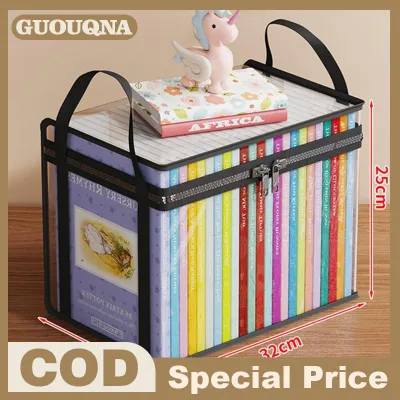
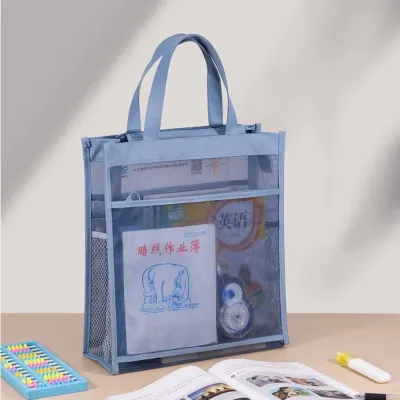
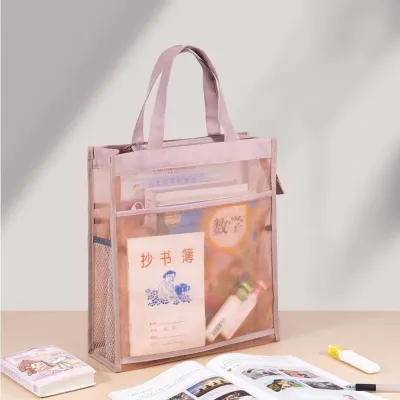
To build an effective organization system, you must first understand how these two solutions differ in physical construction and material behavior. A book pouch is fundamentally a soft, three-dimensional container. Typically constructed from woven fabrics like canvas, nylon, or polyester, or from flexible plastics like polyurethane, it features a secure closure system—most commonly a zipper, snap buttons, or a fold-over flap. This pliable build allows the pouch to expand and contract based on its contents. Because it lacks a rigid internal frame, its shape is determined by what you put inside it. When empty, it lies relatively flat, but when filled with a thick novel, a planner, and several pens, it swells to accommodate the volume.
Traditional folders, on the other hand, rely on a rigid or semi-rigid two-dimensional plane. Made from heavy cardstock, kraft paper, or stiff plastics such as polypropylene, these folders are designed to maintain a flat profile. They usually feature a simple fold down the center, sometimes accompanied by metal prongs, plastic fasteners, or internal pockets to secure loose sheets. Unlike the fully enclosed pouch, a traditional folder often leaves two or three sides open, relying on tension or simple clasps to keep papers in place. This structural design limits their capacity to flat, uniform sheets of paper; attempting to insert a thick book or a bulky stapler will warp the folder, damage the binding, and prevent it from closing properly.
Products mentioned in this guide
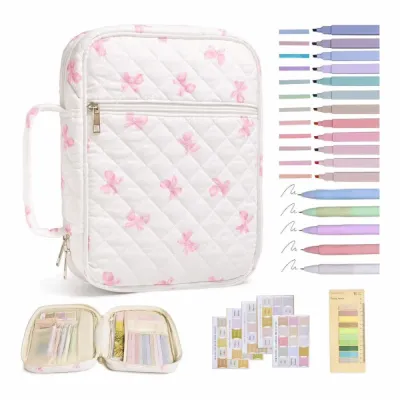
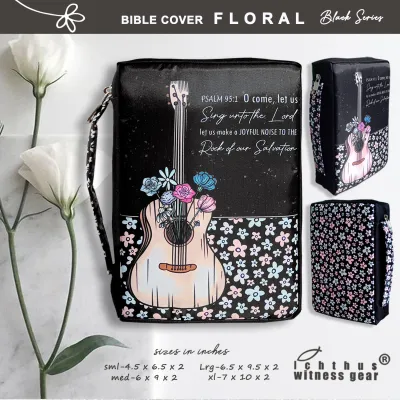
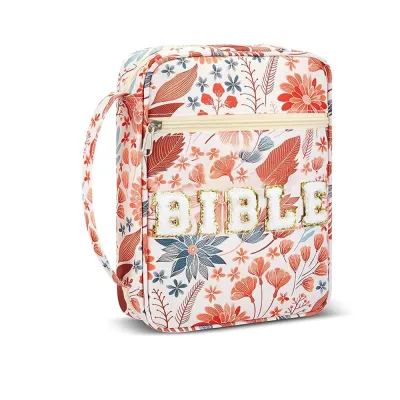
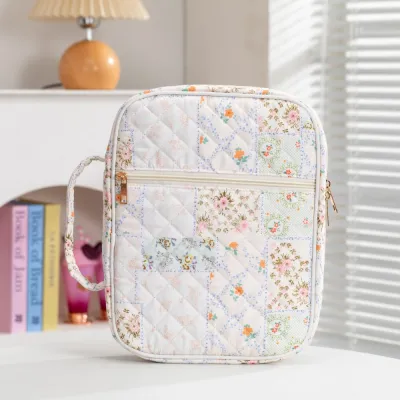
Prices are valid at publication and may change. Please refer to the product page for the latest price.
When selecting between these options, it is essential to inspect product labels and specifications rather than relying on visual appearance alone. Manufacturers often use different grades of plastics and fabrics that affect durability and flexibility. For instance, some synthetic pouches feature water-resistant coatings that are highly beneficial in humid or rainy tropical climates, while certain paper folders are treated to resist tearing. Checking the packaging for specific material compositions, such as the denier count of fabric or the mil thickness of plastic, will give you a clear indication of how the structural build will hold up under daily use.
Capacity and Protection: How Each Solution Secures Your Items
The way each filing solution handles volume and protects its contents is directly tied to its structural design. Book pouches are highly versatile when it comes to carrying irregular, three-dimensional items. Because the fabric or soft plastic can stretch, a single pouch can easily hold a thick textbook, a spiral-bound notebook, a small pencil case, and even personal items like keys or a phone. The primary protective benefit of a book pouch is containment. With a secure zipper running along the edge, there is virtually no risk of small items, loose sticky notes, or paperclips sliding out and getting lost at the bottom of a larger bag. This makes them exceptionally reliable for transit, especially during a hectic daily commute.

However, this flexibility comes with a trade-off in terms of paper preservation. If you place loose, single sheets of paper directly into a flexible book pouch, they are highly susceptible to bending, creasing, or crumpling as the pouch flexes inside your bag. This is where the traditional folder excels. The rigid covers of a folder act as a protective shield, keeping individual documents perfectly flat and preventing dog-eared corners. For official contracts, certificates, printed reports, or school worksheets that must be submitted in pristine condition, the unyielding surface of a folder is indispensable. It enforces a neat, uniform stack that prevents papers from sliding against one another and causing ink smudges.
To ensure you choose a product that offers adequate protection, establish a quick verification routine before purchasing. Examine the seams of fabric pouches to ensure they are double-stitched and free of loose threads, as weak seams can split under the pressure of bulky books. Test the zipper mechanism multiple times; it should glide smoothly without catching on the inner lining. For traditional folders, check the thickness of the cardstock or plastic. Press the edges to see if they resist bending easily, and inspect the attachment points of any metal fasteners or plastic pockets to ensure they will not tear away when the folder is filled to its rated sheet capacity.
Portability and Workflow: Matching the Solution to Your Routine
Your daily movement and workflow dictate which filing solution will feel like a natural extension of your routine and which will become a hassle. For students, researchers, and hybrid professionals who constantly move between classrooms, coffee shops, and offices, the book pouch serves as an excellent bag-in-bag system. Instead of rummaging through a deep backpack or tote bag for individual items, you can consolidate your current reading material, notebook, and writing instruments into a single pouch. When you arrive at your workspace, you simply pull out the pouch, and your entire mobile office is ready. This setup is particularly advantageous in tropical environments where sudden downpours require you to pack and unpack your bag quickly to protect your belongings from moisture.
Conversely, traditional folders are designed for structured, stationary environments. They are the backbone of efficient drawer-filing and shelf-stacking systems. In a home office or a corporate setting, folders allow you to categorize documents by project, date, or client, and file them vertically in cabinets or desk organizers. The exposed tabs or color-coded spines of traditional folders make it incredibly easy to scan a row of files and retrieve the exact document you need in seconds without opening multiple containers. This visual workflow is difficult to replicate with book pouches, which tend to be bulkier and do not stack neatly side-by-side on a shelf or fit standard hanging file drawer frames.
Weight and space efficiency are also critical factors when carrying these solutions on your commute. While a single book pouch is highly convenient, carrying multiple pouches can quickly bloat your bag, creating awkward bulk and adding unnecessary weight due to the heavier fabrics and zipper hardware. Traditional folders are incredibly lightweight and thin, allowing you to carry dozens of separate files in a single briefcase or backpack without adding significant volume. Before making a decision, measure the internal dimensions of your daily bag, as well as the depth of your desk drawers or shelves. Ensuring compatibility with your existing storage ecosystem prevents the frustration of buying a filing tool that is too tall to zip into your backpack or too wide to fit in your filing cabinet.
Decision Guide: When to Choose a Book Pouch or Traditional Folder
To help you finalize your choice, consider the specific organizational scenarios that match your daily needs. Rather than looking for a single superior option, focus on how the physical characteristics of each tool align with your typical tasks.
Choose a book pouch if:
- You regularly carry a mix of three-dimensional items, such as a thick novel, a bullet journal, pens, and charging cables, and want to keep them consolidated in one place.
- Your daily routine involves a lot of transit, and you need a fully enclosed, zippered container to prevent items from falling out inside a large backpack or tote bag.
- You want to protect bound books or planners from getting scuffed, scratched, or dirty while traveling.
- You prefer a mobile, self-contained workspace that you can easily transfer from one bag to another.
Choose a traditional folder if:
- Your primary goal is to organize, store, and archive flat, loose sheets of paper (such as A4 or Letter-sized documents) without them bending or creasing.
- You rely on a visual filing system at a fixed desk, utilizing color-coding, labeled tabs, and vertical shelf or drawer storage for quick document retrieval.
- You need to present physical documents, contracts, or school assignments in a professional, pristine condition.
- You need to carry multiple separate categories of documents simultaneously without adding bulk or weight to your briefcase or bag.
Verify first if:
- The dimensions of the book pouch can comfortably accommodate your largest notebook or textbook, keeping in mind that zipper openings are often slightly narrower than the pouch's total width.
- Your desk drawers, filing cabinets, or backpack compartments have the necessary depth and height to fit standard traditional folders without bending the tabs.
- The materials of either solution are compatible with your local environment, paying close attention to moisture resistance if you live in a high-humidity region.
Frequently Asked Questions (FAQ)
Can I use a book pouch for long-term document archiving?
Using a standard book pouch for long-term document archiving is generally not recommended, especially in humid tropical climates like the Philippines. Many flexible pouches are made from synthetic materials like PVC, polyester, or nylon with polyurethane coatings. These materials are non-breathable and can trap ambient moisture inside the pouch, creating a microclimate that encourages mold, mildew, and foxing on paper documents over time. Furthermore, flexible pouches do not provide the rigid support needed to keep papers flat over years of storage, leading to permanent warping. If you must use a pouch for archiving, check the product packaging to verify that the materials are certified as acid-free, lignin-free, and archival-safe, and store the pouch in a temperature-controlled environment.
How do I clean and maintain a fabric book pouch?
To keep a fabric book pouch looking clean and functioning smoothly, follow a gentle, reversible maintenance routine. For regular upkeep, empty the pouch completely and shake out any dust or paper fibers. Spot-clean the exterior and interior fabric using a soft cloth dampened with lukewarm water and a tiny drop of mild dish soap. Gently wipe the soiled areas, then wipe again with a clean, damp cloth to remove any soap residue. Always allow the pouch to air-dry completely in a well-ventilated, shaded area before refilling it; never use a clothes dryer or direct sunlight, as high heat can warp plastic zippers or shrink fabric. Avoid using harsh chemical solvents, bleach, or machine washing unless the manufacturer’s care label explicitly states it is safe, and stop cleaning immediately if you notice any color bleeding or seam fraying.

Community discussion
Share your experience or ask a question. Comments are reviewed before publication.