
Selecting the right money book format for your business is a foundational step in maintaining clean, compliant, and useful financial records. The choice between a bound cash book and a loose-leaf ledger is not merely about aesthetic preference; it directly dictates your daily administrative speed, your vulnerability to record tampering, and your readiness for official audits. In the dynamic landscape of modern commerce, where business owners must balance operational efficiency with strict compliance requirements, understanding the physical and functional nuances of your record-keeping tools is essential.
The best format depends entirely on your business’s specific need for archival security versus operational flexibility. If your priority is a strict, tamper-evident audit trail that satisfies regulatory bodies with minimal administrative oversight, a bound cash book is the ideal choice. Conversely, if your business handles complex, multi-department accounts, requires custom-printed forms, or needs to reorganize records dynamically, a loose-leaf ledger offers the modular adaptability your workflow demands.
Defining the Formats: Bound vs. Loose-Leaf Money Books
Before comparing how these tools perform under daily operational pressure, it is essential to understand their physical construction. The way a money book is bound influences how easily pages can be turned, how flat the book lies on a desk, and how well the records resist wear and tear over years of storage. By examining these structural elements, business owners can better anticipate how each format will fit into their existing administrative spaces and daily routines.
Products mentioned in this guide


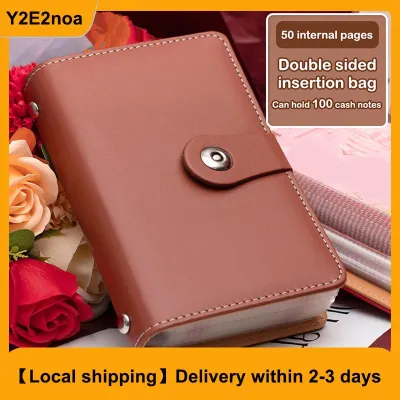
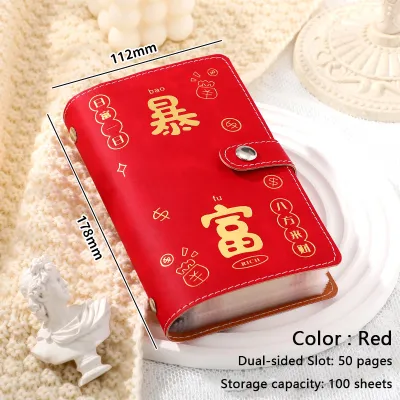

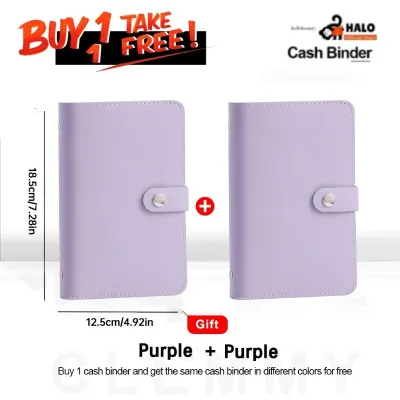


Prices are valid at publication and may change. Please refer to the product page for the latest price.
Bound Cash Books: Structure and Use Cases
A bound cash book features pages that are permanently stitched, glued, or stapled into a rigid or semi-rigid cover. This construction creates a fixed, unbroken sequence of pages that cannot be altered without leaving obvious physical signs of damage. The binding is designed to keep all entries locked in the exact chronological order in which they were written, providing an unalterable history of the business’s cash flow.
This format is highly suited for daily cash registers, petty cash logs, and primary journals where maintaining a continuous, chronological record is paramount. Because pages cannot be easily removed or inserted, bound books are the traditional standard for businesses that must demonstrate a strict, tamper-free trail of daily transactions to external auditors, business partners, or tax authorities. They are particularly popular among micro-businesses, retail kiosks, and sole proprietorships that require a straightforward, secure method to log daily sales and expenses.
Loose-Leaf Ledgers: Structure and Use Cases
A loose-leaf ledger utilizes a binding mechanism—such as multi-ring binders, post binders, or spring-back covers—to hold individual, pre-punched sheets of paper. This modular design allows users to open the binding mechanism to add, remove, rearrange, or replace pages at any point in the ledger’s lifecycle. The outer binder is typically constructed from heavy-duty materials like thick cardboard, plastic, or synthetic leather, designed to outlast multiple sets of inner paper refills.
This flexibility makes loose-leaf systems highly effective for managing complex accounts, such as tracking inventory across different product categories, organizing multi-department expenses, or maintaining individual customer accounts. It also allows businesses to print ledger templates directly from office computers onto pre-punched paper and insert them directly into the binder, blending physical and digital workflows. This format is widely adopted by growing enterprises, manufacturing businesses, and companies with diverse, non-linear accounting needs.
Core Comparison Dimensions for Business Records
To determine which format aligns with your business operations, you must evaluate how they perform across several key dimensions. These include physical durability under daily handling, ease of page management, and how well they support error correction and regulatory compliance. Each of these factors plays a critical role in ensuring your financial records remain legible, secure, and useful over the years.

The following comparison table summarizes the fundamental differences between these two formats to help you identify their strengths and limitations at a glance.
| Feature | Bound Cash Book | Loose-Leaf Ledger |
|---|---|---|
| Binding Type | Stitched, glued, or stapled spine | Ring, post, or spring-back mechanism |
| Page Alteration Risk | Low (unauthorized removal leaves obvious physical evidence) | High (pages can be removed or swapped without detection) |
| Workflow Flexibility | Low (rigid chronological order, fixed page count) | High (modular layout, expandable sections, removable pages) |
| Error Handling | Corrected in place using standard accounting cross-outs | Corrected in place or by replacing the entire sheet |
| Ideal User Profile | Small retail shops, sole proprietors, strict compliance focus | Growing businesses, multi-department offices, custom template users |
Durability, Binding, and Archival Security
The physical resilience of your money book is a critical consideration, especially in the tropical climate of the Philippines, where high humidity and seasonal moisture can compromise paper and binding integrity over time. Bound cash books, particularly those with sewn bindings and heavy-duty covers, distribute physical stress evenly across the spine, preventing pages from falling out even with frequent flipping. If a page is torn or removed from a bound book, it leaves behind telltale physical evidence, such as severed threads or jagged paper edges, which acts as an organic security measure against unauthorized record alteration.
In contrast, loose-leaf ledgers rely on metal rings or posts that can occasionally rust or lose alignment in humid conditions, potentially snagging or tearing the paper at the punch holes. While the outer binder of a loose-leaf system is often highly durable and reusable, the individual pages are vulnerable to tearing around the punched holes under heavy daily use. To mitigate this, users must often apply reinforcement rings or opt for heavier paper weights. Furthermore, because pages can be removed and replaced without leaving physical traces, standard loose-leaf binders offer lower inherent archival security unless specialized, key-locking post binders are employed to restrict access.
When purchasing either format, it is wise to physically inspect the cover material and paper thickness rather than relying solely on product descriptions. Opting for water-resistant covers and thicker, acid-free paper will help preserve your financial records against the degrading effects of humidity, insects, and long-term storage.
Workflow Flexibility and Page Management
The rigidity of a bound cash book means that once a page is filled, spoiled, or contains a major formatting error, it must remain in its place within the sequence. You cannot insert additional pages to expand a section that has run out of space; instead, you must create cross-references to other pages or start an entirely new book, which can fragment your records and complicate manual tracking. This can be particularly frustrating for businesses that manage multiple active accounts simultaneously and find themselves running out of space in one category while other sections of the book remain completely blank.
Loose-leaf ledgers excel in dynamic environments where record-keeping needs fluctuate. If a particular account experiences a sudden surge in transactions—such as during the peak “Ber” months shopping season in the Philippines—you can simply insert extra pages directly into that specific section without disrupting the rest of the ledger. This modularity allows you to organize your financial records by department, vendor, or project within a single physical binder, adjusting the layout as your business grows or changes.
Additionally, the ability to remove pages simplifies multi-user workflows. For instance, an accountant can extract a specific section of the ledger to update or audit it while leaving the rest of the binder accessible to other staff members, a practice that is impossible with a single, unified bound book. This modularity also allows for easier scanning and photocopying of individual sheets when sharing records with external partners.
Error Correction, Auditing, and Compliance
In manual bookkeeping, error correction must follow strict accounting standards to maintain the credibility of your financial records. The standard practice involves drawing a single clean line through the incorrect entry, writing the correct figures above or beside it, and initialing the change to ensure the original entry remains legible. This maintains a transparent history of the record, showing that errors were corrected openly rather than hidden.
In a bound cash book, this method preserves the chronological integrity of the audit trail, proving to tax inspectors that no transactions have been hidden, deleted, or fabricated. This straightforward transparency makes bound books highly favored by regulatory bodies, such as the Bureau of Internal Revenue (BIR) in the Philippines, for manual books of accounts, as they present a continuous, unbroken history of the business’s financial activities.
With a loose-leaf ledger, the ease of page replacement introduces a compliance risk, as pages with errors could theoretically be discarded and rewritten to present an altered financial narrative. Because of this risk, businesses using loose-leaf systems must implement rigid internal controls, such as numbering every page sequentially, requiring supervisor signatures on all new inserts, or maintaining a separate digital log of physical changes.
Before committing to a loose-leaf format, it is highly recommended to consult your accountant or review local tax guidelines. In the Philippines, using loose-leaf books of accounts for official tax purposes typically requires securing a formal permit from the BIR and conforming to specific binding and archiving regulations at the end of the fiscal year. This process ensures that your modular records are recognized as legally binding and compliant with national auditing standards.
Cost, Refills, and Long-Term Value
Evaluating the financial impact of your money book format requires looking beyond the initial purchase price to consider long-term maintenance and restocking expenses. Bound cash books generally present a lower upfront cost, making them highly accessible for micro, small, and medium enterprises (MSMEs) starting their operations. However, because the entire book must be replaced once the pages are filled, the recurring cost of purchasing new bound books can accumulate over several years of active record-keeping.
Loose-leaf ledgers require a higher initial investment to purchase a durable, high-quality binder and the starting pack of ledger sheets. Over time, however, this format often proves more economical because you only need to purchase refill paper packs, which are significantly less expensive than buying complete bound books. This long-term cost advantage is amplified if your business uses custom ledger formats, as you can print your own templates onto bulk-purchased pre-punched paper.
To determine which format offers the best value for your business, estimate your average monthly page consumption. If your transaction volume is low to moderate, a single bound cash book may last an entire year, making it the more cost-effective and simpler option. For high-volume businesses, the reusable nature of a loose-leaf binder paired with bulk refills will likely yield better long-term savings.
Before purchasing, verify the availability and standard dimensions of refill paper in your local office supply stores or trusted online marketplaces. In the Philippines, standard paper sizes such as A4 and Folio (often referred to locally as long bond paper size) are widely accessible, but proprietary binder ring configurations may require specific, hard-to-find punch patterns, so choosing a standard three-ring or two-ring system is generally safest.
Final Decision Framework: Matching Format to Workflow
To finalize your choice, you must align the physical characteristics of the money book with your daily administrative routines and compliance demands. The decision should balance the physical security of your records against the operational speed of your team. The following scenarios provide a practical framework to guide your purchasing decision.
Choose a Bound Cash Book If…
A bound cash book is the superior and safer choice under the following operational conditions:
- Strict Audit Compliance: Your business must comply with stringent local tax regulations, and you want to present a traditional, tamper-evident manual book of accounts to auditors without the administrative burden of managing loose-leaf permits.
- Linear, Chronological Tracking: Your financial records are straightforward and progress sequentially, such as a daily cash register log, a petty cash fund, or a simple single-entry bookkeeping system.
- Single-User Management: Only one person is responsible for entering transactions, eliminating the need to distribute pages among multiple staff members.
- Low-Maintenance Simplicity: You prefer a highly portable, ready-to-use solution that does not require purchasing specialized binders, hole punches, or specific refill paper sizes.
Choose a Loose-Leaf Ledger If…
A loose-leaf ledger is the more effective choice if your business operates under these conditions:
- Multi-User Collaboration: Different departments or team members need to update separate sections of the financial records simultaneously, requiring pages to be easily distributed and reassembled.
- Customized Layouts: You use specialized accounting templates or wish to print digital ledger sheets directly from your computer to keep a physical backup of your digital records.
- Modular Organization: You prefer to manage multiple accounts, such as separate vendor ledgers, inventory categories, and accounts receivable, within a single physical binder rather than maintaining multiple separate books.
- High Transaction Volume: Your business experiences seasonal fluctuations or rapid growth, requiring a highly scalable system where you can add pages as needed without starting a new book.
- Strict Internal Controls: You have the administrative capacity to implement and enforce strict internal policies, such as page numbering and authorization logs, to prevent unauthorized page removal and maintain compliance.
Frequently Asked Questions (FAQ)
Can I use a standard notebook as a cash book for my business?
While a standard ruled or grid notebook can be used to write down basic income and expenses, it is not recommended for formal business record-keeping. Standard notebooks lack the pre-printed column structures—such as dedicated spaces for dates, transaction descriptions, folio numbers, debits, credits, and running balances—that help prevent calculation errors. Using a properly formatted money book ensures your records remain clear, organized, and compliant with standard accounting principles, which is vital during business evaluations or tax audits.
How do I prevent ink from bleeding through ledger pages?
To prevent ink bleed-through, check the paper weight of the money book before purchasing, aiming for a paper density of at least 80 GSM or higher. Heavier, high-quality paper resists ink absorption much better than thin utility paper. It is also highly recommended to test your preferred writing instrument—whether a gel pen, ballpoint, or fountain pen—on an inconspicuous back page of the book before starting your official entries, and always allow liquid inks a few seconds to dry completely before closing the book or turning the page.
Are digital spreadsheets replacing physical money books?
Although digital spreadsheets and cloud-based accounting software are highly popular, physical money books remain incredibly valuable as offline backups, primary point-of-sale logs, and tangible audit trails. In areas with unstable internet connectivity or frequent power interruptions, physical cash books ensure that transaction logging can continue without delay. Many small businesses find that a hybrid approach—recording daily transactions in a physical money book and transferring the data to a digital system at the end of the week—provides the best balance of security and modern efficiency.

Community discussion
Share your experience or ask a question. Comments are reviewed before publication.