
Choosing the right money tracker notebook is a personal decision that directly impacts how consistently you log your daily expenses. The choice between a bound and a loose-leaf format depends primarily on whether you prioritize structural simplicity and portability or layout flexibility and page rearrangement. Neither format is universally superior; the correct choice aligns with your specific budgeting method, daily routine, and tactile writing preferences.
A bound notebook offers a fixed, unalterable structure that is highly suited for straightforward, chronological logging. It appeals to trackers who prefer a minimalist, grab-and-go setup and want a permanent, chronological archive of their financial history. On the other hand, a loose-leaf system provides modular flexibility, allowing you to insert, remove, and reorganize pages as your financial goals evolve. This format is ideal for those who use multi-category budgeting methods, such as the cash envelope system or detailed sinking funds, where layouts must be customized frequently.
Key Differences Between Bound and Loose-Leaf Trackers
To understand which format fits your daily routine, it is essential to look at how they are constructed. Bound notebooks are permanently held together at the spine using glue, thread stitching, or staples. This construction ensures that pages remain securely in place, creating a cohesive book that is easy to slip into a bag. Loose-leaf systems, which include ring binders and discbound notebooks, utilize openable mechanisms that hold individual, pre-punched sheets of paper. This design allows you to add, remove, or rearrange pages at will, though it typically results in a bulkier overall profile.
Products mentioned in this guide

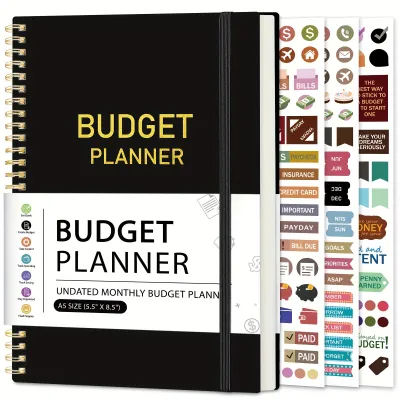
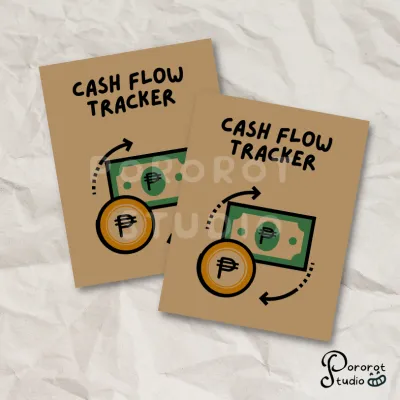
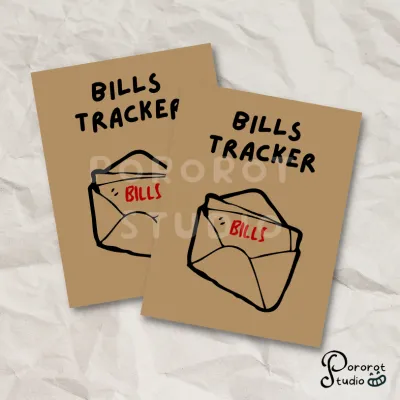
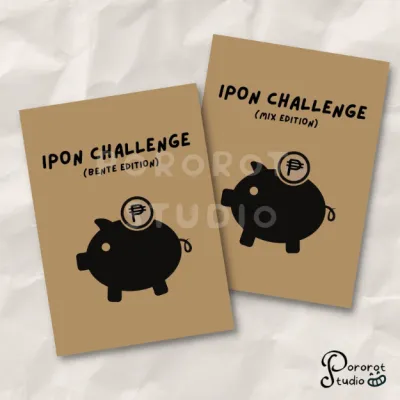
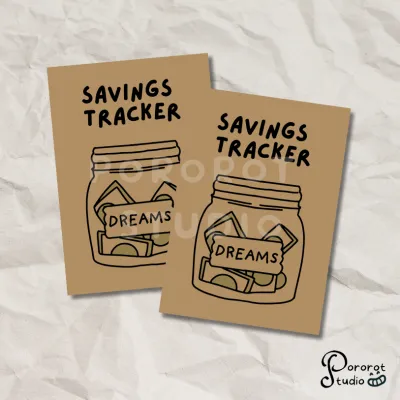

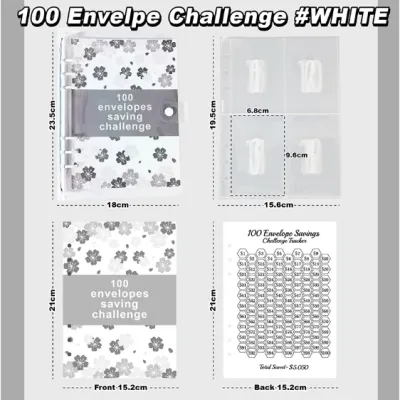
Prices are valid at publication and may change. Please refer to the product page for the latest price.
When tracking expenses daily, physical usability metrics like page lay-flat ability and binding margin loss become highly noticeable. Sewn bound notebooks generally lay flat with ease, allowing you to write comfortably across the entire page. In contrast, the rings of a loose-leaf binder can obstruct your hand while writing, particularly when working near the inner margins.
Below is a comparison of how these two formats perform across key physical and functional dimensions:
| Format Feature | Bound Notebooks | Loose-Leaf Systems |
|---|---|---|
| Page Flexibility | Fixed chronological order; pages cannot be added or rearranged. | High flexibility; pages can be inserted, removed, or reorganized. |
| Structural Durability | High spine integrity; no moving parts to break or misalign. | Variable; rings can misalign, and punched holes can tear. |
| Weight and Bulk | Slim and lightweight; easy to carry in small bags. | Bulkier and heavier due to the ring or disc mechanism. |
| Layout Consistency | Uniform page layouts throughout the entire book. | Highly customizable; can mix grid, lined, and pre-printed pages. |
| Lay-Flat Ability | Excellent in thread-stitched models; poor in cheap glued models. | Excellent when open, but rings can obstruct writing hand. |
| Binding Margin Loss | Minimal; design allows writing close to the center seam. | High; must leave space around punched holes to avoid tearing. |
Understanding these physical trade-offs helps you narrow down your choices based on where and how you plan to write down your transactions. If you do most of your budgeting at a spacious desk, a loose-leaf binder’s bulk may not bother you. If you track expenses on the go, a slim bound notebook may prove far more practical.
Flexibility and Customization: Rearranging and Adding Pages
The ability to customize your layout is the primary divider between these two stationery formats. Your financial tracking needs can change over the course of a year, and how your notebook adapts to those changes will determine whether you continue using it.

The Loose-Leaf Advantage for Evolving Budgets
A loose-leaf money tracker notebook shines when your financial planning requires a modular approach. Because you can open the binding mechanism, you can insert specialized pages exactly where they make sense. For example, if you decide to start a dedicated debt payoff log or a temporary holiday shopping tracker mid-year, you can slip those pages directly into your current monthly section rather than flipping to the back of the book.
This format also allows you to keep your daily carry lightweight by archiving completed months. Instead of carrying twelve months of transaction history everywhere you go, you can keep only the current month active in your binder and transfer older pages to a storage box at home. If you make a major mistake or spill coffee on a page, you can simply remove and replace that single sheet without ruining the aesthetic or structure of the entire tracker.
Before purchasing a loose-leaf system, always verify the binder’s hole-punch standard. Common standards include A5 6-hole, B6, or standard letter-size 3-hole configurations. Choosing a binder that uses a widely available standard ensures you can easily source third-party paper refills or use a compatible hole puncher to insert your own custom printed templates.
The Bound Notebook Approach to Linear Tracking
Bound notebooks enforce a structured, chronological approach to expense logging that offers distinct psychological benefits. Because the pages are fixed, you are encouraged to record your financial journey in a continuous, unalterable linear sequence. This permanent record prevents page loss and creates a tangible sense of progress as you fill the notebook from cover to cover.
Managing mistakes in a bound notebook requires a different set of strategies since you cannot easily tear out pages without weakening the spine. Many users utilize correction tape, neat cross-outs, or color-coded stickers to handle errors. Rather than viewing mistakes as ruined pages, bound notebook users often accept them as a natural, honest reflection of their daily financial habits.
When selecting a bound money tracker, look for features that assist with organization. Checking for pre-printed indexes, built-in ribbon bookmarks, or numbered pages can make navigating your chronological entries significantly faster. These tools allow you to quickly jump between monthly summaries and daily log sheets without flipping through every page.
Durability, Portability, and Daily Carry
How your tracker survives the physical demands of daily life is just as important as how it looks. A daily expense tracker needs to withstand being opened multiple times a day, tossed into bags, and exposed to varying environmental conditions.
Bound notebooks generally offer superior structural integrity when carried in a daily bag. With no moving parts, metal rings, or plastic discs to catch on other items, a bound book slips smoothly into a backpack or tote. The cover protects the edges of the pages, preventing them from getting dog-eared or crumpled during a busy commute.
Loose-leaf systems carry a higher risk of page wear, particularly around the punched holes. Frequent page-turning or packing the binder tightly into a bag can cause the paper to tear at the rings. To mitigate this, you can use reinforcement stickers, though this adds an extra maintenance step to your budgeting routine. Additionally, if a ring binder is dropped or crushed, the metal rings can misalign, causing pages to snag when turned.
Environmental factors also play a critical role in the durability of your tracker. In humid tropical climates, such as in the Philippines, high air moisture can affect stationery. Metal binder rings that lack a rust-resistant coating can corrode over time, staining your paper and making the opening mechanism stiff. High humidity can also cause paper to absorb moisture, making it soft and more susceptible to tearing at the punch holes. If you carry your tracker outdoors or live in a humid region, look for binders with stainless steel or powder-coated rings, and verify that the paper has decent moisture resistance to prevent wavy pages and ink feathering.
Cost, Refills, and Long-Term Value
Evaluating the financial commitment of each format involves looking at both the initial purchase price and the ongoing cost of refills over several years.
Loose-leaf systems generally require a higher upfront investment. You must purchase the binder cover and the ring mechanism, which often range from ₱300 to ₱1,200 depending on the materials used, alongside your first pack of paper inserts. However, the long-term economics of loose-leaf tracking are highly favorable. Once you own a durable binder, you only need to purchase paper refill packs for subsequent years, which typically cost between ₱50 and ₱150.
Bound notebooks offer a much lower entry cost, with decent options available from ₱100 to ₱500. This makes them highly accessible for beginners who want to try expense tracking without a significant financial commitment. The trade-off is that once a bound notebook is full, you must purchase an entirely new notebook. Over several years, the cost of buying multiple bound notebooks can equal or exceed the cost of maintaining a single loose-leaf binder.
When managing a loose-leaf binder, always check the manufacturer’s specified maximum sheet capacity. Overfilling a binder beyond its intended capacity puts strain on the ring mechanism, which can cause the rings to gap and ruin your pages. Additionally, keep in mind that specialized, pre-printed loose-leaf budget refills often carry a premium price compared to standard blank, dotted, or grid refill paper. If you are budgeting on a tight margin, using standard grid refills and drawing your own tracking templates is a highly cost-effective approach.
How to Decide: The Final Verdict for Your Tracking Style
To choose the format that will keep you consistent, match your daily habits and organizational preferences to the strengths of each system.
Choose Bound if:
- You prefer a minimalist, lightweight, and highly portable setup that easily fits into a daily carry bag.
- You track your expenses chronologically and do not need to rearrange pages or insert complex, non-linear tracking sections.
- You find psychological satisfaction in keeping a permanent, unalterable archive of your financial history that cannot be easily modified or lost.
Choose Loose-Leaf if:
- You use highly customized budgeting methods that require rearranging pages, adding custom inserts, or integrating cash envelopes.
- You want a modular system where you can archive old months to keep your active daily tracker slim and lightweight.
- You prefer a reusable setup where you invest in a high-quality cover once and only purchase affordable paper refills each year.
Verify first if:
- You are unsure about paper weight (GSM) or binder ring alignment. Always check product specifications and user reviews regarding ink bleed-through and mechanical durability before making your purchase.
Ultimately, the perfect format is the one you enjoy opening every day. Consistency in logging your transactions is far more important than the specific notebook system you choose, so select the format that feels most natural to your writing style.
Frequently Asked Questions (FAQ)
Can I use a spiral-bound notebook as a middle ground?
Yes, spiral-bound and wire-bound notebooks offer a practical middle ground for portability and ease of use. They allow you to fold the cover back completely, which is excellent for writing on small surfaces or on your lap. However, they do not offer true modularity. You cannot rearrange, add, or easily remove pages without tearing them out permanently. Spiral-bound notebooks should be viewed as a highly portable, chronological alternative rather than a customizable, modular system.
What paper weight (GSM) prevents ink bleed-through in expense trackers?
To prevent ink bleed-through and ghosting when logging your expenses, check the paper weight specification, measured in Grams per Square Meter (GSM), on the product listing. For standard ballpoint pens, a paper weight of 80 GSM is generally sufficient. If you prefer using gel pens, rollerballs, or mild highlighters to color-code your budget, look for paper that is 100 GSM or higher. It is always recommended to perform a quick ink test on a single page, such as an inconspicuous back page, before committing to a full year of tracking.

Community discussion
Share your experience or ask a question. Comments are reviewed before publication.