
Finding affordable floral fabric, locally known as floral tela, by the yard in the Philippines requires a strategic approach that combines traditional physical textile hubs with modern online marketplaces. For the absolute lowest prices, physical wholesale districts such as Divisoria in Manila, the garment capital of Taytay in Rizal, and major municipal public markets across the provinces remain unmatched. Meanwhile, major ecommerce platforms offer unparalleled convenience, allowing you to browse thousands of floral prints from the comfort of your home. By understanding how to calculate your yardage, negotiate with vendors, and verify fabric quality, you can secure beautiful floral textiles for garments, home decor, or crafts without overspending.
To get the best value, you must balance the convenience of digital shopping with the tactile assurance of physical markets. Each sourcing method has its own set of rules, pricing structures, and quality indicators. This guide will help you navigate these channels effectively, ensuring you get the exact floral patterns you need at a price that fits your budget.
Defining Your Budget and Fabric Requirements
Before embarking on your fabric-hunting journey, it is essential to establish a clear plan for your sewing project. Knowing exactly what you intend to create—whether it is a breezy summer dress, a set of throw pillow covers, or lightweight curtains—will dictate the type of floral fabric you need. Different projects require different fabric properties, and buying without a plan often leads to overspending or purchasing incompatible materials.
Products mentioned in this guide
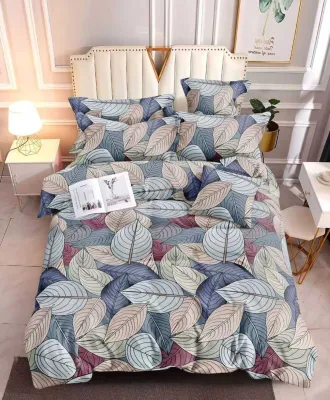
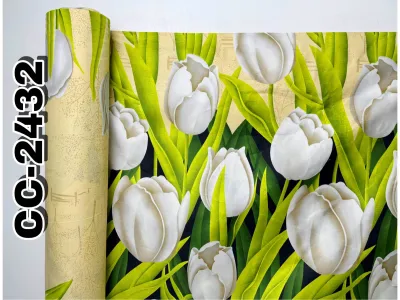
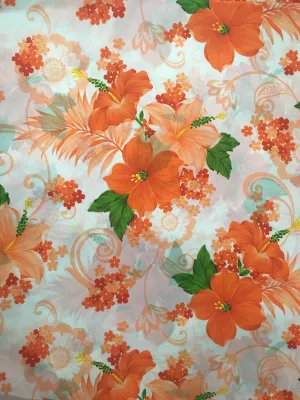
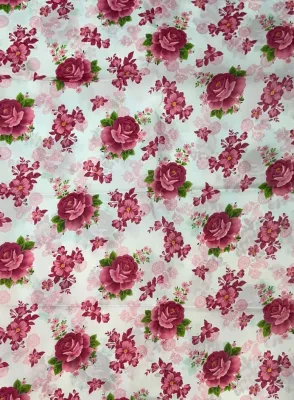
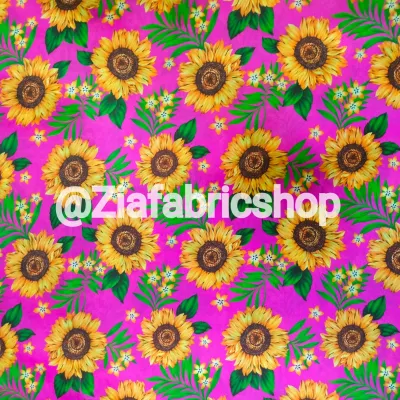
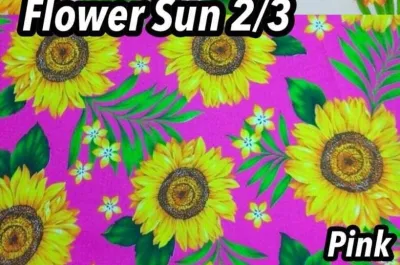
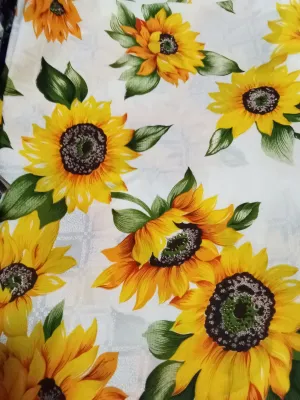
Prices are valid at publication and may change. Please refer to the product page for the latest price.
Begin by determining the required yardage based on your sewing pattern. Fabric bolts typically come in standard widths, most commonly 36 inches, 45 inches, and 60 inches. A narrower fabric will require more linear yards to complete a project than a wider one. Always check your pattern instructions carefully to see how the width of the fabric affects the total length you need to purchase. Buying even half a yard of unnecessary fabric can quickly inflate your project cost, especially if you are working on multiple items.
Next, identify the must-have properties of the fabric versus negotiable traits. For the tropical climate of the Philippines, breathability and moisture management are usually top priorities for apparel. Natural fibers like cotton or lightweight rayon are excellent choices because they keep the wearer cool in high humidity. If you are making home decor items like tablecloths or seat cushions, durability and stain resistance might be more important than softness, making polyester blends a viable and often cheaper alternative. Decide which characteristics are non-negotiable before you start shopping so you do not get distracted by cheap but unsuitable options.
Finally, set a maximum target price per yard in ₱. Having a firm financial boundary helps you filter out premium imports and focus your search on budget-friendly sections. In local markets, basic floral cotton blends and polyester prints can often be found at very accessible price points, while pure linen or specialty rayon prints will sit at the higher end of the budget scale. Establishing this limit beforehand keeps your spending disciplined, whether you are browsing physical stalls or filtering search results online.
Navigating Local Textile Markets for Retail Deals
For those who prefer a hands-on shopping experience, visiting local textile districts is the most reliable way to find affordable floral fabric. In the Philippines, places like Ylaya Street and the surrounding malls in Divisoria, Manila, are legendary for their vast selection and wholesale prices. Similarly, the Taytay Rizal garment market offers excellent deals on fabric rolls and scraps. If traveling to these major hubs is not practical, most large municipal public markets across the country feature dedicated textile sections where local merchants sell fabric by the yard.

When exploring these bustling markets, timing and preparation are key to securing the best deals. It is highly recommended to arrive early in the morning to avoid the midday tropical heat and the heaviest crowds. Wear comfortable clothing, bring reusable shopping bags, and carry cash in smaller denominations, as many small-scale vendors do not accept digital payments or large bills. Walking through multiple stalls before making a purchase allows you to compare prices and print designs, as identical floral patterns can vary in price from one vendor to another.
Inspecting the fabric physically is the greatest advantage of shopping in person. Unroll a portion of the bolt to examine the print quality in natural light. To check for colorfastness—a common issue with budget-dyed fabrics—you can perform a quick, non-destructive test. Dampen a small piece of white tissue or rub an inconspicuous corner of the fabric with a wet finger to see if any dye transfers. If the color bleeds easily onto your skin or tissue, the print is likely to fade rapidly in the wash.
Negotiation, locally known as tawad, is a standard practice in physical markets, especially when purchasing multiple yards. Be polite and respectful when asking for a discount. Vendors are much more likely to lower the price per yard if you buy in bulk, such as purchasing five yards or more from the same bolt. You can use simple inquiries to ask for their best price for larger quantities, which often opens the door to wholesale rates even for retail buyers.
Always stay vigilant at the cutting table during the measuring process, which is locally referred to as tabas. Ensure the vendor lays the fabric flat on the measuring counter without stretching it tightly against the yardstick. Stretching elastic or lightweight fabrics during measurement can result in receiving less material once the fabric relaxes at home. Watch the cut carefully to ensure it is straight and that you are getting the full yardage you are paying for.
Sourcing Floral Tela on Online Marketplaces
If you prefer the convenience of shopping from home, online marketplaces and ecommerce platforms offer a massive inventory of floral fabrics. To find the best deals, you must know how to use search filters effectively. Use specific search terms such as “floral tela per yard sale,” “cotton floral fabric,” or “cheap rayon floral print” to narrow down the listings. Filtering your search by location to show only local sellers can significantly reduce shipping costs and delivery times.
Evaluating seller credibility is crucial when you cannot physically touch the fabric before buying. Do not rely solely on the overall star rating of a listing. Instead, scroll down to the customer reviews and specifically look for negative feedback to identify recurring issues like poor packaging, incorrect cuts, or slow shipping. Pay close attention to buyer-uploaded photos and videos, as these show the fabric in real-world lighting, giving you a much more accurate representation of the colors and drape than the seller’s stylized product images.
Before finalizing your online purchase, calculate the true cost per yard by factoring in all additional expenses. A low advertised price per yard can easily be offset by high shipping fees, especially if the seller is located in a different region. To maximize your savings, look for platform vouchers, shop-specific coupons, and free shipping promotions. Some online sellers also offer volume discounts or lower prices if you meet a minimum order quantity, so consider consolidating your fabric needs into a single order to get the best value.
Communication with the online seller can also prevent costly mistakes. If the product description is vague about the fabric composition, width, or weight, send a direct message to ask for clarification. Reliable sellers are usually quick to provide these details. Additionally, check the seller’s return and refund policy regarding cut fabric, as many shops do not accept returns on custom-cut items unless there is a clear defect or shipping error.
Quality Checks and Red Flags When Buying on a Budget
When purchasing budget-friendly floral fabric, you must expect some trade-offs, but you should still avoid low-quality materials that will ruin your sewing project. Performing a few basic quality checks will help you identify red flags before you invest your time and money. This is especially important when dealing with cheaper textiles that may have manufacturing defects.
First, inspect the printing alignment of the floral pattern. On low-quality fabrics, the print can sometimes be “off-register,” meaning the colors do not align perfectly with the outlines of the flowers, or the pattern is printed crookedly across the grain of the fabric. If a pattern is printed off-grain, cutting your pattern pieces straight will result in a finished garment where the floral design looks warped or slanted. Avoid fabrics with noticeable printing misalignment, as they are very difficult to work with.
Next, assess the weight and weave of the fabric. Hold the material up to a light source to check the density of the weave. If the fabric is extremely sheer, has uneven gaps between the threads, or feels excessively scratchy, it is likely to fray badly at the seams and wear out quickly. While lightweight fabrics are desirable for tropical wear, they should still have a tight, stable weave that can withstand the tension of sewing machine needles and regular wear.
Understand the practical trade-offs between natural fibers and synthetic blends at lower price points. Pure cotton is highly breathable but prone to wrinkling and shrinkage. Polyester is incredibly durable, wrinkle-resistant, and cheap, but it can trap heat and feel uncomfortable in hot weather. A poly-cotton blend is often the ideal budget compromise, offering the breathability of cotton with the strength and wrinkle resistance of polyester at a very reasonable price.
If you are planning a large or expensive project, such as upholstery or bridesmaid dresses, never buy a large quantity of fabric from an unfamiliar seller without testing it first. Request a physical swatch or purchase just a single yard as a sample. This allows you to test the fabric’s drape, washability, and colorfastness at home before committing to a major purchase. If the seller refuses to sell small sample cuts, it may be wiser to look for another source.
Maximizing Value: Care and Maintenance for Budget Fabrics
Once you have purchased your affordable floral fabric, proper care and maintenance are essential to extend its lifespan and keep the colors vibrant. Budget fabrics often lack the advanced chemical finishes of premium textiles, making them more susceptible to shrinking, fading, and pilling if handled incorrectly. Taking a few extra steps during the preparation and washing stages will protect your investment.
Pre-washing your fabric is the most critical step before you begin cutting your pattern. Many budget fabrics, particularly those made of cotton or rayon, experience significant shrinkage during their first wash. If you skip pre-washing and sew your garment immediately, the finished item may shrink and become unwearable after its first trip through the laundry. Pre-washing also removes excess dye and any chemical stiffeners used during manufacturing, revealing the true softness and drape of the material.
When washing budget floral fabrics, always use gentle cycles and mild detergents. Avoid harsh bleaches or strong chemical additives, which can quickly break down the fibers and cause the vibrant floral prints to fade. If you are working with a delicate rayon or a loose weave, hand washing is the safest method to prevent stretching and fraying. For machine washing, turning garments inside out before placing them in the machine helps protect the printed surface from friction against other clothes.
In the tropical climate of the Philippines, drying and storage require special attention. Line drying in the shade is highly recommended, as the intense tropical sun can rapidly bleach printed fabrics. Always hang your floral fabrics inside out to minimize sun exposure on the printed side. Avoid using high-heat clothes dryers, which can weaken synthetic fibers and cause excessive shrinkage in natural ones.
Finally, store your fabrics and finished projects in a cool, dry place to prevent moisture damage, mold, and mildew, which thrive in humid environments. Avoid storing fabrics in damp closets or direct sunlight. Using sealed plastic storage bins with silica gel packets is an excellent way to absorb excess moisture and keep your floral textiles smelling fresh and ready for your next sewing adventure.
Frequently Asked Questions (FAQ)
How do I calculate the exact yardage needed for my sewing project?
To calculate the exact yardage, you must first identify the width of the fabric you plan to buy, as patterns require different lengths for 36-inch, 45-inch, and 60-inch widths. If your sewing pattern lists requirements in meters, you can easily convert this to yards by multiplying the meter measurement by 1.1, since one meter is slightly longer than a yard. Always add an extra 10% to 15% to your final calculation to account for fabric shrinkage during the pre-wash, pattern matching for large floral designs, and any cutting mistakes.
What is the difference between buying fabric by the yard versus by the meter?
The primary difference lies in the physical length of the measurement unit. A yard is equivalent to 36 inches (91.44 centimeters), while a meter is equivalent to approximately 39.37 inches (100 centimeters), meaning a meter gives you about 10% more fabric than a yard. In the Philippines, local market vendors traditionally measure fabric using a wooden yardstick fixed to their cutting tables, so it is important to clarify by asking the vendor if their price is per yard or per meter to ensure your budget and pattern calculations align perfectly with what is being cut.

Community discussion
Share your experience or ask a question. Comments are reviewed before publication.