
Selecting the right keychain making set for an elementary school art class requires balancing student safety, developmental abilities, and classroom logistics. The ideal classroom kit must minimize frustration while ensuring that every child can successfully complete their project within the allotted school hours. Rather than choosing the most complex or colorful set available on an online marketplace, educators must evaluate how the materials behave in a busy classroom environment, how easily small hands can manipulate the components, and whether the kit complies with school safety standards.
By focusing on certified non-toxic materials, age-appropriate hardware, and realistic drying times, teachers can transform a simple crafting activity into a rewarding lesson in design and fine motor development. This guide outlines the essential criteria for selecting, testing, and managing keychain making sets to ensure a safe, organized, and highly engaging art class.
Core Safety and Compliance Standards for School Art Supplies
When introducing any crafting kit into an elementary school classroom, safety is the absolute priority. Art educators must carefully verify that every component in a keychain making set complies with recognized non-toxic safety standards. Look for packaging that clearly displays safety certifications, such as the Art and Creative Materials Institute (ACMI) AP non-toxic seal or compliance with EN71 standards. These certifications guarantee that the paints, clays, adhesives, and sealants included in the kit have been evaluated by toxicologists and contain no materials in sufficient quantities to be toxic or injurious to children.
Products mentioned in this guide
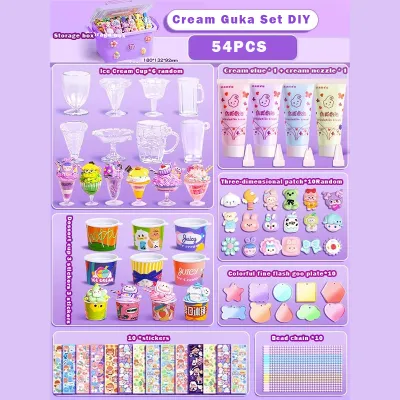
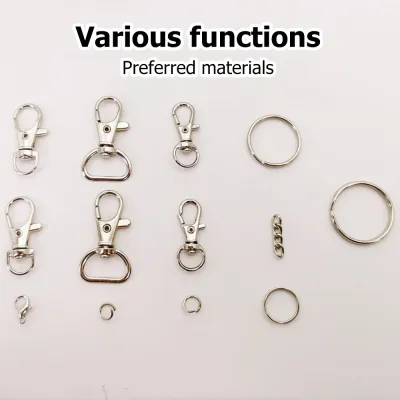
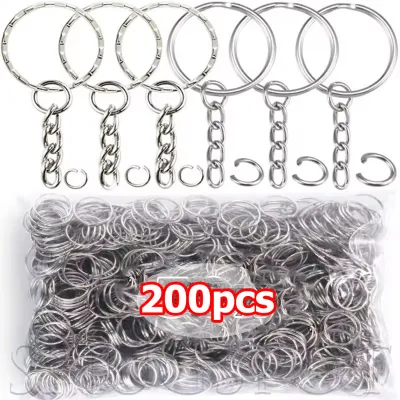
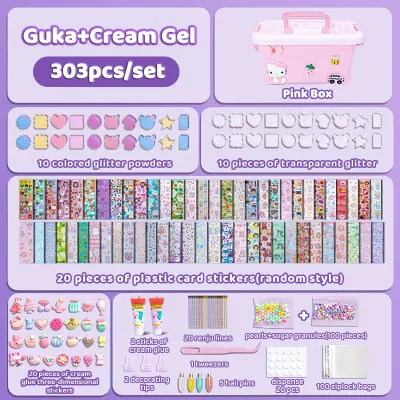
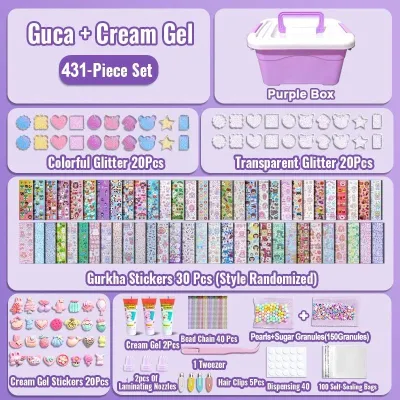
Prices are valid at publication and may change. Please refer to the product page for the latest price.
Choking hazards represent another critical safety concern, especially in lower elementary classrooms where students may still put objects in their mouths. Keychain kits inherently contain small hardware components, including jump rings, split rings, beads, and lobster clasps. Teachers must strictly adhere to the manufacturer’s age-grading on the packaging, which is typically determined by the size and complexity of these small parts. For younger students, selecting kits with oversized plastic beads, thick cords, and pre-assembled hardware loops significantly reduces the risk of accidental ingestion or inhalation.
The safety of the tools included in the kit is just as important as the materials themselves. Many commercial keychain sets include sharp metal needles, precision craft knives, or jewelry pliers with sharp edges. For a classroom setting, these should be replaced with blunt plastic weaving needles, safety scissors, or tools specifically designed for children’s hands. Furthermore, projects that require external heat sources, such as baking polymer clay in an oven or using a high-temperature heat gun for shrink plastic, introduce burn risks. If these techniques are used, the heating step must be performed exclusively by the teacher in a designated, restricted area of the room.
Finally, chemical safety must be evaluated when dealing with adhesives and decorative finishes. Many budget keychain kits include strong solvent-based glues or epoxy resins that release volatile organic compounds (VOCs) and require specialized ventilation. For elementary art rooms, water-based, solvent-free white glues or washable school glues are the only appropriate choices. If a protective topcoat is needed to seal the keychains, water-based acrylic sealants or simple water-resistant school varnishes should be used instead of chemical resins, ensuring a safe breathing environment for both students and staff.
Matching Crafting Mechanics to Elementary Fine Motor Skills
A successful art project relies on matching the physical demands of the craft with the developmental stage of the students. Fine motor skills, grip strength, and hand-eye coordination vary dramatically between early childhood and upper elementary grades. If a keychain making set is too complex, students will quickly become frustrated and disengaged; if it is too simple, older students may lose interest. Selecting a kit with the appropriate crafting mechanics ensures that students can work independently and feel a sense of pride in their finished creations.

For lower elementary students in grades one through three, the focus should be on simple assembly methods that do not require high precision. Kits featuring pre-punched felt shapes, large plastic snap-together frames, or thick wooden blanks are highly suitable for this age group. These materials allow children to practice basic threading using thick yarn or plastic cords and blunt needles without the need for complex knots. Using oversized plastic pony beads or wooden beads with large center holes also helps younger students develop bilateral coordination as they hold the cord with one hand and thread the bead with the other.
In contrast, upper elementary students in grades four through six possess the dexterity required for more advanced crafting techniques. These older students can successfully engage with kits that involve basic macrame knotting, intricate bead weaving, air-dry clay modeling, or shrink plastic designs. These activities challenge their spatial reasoning and fine motor control, allowing them to create more personalized and detailed patterns. For these grades, kits that include colorful embroidery floss, synthetic leather strips, or moldable clays provide an excellent medium for self-expression while still remaining manageable within a classroom setting.
One frequently overlooked physical barrier in keychain assembly is the grip strength required to operate the metal hardware. Standard steel split rings—the traditional coiled rings used for keys—are incredibly difficult for young children to pry open. Attempting to slide a thick craft blank onto a stiff split ring can cause pain, damage fingernails, and lead to intense frustration. To prevent this, educators should look for kits that utilize user-friendly hardware, such as spring-loaded lobster clasps, flexible ball chains, or plastic snap hooks. These alternatives require minimal grip strength and allow students to attach their finished artwork to the hardware independently.
Before purchasing a bulk set for the entire class, it is highly recommended to conduct a trial run with a single sample kit. Observe how easily a student can thread the provided cord, open the clasps, or apply the decorative elements. If you notice students struggling with basic steps or requiring constant adult assistance, it is a clear sign that the kit’s mechanics are too advanced for that grade level. Adjusting the project by swapping out difficult hardware or simplifying the assembly steps will ensure a much smoother and more enjoyable classroom experience.
Assessing Classroom Logistics and Time Management
Running a successful art class requires careful logistical planning, especially when working within rigid school schedules. Most elementary art periods last between 40 and 60 minutes, leaving very little buffer time for setup, instruction, active crafting, and thorough cleanup. When evaluating a keychain making set, teachers must calculate the total time required for each stage of the project to ensure it can be realistically completed without rushing or leaving a chaotic mess behind.
A typical lesson plan should allocate approximately five to ten minutes for distributing materials and explaining the steps, twenty-five to thirty minutes for active student crafting, and ten minutes for cleanup. Keychain kits that require extensive preparation, such as cutting individual lengths of cord for dozens of students or mixing multi-part paints, can quickly eat into valuable class time. To streamline logistics, look for kits that come pre-sorted into individual student packs. These all-in-one packs can be distributed in seconds, allowing students to begin working almost immediately.
Drying, curing, and cooling times are critical factors that can disrupt classroom schedules if not planned for in advance. In tropical climates like the Philippines, high relative humidity can significantly delay the drying times of water-based glues, acrylic paints, and air-dry clays. A project that claims to dry in two hours in a temperate climate may take a full day or more to cure in a humid classroom. If a keychain set involves wet mediums, teachers must plan for a multi-day project and ensure there is adequate, secure shelf space where the keychains can sit undisturbed to dry completely before students handle them.
Workspace protection and cleanup are also major logistical considerations. Keychain projects involving paints, liquid glues, or clay can easily stain school desks and clothing. To minimize cleanup time, choose kits that require minimal wet materials, or supplement the activity with reusable silicone craft mats or old newspapers to protect the desks. If the kit includes acrylic paint markers or water-based sealants, ensure the classroom windows are open to maintain comfortable air circulation, even if the products are certified non-toxic. Having a designated washing station with soap and water ready before the class begins will make the final cleanup quick and orderly.
Evaluating Kit Completeness and Hardware Compatibility
A common source of frustration in school art projects is discovering mid-lesson that a kit is missing essential components or that the included parts do not fit together properly. When purchasing a keychain making set, educators must carefully evaluate the completeness of the package and verify that all hardware is fully compatible. A high-quality kit should contain everything a student needs to complete the project from start to finish, without requiring the teacher to purchase expensive supplementary supplies.
First, verify the physical dimensions and compatibility of the hardware and the crafting blanks. The jump rings—the small metal loops used to connect the artwork to the main keychain ring—must be thick and sturdy enough to hold the weight of the finished piece, yet thin enough to easily pass through the pre-punched holes or clay loops. If the jump rings are too thick or the holes in the blanks are too small, students will not be able to assemble their keychains. Additionally, check that the cord or thread diameter matches the hole sizes of any included beads to prevent threading bottlenecks during class.
Next, check the product specifications to see if the kit requires supplementary consumables that are not included in the box. Some kits provide acrylic blanks but do not include the markers or paints needed to decorate them. Others may include clay but lack the necessary adhesive to secure the metal eyelets into the clay once it dries. If supplementary items are required, factor these into your classroom budget, which typically ranges from ₱50 to ₱150 per student depending on the school’s resources. Ensuring you have a sufficient supply of compatible markers, glues, or sealants beforehand prevents mid-project delays.
The quality and clarity of the instruction manual should also be evaluated. For a classroom setting, instructions must be highly visual, featuring clear step-by-step diagrams or photographs rather than dense blocks of text. This allows the teacher to project the instructions onto a whiteboard or screen using a document camera, making it easy for the entire class to follow along simultaneously. Clear visual guides empower students to work independently at their own pace, reducing the number of repetitive questions and allowing the teacher to focus on helping students who need extra support.
Final durability of the finished keychain must also be considered. Because students will likely hang these keychains on their school backpacks, the finished pieces will be subjected to daily friction, bumps, and exposure to the elements. The connection points between the artwork and the metal hardware must be secure enough to withstand this wear and tear. Testing the strength of the assembled sample keychain by giving it a gentle tug will help you determine if the kit’s hardware is robust enough for daily student use.
Frequently Asked Questions (FAQ)
Can students bring their own keychain hardware to school?
It is highly recommended to use only the standardized hardware provided in the approved classroom kits. Allowing students to bring their own hardware from home introduces several risks, including the potential for unverified metals that may contain lead or sharp, damaged edges that could cause minor cuts. Additionally, non-standard hardware may not fit the pre-punched holes or cord thicknesses of the classroom materials, leading to student frustration and wasted class time. Standardizing the supplies ensures that every student has access to the same safe, compatible, and high-quality materials, which streamlines teacher instruction and promotes an equitable grading environment where everyone works with the same tools.
How do I handle students with allergies to certain crafting materials?
Before starting any keychain project, teachers must carefully review the ingredient labels of all included clays, adhesives, and paints for common allergens such as latex, gluten, or specific synthetic dyes. Some modeling clays contain wheat-based binders, which can trigger reactions in students with severe gluten sensitivities or celiac disease. Cross-reference the kit’s material list with the school’s student health records. If a potential allergen is identified, plan alternative, hypoallergenic tasks using safe substitute materials, such as swapping wheat-based dough for synthetic polymer clay, or providing latex-free gloves for students who need them during the assembly process.
What is the best way to store unfinished keychain projects between classes?
To prevent damage, loss of small parts, and accidental ingestion, unfinished keychains should be stored in labeled, compartmentalized plastic containers. Assigning a specific bin or tray to each classroom section keeps individual student components separated and secure. If the project involves air-dry clay or water-based glues, avoid storing them in airtight containers, as the trapped moisture in a humid tropical climate can lead to mold growth or prevent the materials from curing properly. Instead, use shallow, open-topped trays stored on high, supervised shelves where the projects can dry safely out of reach of younger students until the next scheduled art period.

Community discussion
Share your experience or ask a question. Comments are reviewed before publication.