
Choosing the right A6 budget money binder in the Philippines requires a careful balance of physical durability, material suitability for a tropical climate, and functional capacity. The cash envelope system, often called cash stuffing, has gained immense popularity as a tangible way to manage household expenses, build savings, and curb impulsive spending. By allocating physical cash into designated categories, you gain immediate visual feedback on your financial limits. An A6-sized binder serves as the ideal command center for this system, offering a highly portable and customizable framework that fits easily into daily bags while keeping your hard-earned cash organized and secure.
To make the system work seamlessly, you must select a binder that accommodates local banknotes without folding, resists the wear and tear of daily commuting, and features a reliable closure mechanism. Understanding the physical specifications of these binders and matching them to your specific budgeting habits will ensure your cash envelope system remains sustainable over the long term.
Why A6 is the Practical Standard for Cash Stuffing
The A6 size has emerged as the undisputed standard for cash stuffing, primarily because of how well its dimensions align with standard banknotes and daily carrying habits. Standard A6 paper dimensions are 105 x 148 mm. However, in the context of budget binders, the “A6” designation refers to the size of the inserts and envelopes rather than the outer shell. A standard A6 binder shell typically measures approximately 130 x 190 mm, which is designed to hold 6-hole A6 zipper envelopes that measure roughly 105 x 175 mm.
Products mentioned in this guide
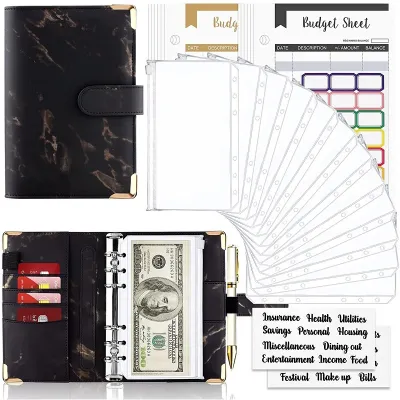
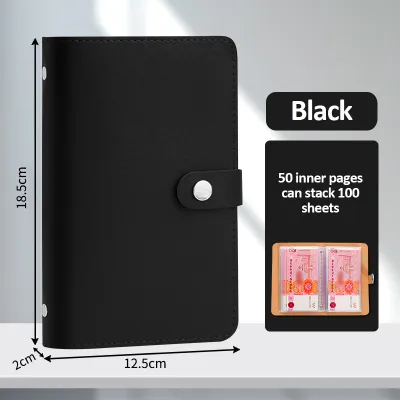
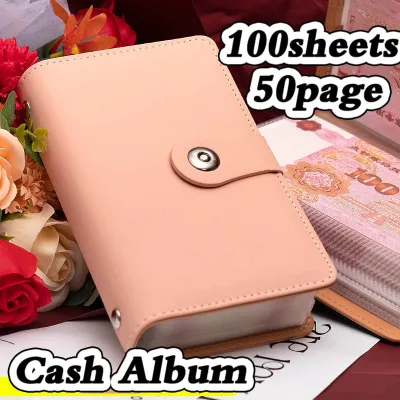
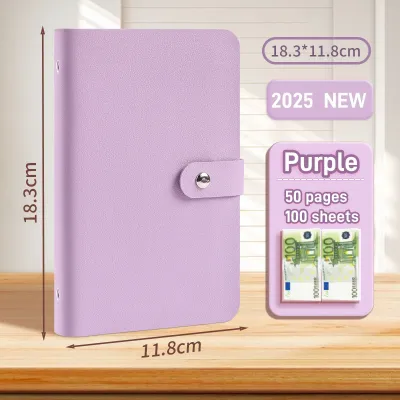
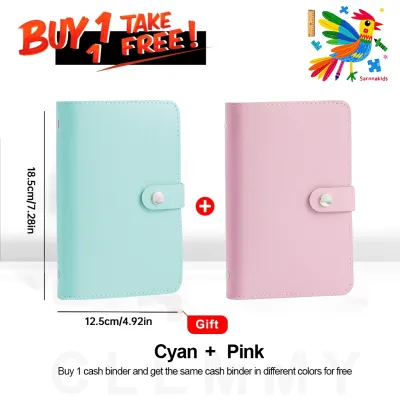
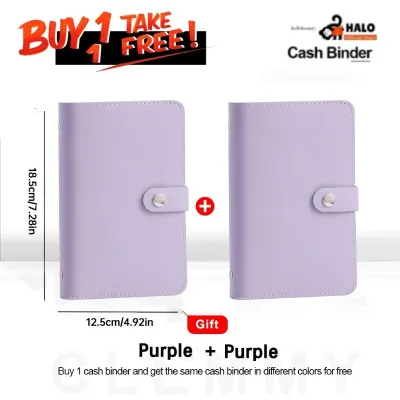
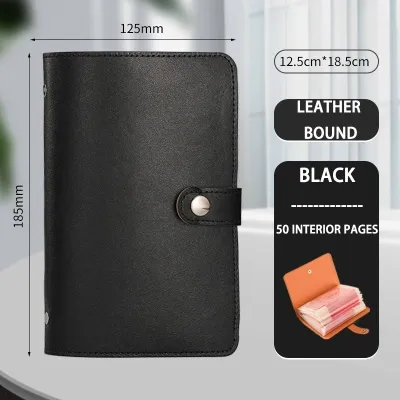
Prices are valid at publication and may change. Please refer to the product page for the latest price.
For Filipino budgeters, this dimension verification is crucial. Standard Philippine Peso banknotes are 160 mm in length and 66 mm in width. Because the standard A6 zipper envelopes are 170 to 175 mm long, they allow you to slide ₱20, ₱50, ₱100, ₱200, ₱500, and ₱1000 bills flat into the sleeves without any folding. Keeping bills flat prevents unnecessary bulk, allows you to count your cash quickly, and extends the lifespan of the banknotes.
When comparing portability and capacity, the A6 format strikes the perfect balance. An A5 binder, with an outer shell measuring around 180 x 230 mm, is far too bulky for daily carry in a standard backpack, tote, or handbag, especially during a humid commute on public transit. On the other hand, mini or pocket-sized binders are too small to hold flat bills, forcing you to fold your cash into halves or thirds. This folding rapidly multiplies the thickness of your envelopes, making the binder difficult to close even with a small amount of money. The A6 binder offers a slim, pocketbook-like profile that fits comfortably in one hand while providing ample space for multiple cash categories.
Key Features to Evaluate in an A6 Budget Binder
Before purchasing an A6 budget binder, you should evaluate several key features to ensure it can withstand daily use and meet your organizational needs. A systematic check of these components will help you avoid flimsy models that warp, tear, or fail under pressure.

First, assess the slot count and interior layout. A functional binder should feature at least four to six card slots on the inside front cover to hold government IDs, debit cards, or loyalty cards. It should also include one or two larger slip pockets for receipts, shopping lists, or loose papers. A built-in pen loop is essential, allowing you to keep a pen handy for logging transactions on your tracking sheets immediately after making a purchase.
Second, examine the dividers and the 6-hole ring mechanism. The rings are the structural backbone of your binder, typically made of stainless steel or nickel-plated iron. Verify that the rings use the standard 6-hole spacing (typically 19mm-19mm-51mm-19mm-19mm) to ensure compatibility with third-party inserts and replacement envelopes. Ring diameters generally range from 15mm to 30mm. A 20mm or 25mm ring is the ideal middle ground, providing enough clearance to hold 8 to 12 filled cash envelopes without straining the binder’s spine. For dividers, choose durable materials like thick PVC or laminated cardstock. If you use index tabs, ensure they do not protrude past the outer edge of the binder shell when closed, as this leads to bent, frayed, and unsightly tabs.
Third, compare the closure types based on your daily routine. Zipper closures wrap entirely around the perimeter of the binder, offering maximum protection against accidental drops, loose coins slipping out, or sudden tropical downpours during the rainy season. However, they require two hands to open and close. Snap-button or magnetic strap closures offer rapid, one-handed access, which is highly convenient at busy checkout counters. The trade-off is that if you overstuff the binder, a magnetic strap may pop open easily, and it offers no protection along the top and bottom edges against dust, lint, or moisture.
Finally, perform an exterior material check. Polyurethane (PU) leather is the most common material due to its affordability and professional appearance. When evaluating PU leather, inspect the stitching along the edges; loose threads or uneven spacing indicate poor construction that will quickly unravel. In highly humid environments, low-quality PU leather can degrade, peel, or become sticky over time. Look for textured or cross-grain PU leather, which resists scratches and moisture better than smooth finishes. Alternatively, clear PVC binders are highly water-resistant and allow you to see your cover page instantly, though they can stiffen in air-conditioned rooms or soften in extreme heat. Nylon or canvas options offer excellent durability and a casual look, though they can absorb moisture if not treated with a water-resistant coating.
Matching Binder Configurations to Your Budgeting Needs
Your budgeting style and daily habits should dictate the specific configuration of your A6 binder. Choosing a setup that matches your complexity level prevents you from carrying unnecessary bulk or running out of space.
For basic budgeters managing four to six categories (such as groceries, utilities, transportation, and emergency savings), a slim binder with a 15mm to 20mm ring capacity is perfect. A simple snap-button closure keeps the profile thin and lightweight. You only need a few card slots and a single pen loop, keeping your daily carry uncluttered and straightforward.
Advanced budgeters managing eight to twelve categories (including complex sinking funds like insurance, tuition, home repairs, holiday gifts, and medical expenses) will need a binder with a larger ring diameter of 25mm to 30mm. This size accommodates 10 or more filled PVC envelopes. Look for binders with expandable spines or flexible backs that can swell slightly without warping the cover. Using color-coded dividers or labeled index tabs is highly recommended to navigate your numerous categories quickly.
Frequent travelers and commuters who carry their budget binder daily in a bag should prioritize a full-wrap zipper design. This ensures that even if a cash envelope accidentally unzips, your money remains safely sealed inside the binder shell. Look for models that include a detachable wristlet strap for secure carrying. Additionally, check product specifications for built-in RFID-blocking materials in the card slots to protect your debit and credit cards from unauthorized scanning while commuting.
Home or desk-based users who rarely take their binder out of the house should prioritize flat-lay convenience. A binder that can open a full 180 degrees and lie completely flat on your desk makes it much easier to write on tracking sheets and organize cash. Snap-button or open-face binders are ideal here, as they allow you to flip open the cover instantly without dealing with zippers.
How to Set Up and Organize Your A6 Cash Binder
Setting up your A6 cash binder systematically ensures that your budgeting process remains smooth, organized, and easy to maintain over time.
Begin with cash allocation and envelope stuffing. When you receive your income, withdraw the necessary cash in denominations that match your planned categories. Before inserting the banknotes into your PVC zipper envelopes, ensure they are completely flat. Avoid folding or crumpling the bills, as crumpled cash takes up significantly more physical space and can cause the PVC envelopes to bulge unevenly, putting pressure on the binder rings. Slide the bills in smoothly, keeping them aligned. If an envelope becomes too thick, distribute the cash into smaller denominations or consider moving some funds to a high-yield savings account if the category is for long-term savings.
Next, utilize budget tracking sheets. Place a double-sided budget tracking sheet inside or directly adjacent to each cash envelope. Every time you deposit or withdraw cash, immediately log the date, description, amount (using ₱), and the new balance. This habit prevents discrepancies and ensures you always know exactly how much is left in each category without physically counting the bills every time. Plan a regular refill cycle—such as weekly or semi-monthly—to match your paydays, allowing you to reset your envelopes systematically.
Finally, verify accessory compatibility. When purchasing accessories separately, always verify that they are explicitly designed for 6-hole A6 binders. Standard A6 paper has different hole configurations depending on the manufacturer. Look for the standard 6-hole punch pattern with a spacing of 19mm between the outer holes and 51mm between the middle two holes. Measure your binder’s ring spacing before buying loose-leaf paper, sticky notes, or additional zipper pouches to avoid alignment issues.
Where to Source and Verify A6 Binders and Accessories
Finding high-quality A6 binders and accessories requires careful verification, especially when shopping online where physical inspection is impossible.
Be aware of the “A6 size” trap. A common mistake among beginners is confusing “A6 paper size” with “A6 binder size.” If you buy a binder shell that is exactly the size of an A6 sheet of paper, it will be too small to hold standard A6 zipper envelopes, which require extra width to accommodate the zipper track and the 6-hole margin. Always check the physical dimensions of the binder shell in the product description. A proper A6 binder shell should measure approximately 130 mm wide by 190 mm high.
When shopping on online marketplaces or ecommerce platforms, do not rely solely on promotional stock photos. Scroll down to the customer review section and look for user-uploaded photos and videos. Pay close attention to real-world scale, such as a photo of the binder next to a hand or a ₱100 bill. Read reviews specifically mentioning the alignment of the metal rings; if the rings do not meet perfectly, pages and envelopes will snag when you flip them. Also, check comments regarding zipper smoothness and whether the magnetic snap holds securely when the binder is full.
If possible, visit local stationery and office supply stores to perform tactile quality checks. Open and close the binder rings several times to test the tension; they should snap shut firmly without any gaps. Slide a card into the slots to check if they are too tight or poorly stitched. Feel the exterior material to assess its thickness and flexibility, and test the zipper or snap button to ensure smooth, reliable operation.
Frequently Asked Questions (FAQ)
Can I use standard A6 notebook paper in a budget binder?
Standard A6 notebooks are typically thread-bound, spiral-bound, or glued, meaning their pages cannot be easily removed or inserted into a binder. If you find loose-leaf A6 paper, it must have the correct 6-hole punch pattern to fit your binder’s rings. Standard 2-hole or 3-hole punches will not align. When purchasing replacement budget tracking sheets or blank paper, always verify the hole spacing (typically 19mm-19mm-51mm-19mm-19mm) to ensure a perfect fit.
How do I clean and maintain a PU leather budget binder?
To clean a PU leather binder, wipe the exterior gently with a slightly damp microfiber cloth to remove dust, sweat, and oils. Avoid using harsh chemical solvents, alcohol-based wipes, or abrasive cleaners, as these can strip the polyurethane coating and cause it to crack or peel. Because of the high humidity in the Philippines, store your binder in a cool, dry place with adequate ventilation. Keep it away from direct sunlight and do not leave it inside a hot car, which can cause the PU material to become sticky or warp.
What should I do if the 6-hole rings become loose or misaligned?
If you notice a small gap or misalignment in the metal rings, you can sometimes realign them using gentle manual pressure. Open the rings, locate the misaligned segment, and carefully push or pull it back into alignment. Do not use excessive force or pliers, as this can snap the spring mechanism or permanently deform the metal. If the rings fail to close completely even after adjustment, or if they repeatedly snag and tear your PVC envelopes, the mechanism is compromised. At this point, you should replace the binder to prevent damage to your cash envelopes and tracking sheets.

Community discussion
Share your experience or ask a question. Comments are reviewed before publication.