
Fuzzy wire sets, commonly known as chenille stems or pipe cleaners, are a staple in elementary school art classes. These versatile, bendable strips of plush-covered wire allow young students to transition from flat, two-dimensional drawings to three-dimensional sculptures, fostering spatial awareness and fine motor skills. For parents in the Philippines preparing their children’s school supply kits, finding the right set involves balancing safety, durability, and vibrant color options. The ideal fuzzy wire set must be easy for small hands to manipulate, resistant to shedding, and safe from sharp, exposed metal tips. By focusing on material quality, secure fiber construction, and appropriate packaging, you can ensure your child has a fun, frustration-free crafting experience in the classroom.
What to Look for in Elementary School Fuzzy Wire
When selecting fuzzy wire for young students, the physical dimensions of the stems play a critical role in how easily children can work with them. Standard craft stems typically measure 30 centimeters in length and 6 millimeters in diameter. This specific size is highly recommended for elementary art because it provides enough material to create substantial shapes without being too long or unwieldy for a child’s desk space. Stems that are too thin often lack the structural integrity to hold up heavier craft items like beads or cardboard cutouts, while excessively thick stems can be difficult for smaller fingers to twist securely.
The quality of the plush covering is another vital factor to evaluate before making a purchase. High-quality fuzzy wires feature a dense, tightly wound pile of polyester or nylon fibers that completely conceals the inner metal core. When fibers are sparse or poorly attached, they tend to shed easily, leaving a mess on classroom desks and uniforms. More importantly, low-density plush increases the likelihood of the wire core poking through, which can cause minor scratches or discomfort during handling. Parents should look for stems that feel soft and full to the touch, indicating that the wire is well-shielded.
Products mentioned in this guide
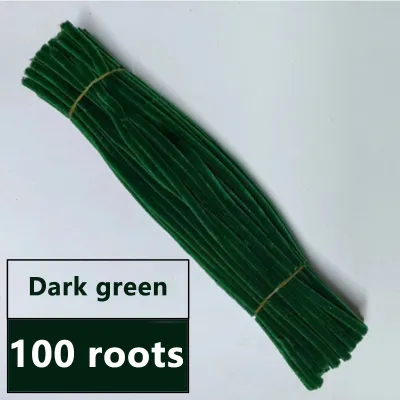
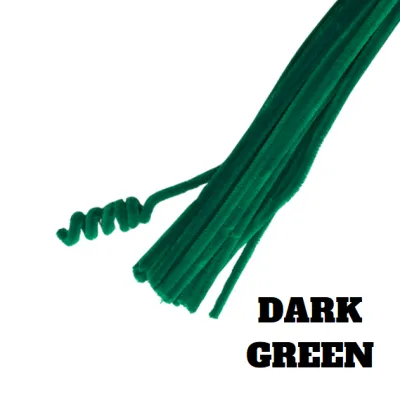
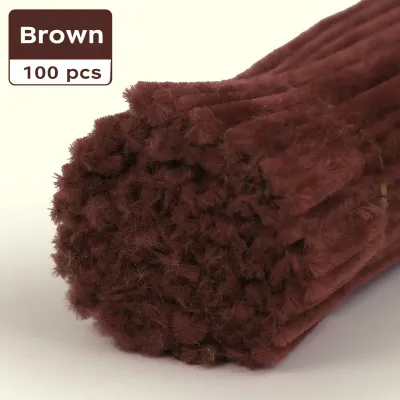
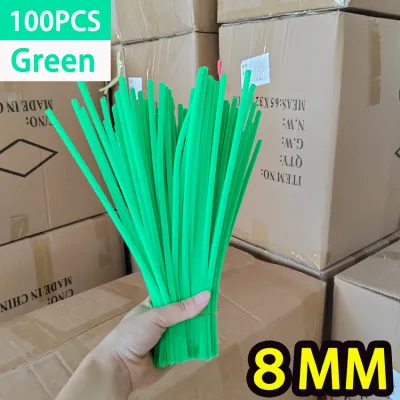
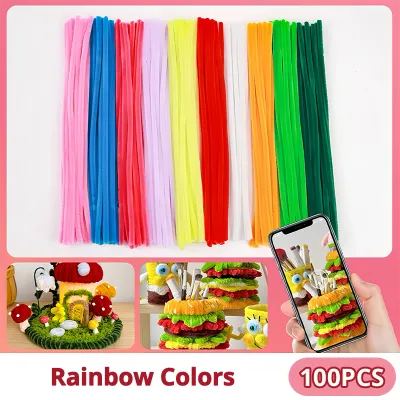
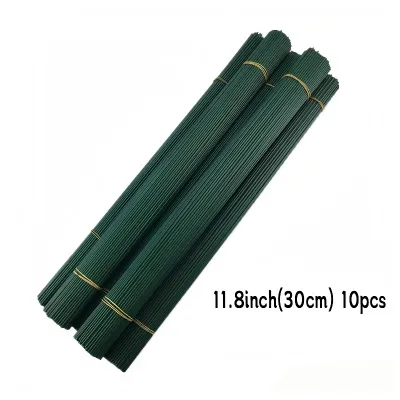
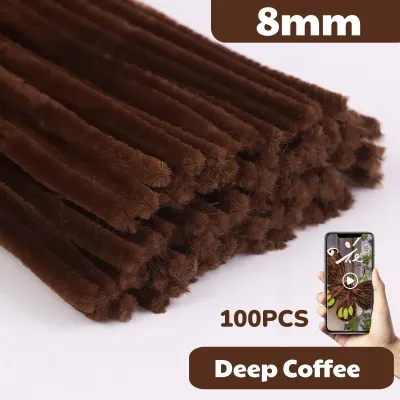
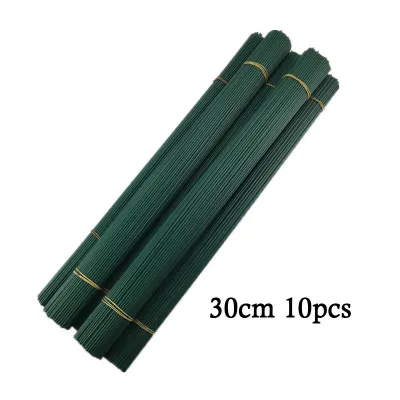
Prices are valid at publication and may change. Please refer to the product page for the latest price.
Color variety and dye quality are equally important for school projects. A good classroom set should offer a wide spectrum of colors, including primary shades, secondary tones, and perhaps some metallic or glitter options for special holiday crafts. In the tropical climate of the Philippines, high humidity levels can sometimes cause inferior dyes to bleed or transfer onto damp hands. To prevent ruined art projects and stained school uniforms, it is wise to choose colorfast stems. You can test this at home by rubbing a dry paper towel firmly along a stem; if any color transfers, the dye may not hold up well in a warm, humid classroom.
Finally, consider the flexibility and resilience of the inner wire. The core should be made of a soft, pliable metal—usually iron or steel—that bends smoothly under light pressure but retains its shape once molded. If the wire is too stiff, young children will struggle to form clean loops or tight twists, leading to frustration. Conversely, if the wire is too soft, the finished art pieces will sag or collapse. A balanced wire core allows students to experiment with different shapes, unfolding and reshaping the stem multiple times without the metal fatiguing or snapping too quickly.
Evaluating Paipai Fuzzy Wire Sets for Classroom Use
The Paipai brand is a familiar name in local stationery shops and online marketplaces, offering a variety of craft supplies tailored for school use. When looking at Paipai fuzzy wire sets, parents should carefully read the product descriptions and packaging details to ensure they select the right configuration for their child’s specific grade level and classroom requirements.

First, pay close attention to the age grading and safety certifications printed on the Paipai packaging. Because fuzzy wires contain a metal core, they are generally recommended for children aged three and older, with some complex sets designated for ages six and up. Ensure that the packaging displays clear safety warnings regarding the wire ends. If you are purchasing for a kindergarten or early elementary student, look for sets that emphasize child-friendly construction, and always verify that the product meets standard safety guidelines for school art supplies.
Next, evaluate the pack sizes and piece counts offered by Paipai. These sets are commonly sold in packs of 50, 100, or even bulk quantities of 200 pieces or more. If your child’s teacher has requested a specific number of stems for a single project, a standard 50-piece multi-color pack may be sufficient. However, if fuzzy wires are listed as a recurring material for the entire school year, investing in a larger 100-piece or 200-piece assortment is often more practical. Buying in bulk not only ensures your child always has spare pieces but also allows them to share with classmates who might run short during a project.
It is also essential to inspect the physical characteristics of the Paipai stems through available product images or in-store displays. Look closely at the ends of the stems to see how the wire is cut. High-quality manufacturing ensures that the wire ends are relatively flush with the plush fibers, minimizing the amount of exposed metal. Additionally, check the density of the chenille pile in the product photos. A fluffy, uniform appearance along the entire length of the stem indicates a well-made product that will provide excellent coverage and a softer grip for young hands.
Building Your Shortlist Based on Art Project Needs
To build an effective shortlist of fuzzy wire sets, you must match the product specifications to the types of art projects your child will encounter. Different crafts demand different styles of stems. For instance, basic structural projects like building model animals or geometric shapes benefit from standard, solid-color stems that offer consistent thickness and reliable stiffness. On the other hand, decorative projects like making festive crowns, flowers, or holiday ornaments might require specialty stems, such as glittery tinsel wires or multi-toned striped patterns.
Storage is a critical but often overlooked factor, especially in the Philippines where seasonal humidity can affect stationery supplies stored in school lockers or home study desks. When fuzzy wires are left exposed to moist air, the iron core can begin to oxidize, leading to rust that ruins the plush fibers and stains hands. To prevent this, prioritize sets that come in resealable plastic zip bags or durable storage containers. If the set you purchase comes in non-resealable packaging, plan to transfer the stems to a sealed plastic container or a zip-top bag at home, perhaps adding a small silica gel packet to absorb any excess moisture.
Evaluating the overall value of a set requires looking beyond the initial price tag to calculate the price per piece. To do this, divide the total cost of the set in ₱ by the number of stems included. A set that costs ₱150 for 100 pieces (₱1.50 per piece) offers better long-term value than a set costing ₱90 for 30 pieces (₱3.00 per piece), provided your child will eventually use the extra stems. For parents on a budget, coordinating with other families to buy bulk assortments and splitting the cost can be an excellent way to secure high-quality materials at a lower unit price.
Lastly, consider the color curation of the sets on your shortlist. While a standard rainbow pack is highly versatile, some art assignments may require a large volume of a single color, such as green for a science model of a plant or brown for a historical diorama. Check if the brand offers single-color packs alongside their multi-color assortments. Having a mix of a large multi-color pack for general crafting and a few targeted single-color packs for specific assignments ensures your child is fully prepared for any project without wasting unused colors.
Safety Checks and Handling Rules for Young Students
While fuzzy wires are generally safe and easy to use, they do contain a thin metal wire at their core, which requires basic safety precautions and handling rules. Before sending any craft supplies to school, parents should perform a quick pre-use inspection. Take a few moments to run your fingers along the ends of the stems. If you feel a sharp, exposed wire tip extending past the plush fibers, you can use a small pair of household pliers to fold the sharp tip back onto itself, creating a smooth, rounded end that is safe for young fingers to touch.
Teaching children proper handling techniques is key to preventing accidents and extending the life of their craft materials. Instruct your child to bend the wires gently rather than making sharp, aggressive folds. Repeatedly bending a wire back and forth in the exact same spot causes metal fatigue, which will eventually cause the wire to snap. A snapped wire not only ruins the craft project but also creates two sharp, jagged metal ends that can poke fingers or scratch skin. Encourage them to use smooth, sweeping curves when shaping their designs.
It is also important to establish clear rules about when to stop using a damaged stem. If the plush covering begins to unravel or slide off the wire, or if the wire core becomes visibly exposed and bent out of shape, the piece should be discarded immediately. Advise your child to throw away damaged pieces in the classroom bin rather than trying to save them. Keeping a clean workspace and replacing worn-out stems ensures that crafting remains a safe and pleasant activity.
Finally, address the rule of cutting fuzzy wires in the classroom. Standard school scissors are designed for paper and cardboard; attempting to cut metal wire with them will quickly dull or nick the blades, rendering them useless. Instruct your child never to attempt to cut fuzzy wires themselves. If a project requires shorter pieces, they should always ask the teacher or an adult supervisor to perform the cut using proper wire cutters or heavy-duty craft shears. Alternatively, teach your child how to fold the excess wire back and twist it around the main stem, which often eliminates the need for cutting altogether.
Frequently Asked Questions (FAQ)
Can fuzzy wire be washed if it gets dirty during art class?
Washing fuzzy wire is not recommended due to the risk of damaging the inner metal core. Because the core is typically made of iron, exposing it to water can quickly lead to rust, especially in humid climates. If a finished craft project accumulates dust, try gently shaking it or using a dry, soft-bristled brush to clean the fibers. If the manufacturer’s instructions allow for spot cleaning, you may use a slightly damp cloth to wipe away minor dirt from the plush surface, but you must ensure the wire dries completely and immediately. If a stem becomes heavily soiled with paint, glue, or mud during art class, it is best to discard it and replace it with a fresh piece.
Do I need special tools to cut fuzzy wire for school projects?
Yes, cutting fuzzy wire requires tools specifically designed for cutting metal, such as wire cutters or heavy-duty craft shears. Standard school scissors should never be used, as the hard metal core of the stem will dull or damage the blades. For safety reasons, any cutting of fuzzy wires should be handled exclusively by adults, such as teachers or parents. If children need to adjust the length of their stems during a classroom activity without adult supervision, they should be taught to fold the excess wire back and twist it securely around the stem rather than attempting to cut it.

Community discussion
Share your experience or ask a question. Comments are reviewed before publication.