
Crafting kandi bracelets for music festivals and dance events in the Philippines is a beloved tradition of self-expression, friendship, and community. To build durable, vibrant bracelets that can withstand the intense tropical heat, high humidity, and energetic dancing of local outdoor events, selecting the right kandi beads is essential. The ideal beads must not only look striking under festival lights but also maintain their structural integrity and color when exposed to sweat and sun. Navigating the vast array of crafting supplies requires a clear understanding of material specifications, sizing standards, and local sourcing options to ensure your handmade creations survive the festival weekend and remain cherished keepsakes for years to come.
When preparing for a major event, the process of designing and assembling these bracelets becomes a pre-festival ritual. Whether you are planning to trade simple single-strand bracelets or construct elaborate multi-row cuffs, the physical properties of your materials dictate the success of your project. By focusing on quality standards and practical verification steps, you can avoid common crafting pitfalls such as mismatched sizes, fading colors, and brittle plastics that snap under tension.
Defining the Ideal Kandi Bead for Festival Wear
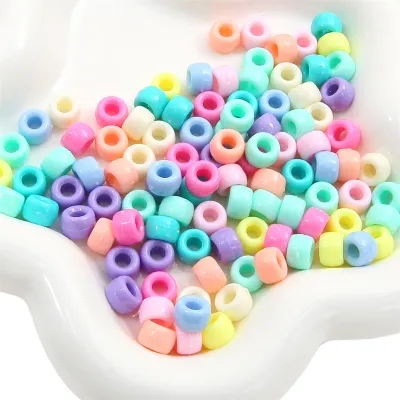
Traditional kandi culture relies heavily on the classic pony bead, a distinct cylindrical plastic bead with rounded outer edges. These beads are characterized by their uniform shape and generous proportions, which make them easy to handle during rapid, repetitive stringing sessions. Unlike delicate glass seed beads or heavy ceramic options, standard pony beads offer a lightweight profile that allows festival-goers to wear dozens of bracelets up their arms without feeling weighed down or restricted during movement.
Products mentioned in this guide
![[jwerlyday]Bulk 10000Pcs Rainbow Beads 30 Colors for Kandi Key Chains Bracelet Making for Hair Braiding DIY Crafts](https://img.lazcdn.com/g/p/940ed780752a7ef3b4a70c9340cda788.jpg_400x400q80.jpg_.webp)
Prices are valid at publication and may change. Please refer to the product page for the latest price.
Consistency in bead dimensions is the foundation of any successful kandi design. When beads feature identical heights and diameters, they align perfectly side-by-side, creating a flat, stable surface. This structural symmetry is particularly critical when spelling out phrases with letter beads or when weaving complex geometric patterns like 3D cuffs. If the beads vary even slightly in size, the tension of the elastic cord will pull the uneven pieces out of alignment, causing the bracelet to warp, buckle, or display distorted, unreadable text.
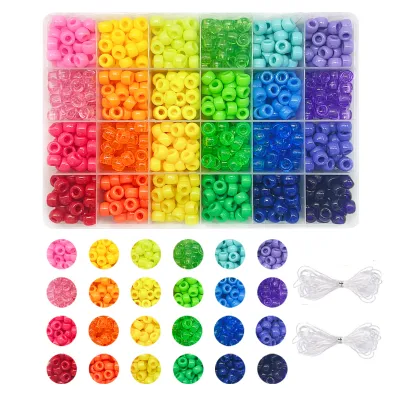
Visual appeal is another defining factor for festival wear, where designs must stand out in diverse lighting conditions. Opaque beads in solid primary and pastel colors serve as the high-contrast background necessary for making message-bearing bracelets legible from a distance. Meanwhile, translucent, glitter-infused, and neon beads are highly favored for their ability to catch and refract natural sunlight during daytime outdoor sets. Under the ultraviolet blacklights common at evening stage performances, high-quality neon and fluorescent beads emit a bright glow, transforming simple bracelets into dynamic, light-up accessories.
Essential Specifications to Check Before Buying
Before purchasing beads in bulk, verifying their physical dimensions and hole sizes is the most critical step to ensure compatibility with your stringing materials. The standard industry size for classic pony beads is 9mm in outer diameter with a height of 6mm, featuring an inner hole diameter of approximately 4mm. This wide inner channel is a deliberate design feature; it allows a thick, durable elastic cord to pass through the bead multiple times, which is a structural requirement for complex multi-row weaving techniques. Always check the product specifications to confirm these measurements, as smaller craft beads with narrow holes will restrict your cord choices and complicate the assembly process.

Evaluating the plastic material and surface finish is equally important for durability and comfort. Most affordable kandi beads are manufactured from either acrylic or polystyrene. Acrylic beads are generally superior for festival wear, as they offer greater impact resistance, a heavier and more premium feel, and a smoother surface finish that minimizes skin irritation during prolonged wear. Polystyrene beads are lighter and highly budget-friendly, but they can sometimes feel brittle and may exhibit sharp plastic seams from the molding process. Inspecting the finish—whether it is high-gloss, matte, or metallic—helps ensure the beads will provide the desired visual contrast without scratching the skin.
In the tropical climate of the Philippines, colorfastness and resistance to ultraviolet radiation are vital performance criteria. Intense sun exposure and acidic sweat can cause low-quality dyes and surface coatings to fade, peel, or transfer color onto your skin. To verify color stability before committing to a large project, perform a simple water-and-friction trial: soak a few sample beads in warm, slightly salty water for an hour, then rub them firmly against a sheet of white paper. If the color bleeds or the surface finish scratches off easily, the beads are coated rather than molded from solid-colored plastic resin, making them unsuitable for hot, outdoor festival environments.
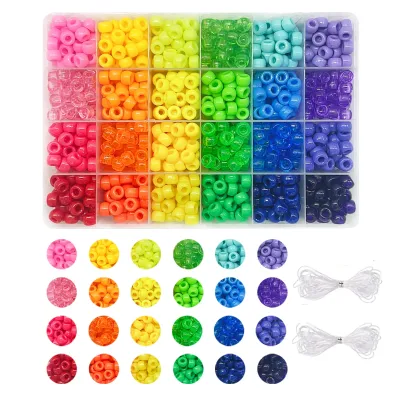
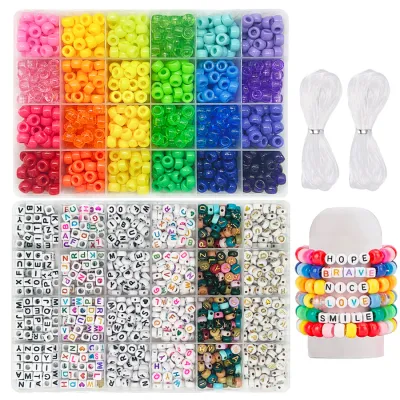
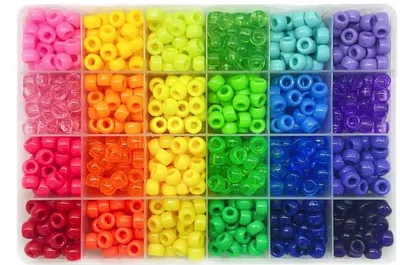
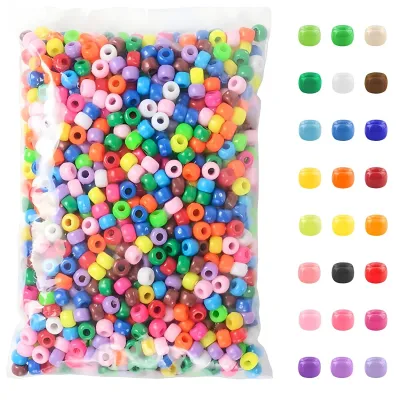
Finally, assess the quantity and packaging options based on the scale of your crafting goals. For beginners or those targeting a specific color scheme, curated color sets packaged in segmented plastic organizers offer convenience and prevent mixing. However, if you plan to create a large volume of bracelets for trading, purchasing single-color bulk packs containing 500 to 1,000 pieces is far more economical. Bulk purchasing ensures color consistency across your entire inventory, as beads sourced from different manufacturing batches can sometimes exhibit subtle shade variations.
Where and How to Source Beads in the Philippines
Sourcing quality kandi beads in the Philippines requires a strategic approach that combines physical inspection with smart online shopping. For crafters who prefer a tactile purchasing experience, visiting traditional wholesale hubs and local stationery markets is highly effective. In Manila, wholesale districts like Divisoria offer extensive selections of plastic beads and jewelry-making supplies at competitive prices. Exploring these physical stores allows you to feel the weight of the plastic, inspect the neatness of the molded edges, and verify that the colors match your design vision under natural light before spending your budget.
When utilizing online marketplaces and ecommerce platforms, a targeted search strategy is necessary to filter out low-quality listings. Use precise search terms such as “9mm acrylic pony beads bulk” or “plastic alphabet beads for bracelets” rather than generic terms like “craft beads,” which often yield irrelevant results. To gauge the true quality of the product, bypass the manufacturer’s stock photos and scroll directly to the customer review section. Look for buyer-uploaded photos and videos, paying close attention to comments regarding color accuracy, uniform hole sizes, and whether the beads arrived with excessive plastic flashing or debris.
Shipping origins and estimated delivery timelines must also be factored into your planning, especially if you are working against a strict festival deadline. Local domestic sellers typically offer faster transit times and lower shipping fees, making them ideal for last-minute supply runs. International sellers often boast a wider variety of specialty shapes, unique finishes, and bulk discounts, but their shipments require a longer transit window. To avoid pre-festival stress, establish a buffer of at least two to three weeks when ordering from overseas to accommodate potential customs delays or logistics bottlenecks.
Additionally, protect your investment by verifying the seller’s return policies and defect allowances before finalizing a bulk order. Because plastic beads are mass-produced via injection molding, a minor percentage of deformed pieces—such as beads with clogged holes or incomplete shapes—is normal and expected. A standard acceptable defect rate ranges from 2% to 5% of the total volume. However, if a shipment arrives with widespread damage or incorrect colors, a clear return and refund policy on the ecommerce platform ensures you can resolve the issue without financial loss.
Structuring Your Bead Inventory for Festival Designs
Building a versatile bead collection requires a balanced inventory structured around different design roles. Your collection should be anchored by a generous supply of base beads, which are solid, opaque pony beads in foundational colors like black, white, and primary shades. These base beads make up the bulk of any bracelet, serving as the background that frames your text and patterns. Because they are used in high volumes, purchasing base beads in large, single-color bulk bags is the most cost-effective way to maintain a steady supply.
Accent beads are used in smaller quantities to inject personality, texture, and visual excitement into your designs. This category includes translucent jelly beads, glitter-filled plastics, metallic-plated finishes, and specialty UV-reactive beads that change color when exposed to sunlight. By strategically placing accent beads at regular intervals or using them to separate words, you can create a sense of depth and movement in your bracelets. Since these are used sparingly, you can purchase them in smaller, multi-color assortment packs to maximize your variety without overinvesting in any single specialty style.
Specialty shapes and alphabet beads are the storytelling elements of kandi crafting. Alphabet beads are essential for spelling out artist names, favorite songs, inside jokes, or positive messages of friendship. Opt for high-contrast letter beads, such as bold black letters on white backgrounds, to ensure the text remains legible on a moving wrist. Supplement your letters with fun, thematic shapes like stars, hearts, flowers, and miniature animals, which can serve as central charms or focal points that give each bracelet a unique identity.
To keep your growing inventory manageable and protect your materials from damage, establish a systematic storage and organization system. Clear plastic utility boxes with adjustable dividers are ideal for sorting beads by color, finish, and type. Keeping your alphabet letters sorted alphabetically saves hours of searching during assembly. Additionally, store your organized containers in a cool, dry place away from direct sunlight to prevent the plastic from becoming brittle and to preserve the vibrancy of neon and UV-reactive beads over time.
Frequently Asked Questions (FAQ)
What stringing material works best for kandi bracelets?
For standard kandi bracelets made with 9mm pony beads, a high-quality elastic cord with a thickness of 0.8mm to 1.0mm is the ideal choice. Fabric-covered elastic thread is highly recommended for beginners because it is incredibly durable, easy to knot, and provides a comfortable, soft texture against the skin. Clear polyurethane stretch cord is another popular option that offers a sleek, invisible look, but it requires more advanced knotting techniques, such as a surgeon’s knot reinforced with a small drop of clear craft adhesive, to prevent the slick material from unraveling under tension.
How do I prevent kandi beads from fading during outdoor festivals?
To protect your kandi bracelets from fading in the harsh tropical sun, prioritize buying beads where the pigment is mixed directly into the plastic resin during manufacturing, rather than beads with painted-on surface colors. After wearing your bracelets at a festival, gently wash them in cool water with a mild, pH-neutral soap to remove accumulated sweat, sunscreen, dust, and body oils. Once clean, pat them dry with a soft towel and store them in a dark drawer or an opaque storage container, as prolonged exposure to ambient sunlight and heat when not in use will gradually degrade the plastic and dull the colors.
Can I mix different brands of kandi beads in one bracelet?
Yes, you can mix different brands of beads, but it requires careful physical verification before you begin stringing. Lay a few beads from each brand side-by-side on a flat surface to check for discrepancies in height, outer diameter, and hole alignment. While minor variations are negligible in simple, single-strand bracelets, even a fraction of a millimeter difference can cause complex, multi-row cuffs to warp or lose their structural tension. If you choose to mix brands, do so deliberately—such as alternating rows of matte beads from one manufacturer with glossy beads from another—to turn physical differences into an intentional design feature.

Community discussion
Share your experience or ask a question. Comments are reviewed before publication.