
Finding the perfect personalized note cards for handwritten calligraphy requires looking beyond beautiful designs and focusing on the physical properties of the paper. The best personalized note cards for calligraphy feature heavy, high-density cardstock—typically 250 gsm or higher—with a smooth, uncoated finish and proper surface sizing. This specific combination ensures that wet inks from dip pens, fountain pens, or brush pens sit cleanly on the surface rather than soaking into the fibers, preventing the frustrating issues of bleeding and feathering.
In the tropical climate of the Philippines, high humidity can significantly affect how ink interacts with paper. Excess moisture in the air naturally softens paper fibers and slows down ink drying times, making the choice of paper quality even more critical. Selecting a cardstock that balances ink absorption with surface smoothness ensures your handwritten messages remain crisp, elegant, and professional, whether you are sending thank-you notes, wedding invitations, or personal correspondence.
Understanding Paper and Ink Interaction for Calligraphy
Calligraphy relies on a controlled flow of liquid ink from a nib or brush tip onto a writing surface. Unlike standard ballpoint pens that use thick, oil-based inks, calligraphy tools utilize water-based, pigment-based, or acrylic inks that require a receptive yet stable medium. When these wet inks meet paper that lacks the proper structural integrity, the ink spreads uncontrollably along the paper fibers, a phenomenon known as feathering. This results in fuzzy, distorted edges instead of the sharp, clean lines essential for elegant script.
Products mentioned in this guide
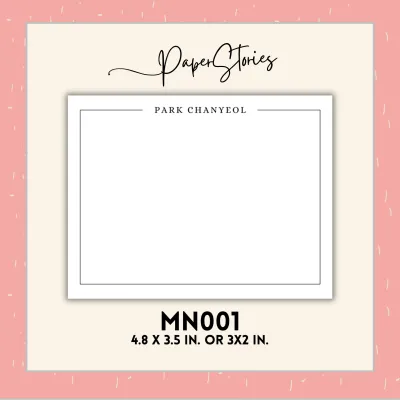
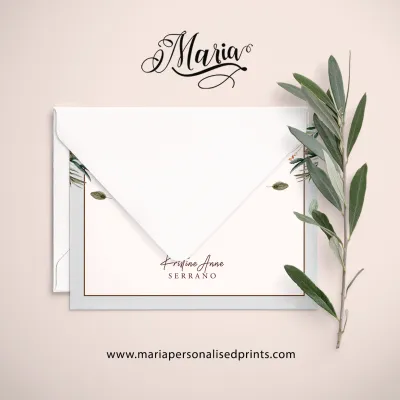
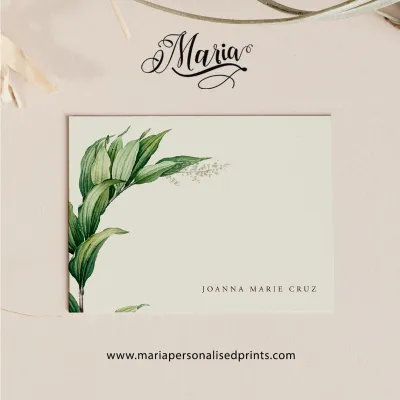
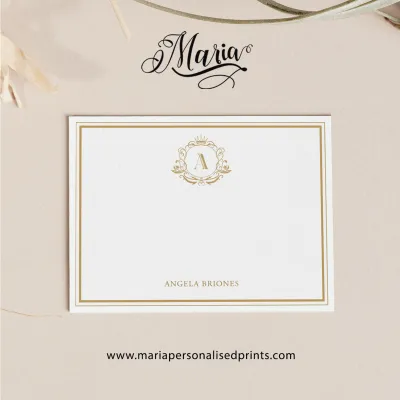
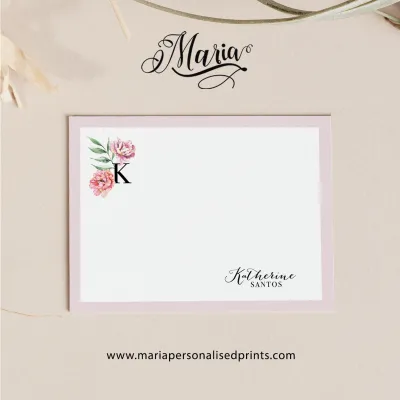
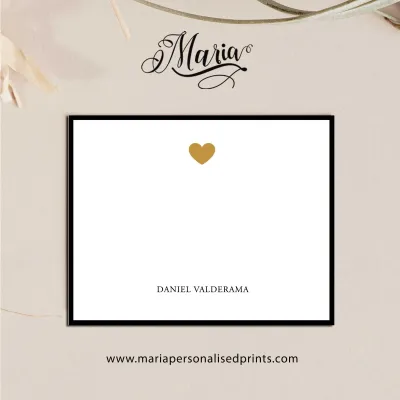
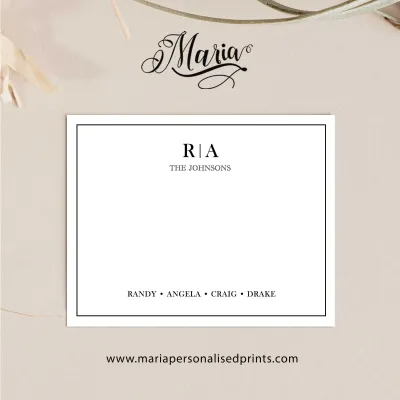
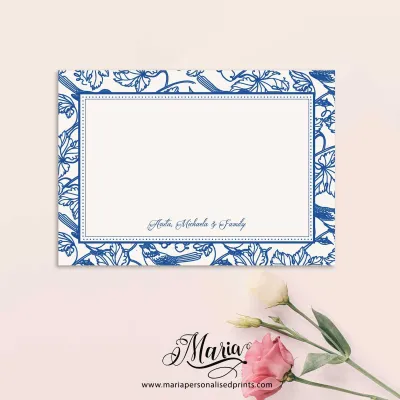
Prices are valid at publication and may change. Please refer to the product page for the latest price.
Bleeding occurs when the paper is too porous or thin, allowing the ink to penetrate completely through to the reverse side of the card. This is particularly problematic for personalized note cards where the back or inside of the card must remain clean and legible. Dip pens, which deposit a relatively large volume of ink in a single stroke, and flexible fountain pens are especially prone to causing bleed-through on standard commercial cardstocks designed primarily for digital printing rather than hand lettering.
The key factor governing this interaction is paper sizing, which refers to chemical agents added during manufacturing to regulate liquid resistance. Internal sizing is mixed into the paper pulp before sheet formation, while surface sizing is applied to the dried sheet to create a protective barrier. This treatment prevents the paper from acting like a sponge, allowing the ink to sit on top of the surface long enough to dry into a crisp, solid line. Without adequate sizing, even the heaviest cardstock can suffer from severe feathering.
Highly textured or overly absorbent personalized cards pose a significant risk for calligraphers. Rough surfaces can catch the delicate tines of a metal dip pen nib, causing ink splatters and damaging the tool. Meanwhile, highly absorbent papers pull ink out of brush pens too quickly, drying out the tip prematurely and causing the ink to spread unevenly. Understanding these physical dynamics helps you look past aesthetic appeal and evaluate personalized stationery based on its technical compatibility with your writing tools.
Essential Paper Specifications to Check Before Ordering
When browsing online marketplaces or local stationery catalogs for personalized note cards, you must verify specific physical attributes to ensure they can handle calligraphy ink. The first specification to examine is paper weight, measured in grams per square meter (gsm) or pounds (lb). For a premium, sturdy feel that resists buckling under wet ink, aim for cardstock that is at least 250 gsm, though 300 gsm or higher is ideal. Heavier paper provides the physical density needed to prevent show-through, but remember that weight alone does not guarantee ink compatibility; it must be paired with the right finish.

The surface finish of the cardstock determines how smoothly your pen will glide and how well the ink will adhere. Smooth, uncoated finishes are generally the most reliable choice for calligraphy. They offer a flat, level surface that allows fine metal nibs and delicate brush tips to slide effortlessly without catching. In contrast, glossy or coated finishes—often used for photo cards—resist water-based inks entirely, causing the ink to pool, bead up, or smudge indefinitely. Heavily textured finishes, such as deep linen or coarse felt, should also be avoided as they disrupt the flow of the pen and distort the consistency of your strokes.
Identifying whether a paper has been treated with internal or surface sizing can be challenging, as this detail is rarely highlighted in basic product descriptions. To verify this, look for terms like “fountain pen friendly,” “ink-resistant,” or “suitable for wet media” in the manufacturer’s specifications. If you are ordering custom cards from a local print shop or sourcing them online, ask the supplier directly if the paper has been sized for writing. A well-sized paper will allow the ink to retain its vibrant color and sheen on the surface rather than dulling as it sinks into the sheet.
Finally, consider the card dimensions and folding mechanisms before finalizing your personalization options. Folded note cards create a natural crease where ink can pool if the paper is not sufficiently dense or well-sized. If you plan to write across or near the fold, ensure the paper is scored professionally to prevent the fibers from cracking, which creates micro-channels that invite ink bleeding. Flat note cards, such as A2 or A6 sizes, offer a stable, flat writing area that eliminates the risk of ink pooling along a crease, making them an excellent starting point for handwritten calligraphy.
Suitable Paper Materials for Calligraphy Note Cards
Different paper materials offer distinct writing experiences, and choosing the right composition is essential for achieving professional calligraphy results. Cotton paper, often referred to as rag paper, is highly prized for its luxurious texture, soft feel, and exceptional durability. Made from cotton linters, this paper does not yellow over time and provides an elegant backdrop for formal correspondence. However, because cotton is naturally highly absorbent, you must verify that the cotton cardstock has been treated with sizing; otherwise, it will absorb ink like blotting paper, ruining your delicate letterforms.
Smooth uncoated cardstock is another excellent material that is highly compatible with modern calligraphy, especially when using brush pens or fine-point dip pens. This material is typically made from wood pulp but is processed to have an extremely level, low-texture surface. When looking at product descriptions, search for labels such as “ultra-smooth,” “satin finish,” or “smooth cardstock.” These terms serve as reliable proxies for low surface texture, indicating that the paper will allow your pen tips to glide without fraying or skipping, while still providing enough grip for precise control.
Vellum and translucent overlays offer a unique, modern aesthetic for personalized stationery, often used as an elegant layer over a printed card. Vellum is non-porous and exceptionally smooth, which means it will not feather or bleed. However, this non-porous nature also means that water-based calligraphy inks will take a very long time to dry on vellum, creating a high risk of smudging. If you choose to write on vellum overlays, you must use specialized, fast-drying inks or pigment-based markers, and allow ample drying time in a dry, well-ventilated space to prevent accidental smears.
Avoid standard recycled papers and glossy photo-finish cards. Standard recycled papers often feature inconsistent fiber density and a highly textured, absorbent surface that causes severe ink skipping and feathering. Glossy photo-finish cards are also unsuitable, as their plastic-like coating prevents water-based inks from drying, leading to immediate smearing. By steering clear of these problematic materials and focusing on sized cotton or ultra-smooth uncoated cardstocks, you can ensure your personalized stationery performs beautifully.
How to Test and Verify Ink Compatibility Before Ordering
Committing to a large order of personalized note cards without testing the paper first can lead to costly disappointment. To avoid this, always request physical paper samples or swatches from the custom printing service or online stationery shop before finalizing your order. Most reputable printers are happy to provide unprinted samples of their cardstock options, sometimes for a nominal fee of ₱100. Having the physical paper in hand allows you to evaluate its weight, texture, and color in person, ensuring it matches your expectations.
Once you receive your paper samples, perform a simple scratch and ink test at home using the exact pen and ink combination you plan to use for the final cards. Write a few test strokes, including fine hairlines and thick downstrokes, to observe how the paper behaves. Watch closely for any immediate feathering along the edges of the lines, and check the reverse side of the card for any signs of ink show-through or bleeding. Additionally, note how long it takes for the ink to dry completely; in humid environments, this test is crucial for determining if you need to adjust your ink consistency or drying setup.
Before conducting your tests, review any manufacturer guidelines or product labels provided with the paper samples. Some paper mills publish detailed compatibility charts indicating which pens and inks work best with their products. If the label specifies that the paper is optimized for laser printing or digital press work, it may lack the sizing required for wet calligraphy inks, requiring extra caution during your testing process. Paying attention to these technical guidelines can save you time and help narrow down your choices quickly.
If a supplier cannot provide paper composition details, weight specifications, or sample swatches, it is best to halt the ordering process and look elsewhere. A lack of transparency regarding paper specifications often indicates that the stationery is made from low-grade, generic cardstock that is unlikely to support wet calligraphy ink. Working with a knowledgeable supplier who understands the needs of calligraphers ensures that your final handwritten notes look flawless and professional.
Sourcing and Customizing Personalized Cards
When sourcing personalized note cards, clear communication with your chosen printer or print shop is vital. When inquiring about their stationery options, ask specific questions regarding the paper’s physical properties. Inquire about the exact paper weight in gsm, the surface finish, and whether the cardstock is suitable for fountain pens or wet ink calligraphy. Many local print shops are familiar with these requirements for wedding invitations and formal stationery, and they can guide you toward their premium, sized cardstock options if you explain your needs clearly.
The customization process itself requires careful planning to ensure you leave enough usable space for your handwritten calligraphy. When designing your personalized cards, position the printed elements—such as your name, monogram, or return address—so they do not encroach on the writing area. Additionally, choose printing methods like flat digital printing or letterpress that do not leave a greasy or raised thermographic residue on the writing surface. Thermography and heavy foil stamping can create slick barriers that calligraphy ink cannot penetrate, so keep these decorative elements confined to the margins of the card.
Finally, always review the supplier’s return and reprint policies before submitting your final personalized order. Because personalized items are custom-made, most shops do not accept returns based on personal preference or ink incompatibility after the cards have been printed. However, if the final product arrives with manufacturing defects, incorrect paper stock, or damaged edges, a clear return policy will protect your investment. Confirming these terms beforehand gives you peace of mind as you prepare to create beautiful, handwritten correspondence on your new custom stationery.
Frequently Asked Questions (FAQ)
Can I use brush pens on standard personalized greeting cards?
Standard personalized greeting cards are often printed on coated or textured cardstock that is not optimized for brush pens. Textured surfaces can quickly fray the delicate nylon or felt tips of brush pens, permanently ruining the tool’s ability to create sharp lines. Furthermore, standard cardstock often lacks the proper sizing to prevent water-based brush pen inks from bleeding and feathering. To protect your brush pens and achieve clean lettering, look for personalized cards specifically labeled as having an ultra-smooth, satin, or marker-friendly finish.
What is the minimum paper weight needed to prevent ink show-through?
To prevent ink show-through and buckling, look for personalized note cards with a minimum paper weight of 250 gsm (approximately 92 lb cover weight), though 300 gsm or higher is highly recommended for wet calligraphy inks. However, weight alone does not guarantee that ink will not bleed or feather. The paper’s internal and surface sizing, along with its fiber density, are equally critical factors. Always verify both the weight and the finish specifications of the cardstock, and perform a physical ink test whenever possible to ensure complete compatibility.

Community discussion
Share your experience or ask a question. Comments are reviewed before publication.