
Selecting materials for a children’s jewelry project requires balancing creative appeal with physical and chemical safety. To ensure a safe crafting experience, all DIY bracelet materials must meet three core criteria: non-toxic composition, age-appropriate sizing to prevent choking, and smooth physical finishes.
What is safe for a ten-year-old child can pose severe risks to a toddler. While older children can safely handle small seed beads and metal clasps, younger children require larger, highly durable components. Rather than relying solely on generic material names, you should always check the manufacturer’s age grading and safety labels to verify compliance with child safety standards before purchasing.
Age-Specific Safety Guidelines for Bracelet Making
Toddlers and Preschoolers (Ages 2–5)
For children aged five and under, physical choking hazards are the primary safety concern. The standard safety rule for this age group is to avoid any parts, beads, or charms smaller than 1.25 inches (approximately 3 centimeters) in diameter. Parts of this size can easily block a young child’s airway if swallowed or inhaled.
Products mentioned in this guide
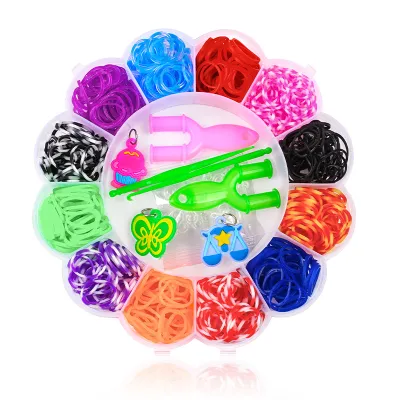
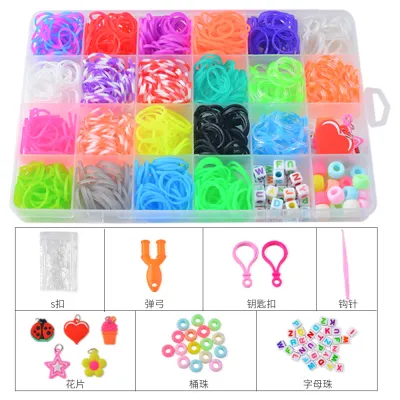
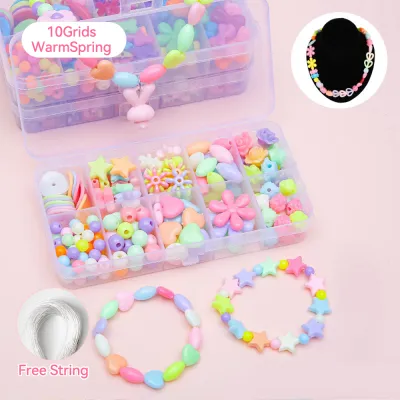
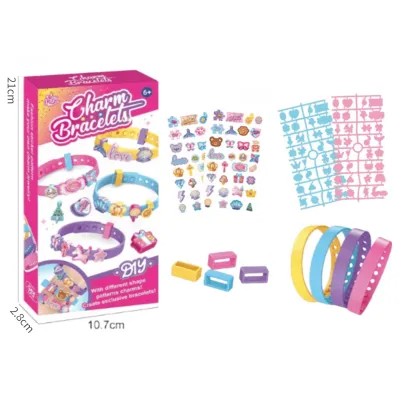
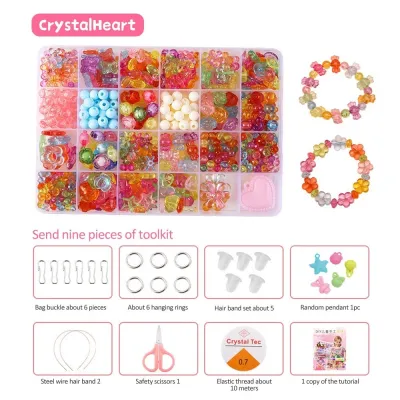
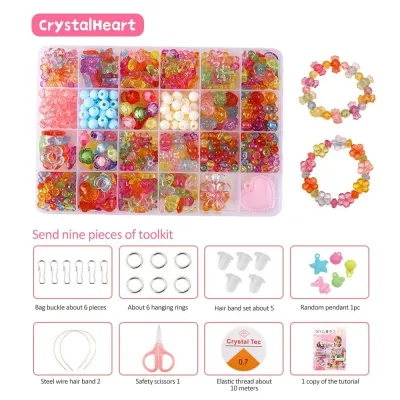
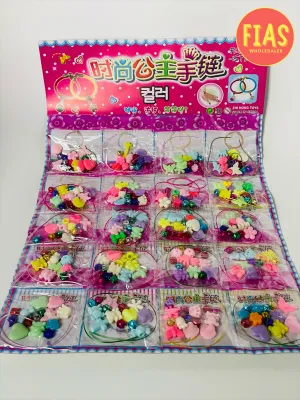
Prices are valid at publication and may change. Please refer to the product page for the latest price.
When planning projects for toddlers, prioritize thick, easy-to-grasp beads that match their developing palmar grasp. Avoid small detachable charms, tassels, or tiny spacer beads that can easily break off the finished piece. At this stage, the focus should be on sensory exploration and basic coordination rather than intricate designs.
School-Age Children (Ages 6+)
As children reach school age, their fine motor skills and hand-eye coordination improve significantly, allowing them to handle smaller components. While smaller beads like pony beads or larger seed beads become appropriate, you must still evaluate material durability and tool safety.
Introduce crafting tools gradually, starting with blunt-nose safety scissors rather than sharp metal snips. Because older children wear their creations for longer periods, skin sensitivity becomes a key consideration. Choose hypoallergenic materials that will not cause irritation during active play or school days.
Strangulation Risks
Long cords and strings present a universal strangulation risk that requires careful management during the crafting process. Keep string lengths as short as possible while the child is working, and never leave long, loose spools of cord within reach of unsupervised children.
For the finished bracelet, select stretchy elastic or breakaway cords that yield easily under tension. Avoid stiff, non-stretching cords like heavy nylon twine or metal wire for younger children, as these materials do not give way if the bracelet gets caught on playground equipment or furniture.
Choosing Safe Beads and Charms
Bead safety is determined by the chemical composition of the base material, the safety of any applied coatings or paints, and the physical shape of the finished bead. Marketing terms like “eco-friendly” or “natural” do not automatically guarantee that a product is non-toxic or safe for children, making direct verification of safety labels essential.

Recommended Bead Materials
- Wood: Large, smooth wooden beads are excellent for rustic or natural-looking designs. Always verify that the wood is sealed with non-toxic, water-based paints or finishes. Untreated wood can splinter during play, while uncertified varnishes or paints can leach harmful chemicals if a child accidentally places the beads in their mouth.
- Silicone: Food-grade, BPA-free silicone beads are soft, flexible, and highly durable. Their chew-safe nature makes them ideal for younger children, provided the beads are large enough to pass the choke-test cylinder standard. They are also easy to wash with mild soap and water.
- Acrylic and Hard Plastics: Lightweight and colorful, high-quality acrylic beads are a favorite for school-age children. When purchasing plastic beads, inspect them for smooth, molded edges without sharp seams or burrs left over from the manufacturing process. Ensure the packaging explicitly states the product is free from harmful plasticizers like phthalates.
Materials to Avoid or Restrict
- Glass and Ceramics: While beautiful, glass and ceramic beads are highly susceptible to cracking or shattering when dropped on hard surfaces. This creates sharp, hazardous shards that can cut sensitive skin or cause serious injury if stepped on.
- Unidentified or Cheap Metals: Avoid bulk, unbranded metal charms and chains. In humid tropical environments, low-grade metal alloys degrade rapidly, leading to rust, tarnishing, and the potential release of nickel or lead. These metals frequently trigger contact dermatitis and allergic skin reactions in children.
- Small Seed Beads and Micro-Charms: Limit the use of tiny glass seed beads and micro-charms strictly to older children who have outgrown the habit of putting objects in their mouths. These tiny pieces represent a severe inhalation and choking risk if spilled or handled carelessly.
Selecting Safe Strings, Cords, and Clasps
The structural components of a DIY bracelet dictate how the jewelry behaves under physical stress and how easily a child can remove it in an emergency. Selecting the right stringing material and fastening mechanism is just as critical as choosing the beads themselves.
Strings and Cords
- Elastic Cords: High-quality, latex-free elastic cord is the safest and most practical option for children's bracelets. Stretchy elastic allows the finished bracelet to slip off easily if it catches on an object, minimizing the risk of injury. Keep in mind that elastic fibers degrade over time when exposed to sweat and humidity, so inspect the bracelet regularly for fraying.
- Cotton and Nylon Strings: Soft cotton threads and nylon cords are excellent for older children learning macramé or knotting techniques. Avoid using thin, stiff beading wire or fishing line for younger kids, as these materials can slice into delicate skin if pulled with force.
Clasps and Connectors
- Lobster and Spring Ring Clasps: These traditional fasteners are suitable for school-age children who are developing fine motor control. Ensure the metal components are labeled lead-free and nickel-free to prevent skin irritation.
- Magnetic Clasps: Avoid high-powered rare-earth magnetic clasps for young children. If swallowed, these powerful magnets can attract each other through intestinal walls, causing life-threatening internal injuries. If used for older teens, ensure the magnets are securely encased in a sealed plastic or metal housing designed specifically for jewelry.
- Breakaway Clasps: These plastic connectors are a premium safety feature for children's jewelry. They are designed to snap apart automatically when subjected to moderate tension, preventing pulling or choking if the bracelet gets snagged during play.
How to Verify Material Safety and Quality Before Buying
Protecting children during craft time requires a proactive approach to sourcing and inspecting materials. Before purchasing any jewelry-making supplies, use this practical checklist to verify their safety and quality:
- Read the Packaging Carefully: Look for explicit age-grading labels, such as "Not for children under 3 years" or "Ages 6+." Check for recognized safety standard certifications on the packaging, and prioritize items clearly labeled as "Non-Toxic," "BPA-Free," and "Lead-Free."
- Perform a Quick Sensory Check: When shopping in person, open the package if possible and perform a quick smell test. Avoid plastics, glues, or painted beads that emit a strong chemical, solvent, or gasoline-like odor, as this can indicate the presence of volatile organic compounds (VOCs). Run your fingers over the beads to check for rough manufacturing seams, sharp points, or peeling paint.
- Avoid Unbranded Bulk Bins: It can be tempting to buy cheap, unlabelled bulk craft supplies from online marketplaces, where a large bag of mixed beads might cost under ₱100. However, these products rarely undergo rigorous safety testing, and their material composition is difficult to trace. Instead, purchase from reputable craft brands, certified educational suppliers, or local specialty shops that provide transparent product sourcing.
- Establish a Supervision Rule: Remember that no crafting material is entirely risk-free without appropriate adult supervision. Always supervise children during the crafting process when loose parts are scattered across the table. When craft time is over, store all materials in a secure, latched container out of reach of younger siblings.
Frequently Asked Questions (FAQ)
Are standard pony beads safe for toddlers?
Standard plastic pony beads are popular for children’s crafts, but their safety depends entirely on their size and the child’s age. Many standard pony beads are smaller than the 1.25-inch choke-test standard, making them unsafe for toddlers who still explore objects with their mouths. For toddlers and preschoolers, look specifically for jumbo-sized pony beads that are clearly labeled for ages three and under.
How should I store and maintain DIY bracelets in a humid climate?
To prevent material degradation in warm, humid climates, store finished DIY bracelets in a cool, dry place away from direct sunlight. High humidity can cause elastic cords to become brittle and snap, while cheap metal charms may rust or tarnish. After wearing, wipe down wooden and metal components with a clean, dry microfiber cloth to remove sweat and moisture before placing them in an airtight storage container.

Community discussion
Share your experience or ask a question. Comments are reviewed before publication.