
Selecting the perfect sticker for speaker box designs is an excellent way to bring your favorite playlists, concert memories, and daily soundtracks to life on the pages of your bullet journal. To create a cohesive and durable music-themed spread, you must balance the visual style of the sticker with the physical characteristics of your journal paper, taking into account how local environmental factors like tropical humidity affect adhesive performance. By choosing materials that resist peeling and matching the sticker’s aesthetic to your layout, you can build beautiful, long-lasting pages that celebrate your love for music.
Whether you are designing a monthly tracklist, documenting a live gig, or setting up a mood tracker based on your current heavy-rotation albums, speaker motifs provide a strong visual anchor. The key to a successful spread lies in understanding how different sticker materials interact with your journal’s paper weight and ink types, ensuring your creative work remains intact for years to come.
Identifying Speaker Design Styles for Your Journal Theme
Before purchasing any stickers, it is helpful to define the specific visual aesthetic of your music journal spreads. Speaker designs vary widely, ranging from nostalgic analog equipment to ultra-modern smart devices, and each style evokes a distinct mood. Matching the sticker’s design language to your overall theme ensures that your pages feel intentional and harmonious rather than cluttered.
Products mentioned in this guide
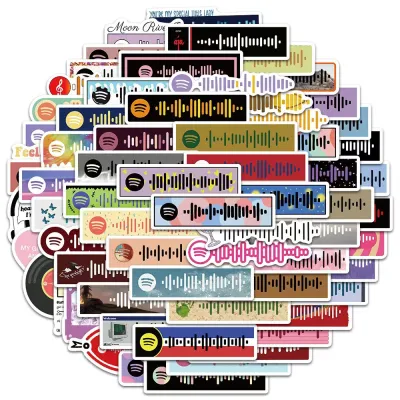
Prices are valid at publication and may change. Please refer to the product page for the latest price.
Vintage audio aesthetics are incredibly popular in the journaling community. Stickers featuring retro boomboxes, classic guitar amplifiers, and wooden cabinet speakers bring a warm, nostalgic feel to your pages. These designs often showcase rich wood-grain textures, analog dials, woven speaker grilles, and metallic accents. They pair exceptionally well with warm-toned color palettes, kraft paper inserts, sepia-toned brush pens, and vintage ephemera like faux ticket stubs or typewriter-style alphabet stamps.
On the other end of the spectrum are modern minimalist and smart speaker designs. These stickers typically feature clean lines, geometric shapes, and neutral colors like matte black, soft gray, or stark white. If your journal style leans toward contemporary minimalism, high-contrast layouts, or futuristic vaporwave themes, these sleek speaker designs are ideal. They look best when paired with vibrant gel pens, neon accent highlighters, or clean, structured grid layouts.
In addition to the era of the equipment, consider the artistic medium of the sticker itself. Cartoon, kawaii, or highly stylized illustrations offer a playful, lighthearted vibe that is perfect for casual daily logs or colorful weekly spreads. These stickers often feature cheerful faces on the speaker grilles or whimsical pastel color schemes. Conversely, realistic illustrations or technical line drawings provide a sophisticated, blueprint-like aesthetic. These are highly suited for detailed album reviews, discography trackers, or technical audio logs where a clean, mature look is desired.
Finally, pay close attention to the color palette and visual weight of the stickers. A large, solid black speaker sticker carries significant visual weight and will naturally draw the reader’s eye first. To prevent the page from looking lopsided, balance a heavy sticker with dark headers, bold hand-lettering, or a matching dark element on the opposite page. If you prefer a softer look, opt for line-art stickers or designs with muted, pastel, or watercolor washes that blend gently into the background of your page.
Evaluating Sticker Materials and Adhesives for Journal Paper
Not all stickers are created equal, especially when it comes to how they interact with different types of journal paper. Choosing the wrong material can lead to puckered pages, bleed-through, or stickers that curl up at the edges over time. Understanding the properties of common sticker materials allows you to make an informed choice for your specific notebook.

Washi paper stickers are a favorite among journal enthusiasts. Made from natural fibers, these stickers are thin, lightweight, and semi-translucent. They blend almost seamlessly into the page, mimicking the look of a design printed directly onto the paper. Washi stickers are highly forgiving; they can usually be peeled off and repositioned without tearing the underlying page. However, because they are translucent, dark ink or grid lines underneath them will show through, which is an important consideration if you plan to layer them over other elements.
PET (polyethylene terephthalate) stickers are clear, plastic-based stickers that offer excellent durability and a completely transparent background. They are perfect for layering because only the printed design remains visible, allowing the texture or color of the paper underneath to show through without any white borders. PET stickers are highly resistant to tearing and moisture, making them incredibly durable. However, because they are plastic, you cannot easily write over them with standard water-based gel pens or fountain pens, as the ink will bead up and smudge.
PVC and vinyl stickers are thicker, completely opaque, and highly durable. They feature vibrant color reproduction and are often waterproof. While these are excellent for decorating the outside covers of your journals, they can pose challenges inside a notebook. Their thickness adds physical bulk to your journal, which can make the pages bumpy and difficult to write on as you progress through the book. Additionally, on thin journal paper (such as 52 GSM to 80 GSM paper), heavy vinyl stickers can cause the page to sag or buckle under the weight.
Adhesive quality is another critical factor, particularly in the tropical climate of the Philippines. High humidity can cause low-quality adhesives to degrade, turning sticky and gooey, or conversely, losing their grip entirely and causing the edges of the stickers to lift. To prevent this, look for stickers with high-quality, pressure-sensitive acrylic adhesives.
Before committing a sticker to a prominent page in your journal, perform a quick compatibility check. Apply a small, scrap piece of the sticker material to an inconspicuous back page of your notebook. Leave it for twenty-four hours to observe how the adhesive reacts with your paper. Check if the paper buckles, if the adhesive seeps through to the reverse side of the page (ghosting), or if the sticker edges begin to curl upward. This simple test can save you from ruining a carefully planned layout.
Sourcing Speaker Stickers from Local and Online Shops
Finding the perfect speaker box stickers requires knowing where to look, both in physical retail spaces and on digital platforms. In the Philippines, there is a thriving community of journalers and artists, which has made sourcing unique stationery designs easier than ever.
If you prefer to shop in person, specialty stationery shops, craft supply stores, and independent art boutiques in major metropolitan areas are excellent starting points. These physical stores often curate selection boxes, sticker sheets, and washi tapes from local independent artists and popular international stationery brands. Shopping in person allows you to physically touch the sticker sheets, assess the thickness of the material, and verify the true colors under natural light before making a purchase.
For a wider variety of niche designs, online marketplaces and e-commerce platforms offer an extensive selection. To find speaker-themed stickers, use highly specific search terms. Instead of searching for generic “music stickers,” try terms like “retro speaker sticker,” “vintage audio washi tape,” “boombox sticker sheet,” or “amplifier journal stickers.” This will help filter out irrelevant results and lead you directly to specialized designs.
When shopping on online marketplaces, it is crucial to verify the quality of the items before adding them to your cart. Always read customer reviews, paying close attention to uploaded photos from buyers. These real-life images provide a much better representation of the sticker’s color accuracy, print sharpness, and material finish than digital product mockups. Check the seller’s rating and read the product description carefully to confirm the exact material (such as PET, matte paper, or vinyl) and the sheet dimensions to ensure they will fit your journal’s layout.
Another fantastic option is sourcing printable digital files from independent artist platforms. Many designers sell digital sticker sheets that you can purchase, download, and print at home. This method allows you to choose your own sticker paper—such as matte sticker paper, clear sticker sheets, or even vellum—and print them as many times as you need for your personal journal spreads. It also supports independent creators directly and eliminates shipping wait times.
Layout Strategies for Integrating Speaker Stickers
Once you have selected your speaker stickers, the next step is integrating them into your journal spreads in a way that feels balanced, creative, and functional. Rather than simply pasting a sticker in the center of a blank page, you can use various layout techniques to make the design feel like an organic part of your writing.
One of the most effective ways to use speaker stickers is to pair them with complementary music-themed elements. Create a visual narrative on your page by clustering a speaker sticker with illustrations of cassette tapes, vinyl records, retro headphones, or floating musical notes. For instance, you can place a vintage speaker sticker in the lower corner of your page and draw delicate, looping lines extending from it, scattering small musical note stickers along the lines to represent sound traveling across the spread.
Larger speaker stickers can also serve as highly functional anchors for your journal layouts. Use a prominent speaker sticker as a decorative background for your page headers, or place it at the top of a “Track of the Month” list. If you enjoy attending live concerts, you can use a speaker sticker to anchor a dedicated concert log, pasting your physical ticket stub next to the sticker and using the speaker’s clean lines to frame your written thoughts about the event. For mood trackers, you can draw a series of sound waves or volume bars next to a speaker sticker, coloring in the bars daily to represent your energy levels or overall mood.
Layering is another technique that adds depth and visual interest to your spreads without adding excessive physical bulk. Start by applying a base layer of neutral grid or lined washi tape directly onto the paper. Next, layer a semi-translucent washi or PET speaker sticker over the tape, allowing the grid pattern to peek through slightly. To complete the look, apply a background stamp—such as a faint music staff or a subtle ink splatter—behind the sticker cluster. This layering technique creates a rich, textured collage effect that makes your journal pages feel incredibly professional.
Remember to leave plenty of negative space around your sticker clusters. Leaving open, unadorned areas on your page allows your eyes to rest and prevents the layout from feeling overwhelming. By balancing bold speaker stickers with clean handwriting and quiet, empty spaces, you create a beautiful, readable journal spread that perfectly captures your musical inspirations.
Frequently Asked Questions (FAQ)
Can I use waterproof stickers on standard journal paper?
Yes, you can use waterproof stickers on standard journal paper, but there are several important factors to keep in mind regarding paper weight and flexibility. Waterproof stickers, which are typically made of thicker materials like vinyl or PVC, do not breathe or bend as easily as standard paper stickers. If your journal features thin paper (under 100 GSM), applying a large, rigid waterproof sticker can cause the page to sag, pull, or buckle when you turn the pages.
Additionally, the strong adhesives used on waterproof stickers are designed for permanent outdoor application. If you apply them to delicate journal paper, you will not be able to reposition or remove them without tearing the page fibers. To ensure a clean application, reserve heavy waterproof stickers for journals with thicker paper (120 GSM to 160 GSM) and perform a small test on a back page to check how the paper handles the weight and adhesive strength.
How do I remove sticker residue from my journal cover?
Removing sticky residue from a journal cover requires a gentle, step-by-step approach to avoid damaging the cover material. The safest method depends entirely on what your journal cover is made of. For hard, non-porous covers like plastic, smooth synthetic leather, or laminated paper, start by using a soft vinyl eraser. Gently rub the eraser over the sticky residue; the friction will ball up the adhesive, allowing you to wipe it away easily.
If the residue persists on a non-porous cover, you can apply a tiny drop of mild baby oil or olive oil to a microfiber cloth and gently rub the spot in a circular motion. Once the adhesive lifts, immediately wipe the area clean with a damp cloth and a drop of mild dish soap to remove the oil. However, if your journal cover is made of delicate materials like genuine leather, raw fabric, or uncoated paper, avoid using oils or liquids entirely, as they can cause permanent staining or discoloration. In these cases, try repeatedly pressing a piece of low-tack masking tape against the residue to lift it off, or consult the journal manufacturer for specific cleaning instructions.

Community discussion
Share your experience or ask a question. Comments are reviewed before publication.