
Selecting the right sticker books for elementary art classes in the Philippines requires balancing creative appeal, age-appropriate complexity, and material durability under tropical conditions. Telado sticker books, known for their whimsical characters and vibrant scenes, have become highly popular for hands-on school projects. When choosing these materials, educators and parents must evaluate how the sticker designs align with student motor skills, how the adhesive behaves on different paper backings, and how the sheets withstand local humidity. By focusing on practical utility and safety, these stationery items can transform standard art lessons into engaging, multi-dimensional learning experiences.
In the Philippine school system, where art classes often operate within tight schedules and limited resources, sticker-based projects offer a clean, low-mess alternative to traditional paints and liquid glues. The physical act of peeling and placing stickers supports fine motor development, spatial awareness, and hand-eye coordination in young learners. This tactile engagement bridges the gap between structured play and creative freedom, allowing students to express themselves without the frustration of complex cleanup. By integrating these versatile tools into the curriculum, teachers can foster a love for design and storytelling while keeping classroom management efficient.
Key Selection Criteria for Elementary Art Sticker Books
Elementary art curricula span a wide developmental range, meaning a single sticker style will not suit every grade level. For lower primary students (Kindergarten to Grade 3), art projects benefit from sticker books featuring large, simple shapes and bold outlines. These designs accommodate developing fine motor skills, allowing younger children to peel and place stickers without tearing the delicate edges. Themes focusing on basic shapes, animals, and everyday objects also help reinforce vocabulary and recognition. In contrast, upper primary students (Grades 4 to 6) thrive with intricate scenes, detailed character sheets, and smaller decorative elements. These older students can handle complex layouts, layering multiple stickers to build depth and narrative in their compositions.
Products mentioned in this guide
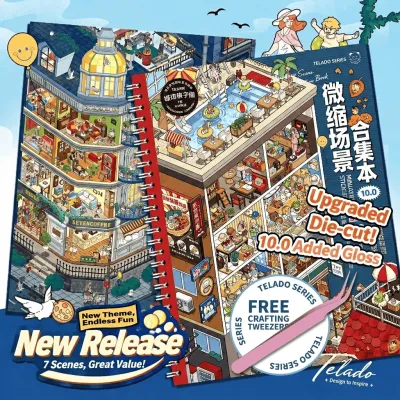
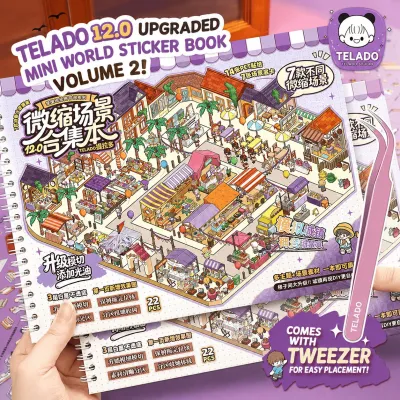
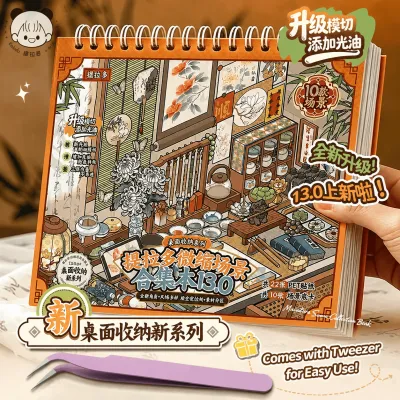
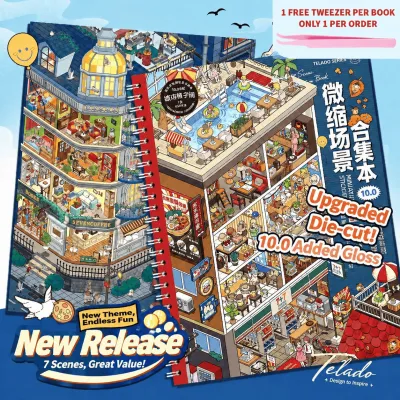
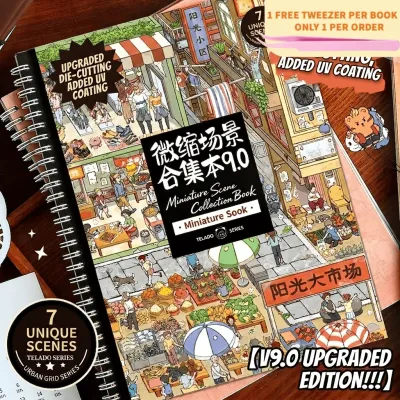
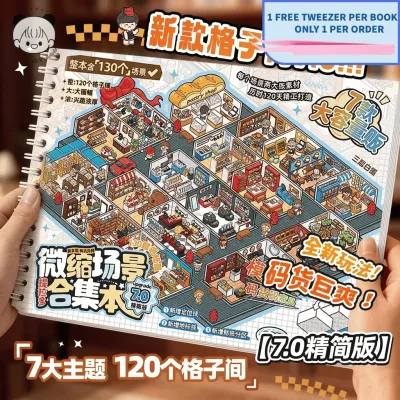
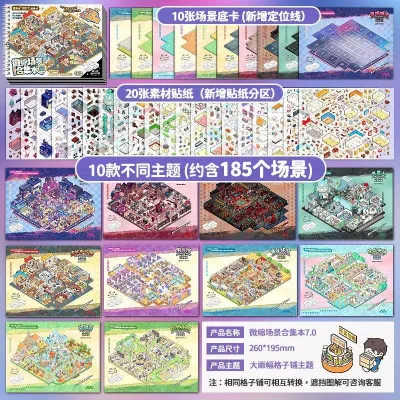
Prices are valid at publication and may change. Please refer to the product page for the latest price.
The interaction between sticker adhesive and art surfaces is critical, especially in warm, humid environments. High-quality sticker books typically feature durable backing paper that prevents individual sheets from curling or tearing during handling. When selecting books, check if the stickers are made of paper or polyvinyl chloride (PVC) materials. Paper stickers offer a classic matte finish that accepts colored pencils or markers, allowing students to customize their designs. PVC or PET stickers provide water resistance and flexibility, making them ideal for decorating three-dimensional objects like pencil cases or plastic folders. The adhesive strength must match the project surface; standard drawing paper, construction paper, and cardboard all react differently to adhesives, so verifying compatibility beforehand prevents frustration.
Safety is paramount when introducing adhesive materials to a classroom environment. Teachers must verify that sticker books carry clear non-toxic certification labels, ensuring they are safe for prolonged skin contact. For younger students, small decorative stickers present potential choking hazards, requiring close supervision or the pre-sorting of sheets to remove tiny pieces. Additionally, some adhesives emit strong chemical odors that can be irritating in poorly ventilated classrooms. Checking for unscented, acid-free options helps maintain a comfortable and safe learning space for all students. It is also wise to inspect the physical construction of the book, ensuring there are no sharp metal staples or rough edges that could cause minor injuries during enthusiastic handling.
Integrating Sticker Books into Art Class Activities
Sticker books serve as excellent resources for teaching collage techniques and mixed-media art. Instead of relying solely on traditional glue and magazine cutouts, students can combine stickers with watercolor washes, oil pastels, or colored paper cutouts. This approach teaches children how to layer different textures and sizes to create visual interest. For instance, a student might paint a background landscape using watercolors and then populate the scene with character and object stickers of varying scales. This exercise helps students understand foreground, midground, and background relationships in a composition, making abstract spatial concepts tangible and easy to grasp.

Themed sticker sets provide a practical, hands-on way to teach fundamental design principles like color theory and pattern recognition. Teachers can instruct students to group stickers by color temperature, creating warm-toned or cool-toned collages. Alternatively, students can use repetitive sticker shapes and colors to design decorative borders, repeating patterns, or symmetrical layouts. Because stickers are pre-cut and ready to apply, students can focus entirely on the spatial arrangement and color relationships without the frustration of cutting identical shapes by hand. This allows for a more concentrated study of visual balance and rhythm within the limited timeframe of a standard class period.
Beyond visual design, sticker books are powerful tools for narrative art and spatial planning. By selecting a themed book—such as a bustling town, a quiet garden, or a fantasy landscape—students can plan and execute a visual story. This activity encourages them to think critically about placement, scale, and interaction between characters. Students must decide where to place larger focal points and how to use smaller accent stickers to guide the viewer’s eye through the scene. Once the visual composition is complete, teachers can extend the lesson by asking students to write a short paragraph describing the characters and the action taking place, seamlessly linking art with language arts.
How to Evaluate and Purchase Telado Sticker Books
Before purchasing Telado sticker books or similar brands, it is essential to verify the physical specifications listed by the manufacturer or seller. Pay close attention to the total page count, the number of individual stickers included, and whether the pages are pre-cut (die-cut) or require manual cutting. For elementary art classes, pre-cut sticker sheets are highly recommended to avoid the need for precision scissors, which can be challenging and unsafe for younger students. Additionally, check the binding of the book; spiral-bound books lay flat easily, while glue-bound books allow teachers to tear out individual sheets to distribute evenly among students, ensuring everyone has access to the materials.
Online marketplaces and stationery forums offer valuable real-world feedback on sticker performance. When reading reviews, look for comments regarding adhesive residue, paper tearing, and print quality. In the tropical climate of the Philippines, some adhesives can become overly sticky or melt slightly, leaving a greasy residue on the pages or making them difficult to peel. Conversely, poor-quality adhesives may dry out, causing stickers to curl and fall off the artwork after a few days. Reviews that mention crisp printing, accurate die-cutting, and easy peeling are strong indicators of a reliable product that will perform well under classroom conditions.
Managing a school art budget requires careful cost-per-student calculations. When purchasing sticker books for an entire classroom, bulk options or multi-pack sets are generally more economical than buying individual kits. For example, a single sticker book might cost around ₱80 to ₱150, but purchasing a wholesale pack of ten or twenty books can significantly reduce the unit price. To estimate the cost per student, divide the total price of the bulk set by the number of students, ensuring that each child receives an equal number of sheets. Sourcing these materials from local wholesale stationery hubs or verified online distributors in the Philippines can help secure bulk discounts, allowing educators to plan projects that fit within typical school resource limits.
Frequently Asked Questions (FAQ)
Are repositionable stickers better for elementary art projects?
Repositionable stickers offer distinct advantages during the drafting and learning phases of an art project. They allow students to experiment with placement, lift the sticker to adjust the composition, and correct alignment errors without tearing the background paper. However, for final displays or projects intended to be kept long-term, permanent adhesives are often more reliable, as repositionable stickers may lose their tackiness over time. To find the right balance, students can perform a simple test by applying a sample sticker to a scrap piece of the project paper, waiting a few minutes, and observing how easily it peels off or if it lifts the paper fibers. If a repositionable sticker eventually loses its grip, a tiny dab of school glue can secure it permanently.
How should sticker books be stored to prevent pages from sticking together?
In the warm and highly humid climate of the Philippines, proper storage is vital to preserve the adhesive quality of sticker books. Store the books flat in a cool, dry place, away from direct sunlight, which can degrade the adhesive and fade the printed colors. Avoid stacking heavy items on top of the books, as the constant pressure combined with humidity can cause the adhesive to bleed past the sticker edges, fusing the pages together. Always check the manufacturer’s guidelines for any specific temperature limits, and consider keeping the books in resealable plastic organizers or airtight containers with silica gel packets to absorb excess moisture. Keeping the storage area clean and dust-free also prevents airborne particles from settling on exposed adhesive edges, ensuring the stickers remain clean and usable.

Community discussion
Share your experience or ask a question. Comments are reviewed before publication.