
Selecting the perfect happy birthday envelope depends entirely on what you plan to place inside. While a greeting card requires physical protection to prevent bent corners and creased cardstock, a cash gift demands absolute opacity, security, and a snug fit to keep bills from slipping out. Using the wrong envelope can result in a damaged card or lost monetary gifts.
A greeting card is rigid and often features delicate embellishments that need a structural shield. The envelope acts as a physical barrier, guarding the card’s edges from scuffs and keeping the design pristine during hand-delivery or transit. Without adequate clearance, forcing a card into a tight sleeve can cause the cardstock to bow or crush 3D elements like ribbons and pop-ups.
In contrast, cash gifts consist of flexible, lightweight banknotes that require containment and privacy. Placing loose bills in a standard card envelope creates a risk of the money sliding around, falling out of unsealed corners, or being easily felt from the outside. A secure cash envelope must keep the bills flat, concealed, and anchored in place.
Products mentioned in this guide
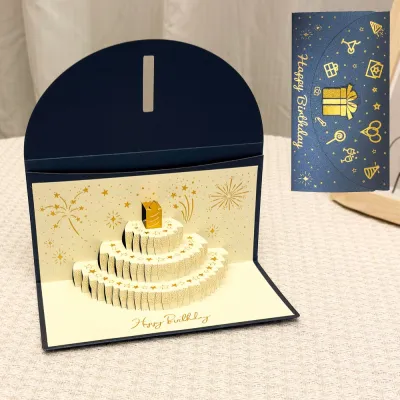
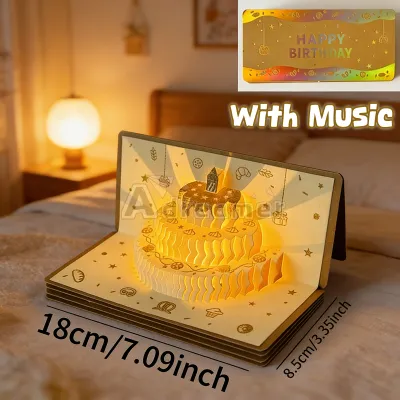
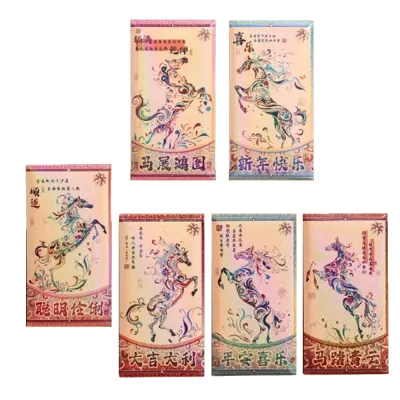
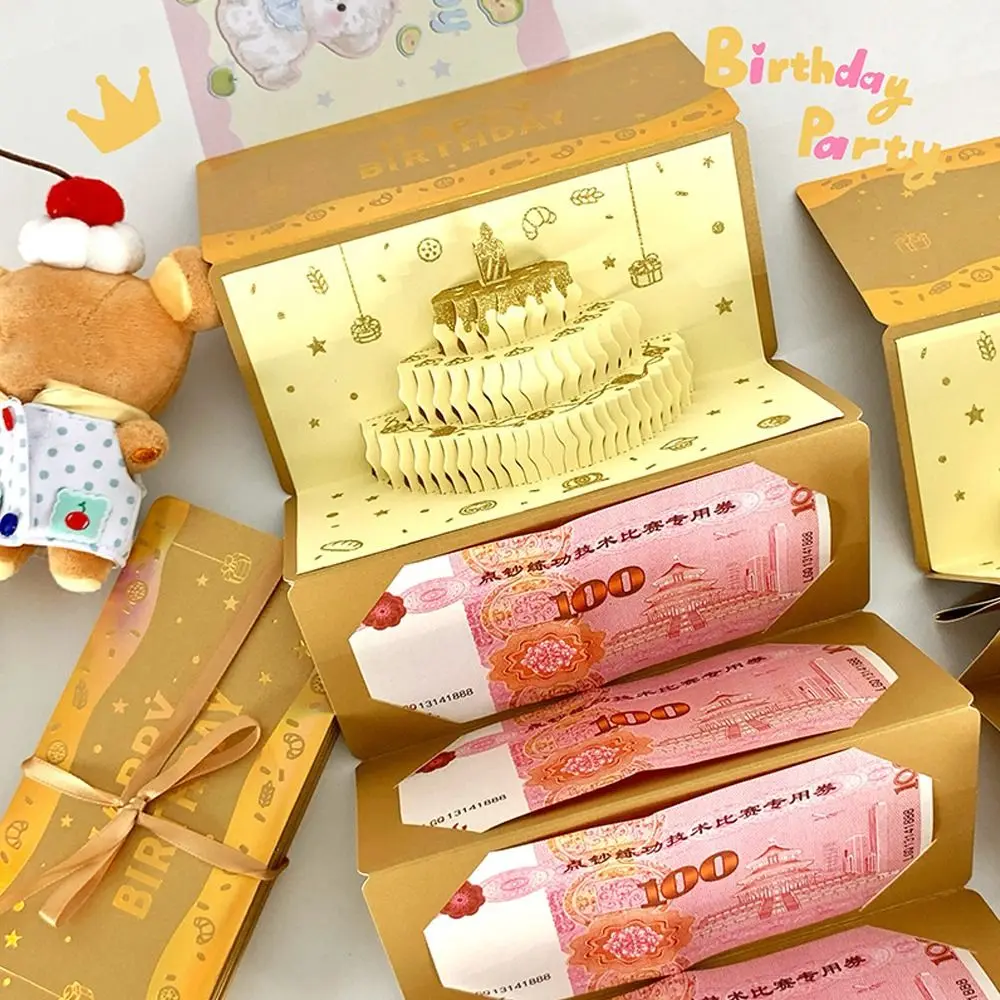
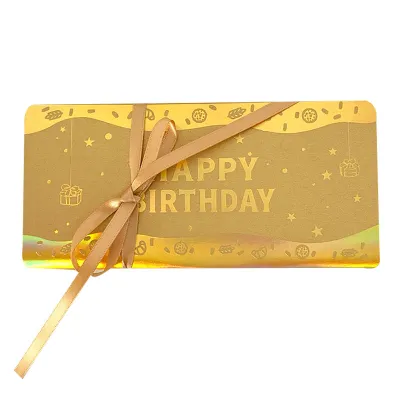
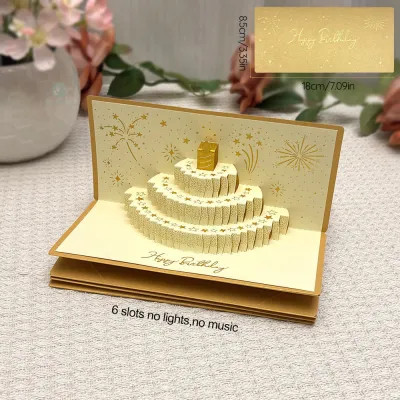
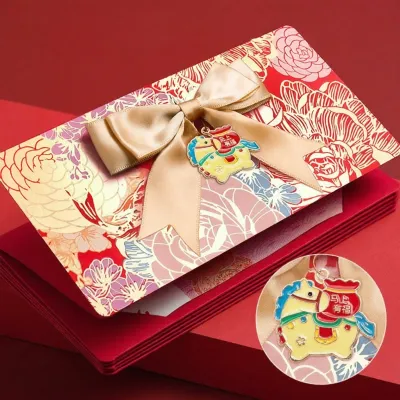
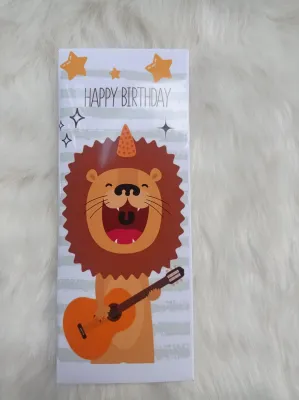
Prices are valid at publication and may change. Please refer to the product page for the latest price.
In the Philippines, warm and humid conditions mean paper is exposed to moisture, condensation from cold drinks, and frequent hand-to-hand passing. This tropical context makes choosing durable, moisture-resistant paper weights and reliable adhesives highly critical.
To make the correct choice, you must evaluate physical measurements, paper weight, opacity, and specialized internal designs. Understanding these factors ensures your birthday greetings and monetary gifts are presented beautifully and arrive secure.
Why a Happy Birthday Envelope Requires Specific Features for Cards vs. Cash
The physical differences between a rigid card and flexible banknotes dictate the structural design of their respective enclosures. A greeting card envelope must prioritize outer dimensions and corner protection. It serves as a frame that matches the card’s exact scale, ensuring the card does not shift excessively while remaining easy to insert and remove.
For cash gifts, the primary concerns are security, opacity, and snug containment. Because banknotes are thin and pliable, they can easily slip through small gaps in standard envelope side seams if the adhesive seal fails. Furthermore, the high value of the contents means the envelope must prevent any visual or tactile hints of the money inside.
Choosing a single, generic envelope style for both purposes often leads to presentation failures. A flimsy envelope might tear under a heavy card, while an oversized card envelope allows loose cash to slide around and potentially fall out. Matching the envelope’s features to its contents is essential.
How to Choose an Envelope for Standard Greeting Cards
A well-fitted envelope elevates the recipient’s opening experience and ensures the card arrives in pristine condition. Selecting the right option involves balancing precise measurements with durable paper materials that can withstand handling.

Sizing and Fit Guidelines
To find the perfect fit, always measure the greeting card when it is folded, not unfolded. The envelope must provide just enough clearance to let the card slide in and out smoothly without catching on the edges. Forcing a card into an envelope that is too tight will inevitably cause the cardstock to buckle or bow.
A reliable rule of thumb is to select an envelope that is 1/8 to 1/4 inch (about 3mm to 6mm) larger than the card on all sides. This small buffer prevents the card from sticking to the inner seams while keeping it snugly positioned. This clearance also protects the corners from absorbing the impact if the envelope is dropped.
For standard greeting cards, specific envelope sizes correspond to common card dimensions:
- A2 Envelopes: Measuring 4.375 x 5.75 inches, these are the standard match for 4.25 x 5.5 inch cards.
- A6 Envelopes: Measuring 4.75 x 6.5 inches, designed for 4.625 x 6.25 inch cards.
- A7 Envelopes: Measuring 5.25 x 7.25 inches, these perfectly fit classic 5 x 7 inch greeting cards.
- A8 Envelopes: Measuring 5.5 x 8.125 inches, ideal for larger 5.25 x 7.75 inch cards.
If your birthday card features heavy embellishments like ribbons, pop-up elements, or layered cardstock, it will be significantly thicker. In these cases, step up to the next envelope size. This extra space accommodates the physical depth without flattening or crushing the designs.
Paper Weight and Material Durability
Envelope durability is largely determined by paper weight, which is measured in grams per square meter (GSM) or text weight pounds. Standard office envelopes are typically a thin 75 to 80 GSM (approx. 20lb text), which easily tears under the weight of heavy cardstock and offers little structural protection.
For a premium greeting card, choose envelopes made from 100 to 120 GSM (roughly 70lb to 80lb text) paper. This thickness feels substantial in the hand, resists tearing at the seams, and provides a rigid barrier that keeps the card inside flat and protected.
Excellent material options include cotton paper, heavy kraft paper, and textured laid paper. Cotton fibers offer a soft feel and superior strength, while kraft paper provides a rustic, durable option. Textured laid paper adds an elegant, classic finish that enhances the tactile experience.
In the humid climate of the Philippines, thin paper can quickly absorb environmental moisture and lose its stiffness. Opting for a higher GSM or a cotton-blend paper helps the envelope retain its structural integrity. Additionally, look for acid-free paper to prevent yellowing over time.
Best Envelope Features for Cash and Monetary Gifts
Gifting cash is a practical and highly appreciated gesture, but presenting bills in a flimsy, transparent envelope can compromise security and diminish the thoughtfulness of the gift. The right cash envelope combines visual privacy with specialized structural features to keep the money secure.
Opacity and Security Considerations
When gifting high-value banknotes like ₱500 or ₱1,000 bills, the envelope must be completely opaque. Holding the envelope up to ambient light should not reveal the denomination, the serial numbers, or even the distinct silhouette of cash inside. Visual privacy is the first line of defense for secure gift-giving.
To ensure absolute privacy, look for envelopes featuring patterned security tints printed on the interior surface, or those constructed with double-layered paper. These designs distort the light passing through the paper, making it impossible to read or identify the contents from the outside.
Darker paper colors, such as deep navy, forest green, or rich burgundy, naturally block light much better than white or pastel shades. Additionally, selecting a paper weight of at least 120 GSM prevents the distinct, crisp texture of banknotes from being detected by touch.
Internal Holders and Specialized Designs
Standard side-opening envelopes are risky for loose bills because cash can easily slip out of the side seams if the adhesive seal is imperfect or if the recipient opens the flap carelessly. Specialized money holder envelopes solve this issue by securing the bills internally.
Many dedicated cash envelopes feature built-in card slots or interior pockets that hold the banknotes securely in place. Some designs include a central paper band or a money clip mechanism that keeps the folded bills flat against the interior back panel, preventing them from shifting or sliding toward the edges.
For a more engaging presentation, consider interactive folding styles or origami-style puzzle envelopes. These designs require the recipient to unfold several interlocking paper flaps to reach the cash in the center. This interactive element turns the act of opening the gift into a fun, memorable experience.
While traditional red envelopes (ang pao) are commonly used for specific cultural celebrations, modern stationery brands offer similar vertical, top-loading pocket envelopes in contemporary birthday patterns. These provide the same secure, compact structure but feature festive colors and elegant floral motifs.
Combining Both: How to Safely Package a Card and Cash Together
Combining a heartfelt written card with a cash gift is a wonderful way to celebrate a birthday, but placing loose bills directly inside a greeting card envelope can lead to cash falling out unnoticed when the card is pulled out. Fortunately, you can safely package both items together with a few practical techniques.
A highly secure method is to use nested envelopes. Place the cash inside a smaller, dedicated money envelope first, then tuck this small inner envelope inside the larger greeting card envelope, placing it behind the card. This keeps the cash flat, protected, and completely separate from the card itself.
Alternatively, you can use a decorative paper band (often called a belly band) wrapped around the inside fold of the greeting card. Slide the banknotes under this band to keep them secure and neatly presented when the recipient opens the card. This method ensures the cash is immediately visible as part of the card’s interior presentation.
Some specialty stationery sets feature dual-compartment envelopes. These are designed with a large main pocket for the greeting card and a separate, smaller attached sleeve for cash or a gift card. This keeps both items organized in one neat package.
When combining items, always monitor the overall thickness. A bulging envelope puts immense pressure on the seams and the adhesive seal, increasing the risk of bursting. If the package feels too thick, upgrade to a slightly larger outer envelope to ensure it seals flat.
Styling and Calligraphy Tips for a Personal Touch
Taking the time to hand-letter the recipient’s name on the envelope turns a simple container into a cherished keepsake, showing the recipient that their birthday is truly special. Achieving a professional, elegant look requires matching the right writing tools to your envelope’s paper characteristics.
When practicing calligraphy, ink choice and paper compatibility are crucial. Smoothness, bleed resistance, drying speed, and water resistance depend entirely on the exact combination of envelope paper and pen ink. In the humid climate of the Philippines, water-soluble inks can easily smudge from hand perspiration or moisture. Use water-resistant pigment inks, acrylic-based calligraphy markers, or archival gel pens to ensure the lettering remains crisp and legible.
Before writing on the actual envelope, perform a trial run on a scrap piece of the same paper weight. Use this test to verify drying speed and check for feathering, where ink spreads along paper fibers, as well as bleed-through. If ink feathers, switch to a drier pen or less porous paper.
For dark-colored envelopes, use high-contrast metallic paint pens in gold, silver, or bronze, or a highly opaque white ink. Modern brush lettering or simplified faux calligraphy works beautifully to create an elegant, hand-crafted look. Ensure the ink is completely dry before handling or sealing the envelope to prevent smudging.
The final step is securing the envelope. While peel-and-seal strips are the most reliable option in humid weather, you can add a decorative wax seal or a custom sticker. If using a wax seal, opt for flexible wax formulas that will not crack during handling.
Frequently Asked Questions (FAQ)
What is the standard envelope size for a 5×7 birthday card?
An A7 envelope is the standard match for a 5×7 inch greeting card. The typical dimensions of an A7 envelope are 5.25 x 7.25 inches (approximately 133 x 184 mm), providing a perfect 1/4-inch clearance on all sides. Always measure your card first, as handmade cards with thick embellishments may require stepping up to an A8 envelope to prevent crushing.
How do I keep cash from sliding around inside a large envelope?
To secure banknotes inside a larger envelope, place the cash inside a smaller, brightly colored inner envelope first. Alternatively, you can use a decorative paperclip, a custom paper band, or a tiny piece of low-tack, removable double-sided tape on the back of the bills to anchor them to a stiff backing card, ensuring they stay centered and secure.

Community discussion
Share your experience or ask a question. Comments are reviewed before publication.