
Selecting the right watercolor books for elementary art classes in the Philippines requires a careful balance of paper durability, classroom practicality, and budget. For young students, a watercolor book featuring cold-pressed paper with a minimum weight of 200 to 300 GSM (grams per square meter) is ideal to prevent warping and tearing under heavy water washes. The book should also feature a flat-laying binding style, such as spiral or wire-o, to fit comfortably on compact school desks, and carry certified non-toxic labels like the AP or CE mark to ensure student safety. By focusing on these core specifications, educators and parents can provide young artists with a reliable surface that supports their creative development without causing frustration.
In the tropical climate of the Philippines, high humidity can significantly affect how paper behaves and stores. Humid air softens paper fibers and can slow down drying times, making low-quality sheets even more prone to buckling and pilling. Choosing the correct paper specifications and understanding how to verify product quality before purchasing ensures that classroom art projects run smoothly and student artwork remains preserved over time.
Essential Paper Specifications for Young Artists
Paper weight, measured in GSM, is the most critical factor determining how well a watercolor book handles wet mediums. When water is applied to paper, the cellulose fibers expand; if the paper is too thin, this expansion occurs unevenly, resulting in severe buckling and pooling of paint. For elementary art classes where students primarily practice basic washes and dry brush techniques, a minimum weight of 200 GSM is necessary. For lessons that involve advanced wet-on-wet techniques, where the paper is flooded with water before pigment is applied, a heavier 300 GSM paper is highly recommended to maintain structural integrity.
Products mentioned in this guide
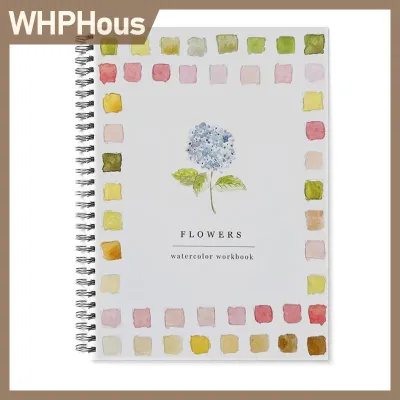
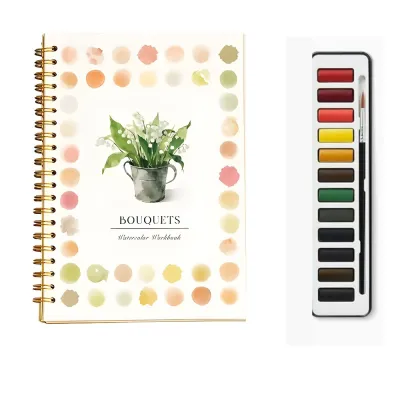
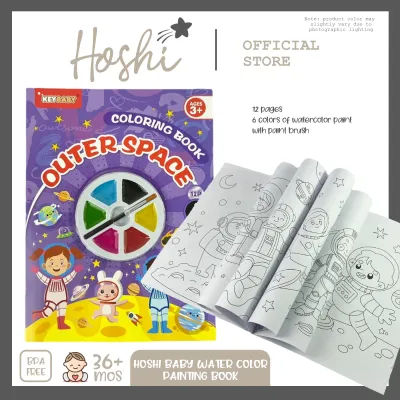
Prices are valid at publication and may change. Please refer to the product page for the latest price.
The texture of the paper, determined by the manufacturing process, also plays a vital role in a child’s painting experience. Cold-pressed watercolor paper features a textured, slightly bumpy surface known as “tooth,” which naturally slows down the flow of water and helps hold pigment in place. This texture is highly forgiving for elementary students who are still developing brush control and hand-eye coordination. In contrast, hot-pressed paper is completely smooth; while excellent for detailed pen-and-ink work, it allows water to pool unpredictably, making it difficult for young beginners to manage.
Beyond weight and texture, educators should inspect product labels for sizing and acid-free declarations. Sizing is a starch or gelatin treatment applied to the paper fibers during manufacturing to control absorbency. Without proper sizing, watercolor paper acts like blotting paper, instantly soaking up moisture and leaving colors looking dull and flat. Furthermore, choosing acid-free or pH-neutral paper ensures that the artwork will not yellow, fade, or become brittle over time, allowing parents to preserve their children’s school creations for years to come.
Choosing the Right Size and Binding for Classroom Desks
Classroom desk space in Philippine elementary schools is often limited, especially when students work on individual armchairs with integrated writing tablets or shared group tables. Large art pads, such as 12×18 inches, are highly impractical because they leave little room for water cups, paint palettes, and brushes, increasing the risk of accidental spills. Medium formats like A4 (approximately 8.3 x 11.7 inches) or 8×10 inches offer a generous painting surface while fitting comfortably within a student’s designated workspace. For younger children in grades 1 to 3, smaller A5 pads are often even more manageable and easier to carry in school backpacks.

The binding style of a watercolor book directly impacts its usability and durability in a busy classroom. Spiral or wire-o binding is exceptionally practical because it allows the book to fold completely back on itself, saving valuable desk space and keeping the active page perfectly flat. Glued or tape-bound pads keep pages secure during transport, but they can be difficult for young children to keep open without holding the edges down. If using a glued pad, students must typically wait for their painting to dry completely before removing the page, or risk tearing the damp paper.
Perforated pages are an invaluable feature for elementary art teachers. Watercolor books with clean micro-perforations allow students to easily detach their finished paintings for grading, drying on communal racks, or displaying on classroom bulletin boards. Tearing non-perforated pages out of a spiral-bound book often results in messy, shredded edges that look untidy and can accidentally rip into the student’s artwork. When selecting books, verifying the presence of clean perforation lines can save significant preparation and cleanup time during lessons.
Verifying Safety and Non-Toxic Certifications
Safety is the primary concern when selecting art supplies for elementary school children, who frequently touch their faces, wipe their eyes, or accidentally get paint on their skin during creative activities. Watercolor books, including any printed covers or instructional pages, must be entirely non-toxic and safe for prolonged skin contact. Educators should look for recognized safety seals directly on the product packaging, such as the AP (Approved Product) seal from the Art and Creative Materials Institute (ACMI) or the CE mark, which indicate compliance with strict international safety standards.
In addition to non-toxic certifications, it is important to check for odorless and acid-free material declarations. Some low-quality, budget-friendly paper products utilize harsh chemical bleaching agents during manufacturing that can emit unpleasant chemical odors when wet. In warm, poorly ventilated tropical classrooms, these fumes can cause discomfort or trigger mild respiratory sensitivities in young students. Opting for high-quality, elemental chlorine-free (ECF) or totally chlorine-free (TCF) paper helps ensure a comfortable and safe learning environment.
If a retail listing or product cover lacks clear safety markings, buyers should not assume the product is safe for young children. Educators and school administrators should consult the manufacturer’s official product labels or request a Safety Data Sheet (SDS) from the local distributor before approving a bulk purchase. Verifying these safety credentials beforehand prevents exposure to low-grade industrial papers that may contain harmful chemical residues or irritants.
Building a Classroom Budget and Sourcing Strategy
Managing a school art budget in ₱ requires finding a balance between cost per page and paper performance. While professional-grade watercolor books are too expensive for bulk classroom use, extremely cheap drawing pads often use thin, non-absorbent paper that ruins the painting experience and discourages students. A practical budgeting strategy is to calculate the cost per sheet rather than the total book price. For example, a student-grade watercolor book containing 15 sheets of 200 GSM paper offers a much better educational value than a cheaper 50-sheet sketchpad that cannot handle wet media.
When sourcing watercolor books in the Philippines, verifying stock availability and product authenticity is essential to avoid counterfeit goods. Low-quality imitations often use standard cardstock labeled as watercolor paper, which will pill, tear, and warp immediately upon contact with water. To ensure authenticity, purchase directly from reputable local brick-and-mortar stationery stores or authorized distributors on online marketplaces. Reading customer reviews and checking for official brand packaging seals can help verify that the paper meets the required specifications before committing to a purchase.
To maximize the school budget, educators should explore bulk-pack options, institutional accounts, or school discount programs offered by major local office and school supply distributors. Purchasing watercolor books in bulk quantities for an entire grade level or school term often unlocks significant wholesale discounts, reducing the unit cost per student. Additionally, planning purchases well in advance of the school year ensures that sufficient stock is secured and delivered before classroom activities begin.
Frequently Asked Questions (FAQ)
How can I prevent watercolor paper from buckling during class?
To prevent watercolor paper from buckling, teach students to tape the edges of their paper down to a rigid board, such as a piece of thick cardboard or a plastic clipboard, using low-tack masking tape before they begin painting. The tape keeps the paper under tension as it wet-stretches and dries, resulting in a perfectly flat finished painting with clean, professional white borders once the tape is gently peeled away. Additionally, using heavier paper of at least 200 to 300 GSM and instructing students to use controlled, lighter water washes rather than soaking the page will significantly reduce warping in the classroom.
Are mixed-media pads a good alternative to dedicated watercolor books?
Mixed-media pads can be a suitable, cost-effective alternative for general art classes that combine multiple mediums, such as colored pencils, markers, and light watercolor washes, on a single page. However, mixed-media paper is generally thinner and has less surface sizing than dedicated watercolor paper, meaning it cannot withstand heavy water applications or advanced wet-on-wet blending techniques without pilling or tearing. For art curricula that focus specifically on traditional watercolor techniques and color blending, dedicated watercolor books are highly recommended to ensure the paper fibers do not break down during use.

Community discussion
Share your experience or ask a question. Comments are reviewed before publication.