
Quick Answer: Matching Card Styles to Your Cash Presentation
A successful money birthday surprise relies on matching the card’s physical structure to how you want to present the cash. Pocket cards are best for keeping flat bills secure, accordion or multi-fold cards work best for a cascading pull-out surprise, and dimensional box cards are ideal for rolled bills or heavier coins.
When planning your presentation, you must balance the physical weight of the money with the card’s structural integrity. Standard banknotes are lightweight but add bulk when folded or layered, while coins require rigid cardstock to prevent sagging. Choosing a card with the right format and paper weight ensures your gift looks intentional, elegant, and secure.
Card Formats That Securely Hold Cash
Evaluating the physical structure of a greeting card is the first step to ensuring your cash gift stays hidden and secure until the recipient opens it. Pocket and envelope-style cards feature a dedicated sleeve or pocket built directly into the inner panel. This design is highly effective for holding flat bills securely, preventing the cash from accidentally slipping out of the sides when the card is pulled from its envelope.
Products mentioned in this guide
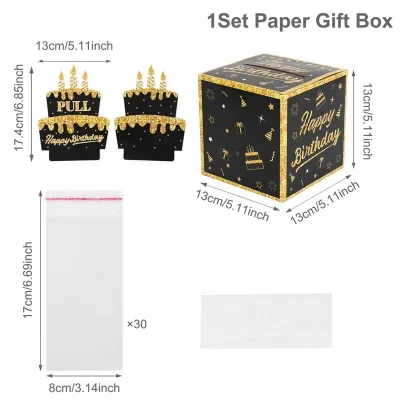
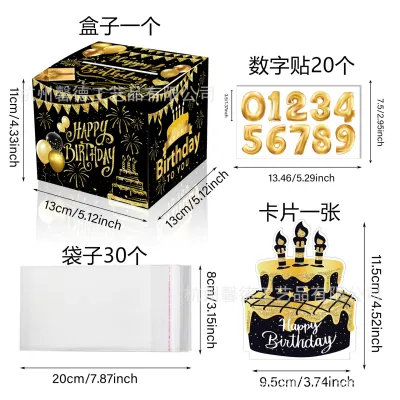
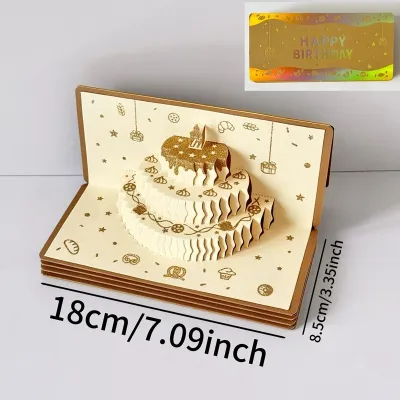
Prices are valid at publication and may change. Please refer to the product page for the latest price.

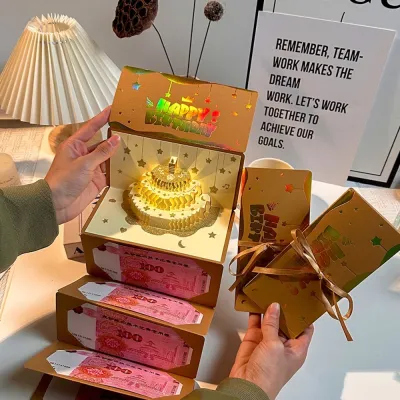
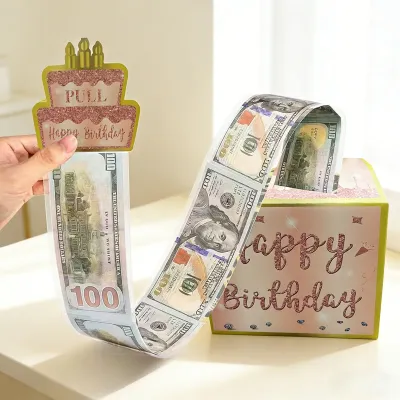
Multi-panel and accordion-fold cards offer a dynamic, interactive experience. These formats allow you to spread out multiple bills across several panels or link them together to create a continuous pull-out chain. As the recipient unfolds the card, the cash reveals itself in a playful, cascading sequence that adds a sense of drama to the birthday surprise.
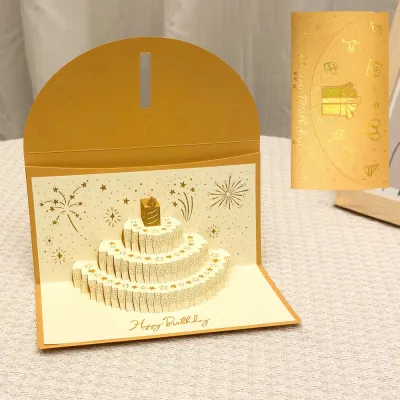
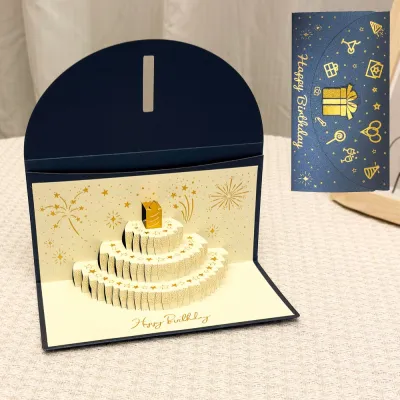
For heavier or bulkier presentations, box cards or dimensional 3D cards are the most reliable choice. These structures fold flat for transit but pop up into a rigid, three-dimensional shape when opened. They provide the necessary depth and support for rolled bills tied with delicate ribbons, or even commemorative coins, without compromising the card’s shape.
Creative Ways to Present Money Inside the Card
Transforming standard cash into an engaging visual surprise elevates the entire gifting experience. Origami folding techniques allow you to shape banknotes into creative designs like hearts, butterflies, or miniature shirts. When folding currency, make gentle, clean creases rather than sharp, aggressive folds to ensure you do not tear or permanently damage the security fibers of the bills.
Using interactive elements like card slots or pull-tabs keeps the recipient engaged. You can cut precise diagonal slits into the cardstock to hold the corners of a flat bill in place. Alternatively, attaching a small paper tab to a chain of bills tucked inside a hidden pocket allows the recipient to pull out a continuous stream of cash, turning the gift into an active reveal.
Preserving the quality of the banknotes is essential when securing them to the card. Avoid using standard household tape, liquid school glue, or staples, as these will tear the paper currency or leave a sticky residue. Instead, opt for low-tack, acid-free removable glue dots or thin paper bands that hold the bills firmly in place but peel away easily without leaving a trace.
Choosing the Right Paper Weight and Card Size
To support the added weight and bulk of cash, you must pay close attention to the material specifications of the greeting card. Standard printer paper or thin cardstock will sag, warp, or tear under the weight of multiple bills. Look for cards made from heavyweight cardstock, ideally between 250 GSM and 300 GSM, which provides a premium feel and excellent structural integrity.
In tropical climates where high humidity is common, paper naturally absorbs moisture from the air and loses its stiffness. Heavyweight, coated, or textured cardstock resists this environmental warping much better than uncoated, lightweight papers. This ensures your card remains crisp and professional, even if it sits on a gift table for several hours during a warm afternoon celebration.
Your card dimensions must also comfortably accommodate the currency without requiring excessive folding. Philippine banknotes measure approximately 160 mm by 66 mm. To present these bills completely flat, select a card and envelope that are at least 170 mm wide, such as a standard 5×7 inch (approximately 178 mm x 127 mm) format. This leaves a clean border around the cash and prevents the edges from getting crumpled.
Finally, check the envelope size and seal strength to match the thicker profile of a card containing cash. A stuffed card will bulge slightly, so choose an envelope with a tiny bit of extra wiggle room. Because humidity can weaken standard envelope gum, reinforce the closure with a decorative sticker, double-sided tape, or a classic wax seal to keep the contents completely private.
Elevating the Gift with Handwritten Calligraphy
Personalized handwriting adds immense emotional value to a monetary gift, transforming a simple cash present into a thoughtful keepsake. When writing your message, selecting the right pen is crucial. Water-resistant pigment ink pens, archival gel pens, or high-quality brush markers are ideal for writing on heavy cardstock because they offer rich color and clean lines.
Because bleed resistance and drying speed depend entirely on the specific combination of your pen’s ink and the cardstock’s texture, always perform a quick trial on a scrap piece of the same paper. Write a few test strokes and wait a minute to verify that the ink dries completely without smudging or soaking through to the other side. Avoid alcohol-based markers, as they are highly prone to bleeding through cardstock and can transfer ink onto the cash inside.
Plan your layout carefully before putting pen to paper. Lightly sketch your design with a pencil to ensure your handwritten calligraphy frames the money beautifully rather than being hidden underneath it. Leave dedicated negative space for your written message, and use a bold, elegant script for the recipient’s name or a short birthday quote to create a visually balanced presentation.
Assembly and Delivery Checklist
Before handing over your money birthday surprise, run through a quick assembly check to ensure everything is secure. Test the card’s closure mechanism to make sure it stays shut under the tension of the folded cash. If the card feels slightly thick or springy, wrapping a paper belly band or a satin ribbon around the outside will keep it neatly closed.
If you are hand-delivering the card in a humid or rainy environment, slip the completed card into a clear cellophane sleeve. This simple step protects your handwritten calligraphy from moisture, sweat, or accidental spills during transit. It also keeps the cardstock looking pristine and freshly made.
When it comes to delivery, hand-delivering the card directly to the celebrant is always the safest and most personal option. If you must send the gift via a local courier service, do not use a standard paper envelope, which can easily tear or reveal the shape of the cash inside. Instead, place the card inside a discreet, padded bubble mailer to ensure it arrives safely and securely.
Frequently Asked Questions (FAQ)
Is it appropriate to give cash instead of a physical gift for a birthday?
Yes, giving cash is highly practical and widely appreciated, especially for milestones like 18th or 21st birthdays, or when the celebrant is saving up for a specific goal. Presenting the money inside a beautifully crafted card with personalized calligraphy shows that you put genuine thought and effort into the presentation, transforming a simple monetary gift into a memorable and respectful gesture.
How can I prevent the cash from falling out of the card before it is opened?
To keep bills secure without damaging them, use low-tack removable glue dots, paper bands, or pre-cut corner slits in the cardstock. Avoid using standard household tape, liquid glue, or staples, as these can easily tear the banknotes or leave a sticky residue that makes them difficult to spend.

Community discussion
Share your experience or ask a question. Comments are reviewed before publication.