
Selecting the right 3D birthday money envelope requires a careful balance of structural durability, age-appropriate aesthetics, and functional capacity. While a standard flat envelope merely holds currency, a three-dimensional design serves as both a vessel for your gift and a memorable keepsake. To make the right choice, you must evaluate how the envelope’s physical mechanisms, paper weight, and visual themes align with the recipient’s life stage, while also considering practical factors like local climate conditions and currency dimensions.
In tropical regions like the Philippines, high humidity can affect paper tension and adhesive stability. This makes the choice of materials and construction quality even more critical. Whether you are gifting crisp Philippine Peso banknotes for a child’s first birthday or a sophisticated monetary gift for a grand elder’s milestone, selecting the appropriate 3D structure ensures your gesture is received with joy and remains intact throughout the celebration.
Understanding 3D Envelope Structures and Material Safety
To select the right envelope, it is essential to understand the different types of 3D paper engineering available on the market. The most common styles include pop-up mechanisms, layered die-cut designs, and envelopes with attached 3D embellishments. Pop-up envelopes feature internal structures that unfold into a three-dimensional scene when opened, creating an immediate sense of surprise. Layered die-cut designs stack multiple sheets of paper on top of one another using foam spacers to create depth and shadow without moving parts. Attached embellishments utilize external elements like ribbon bows, wooden cutouts, or plastic gems glued directly to the envelope’s surface.
Products mentioned in this guide
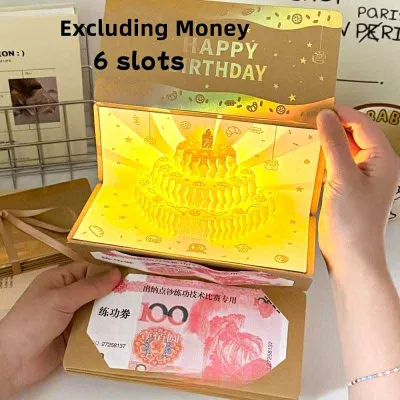
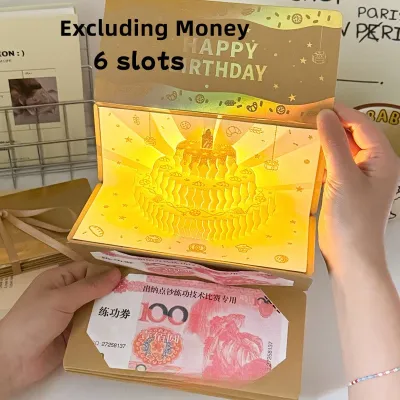
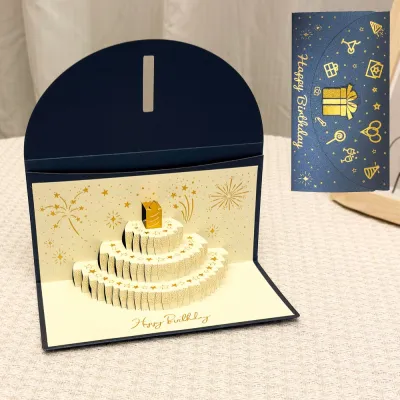
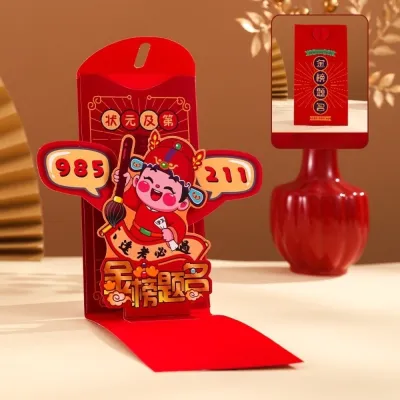
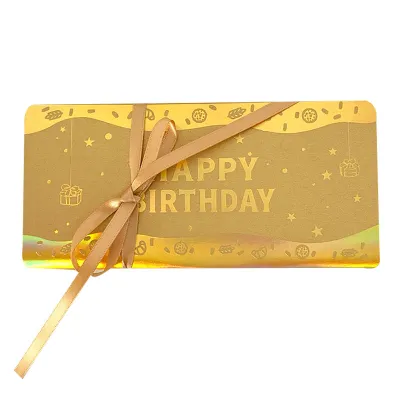
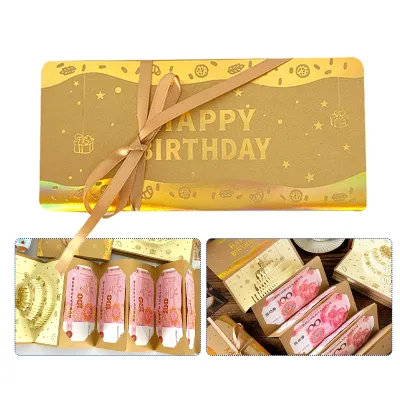
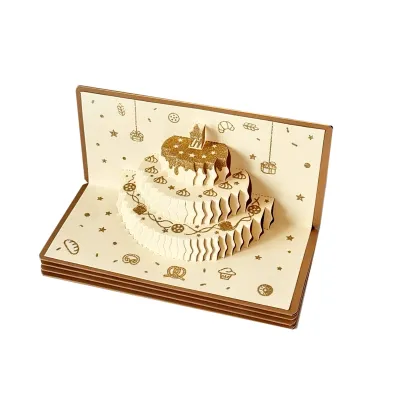
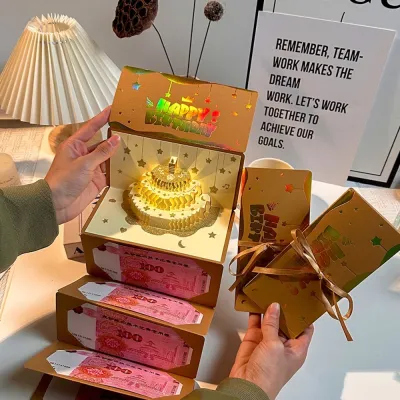
Prices are valid at publication and may change. Please refer to the product page for the latest price.
Paper weight and material thickness are critical indicators of quality and durability. A high-quality 3D envelope should ideally use cardstock with a weight of at least 250 to 300 grams per square meter (GSM). This thickness ensures that the envelope can support the weight of the 3D elements and protect the cash or gift cards inside without bending or tearing. Thinner paper is highly susceptible to warping, especially in humid environments where moisture in the air can soften paper fibers and cause delicate pop-up joints to sag or collapse.
Safety is a paramount consideration, particularly when gifting to younger recipients. When evaluating 3D envelopes, inspect the adhesives used to assemble the pop-up structures. Look for non-toxic, acid-free adhesives that do not emit strong chemical odors or degrade over time. Ensure that all small decorative elements, such as sequins, beads, or tiny paper cutouts, are securely bonded to prevent them from detaching and posing a choking hazard. Additionally, check the edges of the die-cut paper; high-quality laser-cut designs should have smooth, clean edges that will not cause minor paper cuts during handling.
Matching Designs to Age Groups: A Selection Guide
Selecting the ideal 3D money envelope requires aligning the visual theme, color palette, and structural complexity with the recipient’s age and developmental stage. A design that delights a toddler may feel patronizing to a teenager, while an intricate, minimalist architectural pop-up might fail to engage a young child. By categorizing your choices into distinct age demographics, you can systematically evaluate which design elements will resonate most effectively.

The goal is to choose a 3D element that enhances the overall theme of the birthday celebration without compromising the envelope’s primary function: holding and protecting the monetary gift. The following sections break down the key decision criteria for each major age group, helping you navigate the balance between playful interaction, modern aesthetics, refined elegance, and physical accessibility.
Children and Toddlers
For infants, toddlers, and young children, the primary focus should be on vibrant visual stimulation and tactile safety. Choose designs featuring bright, high-contrast primary colors and familiar, friendly themes such as cartoon animals, whimsical vehicles, or playful fantasy creatures. At this developmental stage, children respond strongly to recognizable shapes and interactive elements that they can safely touch and explore.
Because young children lack refined motor control, structural durability is vital. Avoid highly intricate, delicate paper lattices that can easily tear at the slightest touch. Instead, look for robust, simple pop-up structures or thick, layered die-cuts that can withstand enthusiastic handling. Ensure that any interactive features, such as pull-tabs or sliding panels, are constructed from heavy-duty cardstock and operate smoothly without catching or binding.
Verify that all embellishments are completely secure. Avoid envelopes with loose glitter, small plastic rhinestones, or tiny googly eyes that could easily be pried off by curious fingers. Opting for designs where the 3D effect is achieved entirely through folded, heavy-weight paper layers is often the safest and most reliable choice for this age group.
Teenagers and Young Adults
As children transition into their teenage years and early adulthood, their aesthetic preferences shift dramatically away from cartoonish themes toward personal identity, hobbies, and modern design trends. When selecting a 3D envelope for this demographic, focus on themes that reflect their specific interests, such as gaming consoles, musical instruments, sports equipment, or popular travel destinations.
Aesthetic minimalism and sophisticated paper engineering are highly appreciated by this age group. Consider envelopes that utilize clean, geometric lines, metallic foil accents, or intricate laser-cut patterns that create subtle, layered depth. Many teenagers and young adults view these envelopes as collectible items, often displaying them on desks or shelves as room decor long after the monetary gift has been spent.
Avoid generic, overly childish motifs like simple balloons or basic birthday cakes unless they are executed with a modern, stylized twist. Instead, look for clever pop-up structures—such as a 3D laptop, a stylized sneaker, or a miniature concert stage—that acknowledge their growing independence and mature tastes.
Adults and Professionals
Gifting money to adults and professional colleagues requires a refined, elegant approach that respects the formality of the occasion while still offering a touch of celebration. For milestone birthdays, such as a 30th, 40th, or 50th, look for designs that celebrate life achievements, career milestones, or shared memories. Themes centered around elegant floral arrangements, classic architecture, or sophisticated travel motifs are generally well-received.
The 3D elements for adult recipients should be subtle and masterfully executed. Rather than loud, cartoonish pop-ups, prefer elegant, multi-layered paper art that utilizes premium textures, such as embossed linen paper, metallic gold or silver hot stamping, and delicate laser-cut lace patterns. A beautifully constructed 3D floral bouquet that stands upright when the envelope is opened provides a sophisticated visual impact suitable for formal family gatherings or workplace celebrations.
Ensure the overall presentation maintains a professional and respectful tone. The color palette should lean toward rich jewel tones, classic pastels, or sophisticated neutrals. The envelope should feel substantial in the hand, conveying a sense of high quality and thoughtfulness that matches the significance of the monetary gift inside.
Seniors and Elders
When choosing a 3D envelope for seniors and elders, particularly for milestone celebrations like a 60th, 70th, or 80th birthday, the design should emphasize respect, tradition, and physical accessibility. Classic motifs such as traditional flowers, serene nature scenes, or cultural symbols of longevity, good health, and prosperity are highly appropriate.
Physical accessibility is a critical factor that is often overlooked. Avoid overly complex, multi-stage opening mechanisms or tight, intricate folds that require high manual dexterity to operate. The envelope should open easily and intuitively, allowing the recipient to appreciate the 3D art without struggling or accidentally tearing the paper.
Ensure that any text or printed greetings on the envelope feature high contrast and legible typography. Large, clear fonts set against a solid background are much easier to read than small, cursive scripts printed over busy patterns. The 3D elements should be sturdy and stable, providing a clear visual focal point that can be easily enjoyed when placed on a bedside table or mantelpiece.
Sizing, Capacity, and Practical Considerations
A beautiful 3D design is only effective if it can practically accommodate your monetary gift without damaging the envelope’s structure. Before making a purchase, compare the physical dimensions of the envelope’s internal pocket with the size of the currency or gift cards you plan to insert. In the Philippines, standard banknotes measure 160 mm by 66 mm. If you prefer to present the bills flat and unfolded, you will need an envelope that is at least 170 mm in length.
For smaller envelopes, you may need to fold the banknotes in half or in thirds. However, folding cash increases its thickness, which can interfere with the envelope’s 3D mechanism. When a 3D pop-up envelope is stuffed too tightly, the added bulk can crush the delicate internal paper supports, preventing the pop-up from standing upright when opened. It can also put excessive strain on the outer seams, leading to tears. If you plan to gift multiple banknotes, look for designs that feature a dedicated, spacious pocket or a separate slide-out card sleeve designed to keep the cash flat and separate from the 3D mechanism.
Evaluate the closure mechanism of the envelope carefully. Common options include simple tuck flaps, adhesive stickers, magnetic closures, or decorative ribbons. For 3D envelopes, which naturally have more bulk than flat ones, a secure closure is essential to prevent the envelope from popping open prematurely during transit. Ribbons and magnetic closures offer an elegant and secure solution, while high-quality tuck flaps provide a clean, classic look. If using adhesive stickers, ensure they are strong enough to hold the tension of the folded 3D structure without peeling off.
Sourcing and Pre-Purchase Verification Checklist
When shopping for 3D birthday money envelopes, whether at local physical stationery boutiques or through online marketplaces, a systematic verification process will help you avoid low-quality products. Online listings often use highly styled, flat promotional images or digital renderings that can make a flimsy envelope look robust and deeply dimensional.
To ensure you receive a high-quality product, use the following verification checklist before finalizing your purchase:
- Inspect Real-Life Customer Photos: Look closely at user-submitted photos in the review section of online marketplaces. Pay attention to the actual depth of the 3D elements, the neatness of the glue lines, and whether the paper appears warped or creased.
- Verify Paper Weight and Specifications: Check the product description for the paper weight (GSM). If the seller does not list the paper weight, look for terms like "heavy cardstock" or "premium paper," and verify these claims against customer reviews mentioning the envelope's stiffness.
- Check the Return and Replacement Policy: Delicate 3D paper structures are highly vulnerable to damage during shipping. Ensure the seller packages the envelopes in rigid cardboard mailers or bubble wrap, and verify that they offer a clear return or replacement policy in case the item arrives crushed or bent.
- Assess Calligraphy and Customization Compatibility: If you plan to write a personalized message or add hand-lettered calligraphy to the envelope, check the paper's surface texture. Highly glossy or laminated surfaces can cause fountain pen ink or brush markers to smear or bead up. For hand lettering, look for matte, uncoated, or lightly textured paper surfaces that absorb ink cleanly and dry quickly, especially in humid tropical climates.
Frequently Asked Questions (FAQ)
Can I fold a 3D pop-up money envelope flat for mailing?
Most 3D pop-up money envelopes are designed to fold completely flat for storage and transport, but mailing them through standard postal services poses significant risks. The automated sorting equipment used by postal carriers applies heavy pressure that can easily crush the delicate internal paper folds, hinges, and pop-up mechanisms. To protect the 3D structure, avoid sending these envelopes in standard paper mailing covers. Instead, place the 3D envelope inside a rigid cardboard mailer or a padded bubble envelope. This extra layer of protection prevents bending and crushing during transit. Alternatively, handing the envelope directly to the recipient in person is the safest way to ensure the 3D art remains pristine and functions exactly as intended.
How do I secure cash inside a 3D envelope without a built-in pocket?
If your chosen 3D envelope lacks a dedicated internal pocket or sleeve, you can secure the cash using non-damaging, temporary methods. Avoid using standard liquid glue, hot glue, or heavy-duty plastic tape, as these adhesives will permanently bond with the paper fibers, tearing both the delicate 3D envelope and the banknotes when the recipient tries to remove the money. Instead, use low-tack, removable adhesive dots or double-sided washi tape, which can be peeled off cleanly without leaving a sticky residue or tearing the paper. Another excellent option is to use a small, decorative paper clip or a slide-on paper band to hold the folded bills together, tucking them securely behind a stable, non-moving part of the 3D structure where they will not interfere with the pop-up mechanism.

Community discussion
Share your experience or ask a question. Comments are reviewed before publication.