
Finding the right bag envelope with handle requires looking closely at your daily routine, the tropical climate you navigate, and the specific documents you carry. A reliable document carrier does more than just hold papers; it shields your work from high humidity, sudden afternoon downpours, and the wear and tear of daily transit. By matching the envelope’s material, closure type, and handle construction to your primary environment, you can ensure your files remain pristine and easy to transport.
Define Your Daily Carrying Scenario
Commuting in busy metropolitan areas often involves navigating crowded public transport, sudden rain showers, and long walks. For this scenario, you need a document bag that prioritizes weather protection and secure closures. Look for water-resistant synthetic materials like polypropylene or treated nylon that can withstand a sudden tropical downpour. Ergonomic, comfortable handles are essential when you are standing on a train or bus for extended periods.
Students and educators handle a high volume of worksheets, modules, and notebooks. On campus, the priority shifts to lightweight durability and high capacity. You want a bag envelope that does not add unnecessary weight to your backpack but can be carried independently when moving between classrooms. Easy-access closures, such as snap buttons or flexible hook-and-loop fasteners, allow you to retrieve and store documents quickly during fast-paced class transitions.
Products mentioned in this guide
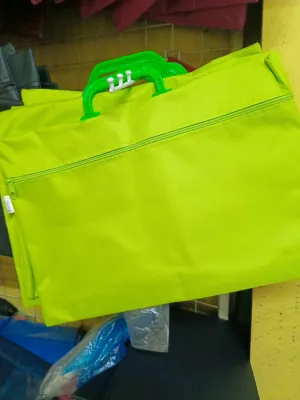
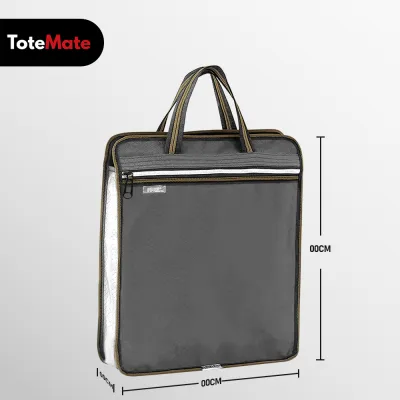
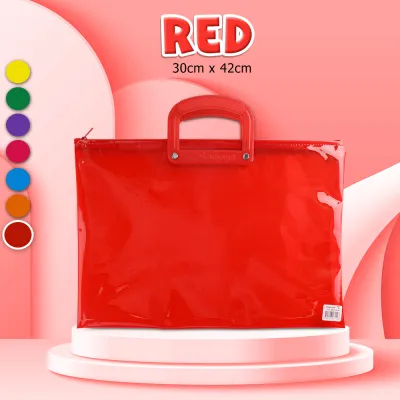
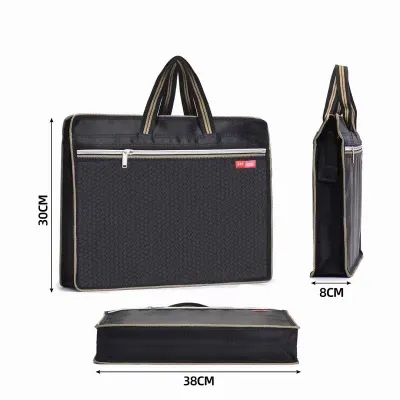
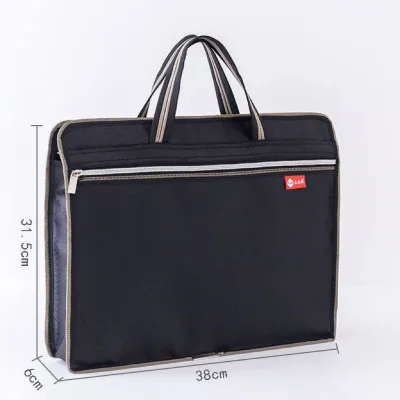
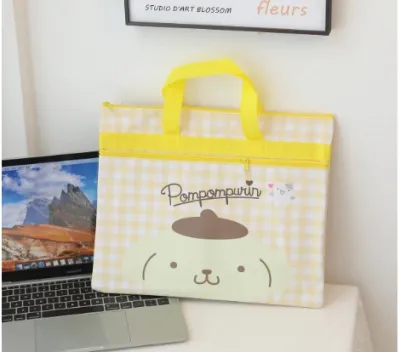
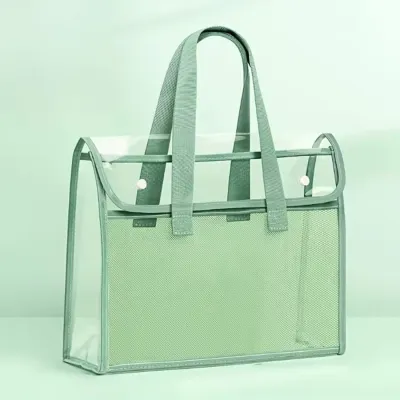
Prices are valid at publication and may change. Please refer to the product page for the latest price.
When presenting proposals or contracts to clients, the appearance of your document carrier reflects your professional attention to detail. A structured, minimalist design in neutral tones like black, navy, or slate gray is ideal. These envelopes should maintain their shape even when partially empty, preventing your presentation materials from bending or creasing. Look for secure, low-profile compartments that keep confidential files organized and out of immediate view.
Essential Features to Evaluate
To ensure your documents survive high humidity and accidental spills, inspect the manufacturer’s material specifications. Polypropylene is a highly reliable choice for tropical climates because it is naturally water-resistant, lightweight, and easy to wipe clean. If you prefer fabric, look for high-density oxford cloth or nylon with an internal water-resistant coating. Avoid untreated cardboard or thin paper-based envelopes, as they quickly degrade when exposed to moisture or sweat.

The handle is the most common point of failure on a document envelope. Before purchasing, inspect how the handle is attached to the main body. Basic models often rely on simple heat-sealing or basic glue, which can easily fail under the weight of multiple documents. For long-term durability, choose envelopes with handles that are secured by reinforced metal rivets or heavy-duty cross-stitching. A molded plastic or padded fabric handle will also distribute weight more evenly across your hand, reducing fatigue during long walks.
The right closure balances security with accessibility. Zippers offer the highest level of security, sealing the envelope completely to prevent loose papers, pens, or flash drives from sliding out. However, ensure the zipper teeth are made of rust-resistant plastic rather than cheap metal that might corrode in humid conditions. Snap buttons provide quick access and are highly durable, though they may pop open if the envelope is overstuffed. Hook-and-loop fasteners are highly adjustable but can collect lint and lose their grip over time.
Sizing and Capacity Compatibility
Document sizes vary significantly, so you must verify the internal dimensions of the envelope rather than relying solely on external measurements. In many professional and academic settings, you will handle a mix of Letter size, Legal size, and international A4 paper. Ensure the envelope has at least an extra half-inch of clearance on all sides. This extra space prevents the edges of your papers from curling or tearing when you slide them in and out.
If you need to carry more than just loose sheets of paper, look for an envelope with an expanding gusset. A flat envelope will warp and stretch if you try to force a thick notebook or a tablet inside, putting immense strain on the seams. An expanding gusset—typically ranging from 1 to 3 inches—allows the bag to expand uniformly. This structure is essential if you plan to carry multi-subject notebooks, thin laptops, or tablet devices alongside your paperwork.
Heavy paper loads can cause a poorly structured bag to sag, which concentrates all the tension on the center of the handle. To prevent this, look for envelopes with reinforced bottom panels or rigid side walls. A structured base helps distribute the weight of your documents evenly across the entire width of the bag. This even distribution protects the handle seams from premature tearing and makes the bag much more comfortable to carry at your side.
Cross-Scenario Versatility and Maintenance
If you want a single document bag that transitions seamlessly from a casual university campus to a formal corporate office, opt for a minimalist design. Neutral colors such as charcoal, navy, or matte black are highly versatile and blend into any environment. Avoid overly bright patterns or large, distracting brand logos if you plan to use the bag for professional client meetings. A clean, simple silhouette ensures you always look prepared and professional.
Proper maintenance extends the lifespan of your document carrier, especially in warm, humid climates where dust and moisture can accumulate. For synthetic plastic envelopes, a simple wipe-down with a damp microfiber cloth and mild soap is usually sufficient to remove dirt and fingerprints. If you use a fabric or canvas envelope, spot-clean stains immediately with a soft brush and water, then allow it to air dry completely in a well-ventilated indoor area. Avoid leaving synthetic bags in direct sunlight or inside a hot car, as extreme heat can warp the plastic and weaken adhesive bonds.
Even the most durable document bag will eventually show signs of wear. Regularly inspect the handle attachments, zipper tracks, and bottom corners for signs of degradation. Frayed stitching around the handle, split zipper teeth, or thinning material at the bottom corners are clear indicators that the bag’s structural integrity is compromised. Replacing your carrier before a complete failure occurs prevents the risk of dropping and damaging your important documents during your daily commute.
Frequently Asked Questions (FAQ)
Can a standard document envelope hold a thick ring binder?
A standard flat document envelope cannot accommodate a thick ring binder without warping or tearing. To carry a binder, you must select an expanding bag envelope with a gusset width that matches or exceeds the spine width of your binder. For example, if you use a 2-inch ring binder, verify that the envelope’s product specifications explicitly state an expansion capacity of at least 2 inches to ensure a safe, comfortable fit.
How do I verify if the handle is strong enough for heavy loads?
To verify handle strength without relying on unverified marketing claims, inspect the physical attachment points on the product. Look for reinforced cross-stitching (often in an ‘X’ pattern inside a square) or metal rivets securing the handle straps to the envelope body. Additionally, check the manufacturer’s product label or packaging for a specified maximum weight capacity, and avoid overloading the bag beyond those guidelines to protect the seams.

Community discussion
Share your experience or ask a question. Comments are reviewed before publication.