
Giving cash as a birthday gift is a time-honored tradition in the Philippines, offering the recipient the ultimate flexibility to celebrate their special day on their own terms. However, simply handing over loose bills can feel impersonal or unfinished. Selecting a high-quality birthday card with money holder features solves this problem by combining a heartfelt, handwritten message with a secure, elegant presentation. From classic pockets and attached mini-envelopes to interactive pop-up boxes and mechanical pull-tab sliders, the variety of money holder cards available in the local market caters to every age group, celebration theme, and aesthetic preference.
Choosing the right format requires balancing visual appeal with practical considerations like paper durability and security. Because local currency notes have specific dimensions and weights, not every card design is a perfect fit. Understanding the structural differences, material qualities, and assembly requirements of each card style ensures your monetary gift is presented beautifully, securely, and without any awkward folding or tearing.
How to Choose the Best Money Holder Card Format
Selecting the ideal birthday card with money holder compartments begins with evaluating how the cash will be prepared and displayed. Standard Philippine peso bills (New Generation Currency series) measure exactly 160 mm in length and 66 mm in width. Some card designs are engineered for flat, unfolded bills, while others require you to fold them in half, roll them into tight cylinders, or link them together in a continuous sequence. If you prefer to present crisp, pristine banknotes, prioritize full-length pocket or envelope styles. If you are looking for a playful presentation where the cash itself becomes part of the entertainment, interactive configurations that accommodate rolled or linked bills are excellent choices.
Products mentioned in this guide
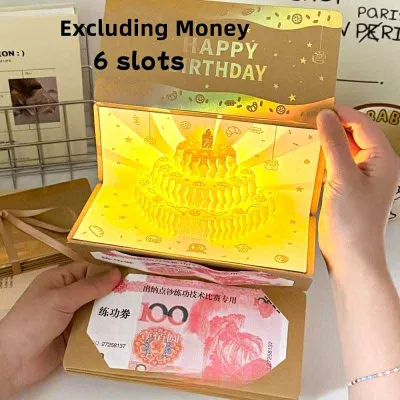
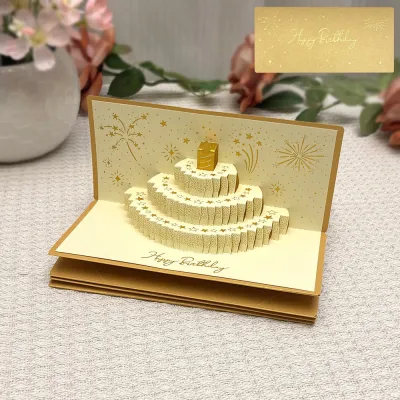
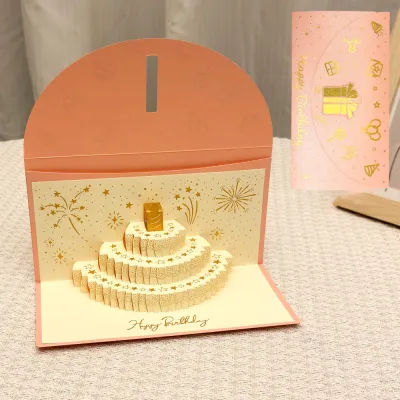
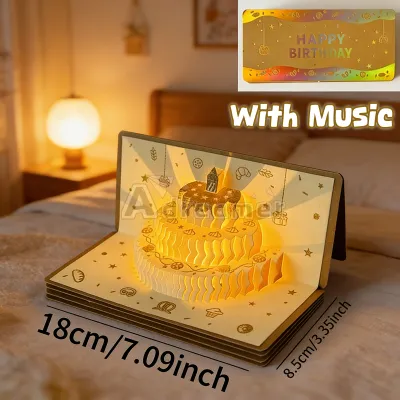
Prices are valid at publication and may change. Please refer to the product page for the latest price.
Paper weight and texture are critical factors in determining whether a card can support the physical weight of currency. Paper thickness is measured in grams per square meter (GSM). Standard greeting cards are often printed on 150 to 200 GSM paper, which is too flimsy to hold multiple bills without sagging, warping, or tearing. For a money holder card, look for premium cardstock ranging from 220 GSM to 300 GSM. In the warm, highly humid tropical climate of the Philippines, low-grade paper fibers readily absorb moisture from the air, causing thin cardstock to limp or curl when loaded with cash. Stiff, high-GSM cardstock with a matte or textured finish maintains its structural integrity and feels premium in the hand.
Matching the card format to the recipient’s personal style and the formality of the celebration ensures your gift feels appropriate. A formal milestone celebration, such as an 18th debut or a golden 60th birthday, calls for a sophisticated, minimalist presentation that aligns with the elegant decor of the venue. For these occasions, classic pocket or envelope styles made of textured linen or metallic-accented paper are ideal. Conversely, children, teenagers, or close friends often appreciate the novelty and excitement of interactive elements. A dynamic card that pops up or requires the recipient to pull a tab turns the act of receiving cash into an engaging, memorable activity.
Finally, assess the security of the money-holding mechanism itself. The card must keep the cash firmly in place from the moment you seal it until the recipient opens it. Built-in slots must feature clean, precise die-cuts that grip the edges of the bills securely without putting too much tension on the paper, which can cause tearing. Deep, structural pockets are inherently more secure than shallow corner tabs, especially if the card will be transported in a crowded gift bag, passed around during a busy party, or sent through a courier service.
Pocket and Envelope Styles: Classic and Secure
Classic pocket and envelope styles remain the most popular choices for cash gifting due to their clean lines, ease of preparation, and dignified presentation. These designs focus on keeping the monetary gift private and secure, making them highly suitable for formal gatherings and multi-generational family celebrations.

Built-in Pockets
Built-in pocket cards feature an interior sleeve, diagonal slot, or horizontal band cut directly into the cardstock of the inner panel. This design keeps the interior layout clean and uncluttered, leaving ample space for a long, handwritten message. The pocket is typically sized to fit standard bills flat, allowing you to slide one or several high-denomination notes (such as ₱500 or ₱1,000 bills) neatly inside. Because the cash lies flat, these cards remain slim and fit easily into their matching outer envelopes without bulging. This style is highly favored for its minimalist elegance and is widely available in traditional, botanical, or geometric design themes.
Attached Envelopes
Attached envelope designs feature a miniature, dedicated envelope permanently glued to the inner center or right-hand panel of the main greeting card. This format provides an extra layer of privacy and anticipation, as the cash is completely hidden from view even when the main card is opened. The mini-envelope can be sealed with a delicate adhesive sticker, a small piece of decorative tape, or even a personalized wax seal for a touch of luxury. This style offers a traditional unboxing experience on a miniature scale, making the presentation feel incredibly thoughtful and deliberate.
Pros and Cons of Classic Styles
The primary advantage of pocket and envelope cards is their exceptional security. Because the cash is fully enclosed or tightly gripped by cardstock, there is virtually no risk of the bills slipping out and getting lost during the excitement of a birthday party. They are also incredibly user-friendly for the giver, requiring absolutely no complex assembly, cutting, or taping. The main drawback is that they lack the modern “wow factor” or interactive surprise of mechanical designs. For some recipients, particularly younger demographics, these classic formats can feel a bit conventional or predictable.
Tips for a Neat Arrangement
To achieve a highly polished and professional look when using pocket or envelope cards, follow these simple preparation steps:
- Use Crisp Bills: Obtain new, uncreased banknotes from the bank whenever possible, as crisp paper slides into tight pockets much more smoothly than worn, soft bills.
- Align the Currency: Face all bills in the same direction, with the portrait side facing forward and right-side up.
- Create a Cascading Effect: If you are gifting multiple bills, layer them slightly offset from one another so the recipient can immediately see the denominations and count the bills without having to pull the entire stack out of the pocket.
- Keep It Flat: Avoid folding the bills unless the card design specifically dictates a folded pocket, as folded currency adds unnecessary bulk that can warp the cardstock over time.
Pop-Up and Pull-Tab Designs: Interactive and Fun
For those who want to turn a cash gift into an entertaining highlight of the birthday celebration, interactive pop-up and pull-tab cards offer a dynamic alternative. These creative formats use clever paper engineering to surprise the recipient, making the presentation of money highly engaging and visually exciting.
Pop-Up Money Boxes
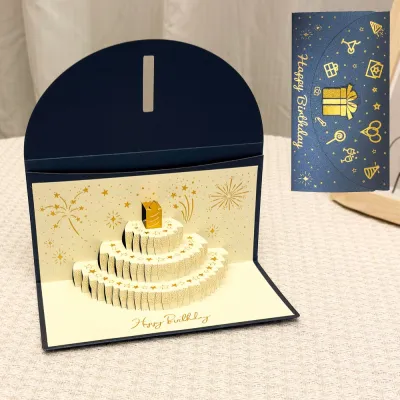
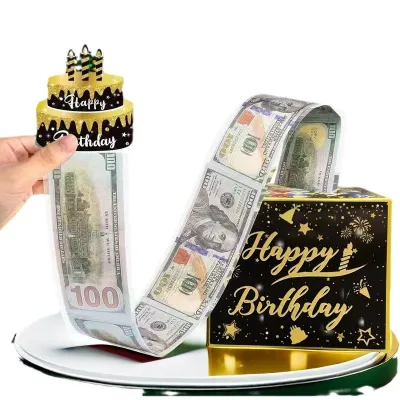
Pop-up money boxes are three-dimensional structures that fold flat inside a card but expand dramatically when opened. The most popular variation is the cascading money box, where a decorative element—such as a 3D birthday cake, a balloon bouquet, or a festive gift box—stands up in the center. Hidden inside or beneath this structure is a slot containing a continuous roll of cash. The giver attaches the bills end-to-end using light adhesive or places them inside individual plastic sleeves linked together. When the recipient pulls a decorative “Pull Me” tag, a long, continuous chain of bills emerges from the card, creating a highly photogenic, theatrical display that is perfect for capturing on video.
Pull-Tab and Slider Cards
Pull-tab and slider cards utilize mechanical paper tracks to slide the cash into view. When the recipient pulls a physical paper tab on the side or top of the card, a hidden panel slides open, or a decorative sleeve rises up, revealing the cash tucked inside. This mechanism relies on precise friction and tension. As the tab is pulled, the movement smoothly translates along the card’s internal tracks, presenting the money in a playful, unexpected way. These cards are highly compact compared to 3D boxes, offering a wonderful balance of interactive fun and sleek, easily transportable design.
Pros and Cons of Interactive Styles
The standout benefit of pop-up and pull-tab designs is their ability to create a fun, memorable experience. They are incredibly popular for milestone birthdays where the giver wants to make a grand gesture. However, these cards do come with trade-offs. They require a significant amount of preparation and assembly time from the giver, who must carefully link, roll, or tape the bills together. They are also physically bulkier than flat cards, making them difficult to write on after assembly and more expensive to ship or mail. Furthermore, because they rely on delicate paper hinges and tracks, they are more fragile and prone to damage if handled roughly.
Care and Assembly Precautions
Assembling an interactive money card requires patience and a gentle touch. Because high ambient humidity in the Philippines can soften paper fibers and make cardstock more pliable, delicate paper hinges and sliding tracks are more susceptible to tearing during setup. Work on a clean, dry surface and avoid applying excessive force when testing the pull-tab or pop-up mechanism. Always use the specific type of low-tack, paper-safe adhesive recommended by the manufacturer to link your bills. Heavy-duty packing tape or standard school glue will ruin both the currency and the card’s delicate paper tracks, causing the mechanism to jam and tear.
Comparing Money Holder Card Styles at a Glance
To help you quickly identify the best format for your upcoming birthday celebration, this comparison table outlines the key characteristics, preparation requirements, and security levels of each major style.
| Card Style | Best For | Bill Preparation | Security Level | Assembly Required |
|---|---|---|---|---|
| Pocket Style | Formal celebrations, debuts, elegant and corporate gifts | Flat, unfolded bills | High (bills are snugly held in die-cut slots) | None (ready to insert cash immediately) |
| Envelope Style | Private gifting, traditional presentations, multi-bill gifts | Flat or single-fold bills | Very High (cash is fully enclosed in a mini-envelope) | Minimal (sealing the mini-envelope flap) |
| Pop-Up Box | Milestone birthdays, children's parties, high-impact surprises | Bills linked end-to-end, rolled inside a box | Moderate (requires careful taping/rolling) | High (linking bills and loading the box mechanism) |
| Pull-Tab Slider | Fun, casual gifts, teens and young adults, interactive reveals | Folded or flat bills attached to a sliding panel | High (bills are secured to internal tracks) | Moderate (mounting bills to the slider mechanism) |
Matching the Style to the Recipient and Celebration
When deciding which card style to purchase, consider the age of the recipient and the overall atmosphere of the birthday party:
- Children and Young Teens: Choose pop-up money boxes or pull-tab sliders. The playful interaction matches their energy level, and the physical action of pulling out a long chain of bills makes the monetary gift feel like a fun game rather than a dry transaction.
- 18th Debuts and Milestone Celebrations (50th, 60th, 70th): Opt for high-quality pocket cards or elegant envelope designs. These milestone events often feature formal dress codes, beautiful table settings, and dedicated gift tables. A sophisticated card made of textured cardstock with gold or rose gold foil accents fits seamlessly into this elegant environment.
- Casual Friends and Co-workers: Envelope styles offer a balanced, versatile option. They are thoughtful, private, and incredibly easy to prepare during a busy work week, requiring no assembly while still presenting the cash in a neat, respectful manner.
Tips for Personalizing and Handwriting Your Cash Gift Card
Writing a personal message is what transforms a money holder card from a simple transaction into a cherished keepsake. However, writing on specialty cardstock—especially cards with moving parts—requires careful planning and the right tools to avoid smudging, bleeding, or damaging the card’s structural integrity.
Matching Pen Types to Paper Finishes
The finish of your cardstock determines how it will interact with different types of ink. To ensure a clean, smudge-free message, match your pen to the paper finish and verify the drying speed, especially in humid conditions:
- Matte, Uncoated Cardstock: This paper absorbs ink quickly, making it highly compatible with gel pens, fountain pens, and water-based brush pens. However, highly liquid inks can sometimes "feather" (spread out along the paper fibers) or bleed through to the other side if the paper is thin. Always perform a small test stroke on an inconspicuous corner of the card or a matching scrap piece of paper to check for bleed-resistance.
- Glossy, Coated, or Metallic Finishes: These smooth, non-porous surfaces prevent liquid inks from absorbing. Writing on them with standard gel pens or fountain pens will result in severe smudging, as the ink pools on the surface and dries incredibly slowly in humid weather. For these finishes, use quick-drying pigment fine-liners, oil-based ballpoint pens, or permanent metallic markers. Allow the ink to dry completely for several minutes before folding or closing the card.
Planning Your Layout and Writing Space
Before you begin writing, open the card fully and identify where the money-holding components, pop-up folds, or pull-tab tracks are located. Do not write directly over internal tracks or on panels that will experience friction when the card is opened and closed, as the mechanical movement can wear away your handwriting or transfer wet ink to other parts of the card. Keep your message confined to the designated blank writing panels. If the card is highly intricate or has limited writing space, write your message on a separate piece of elegant paper, trim it neatly, and slide it into the envelope alongside the card.
Using Archival Ink for Keepsakes
If the birthday card is intended to be kept as a long-term memento long after the cash has been spent, choose your ink wisely. Standard dye-based inks can fade over time when exposed to light and humidity. Opt for acid-free, fade-resistant archival pigment ink. These inks are highly water-resistant once dry, ensuring your heartfelt words remain crisp, legible, and vibrant for decades to come.
Securing Cash Safely and Cleanly
When securing cash inside the card, never use permanent adhesives like liquid school glue, hot glue, or standard double-sided tape. These strong adhesives will permanently bond with the paper currency, causing the bills to tear when the recipient tries to remove them. Instead, use safe, removable alternatives:
- Low-Tack Washi Tape: This decorative paper tape is incredibly gentle, peels off easily without leaving sticky residue, and adds a lovely pop of color and pattern to the presentation.
- Removable Glue Dots: These small, clear adhesive dots provide a strong grip to keep bills from sliding out of pockets but can be rolled off the paper currency cleanly with a fingertip without causing any damage.
- Miniature Paper Clips: Small, colorful, or metallic paper clips are excellent for securing a stack of bills to a pocket or card panel, holding them firmly in place without using any adhesive at all.
Where to Buy and What to Check Before Purchasing
Finding the perfect birthday card with money holder features in the Philippines is easy if you know where to look and what quality checks to perform before making your purchase.
Sourcing Channels
You can source these specialty cards from a variety of local and online retail channels:
- National Bookstores and Stationery Chains: Major bookstores across the country carry a wide selection of mass-produced, high-quality money envelope cards, particularly leading up to graduation and holiday seasons. These are excellent for finding reliable, classic pocket and envelope designs.
- Boutique Stationery and Gift Shops: For more unique, artistic, or minimalist designs, visit local boutique stationery shops in major commercial districts. These stores often feature cards printed on premium, textured, or eco-friendly paper stocks.
- Online Marketplaces and E-commerce Platforms: If you are looking for highly intricate 3D pop-up money boxes, custom calligraphy cards, or personalized designs, local online marketplaces offer a vast selection of handmade options crafted by talented local paper engineers. This is the best route for finding highly specific themes or customized text.
Pre-Purchase Quality Checklist
Before completing your purchase, run through this quick checklist to ensure the card meets your expectations and will function flawlessly:
- Verify Internal Dimensions: Ensure the pocket, slot, or sleeve is wide enough to accommodate standard Philippine peso bills (160 mm x 66 mm) without forcing you to fold or cram them awkwardly. Many imported cards are sized for smaller international currencies and may be too narrow for local banknotes.
- Check Paper Weight: Look for product specifications indicating a cardstock weight of at least 220 GSM. Avoid cards made of thin, flimsy paper that will sag under the weight of the cash.
- Inspect Moving Parts: If purchasing in a physical store, gently open the card to ensure pop-up hinges are intact and pull-tabs slide smoothly without catching. If buying online, read customer reviews specifically looking for feedback on the durability of the mechanical parts.
- Consider Shipping and Packaging: Delicate 3D pop-up cards and intricate paper designs can easily get bent or crushed during transit. When ordering online, choose reputable sellers who package their cards with stiff cardboard backing, bubble wrap, or protective boxes to shield them from rough handling and humid shipping environments.
Frequently Asked Questions (FAQ)
Can I use standard Philippine peso bills in pop-up money boxes?
Yes, standard Philippine peso bills (160 mm x 66 mm) can be used in most cascading pop-up money boxes. However, because peso bills are slightly longer than some international currencies (such as US dollars), you must verify that the plastic sleeves or paper templates included in the box kit are wide enough to accommodate them. If the sleeves are a tight fit, gently roll the bills or use a slightly larger box template. When linking the bills together with tape, ensure they are perfectly aligned to prevent the chain from catching on the sides of the box opening as it is pulled.
How do I keep the money from falling out of a pocket-style card?
To prevent bills from slipping out of a pocket-style card, you can secure them using small, removable adhesive dots or a strip of low-tack washi tape across the top of the bills. Alternatively, sliding a decorative paper clip over the edge of the pocket and the bills will keep them firmly in place. Ensure the bills are inserted deeply into the pocket and are not stacked so thickly that they force the pocket to bulge outward, which can cause the card to stay partially open.
Are pull-tab money cards reusable after the cash is removed?
Whether a pull-tab card is reusable depends entirely on the type of adhesive used to secure the cash and the durability of the paper tracks. If you use low-tack, removable tape or paper-safe glue dots, the recipient can easily peel the bills away without tearing the pull-tab mechanism. This allows the recipient to keep the card intact as a beautiful decorative piece or even reuse it to gift money to someone else. However, if permanent adhesives are used, the delicate paper tracks will likely tear during cash removal, rendering the interactive mechanism unusable.

Community discussion
Share your experience or ask a question. Comments are reviewed before publication.