
Establishing an organized home filing system in the Philippines requires a deliberate approach to selecting the right envelope for documents. Rather than relying on a single type of storage, an effective setup matches specific envelope structures to the volume, sensitivity, and access frequency of your records. In a tropical climate characterized by high humidity and seasonal dust, choosing the wrong materials can lead to mold, ink transfer, or physical deterioration of vital family papers. By understanding the unique characteristics of different envelope designs, you can build a secure, accessible, and long-lasting archive for your household.
Identifying Your Home Document Storage Needs
Before purchasing any storage supplies, take inventory of the documents your household generates and retains. Primary categories typically include vital records like birth certificates and land titles, financial documents such as tax returns and bank statements, medical histories, educational diplomas, and active utility bills. Each category has distinct preservation requirements; for instance, a birth certificate requires permanent, high-security protection, while utility bills only need temporary storage before disposal.
Next, estimate the physical volume of each category and how often you will need to access them. High-use documents, such as active medical prescriptions or monthly statements, should be stored in envelopes that are easy to open and close. Archival records that you rarely consult can be placed in more secure, sealed environments. Overestimating your volume leads to bulky, half-empty folders that waste space, while underestimating results in overstuffed envelopes that bend and damage the edges of your papers.
Products mentioned in this guide
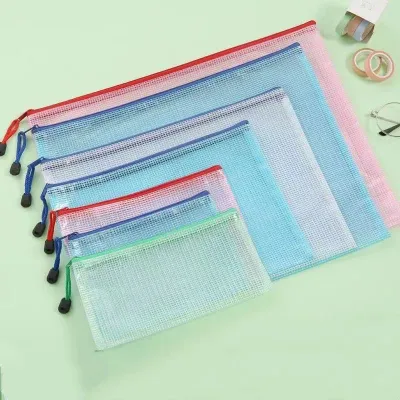
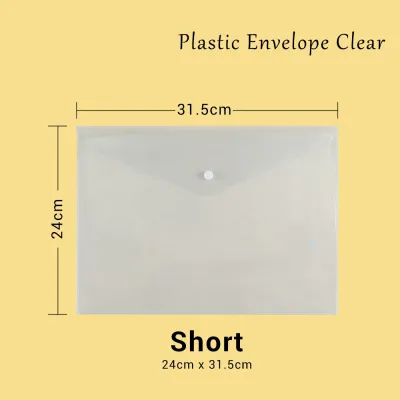
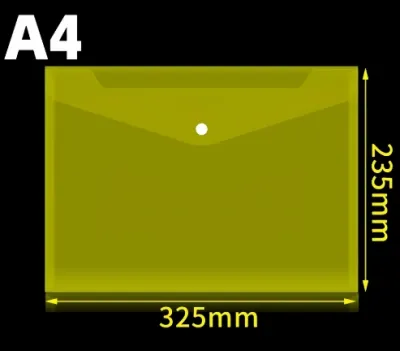
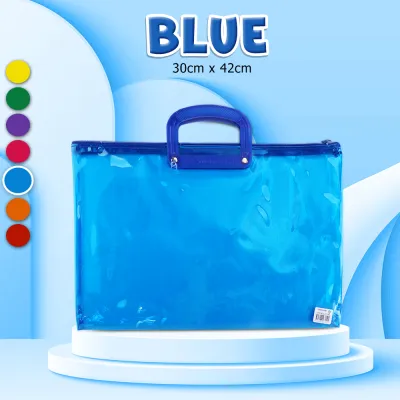
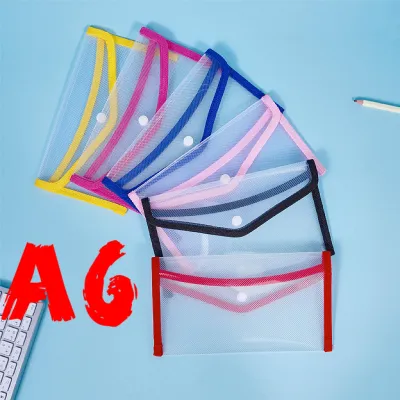
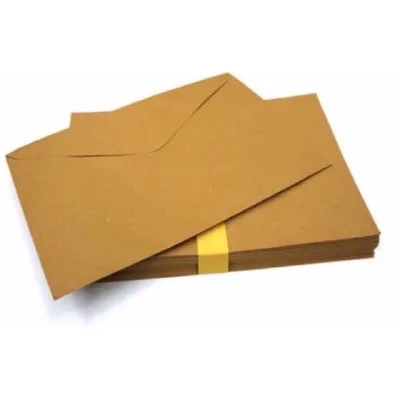
Prices are valid at publication and may change. Please refer to the product page for the latest price.
Consider the physical constraints of your designated home storage area. Measure the depth of your desk drawers, the height of your bookshelves, and the internal dimensions of any plastic storage bins you plan to use. Envelopes that are too tall will prevent drawers from closing, while oversized folders may sag or warp if they do not fit snugly on a shelf.
Finally, assess the environmental risks in your storage location. In the Philippines, high relative humidity can soften paper and encourage fungal growth, while dust can accumulate quickly during the dry season. Direct sunlight can also fade ink and degrade plastic materials over time. Identifying these risks early helps you choose materials that offer adequate barrier properties against moisture, dust, and light.
Matching Envelope Types to Your Filing Needs
Selecting the right envelope format involves balancing accessibility with protection. Multi-pocket, sealed, and open-top designs each serve different organizational purposes. Your choice should depend on how frequently you need to retrieve the documents and the level of environmental exposure they will face.

There are clear trade-offs between visual transparency, physical security, and long-term material stability. Transparent plastic envelopes allow for quick visual identification of contents, which is highly convenient for active files. However, they offer little privacy and can expose sensitive documents to light. Opaque paper or heavy-duty kraft envelopes provide excellent privacy and light protection, but they require a disciplined labeling system to prevent you from having to open every envelope to find a specific file.
Expandable and Accordion Envelopes
Expandable and accordion envelopes are designed for high-volume, multi-category sorting where frequent reference is required. They are highly suitable for consolidating annual tax records, comprehensive family medical histories, or multi-year school portfolios. The built-in internal dividers allow you to categorize documents chronologically or alphabetically within a single, self-contained unit, keeping related files together.
However, these envelopes become heavy and bulky when fully loaded. They require stable, upright storage on sturdy shelves or deep drawers to prevent them from tipping over. If the weight is not distributed evenly across the internal pockets, the envelope can warp, putting unnecessary stress on the seams and corners.
When selecting an expandable envelope, inspect the durability of the internal dividers and the security of the outer closure flap. The side gussets should be reinforced with tear-resistant material, as they experience the most friction during expansion. Ensure the closure—whether an elastic band, a plastic latch, or a string tie—is securely anchored to the body of the envelope to prevent accidental spills.
Zipper and Button-Closure Pouches
Sealed pouches featuring zipper or button closures are excellent for documents that require moisture protection, spill resistance, or frequent transport. These pouches are typically made of flexible plastic, making them ideal for carrying certificates to government offices or keeping active household receipts safe from accidental liquid spills.
The primary benefit of these pouches is their transparency, which allows you to verify the contents instantly without opening the enclosure. This is particularly useful for busy households managing multiple active projects or school requirements.
However, be cautious about long-term storage in certain synthetic materials. Cheap polyvinyl chloride (PVC) plastics can degrade over time, releasing plasticizers that react chemically with paper and ink. This reaction can cause documents to stick to the plastic or cause ink to transfer onto the pouch, permanently damaging original records. For long-term archiving, look for PVC-free or polypropylene alternatives.
Additionally, check the quality of the seam welding and the smoothness of the zipper track before buying. Weak seams will split easily under pressure, and a rough zipper can tear the plastic body during regular use. Opt for reinforced slide zippers that glide smoothly without catching.
Standard Paper and Kraft Envelopes
Traditional paper and kraft envelopes are highly appropriate for archival storage, light-sensitive documents, and breathable containment. Because paper is naturally breathable, it prevents moisture from becoming trapped inside the envelope—a critical factor in preventing mold growth in humid environments. They are ideal for preserving historical family documents, old photographs, and certificates that must be shielded from light.
For long-term preservation, it is essential to check for acid-free, lignin-free, or buffered materials. Standard wood-pulp paper contains natural acids that cause paper to yellow and become brittle over time. Acid-free and buffered envelopes neutralize these migrating acids, ensuring your vital records remain intact for decades.
The main vulnerability of paper envelopes is their susceptibility to moisture, tearing, and pest damage. In tropical climates, pests like silverfish and cockroaches are attracted to the starch-based adhesives used in standard paper products. To protect your files, store paper envelopes inside sealed, pest-proof plastic storage boxes rather than leaving them exposed on open shelves.
When choosing paper envelopes, look for those with metal clasps or string-and-button closures. These mechanical sealing methods are far more reliable than self-adhesive gummed flaps, which can degrade, dry out, or stick prematurely in high humidity.
Key Specifications to Check Before Buying
To ensure your chosen envelope for documents protects your files effectively, you must verify several physical attributes before purchasing. First, check standard paper size compatibility. In the Philippines, household documents commonly use A4, Letter (short), or Legal (long) sizes. Note that local long paper is often Folio size (8.5 x 13 inches), which is slightly shorter than standard US Legal (8.5 x 14 inches). Ensure the envelope is large enough to accommodate your longest documents without requiring you to fold them.
Next, evaluate the gusset width if you plan to store thick stacks of paper. A flat envelope will warp and tear if forced to hold more than a few sheets. A gusset of 1 to 2 inches is generally sufficient for medium-sized files, while larger accordion files can expand up to 10 inches or more to accommodate entire archives.
Check the material thickness, opacity, and edge reinforcement. For plastic envelopes, thickness is often measured in microns; thicker plastics offer better structural integrity and resist bending. For paper envelopes, look for a high GSM (grams per square meter) rating, which indicates a sturdier, more tear-resistant paper. High opacity is also desirable for confidential documents, ensuring that sensitive information cannot be read through the envelope material.
Review manufacturer labels for archival-safe or photo-safe claims. These certifications guarantee that the materials used will not chemically react with your documents or photographs over time. Inspect the closure mechanisms to ensure they provide a secure, repeatable seal that will not fail after repeated use.
Finally, evaluate the labeling surface of the envelope. A filing system is only effective if it is easy to navigate. Ensure the envelope has a dedicated labeling area, such as a clear pocket for insertable cards, or a surface that accepts permanent marker without smudging. For plastic envelopes, standard adhesive labels may peel off due to humidity, making built-in card slots a highly practical feature.
Building a Maintainable Home Filing System
Once you have selected the appropriate envelopes, the next step is to integrate them into a cohesive, easy-to-maintain organization routine. Establish a consistent labeling, color-coding, and indexing method. For example, you can assign blue envelopes to medical records, red to financial documents, and green to property titles. Use clear, printed labels with consistent naming conventions so that any family member can locate and return files easily.
Define a regular purging and updating schedule to prevent your filing system from becoming overwhelmed. Once a year, review the contents of your envelopes and dispose of expired warranties, outdated utility bills, and duplicate copies. Keeping your filing system lean prevents envelopes from overstuffing and ensures that only relevant documents occupy valuable storage space.
Plan the physical arrangement of your envelopes within storage boxes or cabinets. Place heavier, bulkier expanding envelopes at the bottom or back of the container to prevent them from crushing lighter, single-sheet envelopes. Keep frequently accessed files near the front or top for easy reach, and ensure there is adequate air circulation around the storage containers.
Set clear conditions for when to upgrade from simple envelopes to heavy-duty storage solutions. If an expanding envelope is bulging at the seams, or if your collection of vital records has grown significantly, it is time to transition to a heavy-duty filing cabinet, hanging folders, or a dedicated fireproof safe. Envelopes can still be used within these larger systems to keep sub-categories organized.
Frequently Asked Questions (FAQ)
Can I store thermal receipts in standard plastic envelopes?
Storing thermal receipts in standard PVC plastic envelopes is highly discouraged. The plasticizers used in PVC react chemically with the thermal coating on the paper, causing the printed text to fade rapidly or the entire receipt to turn black and unreadable. This can leave you without proof of purchase for warranties or tax purposes.
To preserve physical thermal receipts, place them in acid-free paper envelopes or wrap them in plain copy paper before inserting them into plastic sleeves. This physical barrier prevents direct contact with harmful plasticizers. Ensure they are stored in a cool, dark place, as heat and light also accelerate thermal ink degradation.
Because thermal paper is inherently unstable, the most reliable way to preserve receipts is digitization. Scan or photograph each receipt as soon as you receive it, and store the digital files in a secure cloud backup. You can then keep the physical receipt in a simple paper envelope as a secondary reference.
How do I prevent mold on paper envelopes in humid climates?
The high relative humidity in the Philippines creates an ideal environment for mold and mildew to thrive on paper products. To prevent fungal growth, store your document envelopes in well-ventilated rooms. If possible, keep them in areas that benefit from regular air-conditioning or dehumidification, which actively lowers moisture levels.
Avoid storing your document boxes directly on tiled floors, against exterior concrete walls, or in damp storage closets. Concrete can transfer moisture directly to your storage containers, leading to damp paper and mold. Elevate your filing boxes on wooden or plastic shelves, leaving a gap between the box and the wall to allow air circulation.
Place several silica gel packets inside each document storage box to absorb excess moisture from the air. Monitor these packets regularly; many modern silica gels feature color-changing indicators that turn from blue to pink or orange to green when they are saturated. Replace or reactivate the desiccants periodically to maintain their effectiveness.

Community discussion
Share your experience or ask a question. Comments are reviewed before publication.