
Choosing the right felt for embroidery depends on matching your design’s stitch density and intended use with the fiber content of the fabric. While standard craft felt is highly accessible and budget-friendly for simple projects, premium wool and blended felts offer the structural integrity needed to support intricate, high-tension hand embroidery without warping or tearing. Understanding how these materials behave under the needle ensures your stitches remain crisp, your fabric stays flat, and your finished piece survives handling or display.
How to Match Felt Characteristics to Embroidery Needs
Before selecting a sheet of felt from your local craft store or an online marketplace, define the scope of your embroidery project. Intricate hand embroidery with high stitch density requires a stable, tightly woven base that will not stretch out of shape when pulled tight in an embroidery hoop. If your project involves delicate French knots, heavy satin stitches, or detailed thread painting, a dense fabric is essential to prevent the stitches from sinking into the fibers or distorting the material.
Durability is another critical factor to consider, especially in tropical climates where humidity and frequent handling can affect fabric fibers. If you are creating items that will be handled often, such as keychains, patches, or children’s quiet books, the felt must resist pilling and withstand light cleaning. For decorative wall hangings or framed hoop art that will remain undisturbed on a wall, you can prioritize texture and color depth over extreme wear resistance.
Products mentioned in this guide
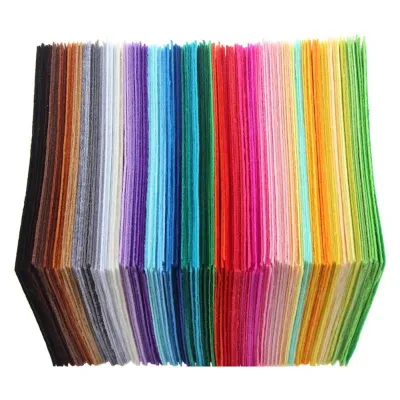
![[Local Shipment]40Pcs Felt Fabric Squares DIY Craftwork Felt Crafts Assorted Colors Textile Fuzzy Fabrics for Scrapbooks Sewing](https://img.lazcdn.com/g/p/bddbed62a9b949d21313c876307085ed.jpg_400x400q80.jpg_.webp)
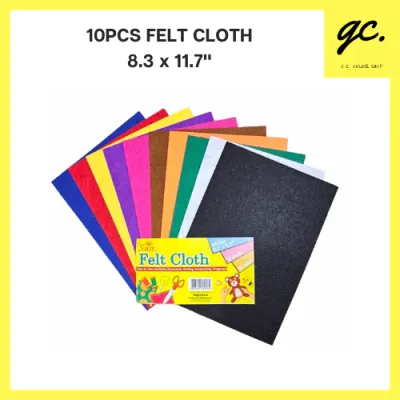
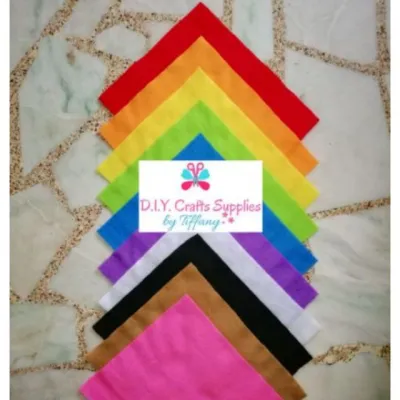
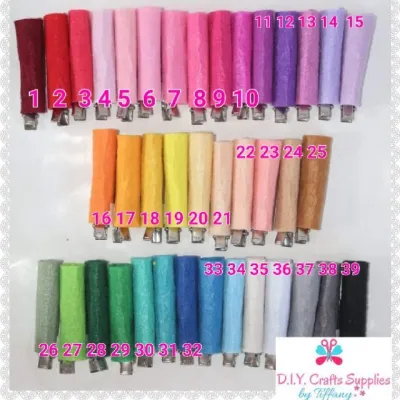
Prices are valid at publication and may change. Please refer to the product page for the latest price.
Budget and local availability also shape your decision. While pure wool felt offers an exceptional stitching experience, it is often more expensive and harder to find in local stationery shops, requiring a search on specialized online platforms. Synthetic craft felt is widely available in multi-color packs at very low prices, making it highly appealing for beginners, group workshops, or quick practice sessions where high-end durability is not a priority.
Wool Felt for Embroidery
Pure 100% wool felt is widely regarded as the premium standard for hand embroidery due to its dense, non-woven structure and luxurious matte finish. Because wool fibers are naturally crimped and scaled, they cling together tightly during the felting process, creating a remarkably stable fabric. When you push an embroidery needle through wool felt, the fibers part cleanly and then close back around the thread, holding your stitches securely in place without leaving visible holes.

One of the most valuable characteristics of wool felt is its clean, non-fraying edge when cut. This makes it the ideal choice for appliqué work, where small felt shapes are stitched onto a background fabric. You can cut extremely fine details, such as tiny leaves or geometric patterns, and stitch right up to the very edge of the wool shape without worrying about the material unraveling or shedding fibers.
However, wool felt requires careful handling and maintenance to preserve its shape and texture. You should always check the manufacturer’s care instructions, as pure wool is highly susceptible to shrinkage and distortion when exposed to hot water or agitation. In humid environments, storing your wool felt projects in airtight containers with silica gel packets can help protect the natural fibers from moisture and pests.
Acrylic and Craft Felt for Embroidery
Acrylic felt, commonly sold as standard craft felt in local stationery and craft stores, is a budget-friendly synthetic material made from polyester or acrylic fibers. Because it is manufactured using heat and needles to bind synthetic fibers together, it tends to have a much looser structure than wool. When subjected to tight embroidery hoop tension or heavy satin stitching, acrylic felt can easily stretch, warp, or even tear under the pressure of the thread.
The surface texture of cheap craft felt is often shiny, slightly rough, and prone to pilling. If you attempt detailed embroidery on a loose synthetic sheet, the fine details of your stitches can easily become lost or obscured by fuzzy, loose fibers that pull up along with your thread. Additionally, holding a sheet of low-grade craft felt up to the light often reveals uneven thickness and sparse patches, which can lead to inconsistent stitch tension.
Despite these limitations, acrylic felt is highly suitable for casual, low-tension projects and educational activities. It is an excellent medium for children’s crafts, temporary holiday decorations, or practicing basic embroidery stitches before moving on to more expensive materials. To get the best results on synthetic felt, keep your stitch designs simple, avoid pulling your thread too tightly, and use a lightweight stabilizer on the back of the fabric.
Blended Felt for Embroidery
Blended felt, typically consisting of a mix of wool and rayon or wool and polyester, offers a practical middle ground for embroiderers. The most common commercial blends feature a 20% to 35% wool content, with the remainder made up of synthetic fibers. This combination provides much of the softness, density, and stitch-holding capability of pure wool while keeping the material affordable and widely accessible.
When handling blended felt, you will notice a softer drape and a smoother texture than pure acrylic, without the stiffness or high cost of 100% wool. The presence of wool fibers helps the fabric resist stretching under hoop tension, making it much easier to execute clean, detailed stitches. It also cuts cleanly, allowing for neat appliqué edges that resist fraying far better than pure synthetic alternatives.
Blended felt is highly versatile and works beautifully for mixed-technique projects, home decor items, and personalized gifts. It provides a reliable surface for both hand embroidery and machine stitching, making it a favorite among hobbyists who want professional-looking results without a premium price tag. When purchasing, always check the manufacturer’s label to verify the exact fiber ratio, as a higher wool percentage generally translates to better stitch stability.
What to Check When Buying Felt for Your Project
To ensure your embroidery project turns out beautifully, always verify the thickness and weight of the felt before purchasing. For most hand embroidery projects, a thickness of 1 millimeter to 1.5 millimeters is ideal, as it fits easily into standard wooden or plastic embroidery hoops without cracking or slipping. Extremely thick felt may require a heavy-duty hoop or may need to be stitched “in hand” without a frame, which can make maintaining even stitch tension more challenging.
Before committing to a large design, perform a quick, hidden test stitch on a scrap piece of your chosen felt. Use the same needle and thread you plan to use for the final project to check how the fabric reacts. If the needle meets heavy resistance, or if pulling the thread leaves a large, permanent hole in the felt, you may need to switch to a finer needle or choose a denser grade of fabric.
Colorfastness is another critical factor, particularly if you plan to wash the finished item or if it will be exposed to moisture. Some vibrant dyes, especially in wool or low-cost synthetic felts, can bleed when wet, potentially ruining hours of careful stitching. Check the packaging for colorfastness ratings, or test a small scrap by dampening it and pressing it against a white paper towel to see if any dye transfers.
Finally, assess the stiffness of the felt to determine if you need to use an additional backing or stabilizer. If you are planning a high-density design with heavy fill stitches, even high-quality wool felt can benefit from a tear-away or wash-away stabilizer basted to the back. This extra layer supports the weight of the thread, prevents the felt from puckering, and ensures your finished embroidery lies perfectly flat.
Frequently Asked Questions (FAQ)
Can I use regular craft felt for detailed embroidery?
Regular craft felt is generally not recommended for detailed or high-density embroidery because its loose synthetic fibers stretch easily and can cause stitches to sink or distort. If you want to use craft felt for a detailed design, hold the sheet up to the light to check for dense, even construction, and always use a backing stabilizer to help support the tension of your stitches.
How do I prevent acrylic felt from fraying or pilling?
To minimize fraying and pilling on acrylic felt, use a very sharp embroidery needle that cuts cleanly through the fibers rather than pushing and tearing them. Avoid excessive handling or rubbing of the fabric surface while stitching, and follow the manufacturer’s care instructions, which usually recommend gentle hand washing in cool water and air drying to prevent the synthetic fibers from fuzzing.

Community discussion
Share your experience or ask a question. Comments are reviewed before publication.