
Choosing the right flower bag material depends on balancing three critical factors: moisture exposure, visual presentation, and structural durability. For high-moisture arrangements where showcasing the vibrant blooms is the priority, cellophane is the standard choice. If you are aiming for an eco-friendly, rustic aesthetic for dried or wrapped bouquets, kraft paper offers excellent breathability and classic charm. For heavy arrangements, potted plants, or premium gifts requiring reusable structural support, non-woven fabric provides the necessary strength and durability.
In tropical climates like the Philippines, high humidity and warm temperatures directly impact how these packaging materials behave. High humidity can cause paper to soften, while temperature fluctuations can cause cellophane to trap condensation, making your choice of flower bag material crucial for preserving both the presentation and the freshness of the floral arrangement. Understanding the physical properties of each material allows you to select the option that keeps your blooms looking pristine from the florist shop to the recipient’s home.
Comparing the Core Traits of Cellophane, Kraft Paper, and Non-Woven
Visual presentation is the first element to consider when comparing these materials. Cellophane is completely transparent, acting like a clear window that highlights the natural colors, dew drops, and intricate petal structures of the flowers. Kraft paper is entirely opaque, shifting the design focus to a minimalist, organic, or vintage aesthetic where the wrapping itself becomes a key styling element. Non-woven fabric is semi-opaque or solid-colored, offering a soft, textile-like texture that adds a premium, fabric-wrapped feel to the presentation.
Products mentioned in this guide
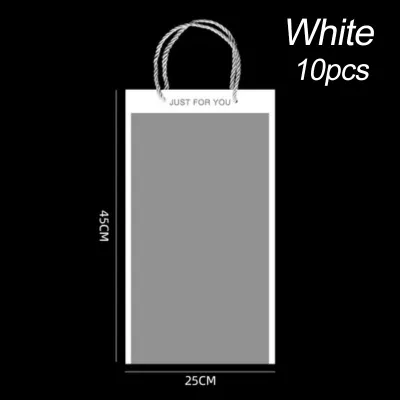
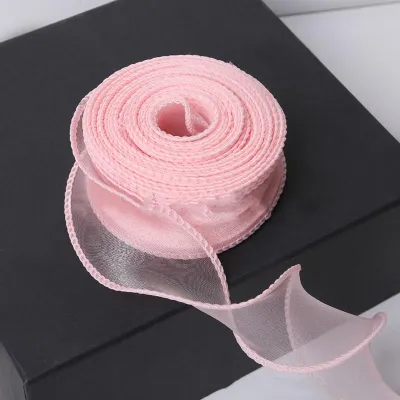
Prices are valid at publication and may change. Please refer to the product page for the latest price.
Moisture resistance and breathability are critical for maintaining flower freshness. Cellophane is completely waterproof, preventing external leaks from water tubes or damp stems, but it lacks breathability, which can trap heat and humidity around the blooms. Kraft paper is highly breathable, allowing air circulation that prevents mold in dry arrangements, but it absorbs water rapidly and loses its strength when wet. Non-woven fabric occupies a practical middle ground; it is highly breathable and naturally water-resistant, meaning it will not disintegrate when exposed to light splashes or damp stems.
Structural durability and weight capacity determine how well the bag protects the arrangement during transport. Cellophane is lightweight and flexible but prone to puncturing or tearing if snagged by sharp thorns or stiff foliage. Kraft paper has decent structural rigidity when dry, making it excellent for standing bouquets, but it is strictly single-use and tears easily once damp. Non-woven fabric is exceptionally durable, resisting tears and punctures, and can support heavy potted plants or large, multi-stem arrangements while being highly reusable.
Cellophane: Best Uses and Limitations for Floral Packaging
Cellophane excels at showcasing the vivid colors and delicate details of fresh blooms. Because it is crystal clear, it allows the natural beauty of roses, sunflowers, or orchids to take center stage without any visual obstruction. This makes it a staple for retail florists in bustling markets like Dangwa, where eye-catching visual displays are essential for attracting passing customers.

Its waterproof nature is a major advantage when dealing with wet stems, water tubes, or floral foam. You can package wet arrangements securely without worrying about water leaking onto a customer’s clothing or car seats during transport. It acts as an effective barrier against external moisture, keeping the dampness contained within the bouquet’s base.
However, cellophane has notable limitations that require careful handling. It is highly susceptible to tearing once a small puncture is made, especially by sharp thorns or stiff foliage. Its complete lack of breathability can create a greenhouse effect inside the bag, particularly in hot, humid tropical climates. This trapped heat can accelerate the wilting of delicate petals if the arrangement is left in direct sunlight or a warm vehicle. Additionally, standard plastic-based cellophane presents environmental disposal challenges, as it is not easily biodegradable.
Kraft Paper: Best Uses and Limitations for Floral Packaging
Kraft paper is the go-to material for rustic, vintage, or minimalist floral designs. Its natural brown or muted color tones provide a warm, organic contrast that complements wildflowers, eucalyptus, and dried arrangements beautifully. The paper texture adds a tactile, handcrafted quality to the gift, making it highly popular for eco-conscious brands and modern boutique florists.
One of its primary functional benefits is breathability. Unlike plastic, kraft paper allows air to circulate freely around the stems and leaves, which helps regulate temperature and moisture levels. This is highly beneficial for certain fresh flowers that are sensitive to trapped moisture, as well as dried or preserved arrangements that must remain completely dry to prevent mold growth. It is also widely appreciated as an eco-friendly, biodegradable, and recyclable packaging option.
The main drawback of kraft paper is its vulnerability to water damage. When exposed to wet stems, condensation, or direct spills, the paper fibers quickly absorb moisture, causing the bag to soften, sag, and lose its structural integrity. A damp kraft paper bag can easily tear under the weight of the bouquet, risking damage to the flowers inside. Therefore, it requires careful moisture management when used with fresh cut flowers.
Non-Woven: Best Uses and Limitations for Floral Packaging
Non-woven fabric bags are engineered for superior weight capacity and structural stability. Made from bonded synthetic or natural fibers, this material does not tear easily, making it the ideal choice for heavy bouquets, large floral arrangements, potted plants, or corporate gifts. It maintains its shape beautifully even when carrying substantial weight, ensuring the arrangement remains upright and secure.
The durability of non-woven material makes it highly reusable. Unlike paper or thin cellophane, a non-woven flower bag can be used multiple times by the recipient, extending the life of the packaging and offering a sustainable alternative to single-use options. It can be wiped clean easily if it gets dirty during transport, making it highly practical for outdoor events and deliveries.
On the downside, non-woven fabric lacks transparency, meaning the flowers are not visible from the outside unless the bag features a clear plastic window insert. It also has a stiffer, less traditional drape compared to soft wrapping paper or flexible cellophane, which can limit certain wrapping styles that require tight folds or delicate pleats. It is generally more expensive per unit, making it a investment suited for premium arrangements.
Decision Guide: Matching Flower Types and Occasions to Materials
To make the right choice, you must align the material’s physical properties with the specific needs of your flowers and the nature of the occasion. Fresh cut flowers with high moisture requirements, such as hydrangeas or lilies, are best paired with cellophane or water-resistant non-woven bags equipped with waterproof liners. This ensures the stems stay hydrated without compromising the packaging.
For dried, preserved, or artificial flowers, kraft paper is the ideal match. Its breathability prevents any residual moisture from causing mold, and its rustic aesthetic aligns perfectly with the muted tones of dried flora. Non-woven bags also work well for large artificial arrangements due to their structural strength and ability to support heavy bases.
The occasion also dictates the material. For everyday retail sales where quick visual appeal is key, cellophane is highly efficient and cost-effective, costing only a few ₱ per piece. For weddings, eco-conscious events, or rustic-themed gatherings, kraft paper offers a charming, cohesive look. For premium corporate gifting, grand openings, or heavy potted plants, non-woven bags provide a polished, professional, and durable presentation that reflects high quality.
| Flower Type | Occasion | Priority | Recommended Material |
|---|---|---|---|
| Fresh Cut Flowers | Everyday Retail, Valentine's Day | Visibility & Moisture Resistance | Cellophane |
| Dried or Preserved | Rustic Weddings, Anniversaries | Breathability & Eco-Friendliness | Kraft Paper |
| Heavy Potted Plants | Corporate Gifts, Grand Openings | Weight Capacity & Reusability | Non-Woven |
| Mixed Bouquets | Mother's Day, Graduations | Durability & Soft Presentation | Non-Woven with Window |
Frequently Asked Questions (FAQ)
Can I use kraft paper bags for fresh flowers with wet stems?
Yes, but you must take precautions to protect the paper from direct contact with water. Because moisture compromises the structural integrity of kraft paper, placing wet stems directly inside will cause the bag to sag and tear. To prevent this, wrap the wet stems in a small plastic bag, use water tubes, or place a waterproof cellophane liner inside the kraft paper bag before inserting the flowers.
Are non-woven flower bags washable and reusable?
Yes, standard non-woven flower bags are highly reusable and can be cleaned easily. For minor dirt or water stains, simply wipe the surface with a damp cloth and allow it to air dry. While they can withstand a gentle hand wash with mild soap, avoid using harsh detergents, hot water, or excessive friction, as these can degrade the bonded fibers and weaken the bag’s structure over time.
How do I prevent cellophane bags from fogging up?
Fogging occurs when fresh flowers respire, releasing moisture that condenses on the cold inner surface of the cellophane bag, especially in humid tropical climates. To minimize condensation, ensure the flowers are cool and dry before packaging them. You can also select cellophane bags with built-in ventilation holes or leave the top of the bag open to allow adequate air circulation.

Community discussion
Share your experience or ask a question. Comments are reviewed before publication.