
Selecting the right giant pencil for kids in the Philippines requires matching the writing tool to the child’s physical hand size, developmental stage, and motor coordination. In a typical Filipino household or classroom, early writing activities are crucial milestones, yet standard pencils are often too thin for small, developing hands to grasp comfortably. By choosing a pencil with an enlarged barrel, parents can help their children transition smoothly from early scribbles to controlled handwriting. The ideal giant pencil provides the right balance of diameter, length, and lead softness, allowing young learners to practice writing without experiencing hand fatigue or frustration.
Why Grip Size and Age Matter for Early Writers
When children first begin to explore drawing and writing, their hand muscles and fine motor skills are still in the early stages of development. Standard school pencils, which typically measure around 7 to 8 millimeters in diameter, require a highly refined pinch grip that young children have not yet developed. Forcing a child to use a thin pencil too early can lead to excessive hand fatigue, finger cramping, and a tight, strained grip that is difficult to correct later in life. Giant pencils, often referred to as jumbo or toddler pencils, feature a significantly thicker barrel that naturally accommodates a child’s larger hand movements and developing muscles.
The physical transition of how a child holds a writing tool follows a predictable developmental path. Toddlers naturally start with a palmar grasp, using their entire fist to hold a crayon or pencil. As their shoulder, arm, and hand stability improves, they transition to a transitional digital grasp, where the fingers point down toward the paper, and eventually to a mature tripod grip, which utilizes the thumb, index, and middle fingers. A thicker pencil barrel bridges these developmental stages by reducing the distance the fingers must close to secure the tool. This supports a more relaxed, open hand position, preventing the child from squeezing the pencil too tightly.
Products mentioned in this guide
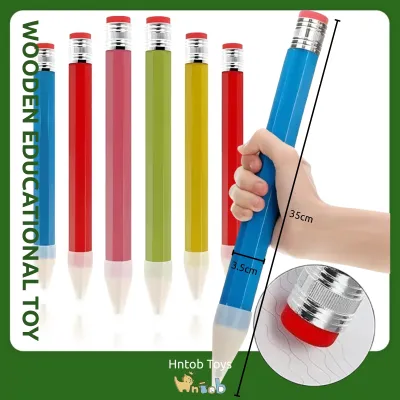
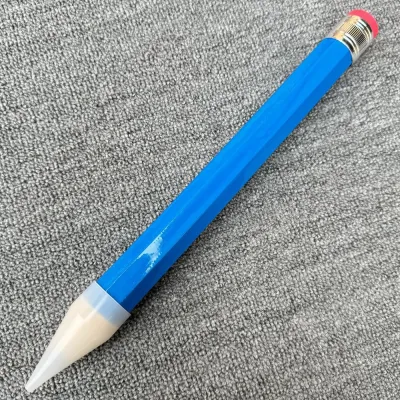
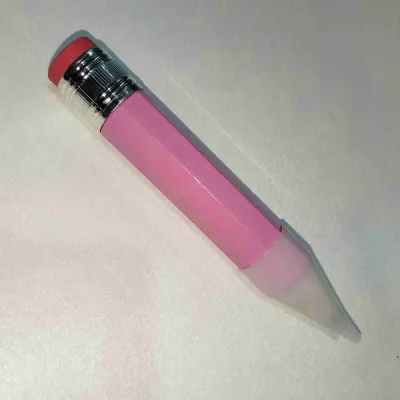
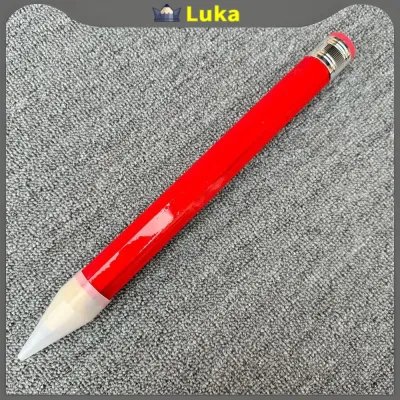
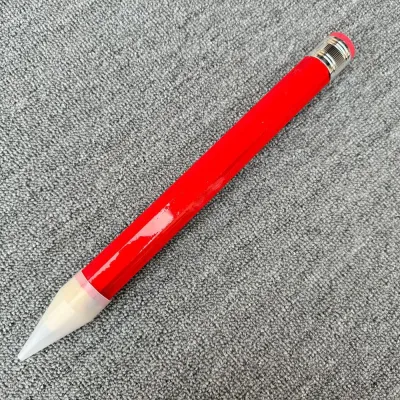
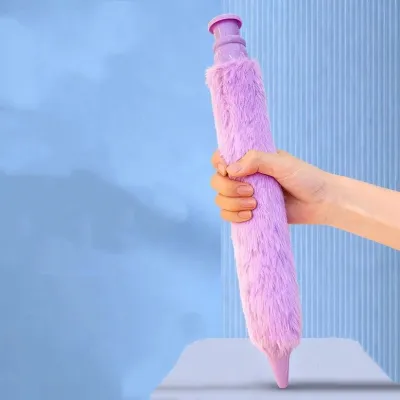
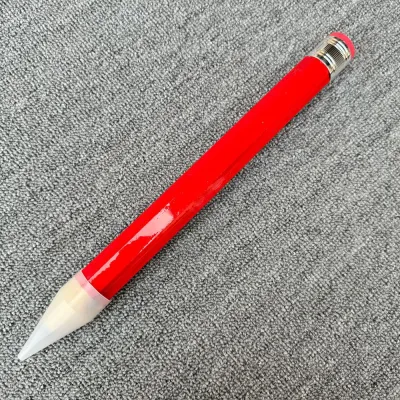
Prices are valid at publication and may change. Please refer to the product page for the latest price.
Parents can look for specific, observable signs to determine when a child is ready to transition from thick wax crayons or markers to their first giant pencil. If a child shows a keen interest in imitating adult writing, attempts to draw distinct lines or shapes, or begins to shift their grip from a full fist to using their fingers, they are likely ready for a pencil. Additionally, if you notice your child struggling to control a standard pencil—evidenced by heavy hand shaking, frequent complaints of pain, or pressing so hard that the paper tears—it is a clear indicator that their hand muscles require the structural support of a larger writing tool.
Key Features to Check Before Buying
Navigating the school supplies aisle or browsing online stores can be overwhelming due to the sheer variety of children’s writing instruments. To make an informed decision, parents must look past colorful marketing designs and evaluate the core technical specifications of each pencil. Understanding these physical properties ensures that the selected tool actively supports the child’s learning process. Before purchasing, always check the manufacturer’s packaging for age recommendations, safety certifications, and specific material details.

Diameter and Length
The physical dimensions of a giant pencil are the most critical factors in determining its suitability for your child’s hand. While standard pencils have a diameter of approximately 7 to 8 millimeters, giant pencils generally range from 9 to 12 millimeters. This seemingly small difference in millimeters significantly alters how the pencil feels in a young child’s hand. When evaluating product descriptions, look for exact millimeter measurements rather than relying solely on generic terms like “jumbo” or “giant,” which can vary widely between brands.
In addition to diameter, the length of the pencil plays a vital role in balance and control. Standard pencils are typically around 17.5 centimeters long, which can make them top-heavy for small hands, causing the pencil to wobble or lean backward. Shorter giant pencils, often measuring between 12 and 15 centimeters, lower the center of gravity. This shorter length keeps the weight of the pencil closer to the paper, providing superior stability and making it much easier for a toddler or preschooler to guide the tip accurately.
Lead Softness and Core Quality
The type of graphite core inside a giant pencil directly impacts how much physical effort a child must exert to make a mark on paper. Standard school pencils usually feature HB lead, which is relatively hard and requires moderate downward pressure to produce a dark line. For young children whose hand strength is still developing, using an HB lead can lead to frustration, as they may press too hard, tear the paper, or experience rapid hand fatigue. Opting for pencils with softer leads, such as 2B, 3B, or even 4B, allows the child to write and draw with minimal pressure, leaving clear, dark lines effortlessly.
Another critical aspect of core quality is break resistance. Children are naturally prone to dropping their writing tools, and repeated impacts can shatter the graphite core inside the wood casing, leading to endless sharpening frustration. Look for packaging labels that specify break-resistant core bonding, which indicates that the lead is securely glued to the wooden casing along its entire length. Furthermore, because young children frequently put pencils in their mouths, always verify that the product carries non-toxic certifications, such as the European EN71 standard or the AP non-toxic seal, ensuring the materials are safe for daily use.
Grip Design and Ergonomics
The cross-sectional shape of a giant pencil barrel plays a major role in guiding proper finger placement. Round barrels, while traditional, offer no natural guidance for finger positioning and can easily roll off slanted desks or tables, causing constant distraction. Triangular barrels are highly recommended for early writers because their three flat sides naturally correspond to the three fingers used in a mature tripod grip. Hexagonal barrels also provide flat surfaces that prevent rolling and offer decent grip traction, making them an excellent transitional option for older children.
Some giant pencils feature advanced ergonomic designs, such as molded non-slip grips, three-sided finger indentations, or soft-touch coatings. These features can be highly beneficial for children who struggle with finger slippage, especially in the warm, humid climate of the Philippines where sweaty hands are common. However, parents should exercise caution when considering separate, slide-on rubber grip adapters. While these adapters can widen a standard pencil, they often add uneven weight, slide out of place, or become a source of distraction for a child who would rather play with the rubber accessory than focus on writing.
Age-Based Guidelines for Selecting Giant Pencils
As children grow, their hand size, bone structure, and fine motor coordination undergo rapid changes. A pencil that is perfect for a two-year-old scribbler will likely feel cumbersome and restrictive to a six-year-old learning to write full sentences. Understanding these developmental shifts allows parents to select the most appropriate tool for each stage of learning. Keep in mind that every child develops at their own pace, so it is always best to observe your child’s actual hand movements and grip comfort rather than relying strictly on age brackets.
Toddlers (Ages 2–3): Focus on Grasping
For toddlers between the ages of two and three, the primary goal of using a pencil is to explore mark-making, develop hand-eye coordination, and build basic hand strength. At this stage, children almost exclusively use a palmar grasp, holding the writing tool with their entire fist. To accommodate this natural grip, parents should prioritize the thickest available giant pencils, ideally those with a diameter of 11 to 12 millimeters.
Shorter lengths are absolutely essential for this age group to prevent the top of the pencil from whipping around or poking toward the child’s face. A triangular barrel shape is highly recommended, as the wide, flat surfaces encourage early finger separation and lay the foundation for a more mature grip later on. To keep toddlers engaged and excited about practicing, choose pencils with bright, vibrant barrel colors or fun patterns. At this stage, the focus should be entirely on playful scribbling and sensory exploration rather than structured writing.
Preschoolers (Ages 3–5): Building Control
As children enter preschool, their fine motor skills become more refined, and they begin to transition from a full-fist grasp to a transitional digital grasp or an early tripod grip. During this phase, children start learning to control their hand movements to draw basic shapes, trace lines, and attempt their first letters. To support this transition, parents can introduce slightly narrower jumbo pencils, typically around 9 to 10 millimeters in diameter, which offer a balance between comfort and precision.
Standard-length giant pencils can be introduced at this stage, provided the child demonstrates sufficient hand control. Hexagonal or triangular barrels are ideal for preschoolers, as they prevent the pencils from constantly rolling off small school desks, reducing classroom distractions. It is also beneficial to select pencils with soft 2B graphite cores. This ensures that as children practice forming letters, they can produce dark, legible strokes without needing to press down with excessive force, which helps prevent early hand fatigue during longer drawing or writing sessions.
Early Elementary (Ages 5–7): Transitioning to Standard Tools
By the time children reach early elementary school, usually between five and seven years of age, they are expected to write more consistently and with greater precision. At this stage, most children have developed a mature tripod grip and are ready to transition toward standard-sized school supplies. However, moving too quickly to a thin pencil can cause some children to regress or experience hand strain.
Parents should watch for signs that a giant pencil is now hindering the child’s progress rather than helping. If you notice your child wrapping their fingers awkwardly around a thick barrel, or if they struggle to write small letters within standard notebook lines, it is time to transition to a standard-diameter pencil. If the child still requires some tactile feedback or extra grip support during this transition, you can use standard-diameter pencils equipped with simple, ergonomic slide-on grips. Alternatively, reserve the giant pencils for creative projects, large-format drawing, or coloring activities where fine-line precision is less critical.
Where to Buy and What to Verify
In the Philippines, parents have several options for sourcing high-quality giant pencils, ranging from traditional brick-and-mortar stationery stores to popular online marketplaces. Local physical stores allow you to hold the pencils in your hand, assess their weight, and let your child try the grip before making a purchase. Online marketplaces often provide a wider selection of international brands and bulk purchasing options, which can be highly convenient for preparing for the upcoming school year.
When shopping online, it is crucial to read user reviews carefully to verify the actual quality of the product. Look for specific feedback regarding the true thickness of the barrel, the quality of the wood casing, and how frequently the lead breaks during sharpening. Many low-quality pencils use brittle wood that splinters easily or off-center graphite cores that make sharpening nearly impossible. Reading experiences from other parents can save you from purchasing a frustrating product.
Upon receiving your purchase, conduct a quick physical inspection before allowing your child to use the pencils. Check that the wood casing is smooth and free of splinters, and ensure the paint or lacquer finish is intact and non-peeling. Look closely at the tip of the pencil to verify that the graphite core is perfectly centered within the wood; an off-center core will break repeatedly when sharpened. Finally, evaluate the cost-effectiveness of the product by calculating the price in ₱ per pencil rather than focusing solely on the total pack price. Investing slightly more in a durable, break-resistant giant pencil often saves money in the long run by reducing the frequency of replacements.
Frequently Asked Questions (FAQ)
Can I use a regular pencil with a thick grip adapter instead of buying giant pencils?
While slide-on grip adapters can be a cost-effective way to widen a standard pencil, they do not offer the same balanced experience as a solid, purpose-built giant pencil. Standard pencils are longer and have a higher center of gravity, which can make them top-heavy and difficult for toddlers or preschoolers to control, even with a thick grip attached. Additionally, separate rubber grips can easily slide out of position, twist during use, or become a major distraction for young children who may prefer to pull them off and play with them. For early learners who are just developing their fine motor skills, a solid giant pencil with a built-in triangular or hexagonal shape provides superior stability, consistent weight distribution, and a more reliable writing experience.
How do I know when my child is ready to stop using giant pencils?
Your child is ready to transition to standard-sized pencils when they consistently demonstrate a stable, relaxed tripod grip without showing signs of hand fatigue, tension, or frustration. Observe their writing habits: if they can easily control their hand movements to write small, neat letters within standard school notebook lines, they no longer require the extra surface area of a jumbo barrel. Another practical indicator is when the child begins to complain that the thick pencil feels clumsy or heavy, or when they express frustration because their giant pencil does not fit into standard classroom pencil sharpeners or pencil cases. When these signs appear, introduce standard pencils gradually during short writing tasks to ensure a smooth and comfortable transition.

Community discussion
Share your experience or ask a question. Comments are reviewed before publication.