
Selecting the perfect ribbon is the defining step in turning a simple wrapped package into a memorable presentation. The right ribbon does more than secure the wrapping paper; it establishes the visual tone, adds tactile contrast, and holds the structural shape of your bows. To make the best choice, you must evaluate how different ribbon materials behave under various conditions, especially when dealing with tropical humidity or long-distance transport. Understanding the unique characteristics of satin, organza, grosgrain, and natural fibers allows you to match your ribbon to the specific demands of your gift, ensuring your presentation remains intact and visually striking.
How to Match Ribbon Materials to Your Wrapping Project
To build a reliable decision framework for your wrapping projects, start by evaluating the formality and setting of the occasion. High-profile events such as weddings, debuts, and formal corporate gatherings naturally call for ribbons with a refined sheen and smooth texture, which convey elegance. Conversely, casual birthdays, family gatherings, or rustic outdoor celebrations pair beautifully with matte, textured, or natural fiber options that feel warm and personal.
Next, consider the texture and pattern of your wrapping paper to create a balanced visual composition. A high-gloss wrapping paper can easily overwhelm a shiny satin ribbon, whereas pairing that same glossy paper with a textured grosgrain or a sheer organza creates an appealing contrast. If you are using heavily patterned paper, a solid-colored, wide ribbon provides a resting place for the eyes, while plain kraft paper serves as an excellent neutral canvas for vibrant, patterned, or metallic ribbons.
Products mentioned in this guide
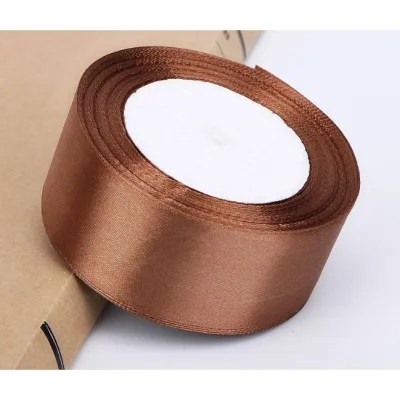
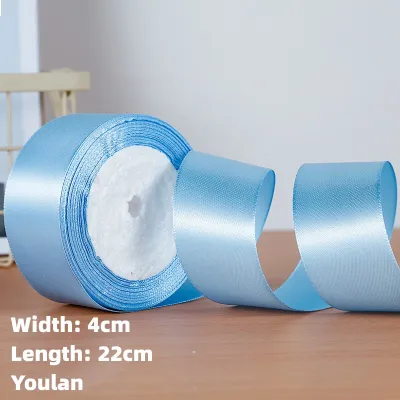
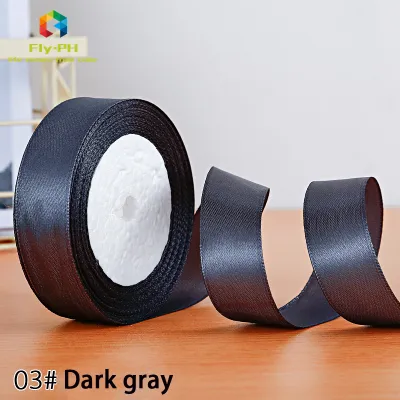
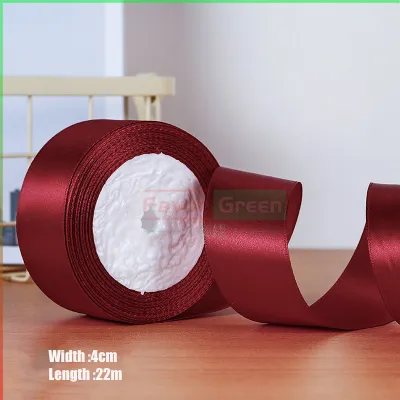
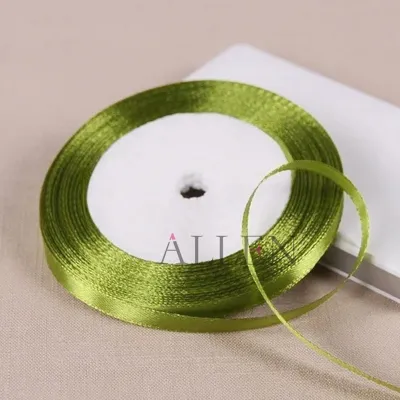
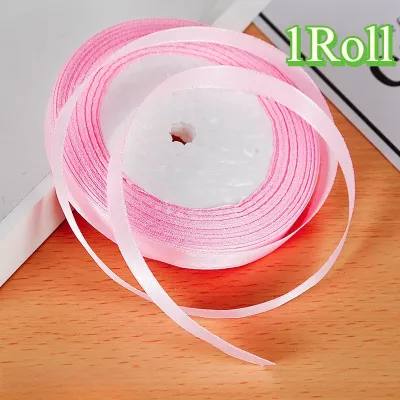
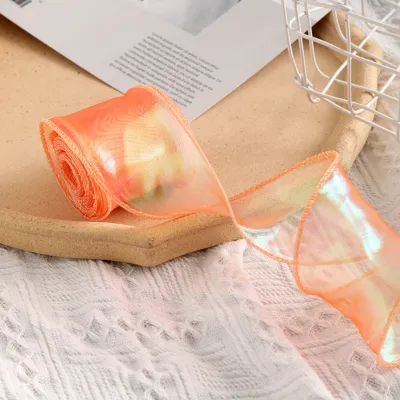
Prices are valid at publication and may change. Please refer to the product page for the latest price.
Durability and handling are equally critical factors, particularly in warm, humid climates where moisture can soften paper and compromise ribbon tension. If a gift is destined to be stacked, shipped, or handled frequently during transport, you need a resilient material that resists crushing and maintains its knot structure. Finally, align your choice with the recipient’s personal style and your overall aesthetic theme, ensuring the final presentation feels cohesive and intentional.
Common Ribbon Materials and When to Use Them
The way a ribbon behaves—how it drapes, holds a knot, and responds to tension—is determined entirely by its material weave and finish. Different manufacturing processes produce distinct textures that dictate whether a ribbon will slip out of a knot or hold a crisp, voluminous loop.

Rather than relying solely on marketing names or attractive packaging, it is best to guide your selection by examining manufacturer specifications, label details, and the physical texture of the material. Checking the fiber content and weave density on the product label will give you a clear indication of how the ribbon will perform during the wrapping process.
Satin Ribbon
Satin ribbon is the classic choice for formal, elegant presentations, prized for its smooth, highly reflective surface that catches the light beautifully. This material is exceptionally suited for milestone celebrations such as weddings, anniversaries, and premium corporate gifts where a luxurious aesthetic is paramount. The glossy finish of satin pairs most effectively with matte, textured, or solid-colored wrapping papers, creating a sophisticated contrast that highlights the ribbon’s sheen.
However, the very smoothness that makes satin beautiful also makes it notoriously slippery and challenging to tie. To manage this slippery nature and prevent your bows from unraveling, consider using double knots, securing the center with fine floral wire, or applying a small piece of double-sided tape beneath the knot. Additionally, pay close attention to whether you are purchasing single-faced or double-faced satin; single-faced satin is shiny on only one side, requiring careful twisting during tying to ensure the dull underside remains hidden, while double-faced satin features a lustrous finish on both sides for effortless styling.
Organza Ribbon
Organza ribbon offers a lightweight, ethereal quality that is perfect for delicate, airy, and layered wrapping designs. Woven from sheer, fine fibers, organza has a distinctively crisp texture that allows it to hold voluminous, fluffy bows without adding heavy bulk or weight to the package. This makes it an ideal choice for baby showers, spring celebrations, bridal showers, and wrapping delicate jewelry or pastry boxes.
Because organza is translucent, it allows the pattern or color of the underlying wrapping paper to show through, offering unique opportunities for creative styling. You can pair a solid organza ribbon with highly detailed patterned paper to soften the design, or layer multiple organza ribbons of varying widths and complementary colors to build a rich, textured look. One key consideration when working with organza is its tendency to fray at the cut ends; always check the cut quality and consider applying a tiny drop of fabric sealant or cutting the ends at a sharp diagonal angle to keep the presentation neat.
Grosgrain Ribbon
Grosgrain ribbon is a highly versatile, beginner-friendly option that is excellent for structured bows and everyday gifting. Characterized by its distinctive ribbed texture and matte finish, grosgrain provides an exceptional grip that makes it incredibly easy to tie, tighten, and maintain in a crisp shape. This durability makes it the go-to material for birthday gifts, holiday packages, and craft projects where the bow must withstand handling and transport without losing its form.
Grosgrain is widely available in an extensive range of widths, solid colors, and festive printed patterns, making it easy to match any themed event. When selecting grosgrain, it is helpful to check the material blend on the product label, as the stiffness and drape can vary noticeably between pure cotton, polyester, and nylon blends. Synthetic blends often offer more structural rigidity for upright bow loops, while cotton-blend grosgrain provides a softer, more matte appearance.
Burlap, Cotton, and Twine
For rustic, eco-friendly, or minimalist wrapping styles, natural fiber ribbons like burlap, cotton, and twine are unmatched in their organic appeal. These materials feature a coarse, matte texture that provides a striking, tactile contrast when paired with glossy, metallic, or heavily patterned wrapping papers. They are ideal for outdoor-themed gifts, eco-conscious recipients, and neutral, understated presentations that celebrate simplicity.
The scale of your gift should dictate which natural fiber you choose; thin cotton cords and rustic twine are best suited for simple cross-ties, securing gift tags, or wrapping small, delicate packages. For larger boxes and heavy gift baskets, wider burlap ribbons provide the necessary visual weight and structural support. When working with natural fibers in humid tropical environments, it is wise to check the product label for colorfastness, as moisture can sometimes cause dyes in natural fibers to bleed onto light-colored wrapping paper.
Velvet and Specialty Ribbons
When you want to make a high-impact statement or create a sense of seasonal luxury, investing in premium velvet or wired specialty ribbons is highly effective. Velvet ribbon features a rich, dense pile that absorbs light, offering a deep, saturated color and a luxurious tactile experience that is perfect for winter holidays, milestone celebrations, and VIP client gifts. Wired specialty ribbons, on the other hand, contain thin, flexible wires woven into their edges, allowing you to sculpt, shape, and fluff bow loops with absolute precision.
These premium materials require careful handling to preserve their appearance and structural integrity. To prevent permanent creasing, crushing of the velvet pile, or bending of the wired edges, always store these ribbons flat or loosely rolled on wide spools rather than folding them. When cutting wired ribbons, use dedicated craft shears rather than your best fabric scissors to avoid dulling the blades on the metal wire.
Practical Tips for Sizing, Tying, and Storing Ribbons
Achieving a professional-looking gift presentation requires accurate measurements and proper handling techniques. To estimate the amount of ribbon needed for a standard wrap, a reliable general method is to wrap the ribbon around the length and width of the box, multiply that total by two, and then add at least 60 centimeters (or about an arm’s length) to account for the bow loops and tails. For larger boxes or more complex, multi-looped bows, increasing this safety margin ensures you do not run short at the very end of your project.
Selecting the right ribbon width is equally important for maintaining visual balance. As a general guideline, reserve narrow ribbons (under 1.5 centimeters) for small jewelry boxes or delicate favors, and use wider ribbons (3 to 5 centimeters or more) for large shirt boxes, hampers, and deep gift baskets. If you are working with slippery materials like satin or organza, you can prevent the knot from sliding during the tying process by placing a small piece of double-sided tape or a tiny dab of craft glue directly at the center of the knot before pulling it tight.
Proper storage is essential for keeping your ribbon collection in pristine, reusable condition, especially in humid climates where dust and moisture can ruin delicate fabrics. Avoid tossing loose ribbons into a drawer where they can easily tangle, crease, and accumulate dust. Instead, wind your ribbons neatly onto dedicated spools, secure the ends with a small pin or a piece of low-tack tape, and store them in a dry, covered container or hang them on a ribbon dispenser rack to maintain their smooth texture and vibrant colors.
Frequently Asked Questions (FAQ)
How much ribbon do I need to wrap a standard gift box?
To determine the correct ribbon length for a standard rectangular gift box, measure the length, width, and depth of the box. A practical formula is to multiply the sum of these dimensions by two, and then add an extra 60 to 90 centimeters to accommodate the bow loops and tails. If you are planning a complex bow with multiple layers or long, cascading tails, it is wise to add a full arm’s length as a physical buffer. To avoid wasting premium ribbon, you can perform a quick dry run by wrapping a piece of household string or a flexible measuring tape around the box exactly how you intend to tie the ribbon, then measuring that string to find your precise cut length.
Which ribbon is easiest for beginners to tie into a bow?
For beginners or anyone who struggles with shaping bows, grosgrain ribbon and wired-edge ribbons are the easiest and most forgiving options. Grosgrain features a ribbed texture that naturally grips against itself, preventing the knot from slipping or loosening while you form the loops. Wired ribbons are equally excellent because the thin wire along the edges holds whatever shape you bend it into, allowing you to easily correct asymmetrical loops and fluff the bow to perfection. In contrast, highly slippery materials like single-faced satin or very thin, floppy organza can be frustrating for beginners because they lack structural memory and tend to slip out of tight knots during the tying process. Starting with a medium-width grosgrain (around 2 to 2.5 centimeters) provides the ideal balance of grip and flexibility for practicing your bow-tying technique.

Community discussion
Share your experience or ask a question. Comments are reviewed before publication.