
Selecting the right heavy duty envelope with a handle requires balancing document protection, professional appearance, and the physical demands of your daily transit. Rather than relying solely on marketing labels, identifying the specific environmental and structural stresses your documents face will help you choose a solution that genuinely fits your routine. In a tropical climate where sudden downpours and humid commutes are common, making an informed choice ensures your important papers remain pristine.
Defining Your Primary Document Transport Scenario
Commuting in the Philippines often involves navigating high humidity, sudden tropical downpours, and crowded public utility vehicles. If you frequently travel via open-air transport or walk through busy streets, your documents require robust protection against moisture and physical compression. A flimsy folder will quickly succumb to these elements, risking crumpled pages or ink bleeds.
Document volume and size are equally critical when selecting your transport companion. Standard office paperwork in the local context often utilizes A4 or longer legal-size dimensions, sometimes referred to as long bond paper. Ensure the envelope’s internal dimensions comfortably accommodate these sizes without bending the corners. Bulky contracts, thick folders, or multi-page bidding documents will require a wider gusset to prevent seam splitting.
Products mentioned in this guide
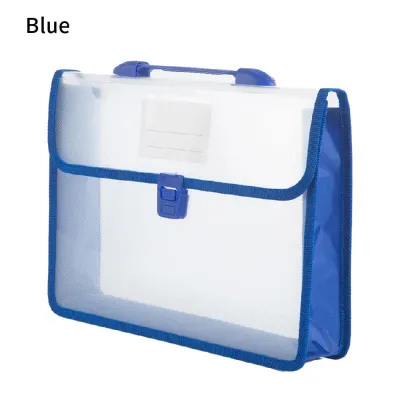
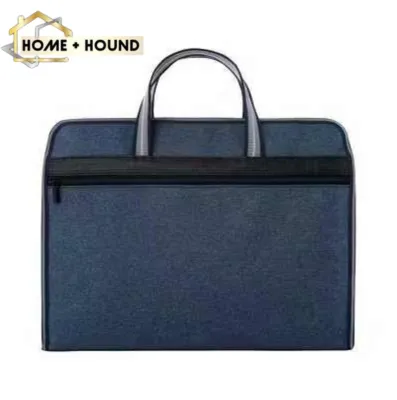
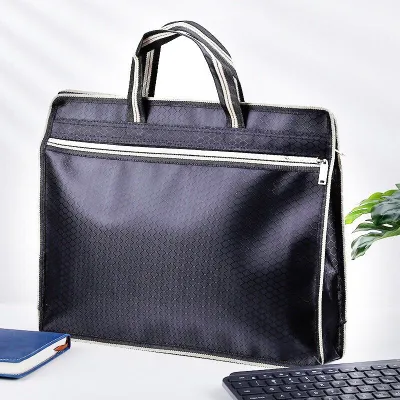
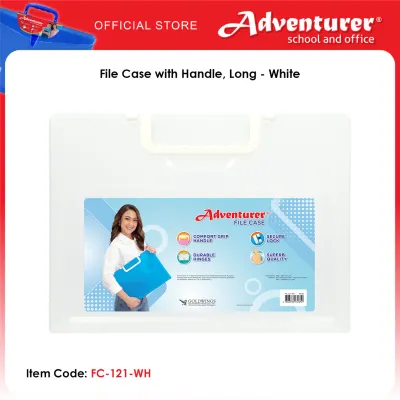
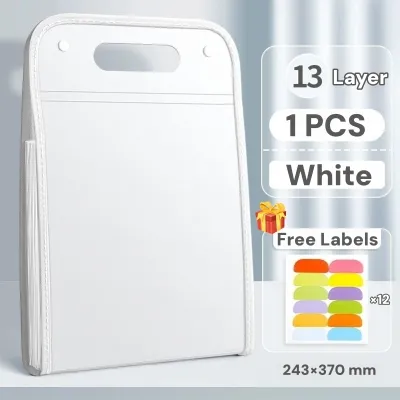
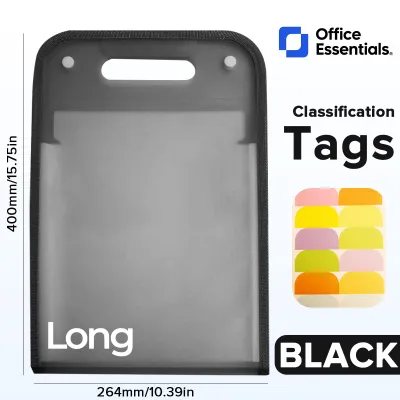
Prices are valid at publication and may change. Please refer to the product page for the latest price.
Finally, consider the balance between access speed and security during your journey. A simple snap button or zipper allows for quick retrieval during fast-paced meetings or academic submissions. However, if you are sending sensitive financial records or legal deeds via a third-party courier, a tamper-evident or lockable closure is necessary to maintain a secure chain of custody.
How to Verify True Heavy Duty Durability
Die-cut handles are integrated directly into the body of the envelope, offering a streamlined profile. While they eliminate the risk of a handle detaching, they rely entirely on the tear resistance of the base material. If the envelope is overloaded, the plastic around a die-cut handle can stretch or tear under the concentrated weight.

In contrast, attached handles—whether stitched, riveted, or molded from rigid plastic—distribute weight more evenly but introduce potential failure points at the connection seams. Inspect these attachment points for double-stitching or metal reinforcement before purchasing. A reinforced backing plate behind the rivet is a strong indicator of a durable build.
True heavy-duty performance also depends on the thickness of the material, typically measured in microns or millimeters for plastics like polypropylene and PVC. Look for heat-welded edges that fuse the sheets together, or double-stitched fabric borders that prevent the sides from splitting when stuffed to capacity. Thicker materials also provide better structural rigidity to keep papers flat.
Closure mechanisms require close inspection to ensure long-term wear resistance. Zippers offer the most continuous seal but can snag if the teeth are made of low-grade plastic; heavy-duty metal or thick nylon zippers are preferable. Snap buttons are convenient but can pull out of the material if the surrounding plastic is too thin. Hook-and-loop fasteners provide a strong hold but can collect lint and lose grip over time in dusty environments.
In a tropical climate, water resistance is non-negotiable for daily document safety. Polypropylene and PVC are naturally waterproof, keeping rain out as long as the closures and seams are sealed. Treated canvas or heavy-duty nylon offers excellent water resistance and superior flexibility, though they may eventually absorb moisture under prolonged, heavy exposure.
Matching Envelope Designs to Specific Use Cases
Selecting the right design depends heavily on where you intend to carry it and who will see it.
Office Commuting and Daily Transit
For the daily commute through unpredictable weather and packed transit lines, prioritize water-resistant materials like thick polypropylene with a secure zipper closure. This combination shields your paperwork from sudden downpours and accidental spills inside crowded bags.
Look for wide, ergonomic handles made of soft plastic or fabric webbing. These handles reduce hand fatigue when you are standing on a long commute or walking between transit terminals, ensuring a more comfortable grip.
Client Meetings and Professional Presentations
When presenting contracts or marketing collateral to clients, your envelope serves as an extension of your professional image. Choose structured, rigid materials like heavy-gauge molded plastic or reinforced faux leather that keep documents perfectly flat and crease-free.
Opt for minimalist designs in neutral tones with discreet, low-profile handles. Clean finishes and hidden closures ensure your presentation looks polished and formal in any boardroom setting, conveying attention to detail.
School Submissions and Campus Carry
Students need envelopes that can survive being crammed into backpacks alongside heavy textbooks, or carried across campus in the heat. Prioritize high-tear-resistance materials with reinforced fabric corners to prevent splitting under pressure.
An expandable gusset is highly beneficial here, allowing you to carry multiple notebooks, thick submission portfolios, and writing instruments in a single, organized container without damaging the contents.
Business Document Delivery and Courier Handoffs
For point-to-point document transfers, security and clarity are paramount. Select envelopes with secure, lockable zippers or tamper-evident seals to ensure the contents remain confidential during transit.
The handle must be exceptionally robust to withstand quick handoffs between dispatch riders and office staff. Additionally, look for designs that feature a clear exterior pocket or a matte surface that allows for secure placement of routing slips, address labels, or waybills.
Cross-Scenario Compatibility and Maintenance
While specialized envelopes excel in their specific niches, a versatile, medium-thickness polypropylene envelope with a secure zipper and a comfortable fabric handle can serve multiple roles. However, using a single envelope for everything requires regular maintenance to prolong its lifespan.
To clean plastic envelopes, wipe them down with a damp cloth and mild soap; avoid harsh chemical solvents that can degrade the material or cloud clear windows. Store your envelopes in a cool, dry place away from direct sunlight, as prolonged exposure to tropical heat can warp plastic and weaken adhesive bonds.
Regularly inspect the handle seams and closures for signs of wear, such as fraying threads or loose snaps. Replacing the envelope before a complete failure occurs prevents costly document damage or loss during transit.
Frequently Asked Questions (FAQ)
Can a heavy duty envelope with a handle replace a traditional briefcase?
While a heavy-duty envelope offers excellent flexibility and lightweight convenience for carrying documents, it cannot fully replace a traditional briefcase. Envelopes lack the rigid internal structure and padded compartments needed to protect laptops, tablets, and other sensitive electronics from impact. They are best reserved for document-only transport where mobility is your primary goal.
Are die-cut handles as durable as attached handles?
Die-cut handles are highly durable for light to moderate loads because they have no seams or rivets that can fail. However, their strength is limited by the tear resistance of the envelope’s base material. For carrying heavy stacks of paper, legal binders, or books, attached handles with reinforced stitching or metal rivets are superior because they distribute the weight more effectively across the entire structure.

Community discussion
Share your experience or ask a question. Comments are reviewed before publication.