
Quick Answer: Matching Your Binder to Your Savings Frequency
Weekly ipon challenges require a high-capacity binder system, typically in an A5 size with 25mm to 30mm rings, to accommodate up to 52 individual cash envelopes. Monthly challenges are far more compact, making a portable A6 binder with 15mm to 20mm rings and 12 slots highly efficient. The primary trade-off lies between the physical volume of cash stored and how easily you can carry or conceal the binder.
Comparing Binder Sizes and Ring Capacities
Choosing the right physical dimensions for your ipon challenge binder directly impacts how easily you can store, organize, and hide your savings. The most common sizes available in stationery shops and online marketplaces are A5, A6, and A7. An A5 binder offers a spacious layout that easily fits unfolded Philippine peso bills, but it takes up significant space on a desk or inside a drawer. A6 is the highly popular middle ground, balancing portability with enough space to hold folded bills comfortably. A7 is ultra-compact, ideal for small-scale savings, but it requires folding bills multiple times, which rapidly increases the thickness of your stack.

Ring diameter is the ultimate limiting factor for any ring-bound system. Standard binders typically feature ring sizes ranging from 15mm to 30mm. A 15mm ring can comfortably hold about 10 to 15 empty zipper envelopes, but once you start adding cash, the binder will struggle to close. For a complete savings tracker, a 20mm or 30mm ring mechanism is necessary to accommodate both the plastic inserts and the physical bulk of the bills.
Products mentioned in this guide
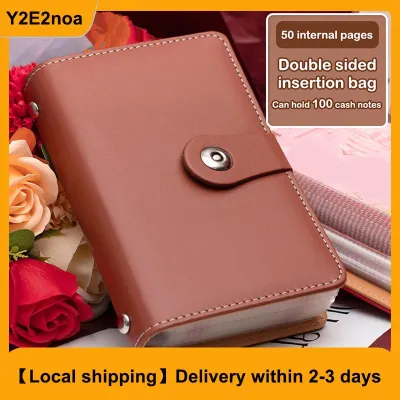
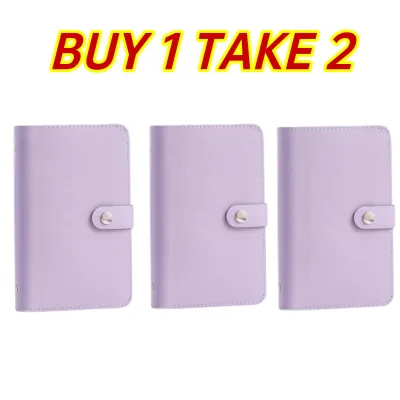
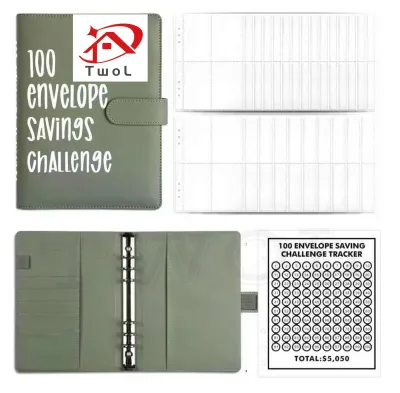
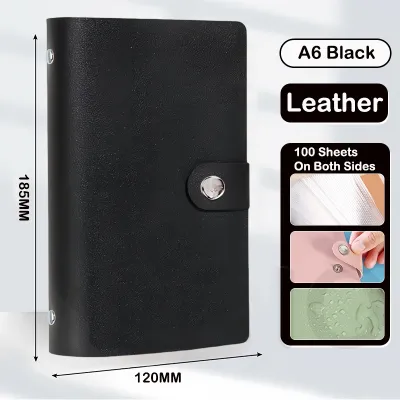
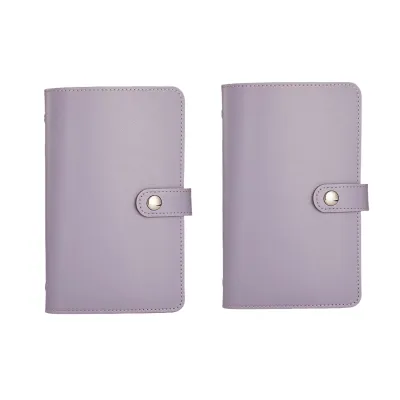
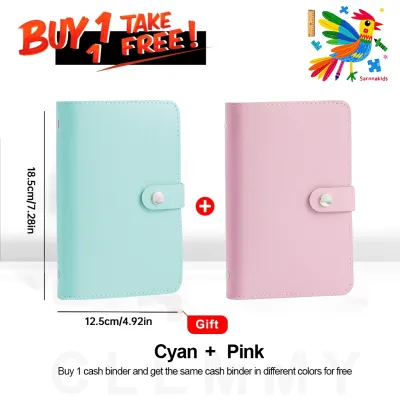
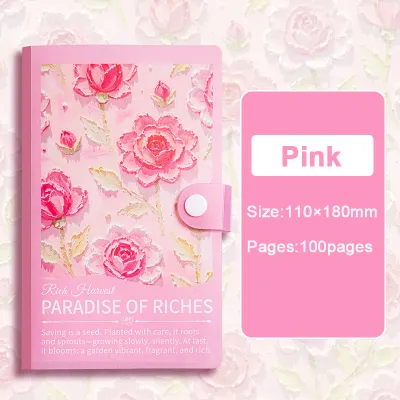
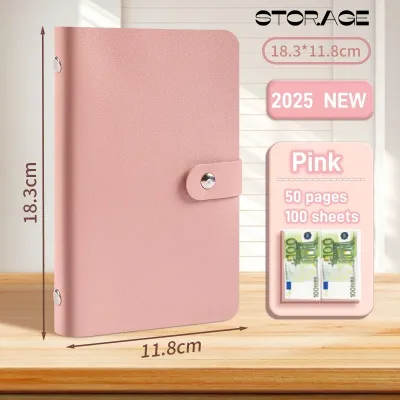
Prices are valid at publication and may change. Please refer to the product page for the latest price.
Before purchasing a binder, verify the following specifications to ensure a proper fit:
- Ring Spacing: Standard 6-ring binders have specific spacing configurations (typically 19mm between rings, with a larger gap in the middle). Ensure your pre-punched envelopes match this exact layout.
- Cover Width: Check that the binder cover is wide enough to fully conceal the zipper tabs of your envelopes when closed. Narrow covers may leave the plastic zippers protruding from the edge.
- Closure Type: Magnetic snaps offer quick access but can pop open if the binder is overstuffed. Elastic bands or zipper closures provide more security for high-volume cash storage.
Weekly Challenges: High-Capacity Needs
A weekly ipon challenge spans 52 weeks, which means you need to manage up to 52 individual cash slots or envelopes. Storing 52 plastic pouches in a single binder creates immense bulk, even before any money is deposited. The plastic zippers alone stack up on one side, creating an uneven, wedge-shaped binder that is difficult to close and store flat.
To manage this high-capacity requirement, you must distribute the physical bulk strategically. One effective method is to use index dividers to separate the year into quarters, allowing you to organize the 52 envelopes into manageable sections. If the binder rings begin to strain, consider using a two-binder system—one for the first half of the year (weeks 1 to 26) and another for the second half (weeks 27 to 52). Alternatively, you can regularly empty completed envelopes, deposit the accumulated cash into a bank account, and replace the physical bills with paper tracking slips to free up ring space.
Monthly Challenges: Compact and Portable Needs
Monthly savings challenges require only 12 individual slots, making them much easier to manage in a compact format. An A6 binder with standard 15mm or 20mm rings is perfectly suited for this low-frequency setup. Because you only need 12 envelopes, the binder remains slim, lightweight, and highly portable, allowing you to keep it tucked away discreetly in a home safe or a small drawer.
This compact layout also makes it easy to integrate your savings challenge directly into your daily personal planner. You can dedicate a single section of your existing A6 or A5 organizer to your monthly ipon goals by inserting 12 zipper pouches alongside your monthly calendar and budget sheets. This consolidated approach ensures you review your savings progress every time you update your schedule, keeping your financial goals top of mind without requiring a separate notebook.
Selecting Inserts and Envelopes for Cash Protection
The inserts you choose will determine how well your cash is protected from physical wear and environmental damage. PVC zipper pouches are the most popular choice because they are transparent, water-resistant, and secure. However, PVC can stick together in hot, humid climates, and the plastic zippers add significant thickness to the binder spine. Paper envelopes are a slimmer, highly customizable alternative that reduces overall bulk, but they lack visibility and can tear easily over a year of constant use. Matte transparent sleeves offer a middle ground, providing visibility and water resistance without the bulky zipper mechanisms, though they require careful handling to prevent bills from sliding out.
The physical condition of your paper currency also plays a major role in how much space you need. Crisp, new bills lie flat and take up minimal space, while crumpled, folded, or worn bills occupy up to three times the volume. If you are using an A6 or A7 binder, you will need to fold your Philippine peso bills to fit them inside the envelopes. To maximize your binder’s capacity, flatten older bills before inserting them, and try to use larger denominations (such as exchanging five ₱100 bills for one ₱500 bill) to keep the physical stack as thin as possible.
Labeling your inserts clearly is essential for tracking your progress, but you must choose methods that do not ruin your envelopes. Avoid writing directly on plastic pouches with permanent markers, as the ink can smudge or transfer onto other pages. Instead, use removable paper tracking cards inserted inside the pouches, or apply low-tack paper stickers to the outside of the envelopes. This allows you to reuse the same binder and inserts for a new challenge next year without leaving sticky residue or permanent marks.
Decision Framework: Choosing Your Ideal Setup
To select the perfect ipon challenge binder, evaluate your savings frequency, cash volume, and storage preferences using the following framework:
- Weekly Savings (High Volume, Low Denominations): Choose an A5 binder with 30mm rings. Use PVC zipper pouches with paper tracking inserts. This setup provides the physical space needed for 52 entries and handles the bulk of smaller, frequent bills.
- Monthly Savings (Low Volume, High Denominations): Choose an A6 binder with 15mm to 20mm rings. Use a combination of paper envelopes and transparent sleeves to keep the profile slim and highly portable.
- Hybrid Savings (Combined Weekly and Monthly Goals): Choose an A5 binder with 25mm rings. Use index dividers to separate your weekly tracking section from your monthly long-term goals, ensuring the rings are not overloaded.
Before finalizing your purchase, perform a quick physical check of your planned setup. Gather the average number of bills you expect to store at any one time, fold them as required by your chosen binder size, and measure the stack’s thickness. Compare this measurement to the inner diameter of the binder rings to guarantee that your fully loaded binder will close securely without damaging the ring mechanism or tearing the inserts.
Frequently Asked Questions (FAQ)
Can I use a regular office binder for a savings challenge?
Yes, you can use a standard office binder, but you will need to address compatibility issues. Standard office binders typically use a 2-ring, 3-ring, or 4-ring mechanism designed for A4 or letter-sized paper, which does not align with the 6-ring punch pattern of typical A5 or A6 cash envelopes. To make this work, you must purchase a specialized adjustable hole punch to prep your own custom paper envelopes, or use adhesive pocket inserts that stick directly onto standard binder pages. Keep in mind that office binders are much larger and less discreet than personal planners.
How do I prevent my cash from getting damaged inside the binder?
To protect your savings, avoid overstuffing individual envelopes beyond their natural capacity, as excessive pressure can crease the bills or split the plastic seams. In the tropical climate of the Philippines, high humidity can cause paper money to develop mold, mildew, or a musty odor, and can cause PVC pockets to stick together. Store your binder in a cool, dry place away from direct sunlight, and consider placing a small, food-safe silica gel packet inside the binder cover to absorb excess moisture and keep your cash crisp.

Community discussion
Share your experience or ask a question. Comments are reviewed before publication.