
Choosing the right Joy clay assorted colors set depends on matching the specific formulation to your project’s structural needs, the local climate conditions, and your desired color palette. Whether you are crafting miniature figurines, school dioramas, or detailed sculptures, selecting the correct set ensures your creation remains durable and vibrant. In the tropical climate of the Philippines, factors like high humidity and ambient temperature play a significant role in how clay behaves during modeling and curing, making a thoughtful selection even more critical.
By understanding the physical properties of different clay types and evaluating your design requirements beforehand, you can avoid common crafting pitfalls. This guide will help you decode product labels, select the most efficient color assortments, and maintain your materials for long-lasting use.
Define Your Crafting Project Requirements
Before purchasing any clay set, you must establish the physical and visual parameters of your project. Consider the level of detail your design requires. Delicate, intricate sculptures need a clay that holds fine lines without slumping, whereas larger, blockier models require structural stability and a formulation that resists sagging under its own weight.
Products mentioned in this guide
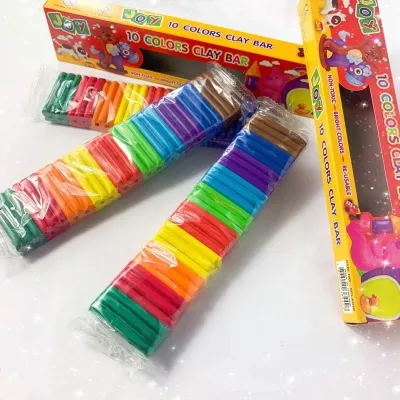
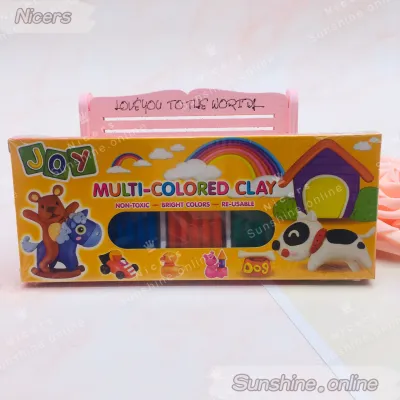
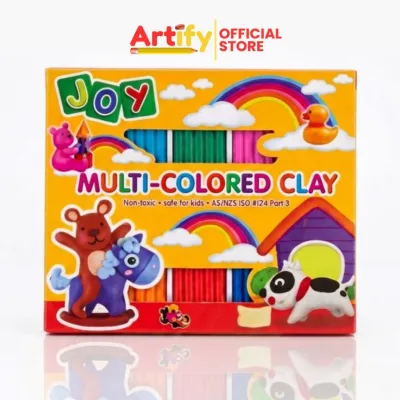
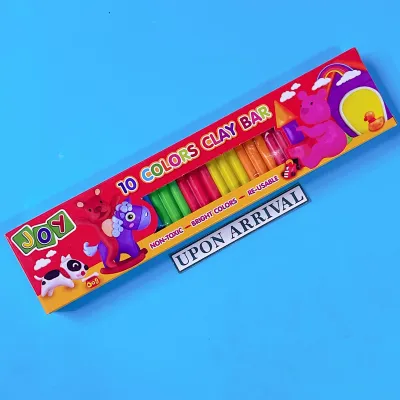
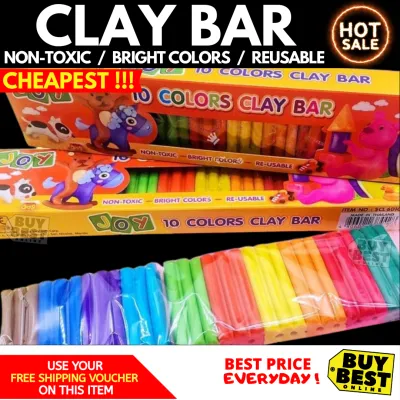
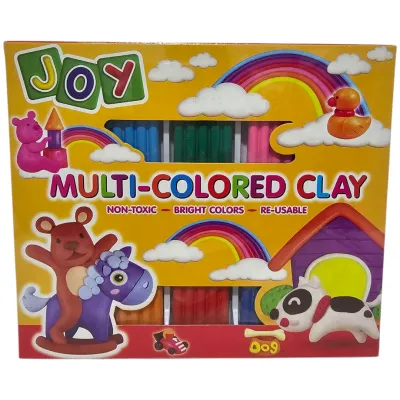
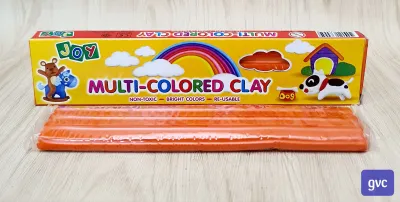
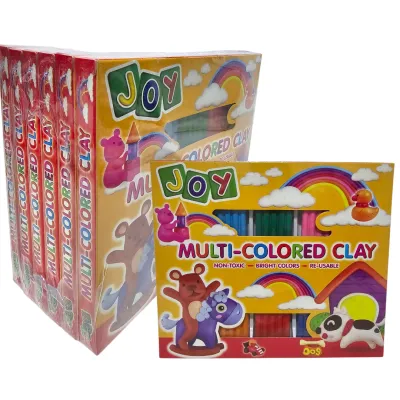
Prices are valid at publication and may change. Please refer to the product page for the latest price.
Weight is another critical factor. If you are creating hanging ornaments, jewelry, or elements to attach to lightweight backings, a heavy clay will cause sagging or breakage. For these applications, lightweight formulations that cure to an airy finish are ideal. Conversely, paperweights or freestanding figurines benefit from denser, heavier clays that provide a solid, stable base.
Estimate the total volume of clay your project will consume before you buy. Measure the planned dimensions of your piece and compare them to the net weight or volume listed on the packaging. Running out of a specific shade mid-project can ruin your color consistency, especially if you have custom-blended a unique hue that is difficult to replicate.
Finally, decide on your finishing method. If you plan to paint or seal the final piece, you can opt for a basic color set or even a single-color pack. However, if you want to preserve the original molded colors directly from the package, an assorted set with a wide range of vibrant, pre-mixed shades is essential to achieve the depth and contrast your design demands.
Decode the Material Types on Joy Clay Packaging
Joy clay products come in several distinct formulations, each designed for specific crafting techniques. To ensure your project succeeds, you must read the manufacturer’s curing instructions on the packaging. The three primary categories you will encounter are air-dry, oil-based (often labeled as plastilina or modeling clay), and oven-bake formulations.

Air-dry clay is highly popular for its convenience, as it cures at room temperature without requiring specialized equipment. However, in the humid tropical climate of the Philippines, drying times can be significantly longer than the standard estimates printed on the box. You must plan for extended curing windows and keep your drying pieces in a well-ventilated, dry space away from direct sunlight to prevent uneven drying.
Oil-based modeling clay is non-hardening, meaning it remains pliable indefinitely. This makes it excellent for temporary models, prototyping, and classroom activities where the clay will be reused multiple times. Because it does not cure, it is highly sensitive to ambient heat; in warm tropical rooms, it may become exceptionally soft, requiring a cooler workspace to maintain fine details.
Oven-bake clay, or polymer clay, requires a domestic oven to cure and harden completely. This type offers excellent detail retention and durability once baked. When selecting this option, verify that you have access to an oven with accurate temperature controls, as under-baking leads to brittle pieces, while over-baking can release unpleasant fumes.
Safety is paramount, especially when crafting involves children or prolonged skin contact. Always check the packaging for non-toxic certifications, such as the EN71 or AP non-toxic seals, and review the manufacturer’s age recommendations. Ensure your workspace is well-ventilated, and establish a habit of washing hands thoroughly after every modeling session.
Review the technical specifications on the label, including the expected shrinkage rate and water resistance. Air-dry clays naturally shrink slightly as their water content evaporates, which can cause cracking if molded around rigid armatures. If your project requires high dimensional accuracy or will be exposed to moisture, verify if the packaging recommends a specific sealant or if an alternative clay type is more suitable.
Select the Right Color Assortment for Your Design
Once you have identified the correct material formulation, you must evaluate the color palette of the assorted set. A basic set containing primary colors (red, yellow, blue) along with black and white is highly versatile for crafters who enjoy color theory. With these foundational shades, you can mix almost any custom hue, though it requires patience and precise portioning to maintain consistency across different batches.
For complex projects or when working with children, a larger assorted set with pre-mixed pastel, neon, or earth tones is often more efficient. Pre-mixed shades save time and eliminate the frustration of trying to recreate a specific color blend if you run out. Compare the number of colors in the set against the complexity of your design to ensure you have all the necessary shades readily available.
Pay close attention to the size of each individual color block within the assortment. Some sets offer many colors but in very small quantities per block, which is ideal for small details or miniature models but insufficient for larger structural bases. If your design features a dominant background color, consider purchasing a larger single-color block of that shade alongside your assorted set.
Before applying clay to your main project, always plan your color blending and test small batches on a scrap piece. Take a small pinch of each color you intend to mix, blend them thoroughly, and observe the final result under natural light. This step is particularly important for air-dry clays, as some formulations dry slightly darker or more matte than they appear when wet.
Inspect the Product Before Purchase
To ensure a smooth crafting experience, you must physically inspect the clay set before completing your purchase. Start by examining the outer packaging and the integrity of the inner seals. For air-dry formulations, even a microscopic tear in the plastic wrapping can allow moisture to escape, resulting in a partially hardened, unusable block of clay before you even open it.
Gently press the clay through the packaging if the retail environment allows. It should feel yielding and pliable, not rock-hard or completely rigid. If the package feels stiff or shows signs of dust and fading on the cardboard sleeve, it may have been stored on the shelf for an extended period, leading to degraded material quality.
Check the box for a manufacturing date, batch code, or expiration guidelines. While oil-based clays have an exceptionally long shelf life, air-dry and polymer clays can degrade over time, especially when exposed to fluctuating warehouse temperatures and high humidity. Opting for newer stock guarantees the clay retains its intended elasticity and moisture content.
Verify what accessories, if any, are included in the assorted set. Some Joy clay packages come bundled with basic plastic modeling tools, rollers, or small packets of glaze. If these are advertised on the label, ensure they are present in the package. If your project requires specialized detailing, however, plan to acquire dedicated wooden or stainless-steel sculpting tools separately, as bundled plastic tools are typically designed for basic shaping.
Troubleshoot Common Modeling and Drying Issues
Even with the right clay set, you may encounter challenges during the modeling and curing phases. Surface cracking is a common issue with air-dry clay, often caused by rapid or uneven drying. To prevent and fix minor cracks, keep a small cup of water nearby; you can smooth out surface imperfections by gently rubbing a damp finger or a wet sculpting tool over the affected area.
If a crack develops after the piece has partially dried, do not panic. You can create a “slip” by mixing a small amount of the same clay with water until it reaches a paste-like consistency. Apply this paste into the crack using a fine tool, smooth the edges, and allow it to dry slowly. This technique fills the void and restores the structural integrity of your sculpture.
Color transfer or staining on your hands, tools, and work surfaces can occur, especially when working with highly pigmented shades like deep red, blue, or black. To prevent cross-contamination between colors, always work from lighter shades to darker shades, or wash your hands and wipe down your tools with a damp cloth before switching colors. Protecting your work surface with a silicone mat or wax paper makes cleanup much easier.
If the clay feels too stiff straight out of the package, you can adjust its texture based on its formulation. For water-based air-dry clays, kneading the block with a few drops of water will quickly restore its pliability. For oil-based or polymer clays that feel hard, warm them up by kneading them thoroughly between your hands; your body heat will soften the binders and make the material workable. If a clay feels excessively sticky, let it sit exposed to the air for a few minutes to allow excess moisture or oils to disperse slightly.
Find Reliable Retailers and Verify Authenticity
To guarantee you receive genuine, high-quality Joy clay, select your retail channels carefully. Purchasing from official brand storefronts or established, reputable stationery and craft supply shops ensures that the products have been stored in temperature-controlled environments and are rotated regularly to maintain freshness.
When shopping on online marketplaces or ecommerce platforms, always verify the seller’s ratings and read recent customer reviews. Look for reviews that specifically mention the freshness of the clay, the condition of the packaging upon arrival, and whether the colors matched the product descriptions. High seller ratings and positive feedback are strong indicators of reliable stock.
Be cautious of unusually low prices that seem too good to be true. Extremely cheap sets sold by unverified third-party sellers may be counterfeit, repackaged, or expired stock that has hardened and lost its usability. Investing in authentic products from trusted sources protects your budget and ensures your crafting projects are not ruined by substandard materials.
Frequently Asked Questions (FAQ)
Can I mix different types of Joy clay together?
No, you should avoid mixing different types of Joy clay formulations, such as blending water-based air-dry clay with oil-based modeling clay. Because these formulations rely on entirely different curing mechanisms and binders, mixing them will compromise the structural integrity of your piece. The water in air-dry clay will not mix with the oils in modeling clay, resulting in a crumbly, unstable mixture that will fail to cure properly. Always check the manufacturer’s label for specific blending instructions and stick to mixing colors within the exact same product line.
How should I store leftover assorted colors?
To extend the shelf life of your unused Joy clay, store leftover portions in airtight containers or heavy-duty, double-zipper resealable plastic bags. Squeeze out as much air as possible before sealing the bag to prevent drying. For water-based air-dry clays, placing a slightly damp paper towel or a small mist of water inside the container will help maintain the necessary moisture levels. Store all your clay sets in a cool, dry place away from direct sunlight and heat sources to prevent the materials from hardening or degrading prematurely.

Community discussion
Share your experience or ask a question. Comments are reviewed before publication.