
Organizing and protecting vital documents is a critical task for households, professionals, and business owners in the Philippines. From birth certificates and land titles to legal contracts and academic diplomas, these papers represent significant milestones and legal obligations. Storing them safely requires more than just sliding them into any available folder. The unique dimensions of local legal documents, combined with the challenges of a tropical climate, demand a specialized storage solution: a high-quality, long-size document organizer.
Using the wrong folder size can lead to irreversible damage, such as bent corners, creased edges, or torn signatures. Because standard international paper sizes like A4 and Letter do not match the longer formats commonly used in Philippine offices and government agencies, finding an organizer with the correct internal dimensions is essential. This guide explores the specific document standards used locally, evaluates the key features of durable organizers, categorizes the best styles for different use cases, and provides practical advice on building a shortlist for your purchase. By understanding what to look for, you can ensure your most valuable papers remain secure, organized, and pristine for years to come.
Understanding Document Size Standards for Legal Papers
To choose the right organizer, it is first necessary to understand the specific paper sizes used for legal and official documents in the Philippines. Unlike many countries that rely strictly on standard US Legal or A4 formats, the local market utilizes a mix of dimensions that can easily confuse buyers.
Products mentioned in this guide
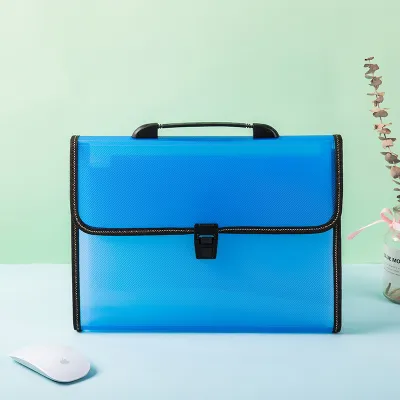
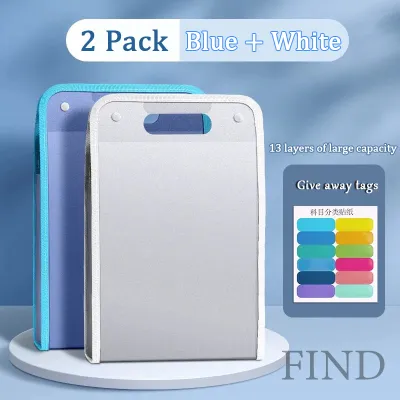
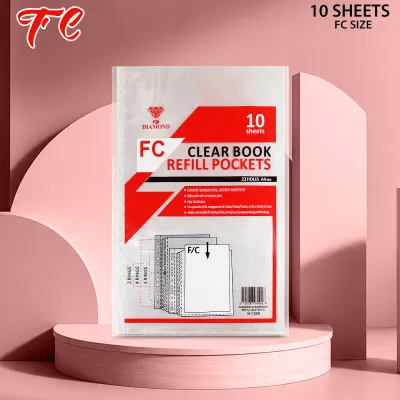
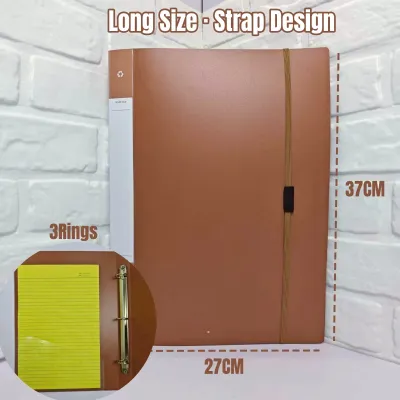
Prices are valid at publication and may change. Please refer to the product page for the latest price.
The most common format for local legal documents—such as contracts, affidavits, and government forms—is often referred to locally as “long” or “legal” size. However, this local long size typically measures 8.5 by 13 inches (216 by 330 mm), which is technically known as Folio or F4 size. In contrast, standard US Legal size, which is widely used for international contracts and certain court filings, measures 8.5 by 14 inches (216 by 356 mm). Meanwhile, standard A4 paper measures 8.27 by 11.69 inches (210 by 297 mm), and Letter size measures 8.5 by 11 inches (216 by 279 mm).
Because of these variations, standard A4 or Letter-sized folders are entirely inadequate for long-size documents. If you attempt to force a 13-inch or 14-inch document into an A4 folder, the top portion of the paper will protrude. This leaves the most critical parts of your documents—often containing official seals, dates, or signatures—exposed to dust, moisture, and physical tearing. Over time, the exposed edges will fray, yellow, and curl, compromising the integrity of the document.
Therefore, when shopping for a document organizer, you must look beyond generic marketing labels like “legal” or “long.” Some manufacturers label folders as “legal” when they are actually designed for A4 or Letter papers, or they may only accommodate the shorter 13-inch Folio size rather than the true 14-inch US Legal size. Always verify the exact internal usable dimensions provided by the manufacturer. To ensure complete compatibility with all potential legal documents, seek out organizers with an internal length of at least 14.5 inches (approx. 368 mm) and an internal width of at least 9.5 inches (approx. 241 mm). This extra clearance ensures that papers can be inserted and removed smoothly without catching on the edges or zipper teeth.
Key Features to Evaluate for Important Documents
Selecting a long-size document organizer requires a careful evaluation of materials, construction, and closure mechanisms. Because these organizers are meant to protect irreplaceable papers, prioritizing durability and security over aesthetics is highly recommended.

Material durability is the first line of defense against environmental hazards. In the Philippines, where high humidity, seasonal rains, and flooding are common, water resistance is a primary concern. Polypropylene (PP) is an excellent material choice for plastic organizers. It is lightweight, highly water-resistant, flexible, and resistant to tearing. Polyvinyl chloride (PVC) is also common and offers excellent flexibility, but buyers should be cautious: low-quality PVC can degrade in warm climates and may stick to printed ink, potentially lifting text off your documents over time. For a more structured, professional appearance, reinforced cardboard or leatherette organizers are popular. While these materials offer excellent rigidity and look sophisticated in a corporate setting, they are vulnerable to moisture. Cardboard can warp or soften in high humidity, and leatherette requires regular ventilation to prevent mold and mildew growth.
The closure mechanism determines how secure your documents remain during transport or storage. Zippers offer the highest level of security, providing a complete seal around the perimeter of the organizer to keep out dust, insects, and moisture. However, the durability of a zippered organizer depends heavily on the quality of the zipper teeth and the stitching along the seams. Snap buttons and elastic bands offer quicker access and are suitable for daily office use, but they do not provide a complete seal and can fail if the folder is overfilled. Tie strings offer an adjustable closure that accommodates varying thicknesses, but they require more time to open and close.
Internal organization features are equally important for maintaining an orderly filing system. Multi-pocket expandable designs, often called accordion folders, are ideal for separating different types of documents, such as tax records, property titles, and certificates. Look for organizers with built-in index tabs or color-coded dividers, which allow you to label each section clearly. If you prefer to store documents individually without punching holes or using paperclips, a long-size clear book with built-in plastic sleeves is an excellent alternative. These sleeves protect individual pages from fingerprints, oil, and dust while allowing you to flip through them easily.
Types of Long-Size Organizers and Their Best Use Cases
Different filing tasks require different physical designs. Understanding the strengths of each organizer type allows you to match the product to your specific storage, transport, or archiving needs.
Expandable accordion folders are the gold standard for sorting and categorizing large volumes of active legal papers. These organizers feature multiple internal pockets that expand outward, allowing you to store dozens of documents in a single, compact unit. They are highly suitable for home offices, small businesses, or individuals managing complex personal affairs, such as estate planning or tax filing. The built-in dividers make it easy to separate documents by year, client, or category. When choosing an expandable folder, ensure the bottom of the folder also expands; some designs only expand at the top, which limits their capacity and causes the folder to tip over when filled.
Zippered document bags or pouches are the ideal choice for transport and short-term protection. If you frequently need to carry original certificates, land titles, or clearance documents to government offices, banks, or legal consultations, a zippered pouch keeps your papers flat and secure. The zipper closure prevents documents from slipping out during transit, while the water-resistant plastic or nylon exterior protects against sudden tropical downpours. Many zippered pouches also feature a small external pocket for pens, ID cards, or receipts, making them highly practical for running errands.
Rigid box files and magazine holders are best suited for long-term archiving and shelf storage. These organizers provide a solid, unyielding structure that keeps documents upright and prevents them from sagging or bending under their own weight. They are excellent for storing bulky legal records, bound contracts, or historical family documents that are rarely accessed but must be preserved. Because they are rigid, they can be lined up neatly on bookshelves or inside filing cabinets, maximizing vertical storage space. For maximum protection, look for box files with secure latch closures to keep dust and pests out.
Clear books with long-size sleeves are perfect for displaying and protecting highly valuable certificates, diplomas, and licenses. Instead of loose papers, each document is slid into its own clear plastic pocket. This design allows you to view both sides of a document without removing it, protecting the paper from the natural oils on your hands. It is an excellent solution for professional portfolios, academic achievements, or family records that you want to keep organized and easily readable.
Building Your Shortlist for Online and In-Store Purchase
When you are ready to purchase a long-size document organizer, navigating the options on e-commerce platforms or in physical stationery stores requires a systematic approach. Because product descriptions can sometimes be misleading, taking a few extra steps will help you avoid buying the wrong size.
First, verify the seller’s specifications carefully. On online marketplaces, search terms like “document organizer long size” can return a mix of A4, Letter, and legal-sized products. Do not rely solely on the product title. Scroll down to the detailed product description and look for the exact dimensions in centimeters or inches. If the dimensions are not listed, or if they seem inconsistent, use the platform’s chat feature to ask the seller directly for the internal usable dimensions.
Second, leverage user-uploaded photos and reviews. Customer reviews are an invaluable resource for assessing real-world quality. Look for reviews that include photos of the organizer next to standard items, or photos showing actual long-size papers placed inside. Pay close attention to comments regarding the thickness of the plastic, the smoothness of the zipper, and the strength of the seams. If multiple reviews mention that the seams split easily or that the zipper catches, it is best to look for an alternative.
Third, compare price-to-capacity ratios to find the best value. Prices for long-size organizers in the Philippines can vary significantly depending on the material and design. A simple plastic envelope with a snap button might cost under ₱50, while a heavy-duty, multi-pocket expandable accordion folder or a premium zippered bag can range from ₱150 to ₱500 or more. If you are organizing a large volume of files for a home office or small business, look for multi-pack options or bulk listings, which often offer a lower cost per unit. Balancing your budget with the level of protection required will help you make a smart, cost-effective decision.
Maintenance and Storage Best Practices
Acquiring the right organizer is only the first step; maintaining it properly is crucial for ensuring the long-term preservation of both the folder and the valuable documents inside.
In the tropical climate of the Philippines, environmental factors like heat, humidity, and sunlight can accelerate the degradation of both plastic and paper. Always store your document organizers in a cool, dry, and well-ventilated area. Avoid placing them in direct sunlight, as UV rays can cause plastic folders to become brittle and crack, and can cause paper documents to yellow and fade. Keep organizers away from damp concrete walls or floors, which can transfer moisture and encourage the growth of mold, mildew, and paper-eating pests like silverfish.
Additionally, avoid the temptation to overstuff your organizers. While expandable folders are designed to hold a significant volume of paper, filling them beyond their intended capacity puts excessive strain on the seams, hinges, and closure mechanisms. This can cause zippers to split, snap buttons to break, or the folder itself to warp, leaving your documents vulnerable. If a folder is difficult to close, it is time to split the contents into a second organizer.
Finally, establish a routine for reviewing and purging your files. At least once a year, go through your organizers to remove outdated drafts, expired receipts, or documents that no longer serve a purpose. Keeping your filing system lean not only preserves the physical integrity of your organizers but also ensures that your most important legal papers and certificates remain easy to locate when you need them most.
Frequently Asked Questions (FAQ)
Can I use an A4 expandable folder for long-size legal papers?
No, you should not use an A4 expandable folder for long-size legal papers. A4 folders are designed specifically for papers measuring 8.27 by 11.69 inches. Local long-size papers (8.5 by 13 inches) and US legal papers (8.5 by 14 inches) are significantly longer. If you attempt to place them in an A4 folder, the top edges of the papers will protrude from the folder, leaving them exposed to dust, moisture, and physical damage. Forcing the documents down to fit will cause them to fold, crease, or tear, which can ruin official seals, signatures, and the overall integrity of important legal documents.
Are plastic document bags safe for long-term certificate storage?
Standard plastic document bags made of polypropylene (PP) are excellent for short- to medium-term protection against moisture, dust, and physical handling. However, for decades-long archival storage of highly sensitive original certificates, standard plastics can pose risks. Some plastics, particularly those containing PVC, can release acidic compounds over time or stick to the printed ink, causing it to lift off the paper. For long-term preservation, it is highly recommended to place your original certificates inside acid-free, archival-quality protective sleeves before storing them inside your long-size document organizer.

Community discussion
Share your experience or ask a question. Comments are reviewed before publication.