
Selecting the right magical waterscape set for an elementary school art class requires balancing creative excitement with practical classroom management. These kits, which allow children to create floating paint designs or reveal vibrant colors using water-filled pens, offer a highly tactile and engaging sensory experience. However, a successful classroom activity depends on choosing a kit that matches your students’ fine motor skills, fits within a standard class period, and does not leave the classroom in a state of watery chaos. By focusing on safety certifications, component completeness, and cleanup requirements, educators and parents can select the ideal set to inspire young artists without overwhelming the school day.
When planning these activities, teachers must consider the physical environment of the classroom. Unlike a dedicated home art space, a school setting involves managing multiple students simultaneously at shared desks, often with limited access to sinks. The choice of kit will dictate whether you need a highly structured, mess-free activity or a more elaborate, open-ended artistic project. This guide evaluates the essential features, types, and practical logistics of magical waterscape sets to help you make an informed purchasing decision for your next art lesson.
Key Features to Look for in a Magical Waterscape Set
Safety is the absolute priority when introducing liquid-based art supplies to elementary students. Look for clear packaging labels indicating non-toxic formulations, such as ASTM D-4236 or EN71 certifications, which verify that the materials have been evaluated for safety. Because children may accidentally touch their eyes or mouths during the activity, verifying these safety standards before purchasing is essential. Avoid any kits that lack clear ingredient disclosures or safety labels, especially when working with younger grade levels.
Products mentioned in this guide
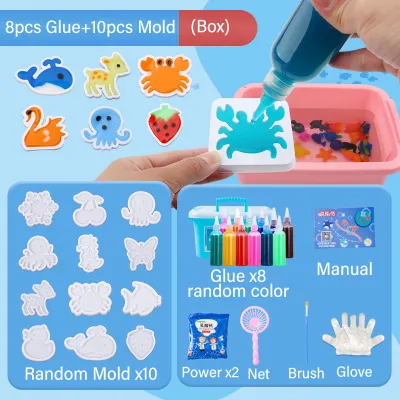
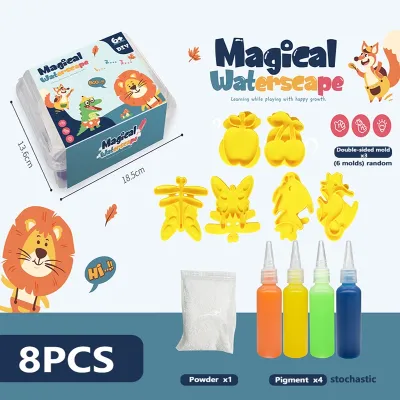
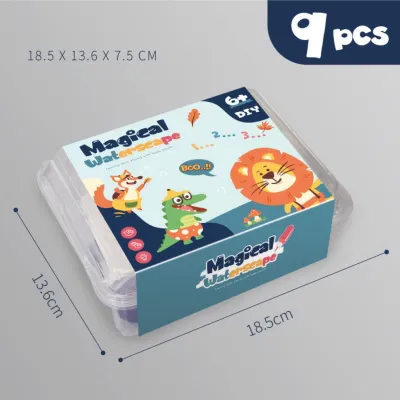
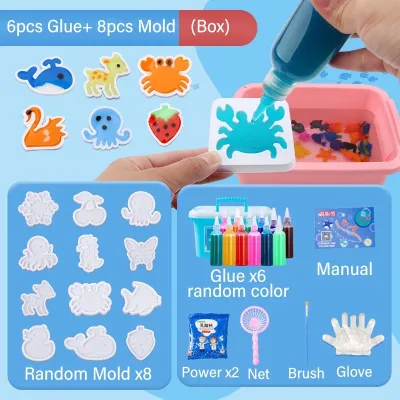
Prices are valid at publication and may change. Please refer to the product page for the latest price.
Component completeness is another critical factor to prevent mid-class interruptions. A comprehensive water marbling kit should include not just the floating paints, but also the thickening powder (often carrageenan or methylcellulose), a shallow tray that fits the provided paper, pipettes, styluses or combs for pattern making, and specialized paper that can withstand being submerged. If any of these items are missing, you may find yourself scrambling to find alternatives, which can disrupt the flow of your lesson and reduce the active crafting time for your students.
Paper compatibility and weight must be verified to ensure the artwork survives the dipping process. Standard copy paper will quickly disintegrate, warp, or tear when dipped into a water tray. Look for kits that include heavy-weight, unsized paper or specialized marbling paper that absorbs the paint smoothly without tearing. If you plan to buy refills separately, verify that the paper dimensions match your dipping trays to ensure a seamless transfer process without awkward folding or edge-crimping.
Skill level alignment is crucial for maintaining student engagement and preventing frustration. Younger elementary students in grades 1 to 3 benefit most from simple water-reveal sets that require minimal fine motor control and carry zero risk of spills. Older students in grades 4 to 6 have the hand-eye coordination required to mix thickening solutions, drop paint precisely from pipettes, and use styluses to swirl intricate patterns on the water’s surface. Matching the kit’s complexity to the students’ developmental stage ensures a rewarding artistic experience rather than a frustrating struggle.
Types of Magical Waterscape Sets for the Classroom
Water marbling and ebru-style kits represent the more advanced category of magical waterscapes. In these sets, students prepare a liquid bath using a thickening agent, which increases the water’s surface tension and density so that specialized acrylic paints float on top instead of sinking. Students use styluses, combs, or brushes to manipulate the floating colors into swirling, organic patterns before gently laying a sheet of paper on top to transfer the design. This process teaches students about fluid dynamics, surface tension, and color theory in a highly visual, hands-on way.

Magic water reveal or aqua doodle sets offer a completely different, mess-free alternative. These kits typically feature reusable boards or fabric mats pre-printed with hidden designs that appear when wet. Students use refillable water pens or brushes to paint over the surface, revealing vibrant colors that fade away as the water evaporates. Because these sets require only tap water, they eliminate the need for paints, dyes, or chemical solutions, making them exceptionally safe and easy to manage for large groups of young children.
When comparing these two types, educators must weigh the trade-offs between creative freedom and preparation time. Water marbling kits offer limitless creative expression, as no two prints are ever identical, but they require significant preparation, including mixing the thickening solution hours in advance, and carry a higher risk of spills and stained clothing. Water reveal sets require virtually zero setup and drying time, but they offer structured, pre-determined designs that limit individual artistic expression. Choosing between them depends on whether your lesson plan prioritizes open-ended creativity or quick, mess-free execution.
For a standard 40-minute art class, water reveal sets are highly efficient because they allow students to start drawing immediately and require no drying time before the bell rings. If you choose water marbling, you will need to allocate at least 15 minutes for setup and another 15 minutes for cleanup, leaving a tight window for the actual art-making. Understanding these operational differences helps you select a kit that fits realistically within your school’s daily schedule.
Managing Preparation and Cleanup in a School Setting
Integrating a liquid-based art activity into a limited school period requires careful workspace protection. Shared desks should be covered with thick plastic table covers or laminated mats to contain accidental spills. Having a stack of old newspapers or absorbent towels on hand is essential for quickly catching drips when students lift their wet paper from the marbling trays. Organizing students into small groups can also help contain the mess to designated zones in the classroom.
Drying time management is a unique challenge in tropical environments with high ambient humidity, such as the Philippines. Wet marbling prints can take a significant amount of time to dry completely, which can lead to smudging if students try to pack them into their bags too early. To manage this, set up a dedicated drying area using clotheslines and plastic pegs, or lay out large sheets of cardboard where students can place their wet artwork flat. Advise students to use minimal water or solution to speed up the drying process.
Post-class cleanup routines must be planned down to the minute. For water marbling, establish a clear protocol for disposing of the thickened water solution; while many modern kits use biodegradable powders that can be poured down the drain with running water, it is always best to check the manufacturer’s instructions first. Provide a washing station with mild soap and water for cleaning trays, pipettes, and styluses, and ensure all tools are thoroughly dried before being packed away to prevent mold growth in humid storage areas.
To make cleanup more efficient, assign specific roles to student helpers, such as collecting used styluses, wiping down trays, or managing the drying rack. This not only speeds up the transition to the next class but also teaches students responsibility and teamwork. Keeping a few spray bottles filled with water and microfiber cloths handy will make quick work of any stray paint drops on desks or chairs.
Building Your Purchasing Shortlist
When calculating the required quantities for your classroom, consider whether students will work individually or in groups. While individual stations offer the most hands-on experience, sharing a marbling tray between two or three students can significantly reduce preparation time, water usage, and overall cost. If you choose a group setup, ensure you have enough individual styluses and paper sheets so that every student can create their own unique print. Allocating a budget of ₱500 to ₱1,000 per group can often secure high-quality, multi-student kits that last for several sessions.
Always check the availability of refill packs and replacement components before committing to a specific brand. A high-quality kit is only as good as its longevity; if you cannot easily purchase replacement marbling paint, thickening powder, or specialized paper, the entire set may become unusable after a single class. Look for brands that offer standalone paint refills and bulk paper packs to keep your art program cost-effective over the school year.
Finally, carefully verify the manufacturer’s instructions regarding age limits, storage conditions, and expiration dates. Liquid paints and thickening powders can degrade over time, especially when stored in warm, humid school supply closets. Keep your supplies in a cool, dry place, and check the shelf life of the liquid components to ensure they remain effective for your scheduled art sessions. Taking these precautions prevents the disappointment of ruined materials on the day of the activity.
Frequently Asked Questions (FAQ)
Are water marbling kits safe for unsupervised use? (FAQ)
Water marbling kits are not recommended for unsupervised use by elementary school students. While high-quality kits use non-toxic, water-based paints and organic thickening agents like carrageenan, the process involves handling liquid solutions, fine powders, and small tools like styluses and pipettes. Adult supervision is necessary to ensure students do not ingest the materials, rub their eyes with paint-covered hands, or create slipping hazards from spilled water. Teachers or parents should always oversee the preparation of the thickening solution and guide the cleanup process to maintain a safe creative environment.
How long does it take for water-based art to dry? (FAQ)
The drying time for water-based art projects varies widely depending on the kit type, paper thickness, and local environmental conditions. For water marbling prints, drying can take anywhere from 30 minutes to several hours, especially in high-humidity tropical climates. To minimize drying times, use highly absorbent, heavyweight paper and gently blot excess moisture from the print’s surface with a clean paper towel immediately after transferring. In contrast, magic water reveal mats and books typically dry and reset within 5 to 15 minutes as the water evaporates, allowing for rapid, repeated use during a single class session.

Community discussion
Share your experience or ask a question. Comments are reviewed before publication.