
Determining the ideal number of pockets in a long expanding file folder organizer depends on your document volume and how you plan to categorize your paperwork. For simple monthly filing, a 12-pocket or 13-pocket folder is standard. For complex alphabetical sorting or managing multiple active projects, a 24-pocket or 26-pocket organizer is more appropriate. In tropical climates where high humidity can cause loose papers to warp, absorb moisture, or stick together, choosing the right capacity prevents overstuffing and protects vital documents like land titles, tax forms, and school records from damage.
Assessing Your Document Volume and Categorization Needs
Before purchasing a long expanding file folder organizer, it is essential to evaluate the physical volume of your paperwork. A standard ream of paper contains 500 sheets and measures approximately 5 centimeters in thickness. If your accumulated documents approach or exceed this thickness, a single slim folder will quickly become overstuffed. Overstuffing puts immense pressure on the bottom seams and side gussets, which can lead to tearing and cause the edges of your documents to bend or crumple.
Next, define your primary categorization logic. Consider how you naturally search for files. Do you look for documents chronologically by month, alphabetically by client name, or topically by project? If you are managing household utilities, you might group documents by service provider. For business operations, sorting by fiscal quarter or tax category is often more practical.
Products mentioned in this guide
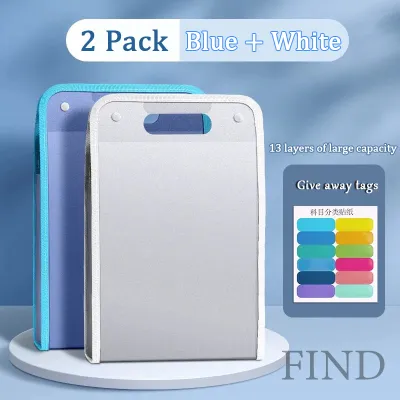

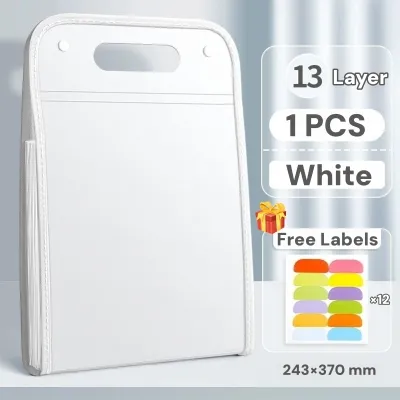
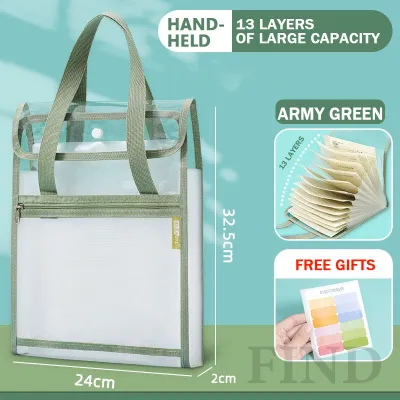
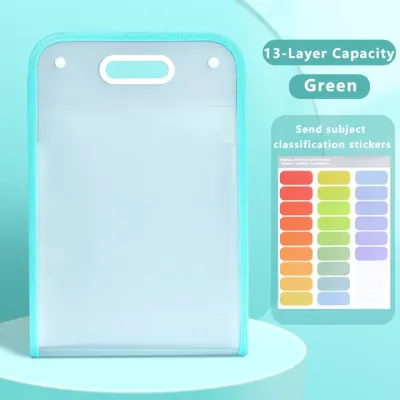
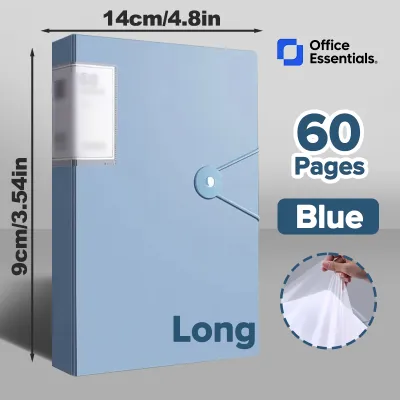
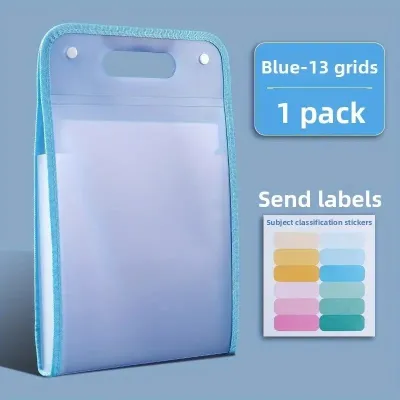

Prices are valid at publication and may change. Please refer to the product page for the latest price.
You must also determine if your sub-categories require dedicated pockets or if they can share a single pocket. For instance, you can group all utility bills in one pocket using internal color-coded sticky tabs to separate electricity, water, and internet statements. While this reduces the number of pockets you need, it requires a folder with wider individual pockets to accommodate the grouped files without pinching the edges.
Matching Pocket Counts to Common Filing Scenarios
Once you understand your document volume and sorting logic, you can match these needs to standard market configurations. Expanding folders are widely available in several pocket counts, each suited to specific organizational tasks.

A 5-pocket to 7-pocket folder is ideal for short-term projects, academic semesters, or basic household sorting. Students can assign one pocket to each subject, while homeowners can use them to separate active bills, medical records, and basic identification papers. These smaller folders are highly portable and fit easily into backpacks or messenger bags.
A 12-pocket or 13-pocket folder is the standard choice for chronological filing. With one pocket for each month of the year, it is perfect for tracking monthly expenses, utility bills, or business receipts. The 13th pocket in a 13-pocket model is highly useful for storing an annual summary, tax returns, or year-end financial statements.
For comprehensive filing, a 24-pocket or 26-pocket organizer provides the necessary depth. This configuration is designed for alphabetical sorting (A to Z) or bi-monthly tracking. It is highly suitable for real estate agents managing multiple property listings, legal professionals handling diverse case files, or small business owners organizing vendor invoices alphabetically.
When selecting these larger capacities, evaluate the pocket depth and gusset expansion. Ensure the bottom of the folder expands as wide as the top. Some folders feature a “V-shaped” expansion that remains narrow at the base, which limits the capacity of each pocket and forces papers upward, potentially blocking the closure mechanism. A flat-bottom accordion design allows the folder to stand upright on a desk, distributing the weight of thick document stacks evenly.
Sizing and Compatibility Checks for Long Folders
In the Philippines, “long” paper typically refers to legal-sized paper (8.5 by 13 inches), which is slightly shorter than US Legal paper (8.5 by 14 inches) but significantly longer than standard A4 paper (8.27 by 11.69 inches). When choosing a long expanding file folder organizer, always verify the internal dimensions provided by the manufacturer. The internal pockets should measure at least 13.5 inches wide and 9.5 inches high. This extra clearance ensures that long documents slide in smoothly without their top or side edges crumpling when you close the folder.
The material of the gussets—the expanding sides of the folder—is critical for durability. In humid tropical environments, paper absorbs moisture from the air, making document stacks heavier and more prone to sticking together. Look for folders made from thick, moisture-resistant polypropylene. This material protects your documents from ambient humidity and prevents the folder from sagging or tearing under the weight of damp paper.
Finally, measure the closed and fully expanded exterior dimensions of the organizer. If you plan to store the folder in a filing cabinet drawer, a desk shelf, or a transport bag, ensure there is sufficient clearance. A fully expanded 24-pocket folder can stretch up to 50 centimeters or more in depth. Verify that your storage space can accommodate this expansion without squeezing the folder, which could damage the closure mechanism or warp the internal dividers.
Common Mistakes When Choosing Expanding Folder Capacities
One of the most common errors is selecting an organizer with too many pockets for a low volume of documents. If you place only a few sheets of paper into a large 24-pocket folder, the lack of physical support allows the papers to slide under the dividers, mix together, or curl at the corners. A folder that is too large for its contents also takes up unnecessary space on your desk or in your bag.
Another frequent oversight is ignoring the closure mechanism. The type of closure—whether an elastic cord, a snap button, or a zipper—directly affects how secure your documents are when the folder is fully expanded. Elastic cords can lose their tension over time, especially when exposed to warm, humid climates. Snap buttons offer quick access but may pop open if the folder is filled to its maximum capacity. Zipper closures provide the highest security, keeping dust and moisture out, but they require careful alignment to prevent the zipper teeth from catching on the edges of your papers.
Lastly, do not assume that all folders labeled “long” or “legal” share identical dimensions. Some imported organizers are designed for international paper standards that do not align with local legal-sized documents. Always check the specific product measurements rather than relying solely on generic category labels to ensure a perfect fit for your paperwork.
Frequently Asked Questions (FAQ)
Can I add more dividers to an expanding file folder later?
No, standard expanding file folders are manufactured with fixed, pre-welded, or stitched plastic dividers that cannot be structurally altered or expanded. If you require ongoing flexibility as your document volume grows, consider using a three-ring binder with expandable pocket inserts, or place thin, color-coded paper folders inside a single large pocket to create temporary sub-divisions.
How do I prevent a fully stuffed expanding folder from tearing?
To prevent tearing, distribute the weight of your documents evenly across all pockets rather than concentrating heavy stacks in just one or two sections. Avoid lifting the folder solely by its top flap or closure strap when it is fully loaded; instead, support it from the bottom with both hands. Store the folder in a cool, dry place away from direct sunlight to prevent the plastic material from becoming brittle and cracking over time.

Community discussion
Share your experience or ask a question. Comments are reviewed before publication.