
Selecting the right pencil for a child who is just learning to write involves finding a balance between physical control, hand comfort, and ease of mark-making. For most young beginners, a thick, triangular-shaped pencil with a soft lead core (such as 2B) provides a highly supportive introduction to writing. This specific combination helps small hands grasp the barrel naturally, reduces the physical effort required to leave a dark line on the paper, and prevents the frustration of frequent lead breakage. By matching the pencil’s physical characteristics to your child’s current stage of motor development, you can foster a more positive learning experience and help them build confidence as they master their first letters.
Key Features to Evaluate in a Beginner Pencil
When shopping for a beginner pencil, the physical design of the tool directly impacts how quickly and comfortably a child learns to write. The first feature to evaluate is the barrel shape and thickness. Young children are still developing the intrinsic muscles of their hands, which makes gripping a standard, thin pencil quite challenging. Standard pencils can feel slippery and difficult to stabilize, often leading children to squeeze the barrel too tightly. Jumbo-sized pencils, which typically measure around 9mm to 10mm in diameter compared to the standard 7mm, provide a larger surface area that is much easier for small hands to grasp. This extra volume reduces the physical strain on developing fingers, allowing for a more relaxed grip and longer writing sessions without discomfort.
The second critical feature is the lead softness and grading, which is indicated by letters and numbers on the pencil casing. The standard school pencil is usually graded as HB, which represents a medium balance of hardness and blackness. While HB pencils are durable, they require a moderate amount of downward pressure to produce a dark, legible line. For a young child with limited hand strength, pressing hard enough to write with an HB pencil can cause hand fatigue, finger cramping, and even tear the paper. Opting for a softer lead grade, such as 2B, is highly beneficial for beginners. Softer leads contain a higher proportion of graphite to clay, allowing them to glide smoothly across the page and leave a dark, clear mark with very little pressure. This allows the child to focus entirely on the shape of the letters rather than the physical effort of pressing down.
Products mentioned in this guide
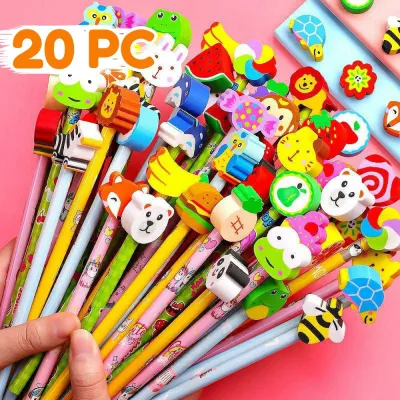
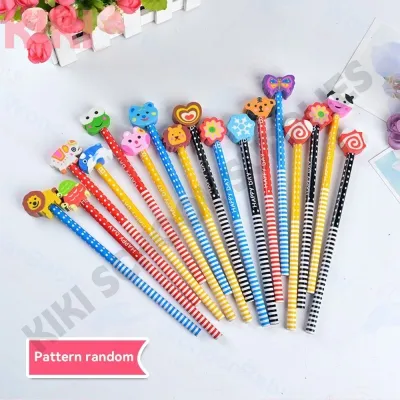
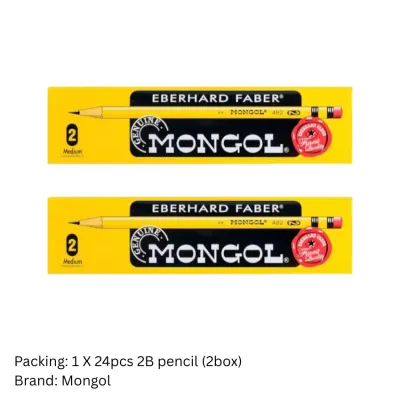
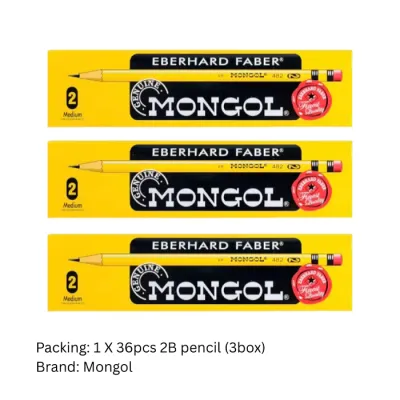
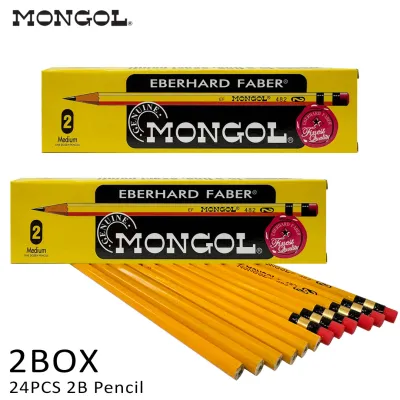
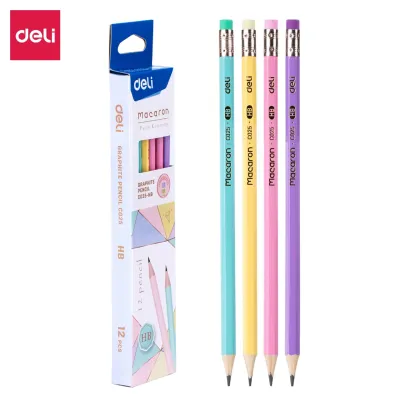
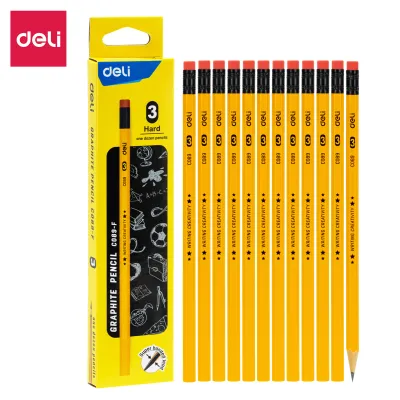
Prices are valid at publication and may change. Please refer to the product page for the latest price.
However, it is important to balance lead softness with practical classroom conditions. In warm, humid environments, very soft leads (such as 3B or 4B) can smudge easily when a child’s hand drags across the paper. This can lead to messy notebooks and dirty hands, which might frustrate young learners. A 2B lead generally offers an ideal middle ground, providing a dark line with minimal pressure while remaining resistant enough to smudging for daily schoolwork.
The third feature to consider is the grip design, which can range from smooth wooden barrels to integrated ergonomic molds. Some beginner pencils feature built-in circular indentations or pre-shaped grooves that guide the fingers into the correct positions. These physical cues are excellent for children who struggle to remember where to place their fingers. However, smooth triangular or hexagonal barrels also offer excellent natural guidance without forcing the hand into a rigid position. When evaluating grip designs, look for options that encourage a natural, relaxed hold rather than those that feel overly restrictive or uncomfortable for your child’s unique hand shape.
Comparing Pencil Types for Early Writers
Pencils come in several distinct shapes and sizes, each tailored to different stages of a child’s motor skill development. Understanding the strengths and limitations of each type helps you make an informed choice for your young writer.

Triangular pencils are widely regarded as one of the most effective tools for early writers. Because human fingers naturally form a three-point pinch when holding a writing instrument, the three flat sides of a triangular pencil provide a natural resting place for the thumb, index, and middle fingers. This shape inherently guides the hand into a proper tripod grip, preventing common grip mistakes like crossing the thumb over the index finger. Beyond the ergonomic benefits, triangular pencils have a highly practical design feature: they do not easily roll off slanted school desks or tables. This simple characteristic reduces classroom distractions and keeps the child focused on their work rather than chasing rolling pencils across the floor.
Jumbo or chunky pencils are specifically designed for toddlers and preschoolers who are just beginning to explore mark-making. At this early stage, children typically use a palmar grasp, holding the pencil with their entire fist, or a digital pronate grasp, where the fingers point down toward the paper but the wrist remains still. The thick, robust barrel of a jumbo pencil is much easier for a child to grasp and control using these broader arm movements. It provides a reassuringly solid object that matches their current level of physical coordination, bridging the gap between finger painting and more precise writing tasks.
Standard round pencils are the traditional choice for older students, but they offer very little support for beginners. Because a round barrel has no flat edges or physical cues, it does not guide finger placement, making it easy for a child’s fingers to slip or slide down toward the tip. This can lead to a tight, cramped grip and rapid hand fatigue. Standard round pencils are best introduced only after a child has fully mastered the dynamic tripod grip and can maintain consistent control without physical guidance from the pencil’s shape.
Hexagonal pencils represent a common middle ground between round and triangular designs. The six flat sides offer some grip support and prevent the pencil from rolling, but the edges can sometimes feel sharp or uncomfortable to a child who squeezes the pencil too tightly. They are a suitable transition option for older children who have outgrown jumbo pencils but are not yet ready for completely round barrels.
Mechanical pencils, while convenient for older students because they do not require sharpening, are generally unsuitable for young beginners. The thin lead cores, usually measuring 0.5mm or 0.7mm, snap easily under the heavy, uneven pressure that children naturally apply when learning to write. Constant lead breakage can be highly frustrating for a child and can disrupt their concentration during writing practice. Additionally, the complex clicking mechanisms and narrow barrels do not support the development of a healthy grip. It is best to stick with sturdy wooden pencils until your child has developed consistent control over their writing pressure.
Matching the Pencil to Your Child's Grip Stage
Children progress through several distinct grip stages as their fine motor skills develop, and matching the pencil to their current stage is essential for preventing frustration. By observing how your child naturally holds a writing tool, you can determine which pencil size and shape will offer the best support.
In the earliest stage of writing development, children often use a palmar supinate grip, wrapping their entire fist around the pencil and using their shoulder and elbow to move the tool. For these young learners, a very thick, jumbo-sized pencil is the most appropriate choice. The large barrel allows them to make bold, sweeping strokes on large sheets of paper without needing precise finger control. As their coordination improves, they transition to a digital pronate grip, where the fingers point downward toward the paper but the hand and wrist still move as a single unit. At this stage, a thick triangular pencil can help guide their fingers toward a more mature placement while still accommodating their broader hand movements.
Eventually, children transition to a static tripod grip, holding the pencil with their thumb, index, and middle fingers while keeping their fingers rigid and moving the pencil with their wrist or forearm. This is the ideal time to introduce medium-sized triangular pencils. The flat sides of the triangular barrel provide clear physical boundaries for each finger, helping the child refine their finger placement without needing constant verbal corrections. Over time, this static grip matures into a dynamic tripod grip, where the fingers themselves move to form letters while the wrist rests comfortably on the desk. Once a child has achieved a stable dynamic tripod grip, they can comfortably transition to standard-sized triangular, hexagonal, or round pencils.
It is also important to watch for physical signs that your child’s current pencil is causing discomfort or fatigue. If you notice your child pressing down so hard that the paper indents deeply or tears, the lead is likely too hard, or they are struggling to control the pencil’s movement. Other warning signs include shaking the hand out frequently, complaining of a tired wrist, holding the pencil extremely close to the tip, or adopting a hunched posture to get closer to the page. If you observe any of these behaviors, it is a clear indication that the current pencil is not a good match. Switching to a thicker barrel or a softer 2B lead can immediately reduce physical strain and make writing a much more enjoyable activity.
Testing and Maintaining Pencils at Home
Before purchasing pencils in bulk for the school year, conducting a simple at-home writing test can save you time and money. Have your child write a few letters or draw simple shapes on standard school paper, such as the intermediate pads or notebook paper commonly used in local classrooms. Observe how easily the lead leaves a mark on the page. If the line is faint or if your child has to press down hard enough to leave deep indentations on the pages underneath, the lead is too hard. You should also check for smudging by gently rubbing a finger over the written lines; in humid tropical climates, some very soft leads can smear excessively, which can quickly ruin neat schoolwork.
Maintaining beginner pencils also requires the right tools, particularly when it comes to sharpening. Jumbo and triangular pencils will not fit into standard pencil sharpeners, so you will need to purchase a dual-hole sharpener specifically designed to accommodate larger diameters. Spending around ₱20 to ₱50 on a quality sharpener with high-quality steel blades ensures the wood shaves smoothly. Dull blades can cause the wood to splinter or twist the graphite core, leading to frequent breakage inside the pencil casing. A clean, sharp cut ensures the pencil tip remains stable and comfortable to use, preventing the frustration of a lead that falls out immediately after sharpening.
Finally, safety should always be a priority when selecting school supplies for young children. Because beginners often chew on the ends of their pencils or put them in their mouths, it is essential to check the product packaging for clear non-toxic certifications. Look for labels indicating compliance with international safety standards, such as the “AP Non-Toxic” seal or the European EN71 standard. Ensure the pencils are made from high-quality, splinter-free wood and that the outer lacquer coating is safe for prolonged skin contact. Avoid cheap novelty pencils with plastic wraps or decorative foils, as these can easily peel off and present a choking hazard or be accidentally ingested.
Frequently Asked Questions (FAQ)
Should I use a pencil grip accessory on a standard pencil?
External silicone or rubber grip accessories can be helpful if a child is struggling with finger placement on a standard pencil, but they should be used selectively. These add-on grips can help correct specific issues, such as finger crossing or excessive squeezing, by forcing the fingers into a proper tripod position. However, they can sometimes slip during use, making the pencil difficult to control, or make the writing tool feel top-heavy for small hands. A purpose-built triangular or jumbo pencil is often a more stable, integrated solution for daily writing practice. If you do choose to use an accessory grip, ensure it fits snugly on the barrel without sliding and does not add excessive weight to the pencil.
What lead grade is best to prevent paper tearing?
A soft lead grade, specifically 2B, is generally the best choice to prevent paper tearing. Beginners often apply uneven, heavy downward pressure because they are still learning to coordinate their hand muscles. A harder lead like HB requires more force to make a visible mark, which easily leads to torn pages and frustrated learners. The softer graphite of a 2B pencil glides smoothly across the page and leaves a dark, clear line with minimal pressure, protecting thin school paper from damage while reducing hand strain.
When should a child switch from a jumbo pencil to a standard one?
A child is typically ready to switch from a jumbo pencil to a standard one when they demonstrate a consistent, comfortable dynamic tripod grip. This milestone usually occurs between the ages of six and eight, as fine motor skills and hand strength mature. If the child can easily control a smaller barrel without their hand cramping, and if their handwriting remains legible without excessive pressure, they can transition to standard-sized pencils. Teachers often recommend making this transition before the child enters grade levels where writing tasks become more frequent and prolonged.

Community discussion
Share your experience or ask a question. Comments are reviewed before publication.