
Finding the right portable file folder depends on balancing your daily document volume, how you travel, and how quickly you need to retrieve your papers. A student rushing between university lectures needs a different setup than an office professional presenting in a boardroom or a commuter navigating sudden tropical downpours. By matching your specific routine to the right folder design, you can protect your important documents from humidity, crumpling, and wear.
Assessing Your Daily Document-Carrying Scenario
To find your ideal folder, first look at the volume of paper you handle daily. If you only carry a few signed contracts or receipts, a slim pouch is sufficient. However, if you are managing multiple school subjects, thick reference manuals, or multi-phase project printouts, you will need a high-capacity option with dedicated dividers.
Next, consider your transit conditions. Commuting via crowded trains, buses, or jeepneys exposes your bags to constant squeezing and jostling. Furthermore, high tropical humidity and sudden monsoon rains can easily ruin unprotected paper. If your daily route involves walking outdoors or waiting at transit terminals, weather resistance and structural rigidity become your top priorities.
Products mentioned in this guide
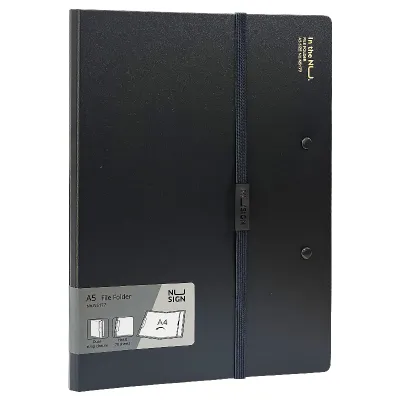
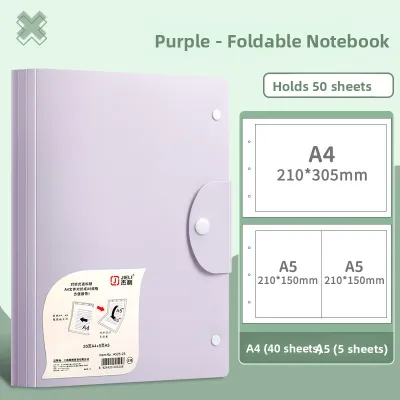
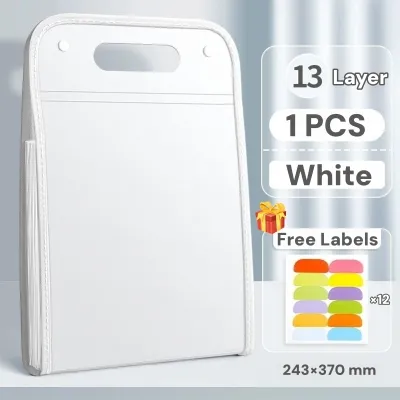
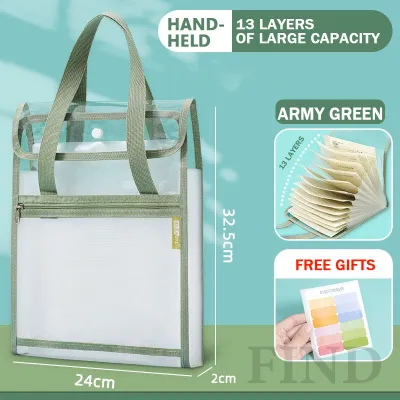
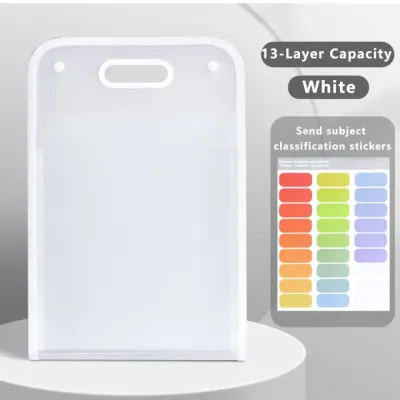
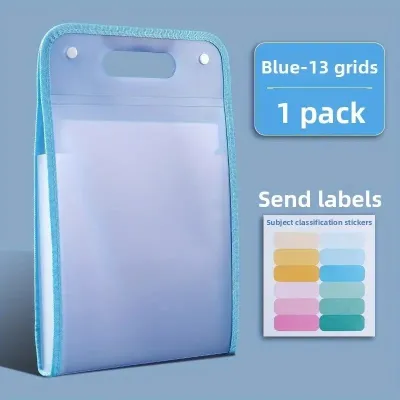
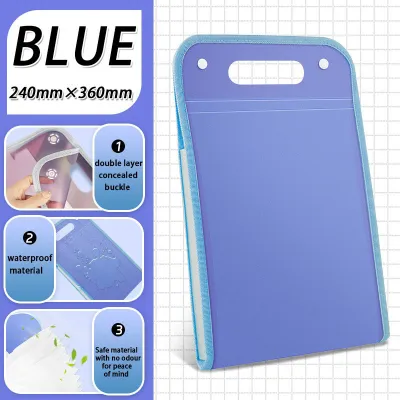
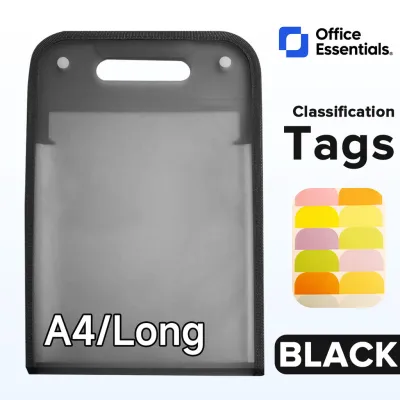
Prices are valid at publication and may change. Please refer to the product page for the latest price.
Finally, evaluate how often you need to access your files. If you are constantly pulling out worksheets during a fast-paced class or retrieving forms in front of clients, a quick-access open top or a simple flap closure is ideal. If you only need to secure your documents at the end of the day for safe transport home, a fully sealed zipper closure is more appropriate.
Matching Folder Types to Your Specific Routine
There is no single, universal folder that perfectly accommodates every task, as structural designs inherently favor either maximum capacity, quick access, or heavy-duty protection. Understanding how different styles cater to specific lifestyles allows you to choose a tool that integrates seamlessly into your daily workflow.

Expandable Envelopes and Accordions
Expandable envelopes and accordion folders are the traditional workhorses for high-volume organization. They are particularly suited for students managing five or six distinct subjects or office workers handling multiple client accounts simultaneously. The multi-pocket design allows you to categorize papers chronologically or topically without mixing them up.
When shopping for an accordion folder, always check the expansion gusset width and the material of the outer walls. A flexible, reinforced gusset allows the folder to expand naturally as your paper load increases, preventing the bottom seams from splitting under pressure. Look for folders that specify a high pocket count if you plan to keep a semester’s worth of notes in one place.
The closure mechanism is another critical point of evaluation. Elastic band closures offer flexibility for overstuffed folders, while snap buttons provide a secure, tactile lock. Ensure the flap covers the entire opening to prevent loose sheets from sliding out when the folder is placed upside down inside a deep backpack.
Zippered Document Bags and Pouches
For commuters who face crowded public transport and unpredictable weather, zippered document bags and pouches offer the highest level of security. These carriers act as a protective shield, ensuring that loose sheets, receipts, and small notebooks remain entirely contained even if your backpack is dropped or compressed.
When evaluating these bags, pay close attention to the fabric and seam construction. Water-resistant materials, such as heavy-duty Oxford cloth or thick treated nylon, help shield your documents from high humidity and sudden rain showers. Check the manufacturer’s specifications to verify if the zippers are water-repellent or if the seams are reinforced against fraying.
Many zippered pouches also feature internal mesh pockets or secondary compartments. These are incredibly useful for organizing small daily essentials like pens, flash drives, identification cards, or charging cables. This multi-functional layout allows you to use the pouch as a standalone clutch for quick meetings or study sessions.
Storage Clipboards and Padfolios
If your daily routine requires you to fill out forms, take notes while standing, or present documents directly to clients, storage clipboards and padfolios are excellent choices. They combine a rigid writing surface with an internal storage compartment, making them indispensable for field researchers, site inspectors, and busy office professionals.
The strength of the clip mechanism is paramount. Look for a low-profile metal clip with rubberized corners, which provides a firm grip on paper without leaving deep creases or tearing the top of your sheets. The internal compartment should latch securely so that your spare paper and pens do not fall out when you are writing on the go.
Additionally, check the interior layout for extra features like business card slots, pen loops, or dedicated sleeves for tablets and calculators. A well-designed padfolio balances this internal capacity with a slim profile, ensuring it still fits comfortably under your arm or inside a standard briefcase.
Key Features to Verify Before Buying
Before making a final purchase on an online marketplace, you must verify several physical specifications to ensure the folder fits your actual workflow. First, confirm the size and format compatibility. Standard local office documents often use Letter, Legal, or A4 sizes; choosing a folder that is too small will force you to fold your papers, while an oversized folder may not fit into your favorite backpack.
Material durability is another crucial factor. Polypropylene folders are lightweight, water-resistant, and easy to wipe clean, making them excellent for daily student use. For a more professional aesthetic, fabric or synthetic leather options offer better structure, though they may require more careful maintenance to prevent staining in humid environments. Check the product descriptions for reinforced edges or double-stitched borders, which prevent the sharp corners of plastic folders from cracking over time.
Finally, evaluate the ergonomics and portability of the design. If you plan to carry the folder independently rather than slipping it inside a larger bag, look for models with integrated handles or detachable shoulder straps. The overall weight of the empty folder should be minimal, as heavy hardware can quickly cause fatigue during long walking commutes. When comparing options, checking the price in Philippine Pesos (₱) alongside these material specifications will help you find the best value.
Cross-Scenario Compatibility: Can One Folder Do It All?
Many users wonder if they can invest in a single hybrid folder to handle all their academic, professional, and transit needs. Hybrid designs—such as a zippered document bag that opens to reveal an internal accordion divider—attempt to offer the best of both worlds by combining high capacity with weather protection.
While these hybrid options are highly versatile for students who also commute long distances, they can sometimes become bulky and heavy when fully loaded. If your daily roles are highly distinct, using separate, dedicated folders can prevent the cross-contamination of your personal, academic, and professional documents. For instance, keeping your creative sketches in a slim pouch keeps them pristine and separate from messy lecture notes.
Alternatively, you can build a modular organization system. This involves using a large, durable zippered bag as your main transit carrier, and placing smaller, color-coded plastic folders or slim envelopes inside it. This modular approach allows you to swap out specific sub-folders depending on your schedule for the day, keeping your load light and highly organized.
Frequently Asked Questions (FAQ)
How do I clean and maintain a plastic or fabric portable file folder?
To clean a plastic or polypropylene folder, simply wipe the surfaces with a soft, damp cloth and a small amount of mild dish soap. Avoid using harsh chemical solvents or abrasive scrubbing pads, as these can scratch the plastic or degrade the material over time.
For fabric folders, check the manufacturer’s care label for specific washing instructions. If machine washing is not supported, spot clean the fabric using a soft brush and a mixture of warm water and mild detergent.
Regardless of the material, always ensure the folder is completely dry inside and out before storing any documents. Trapping moisture inside a closed folder can lead to mold growth, ink bleeding, and permanent paper damage.
What is the best way to prevent papers from wrinkling inside an expandable folder?
To keep your documents flat, distribute your papers evenly across all available pockets rather than stuffing them into a single section. Uneven weight distribution causes the folder to bulge awkwardly, putting stress on the gussets and bending the edges of your papers.
For highly important or delicate documents, use rigid backing boards or clear plastic sheet protectors before placing them inside the folder. This adds an extra layer of structural support that resists bending.
Finally, avoid overstuffing your folder. If you find that the closure mechanism is straining or the sides are bulging excessively, it is a clear signal to archive older documents at home or upgrade to a folder with a wider expansion gusset.

Community discussion
Share your experience or ask a question. Comments are reviewed before publication.