
Managing a household involves handling a constant stream of paper: monthly electricity bills, internet invoices, appliance warranties, grocery receipts, and official receipts for tax purposes. Finding the right receipt holder is the key to transforming a cluttered drawer into a streamlined, functional home archive. The ideal organizer not only keeps your documents physically secure but also protects them from environmental damage, ensuring you can quickly retrieve a proof of purchase when making a warranty claim or tracking your monthly budget.
To choose the best receipt holder for your home, you must balance your document volume, the physical dimensions of your papers, and your storage environment. In tropical climates where high humidity and heat can accelerate the degradation of thermal paper, selecting the correct material is just as important as choosing the right folder structure. By matching your daily habits with a suitable filing system, you can establish an effortless organization routine that keeps your financial records intact for years.
How to Choose a Receipt Holder for Home Use
Before purchasing any filing product, it is essential to evaluate the specific types of documents you accumulate and how often you need to access them. Household paperwork is rarely uniform. You likely handle a mix of tiny, delicate thermal receipts from supermarkets, long utility bills from water and electric providers, and bulky A4 or letter-sized warranty booklets for home appliances. A single, small receipt holder may not accommodate all of these formats, meaning you might need a combination of compact pockets for small slips and larger folders for official documents.
Products mentioned in this guide
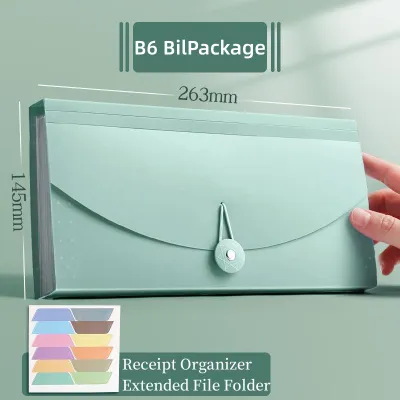
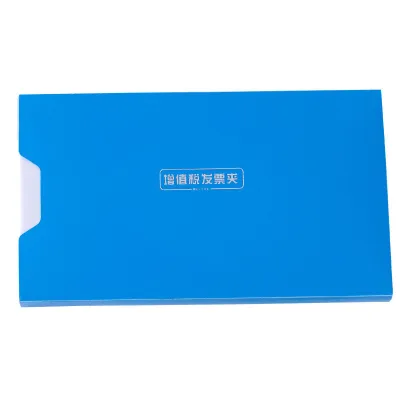
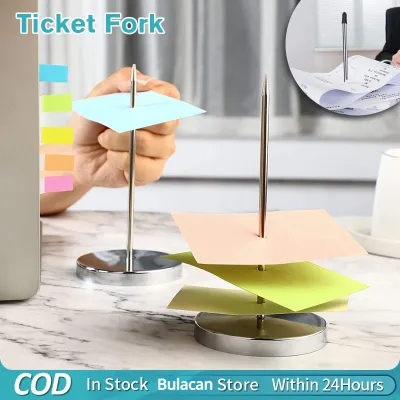
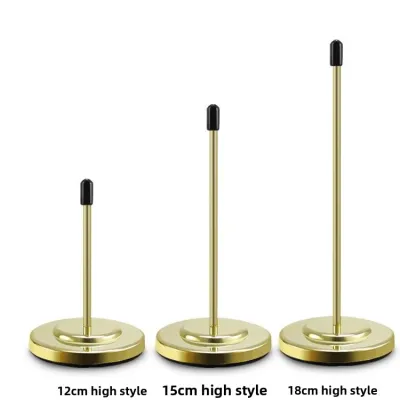
Prices are valid at publication and may change. Please refer to the product page for the latest price.
Physical space constraints within your home should also dictate your choice. If you plan to store your organizer in a shallow desk drawer, a slim, horizontal accordion file or a set of flat envelopes will fit best. For those with dedicated bookshelves or filing cabinets, vertical box files or heavy-duty binders offer a more robust solution that keeps documents upright and organized. Consider where the filing process actually happens; if you prefer sorting bills at the dining table, a portable option with a secure handle or closure is highly beneficial.
Portability and access frequency are the final pieces of the decision framework. If you only look at your receipts once a year during tax season, a deep storage box designed for archiving is highly efficient. However, if you actively track weekly expenses or need to monitor utility bills for monthly fluctuations, you require an open, easily accessible desktop tray or a quick-access accordion folder. Choosing a system that demands too many steps to open and close often leads to piles of unfiled paper accumulating on your countertops.
Common Types of Receipt Holders and Their Uses
Selecting the right physical structure for your home filing system depends on whether you need quick daily access or secure, long-term preservation. Different organizers offer distinct advantages in terms of capacity, protection, and ease of categorization. Understanding these structural differences allows you to build a system that keeps your documents flat, legible, and easy to find.

Accordion Files and Expandable Folders
Accordion files, also known as expanding files, are among the most popular choices for household document management due to their built-in division systems. These folders feature multiple internal pockets, typically ranging from 6 to 13 compartments, which allow you to categorize documents by month, utility type, or expense category. This structured layout makes it incredibly simple to drop a new receipt into its designated slot without disturbing the rest of your filed papers.
When evaluating an accordion file, pay close attention to the pocket depth and the security of the closure mechanism. Small thermal receipts can easily slip out of loose, open-topped compartments if the folder is tilted or dropped. Look for models featuring secure elastic bands, snap buttons, or full-zipper closures that seal the entire perimeter of the folder. The material of the dividers should be sturdy enough to withstand frequent flipping without tearing at the seams.
While highly efficient, expanding folders have physical limitations that you must consider. If you attempt to stuff thick paper stacks, multi-page utility bills, and product manuals into a single accordion file, the bottom of the folder will bulge excessively. This uneven expansion makes the folder difficult to close, strains the seams, and prevents it from sitting flat on a shelf or inside a drawer. For heavy paper volumes, it is better to use multiple slim folders rather than overstuffing a single unit.
Box Files and Document Storage Boxes
For long-term archiving of critical household documents, rigid box files and storage boxes provide unmatched physical protection. These containers are designed to sit upright on bookshelves or stack neatly inside closets, keeping your documents completely flat and shielded from external elements. Unlike flexible folders, a rigid box prevents heavy items from crushing your papers, which is vital for preserving delicate documents like land titles, birth certificates, and long-term appliance warranties.
Before choosing a box file, verify that its internal dimensions match the standard paper sizes used in your household. In many regions, documents are printed on a mix of A4, letter, and legal-sized paper. Ensure the box is wide and deep enough to accommodate these sheets without forcing you to fold them, as repeated folding weakens paper fibers and can make text illegible over time. Many high-quality box files are designed to hold standard plastic sleeves or hanging folders, allowing you to create a sub-filing system within the box itself.
The primary trade-off with rigid storage boxes is their bulk and lack of immediate convenience. They require dedicated shelf space and are not suited for quick, daily reference due to their weight and size. If your goal is to file away documents that you rarely need to look at—such as past tax records or expired insurance policies that must be kept for legal reasons—a box file is excellent. For active, daily bill management, however, you will likely find them too cumbersome to use regularly.
Binder Inserts and Sheet Protectors
A binder-based system offers incredible flexibility for homeowners who want to create a comprehensive household reference manual. By using standard three-ring or four-ring binders paired with specialized plastic inserts, you can combine printed instruction manuals, utility bills, and small receipts into a single, cohesive book. This method allows you to flip through pages like a photo album, making it highly visual and exceptionally easy to locate specific documents.
To make this system work for receipts, look for multi-pocket binder pages specifically designed to hold smaller items. Standard single-pocket sheet protectors are excellent for A4 warranties, but small receipts will slide around and pool at the bottom. Specialized inserts with two, three, or four pockets per page keep small thermal slips upright and separated. This prevents them from rubbing against each other, which can cause friction-induced heat and erase the printed text.
However, material compatibility is a critical factor when using plastic sleeves for receipt storage. Many cheap plastic protectors are made from polyvinyl chloride (PVC), which contains volatile plasticizers that can react chemically with thermal paper. Over time, this reaction causes the ink on thermal receipts to fade completely, leaving you with blank pieces of paper. Always verify that your sheet protectors are labeled as acid-free, archival-safe, and PVC-free—typically made from polypropylene—to ensure your records remain legible.
Key Features to Check Before Buying
When shopping for a receipt holder on online marketplaces or at local stationery stores, focusing on material specifications will save you from buying a product that fails prematurely. Durability is paramount, especially at the stress points of the organizer. Check the manufacturer’s specifications for reinforced spines, double-stitched edges, and tear-resistant materials. Polypropylene is highly recommended for home use because it resists moisture, does not tear easily, and provides a rigid barrier against physical wear.
In tropical environments, humidity is a constant threat to paper preservation. High moisture levels can cause standard paper folders to soften, sag, and develop mold, which can ruin your stored documents. Opting for water-resistant plastic organizers protects your papers from accidental spills, leaks, and ambient humidity. If you prefer paper-based organizers, look for heavy-duty pressboard or laminated cardstock, which offer better structural integrity than standard manila folders.
Paper compatibility and chemical safety must also be verified before purchase. Since thermal paper is highly sensitive to chemicals, heat, and friction, your storage medium must not contribute to its degradation. Look for organizers specifically designated as acid-free and archival-safe. If you are unsure about a folder’s material, you can perform a simple trial: place a non-essential thermal receipt inside the folder for a few weeks and check for any signs of fading or sticking before committing your important documents to it.
Finally, evaluate the labeling and indexing options provided by the receipt holder. A folder is only useful if you can find what is inside without opening every compartment. Look for organizers that feature built-in index tabs with customizable paper inserts, or those with clear front windows where you can slide in a cover sheet. Writable surfaces or textured areas that accept standard ballpoint pens or adhesive labels make it much easier to update your filing categories as your household needs change over time.
Organizing Your Household Bills and Warranties
Acquiring the perfect receipt holder is only the first step; establishing a consistent organizational workflow is what keeps your home clutter-free. The most common reason filing systems fail is the accumulation of a massive backlog of unfiled papers. To prevent this, set a recurring schedule on your calendar—such as the first weekend of every month or at the end of each quarter—to sit down, sort through your accumulated papers, and file them away.
During your sorting sessions, categorize your documents into distinct groups based on their purpose and retention requirements. Active warranties, major appliance receipts, and tax-related documents should be kept in your most secure, long-term organizers, such as box files or archival binders. For high-value purchases, such as appliances costing ‛10,000 or more, keeping a legible receipt is critical. Everyday utility bills, grocery receipts, and minor purchase slips can be placed in a quick-access accordion folder. Keeping these categories separate ensures that you do not waste time digging through temporary grocery receipts when searching for a critical refrigerator warranty.
Implementing a strict purging system is vital to keep your filing system from becoming overwhelmed. Most household documents do not need to be kept forever. Establish clear rules for when to discard papers: utility bills can typically be shredded after one year, while grocery receipts can be discarded as soon as you verify your monthly bank statement. When an appliance breaks down beyond repair or its warranty expires, immediately remove its manual and receipt from your files to free up valuable space for new documents.
Frequently Asked Questions (FAQ)
How do I prevent thermal receipts from fading in storage?
Thermal receipts are printed using heat-sensitive chemicals rather than traditional ink, making them highly vulnerable to environmental factors. To prevent fading, store your receipts in a cool, dark, and dry location away from direct sunlight, air conditioners, and high-humidity areas. Avoid storing them in PVC-based plastic sleeves, as the plasticizers will chemically react with the thermal coating and erase the text. For high-value purchases or long-term warranties, it is highly recommended to make a digital scan or a physical photocopy on standard paper, as photocopies do not fade over time.
Can I use a standard envelope instead of a dedicated receipt holder?
Standard paper envelopes are a cost-effective solution for short-term storage, such as gathering receipts for a single month or a specific minor project. However, they lack the structural rigidity required for long-term household document management. Envelopes easily bend, crush, and tear when stored in crowded drawers, which can damage the documents inside. Dedicated receipt holders offer superior physical protection, built-in indexing tabs for easy categorization, and durable, water-resistant materials that ensure your important financial records remain safe and accessible for years.

Community discussion
Share your experience or ask a question. Comments are reviewed before publication.